‘[Bleep] that wall,’ contractor said when vibrations near Surfside condo got ‘too high’
READ MORE
Reforms after Surfside fall short
Condo reform efforts have gone cold in Tallahassee, but the class-action suit over Champlain Towers is heating up — including a startling statement by the head of a construction crew that worked next door.
Expand All
![‘[Bleep] that wall,’ contractor said when vibrations near Surfside condo got ‘too high’](https://www.miamiherald.com/public/latest-news/1f6jcb/picture256010142/alternates/LANDSCAPE_1200/Photo%20Jun%2030,%209%2036%2029%20AM.jpg)
‘[Bleep] that wall,’ contractor said when vibrations near Surfside condo got ‘too high’
After Surfside collapse, Miami-Dade drafts reforms that fall short of recommendations

Surfside became known for deadly condo collapse. Now the town looks to champion reforms.
Episode 7: ‘My pain is unbearable.’ Inside the courtroom fight over the Surfside tragedy
Local and state leaders ask DeSantis to add condo reform to special legislative session
Work on the Eighty Seven Park condo development project was temporarily halted one morning in March 2016 by the developer’s seismologist, who worried vibration levels from sheet pile driving were “too high” and could damage the neighboring structure, Champlain Towers South, newly filed court documents show.
But within half an hour, at the instruction of site superintendent Frank Wiza, the crew resumed using heavy equipment to vibrate long sheets of steel deep into the earth less than 15 feet south of Champlain South’s underground structural perimeter wall.
The reason Wiza gave for continuing the work?
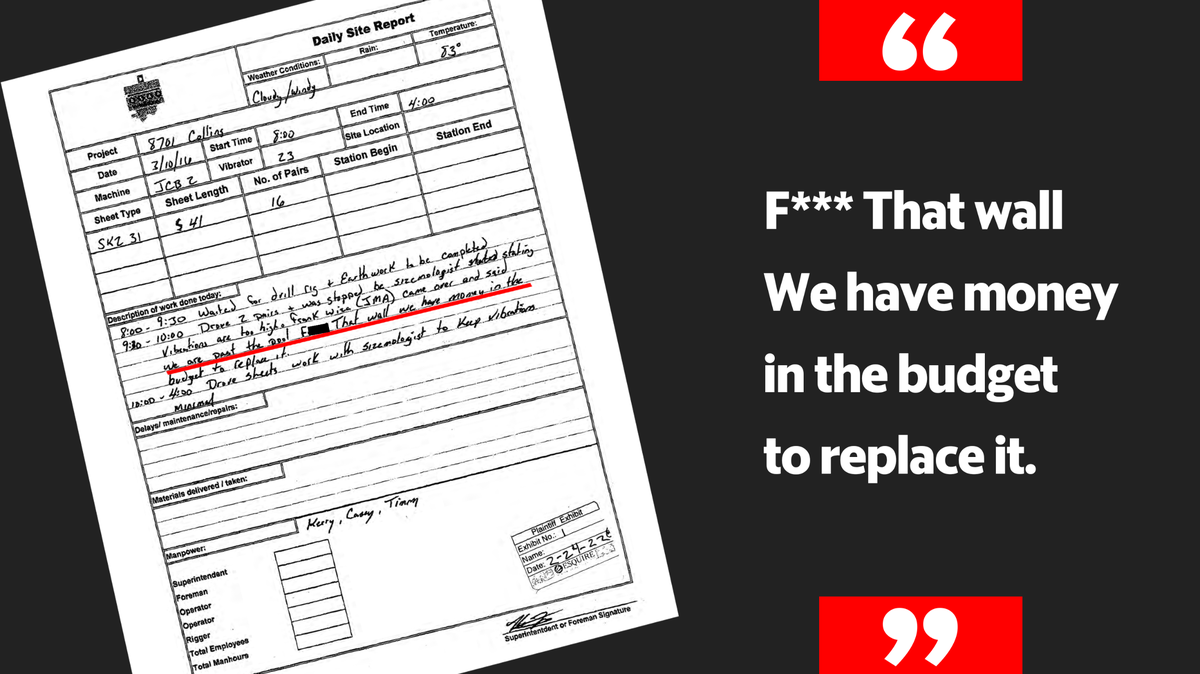
“F*** that wall,” he told the pile-driving crew, according to a handwritten work log from March 10, 2016. “We have money in the budget to replace it.”
Court records indicate Wiza was talking about Champlain South’s non-structural privacy wall, which was visible from where the crew worked, rather than the structural wall located directly below it underground.
Five years later, just after 1 a.m. on June 24, 2021, the pool deck at Champlain South broke away from the structural wall at almost exactly the same area. Seven minutes after the deck caved in, half of the 12-story tower collapsed, killing 98 people inside in one of the deadliest collapses in modern history.
In the aftermath of the tragedy, survivors and relatives of the dead filed a class-action lawsuit against more than a dozen defendants — including the developers and general contractor of the ultra-luxury Eighty Seven Park condo project next door. The plaintiffs claim the vibrations played a major role in the collapse and that the Eighty Seven Park firms were negligent. The Eighty Seven Park firms deny their work had anything to do with the collapse.
Construction vibrations were likely not the primary cause of a collapse that happened years later, nor were the levels high enough to cause severe structural damage to a healthy building, five engineers who reviewed the monitoring reports from the pile-driving work in 2016 told the Herald.
But Champlain South was not healthy. The engineers agreed that even the relatively low vibration levels documented during sheet pile driving near the condo could have contributed to the collapse by exacerbating pre-existing damage along the perimeter wall.
“There is no way the vibration levels they monitored would have damaged properly built reinforced concrete,” said Chris Pacitto, president of geotechnical engineering firm Velocity Engineering Services, after reviewing the data for the Herald.
“However, if the building was deteriorated — the rebar was rusting and expanding, there was corrosion, the concrete was starting to spall — then, yes, the vibration can accelerate that,” Pacitto said. He emphasized the vibrations would have only shortened the timeline of degradation and damage that were “already going to happen anyway.”
INTERACTIVE: HOW DECADES OF PROBLEMS CONVERGED THE NIGHT CHAMPLAIN TOWERS FELL
Court records show the seismologist stopped work on March 10 just after vibrations spiked to levels over one-and-a-half times the Eighty Seven Park developer’s intended limit. At the time, the crew was driving sheet piles — to build an underground metal retaining wall — next to a critical joint between Champlain South’s foundational perimeter wall and its pool deck. A Herald investigation found that joint was poorly designed, contained little reinforcing steel, and had been further weakened by decades of water intrusion.
The connection was among the first to fail in the progressive collapse of Champlain South last year, photos of the site and witness testimony show.
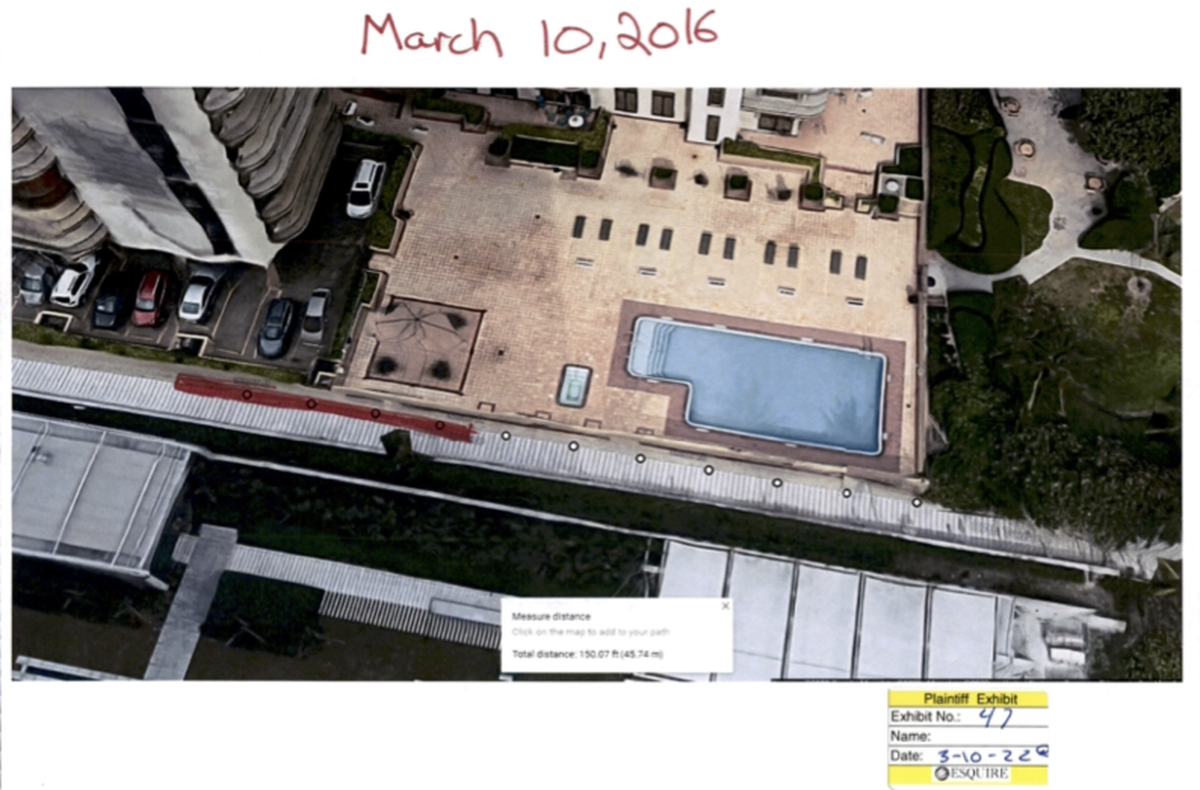
Still, the Eighty Seven Park developers say the vibrations were too low to have caused “structural damage to any portion of Champlain Towers South.”
Michael Thomas, an attorney for the developers, called Wiza’s comments “inflammatory,” but said they did not represent how the development team and workers approached construction.
Thomas added that the pause of work in March 2016 demonstrated that “caution prevailed over Mr. Wiza’s impatience” and that the vibration monitoring plan was working and effective.
“The seismologist stopped the installation when the vibrations reached the established threshold,” Thomas said in a statement. “Unfortunately, Mr. Wiza made a regrettable comment, presumably because he became frustrated that he was directed to suspend operations. [But] the work resumed with the oversight of the seismologist to keep the vibrations minimal.”
Although the daily log noted continued collaboration with the seismologist, monitoring reports show vibrations spiked above the intended limits several more times throughout the day. The highest levels of the day were recorded in the afternoon, hours after Wiza’s crude dismissal of the seismologist’s concerns.
It’s unclear from the available records whether work was stopped again, or if the site superintendent or crew looked for any evidence of damage at the time.
Abieyuwa Aghayere, a professor of engineering at Drexel University, called Wiza’s comments “flippant” and “shocking” given the proximity of the aging building next door.
“As a contractor working next to another building, he should have known what the structure was next to him. He’s the superintendent for the site in charge of safety within his own site and of not damaging adjacent properties,” Aghayere said.
Still, he said the superintendent’s choice to continue work was not unusual — similar decisions are routine on construction sites and neighboring buildings do not fall down.
“There are competing interests here,” Aghayere said. “Stopping work means losing money versus taking care of somebody else’s property.”
The project’s general contractor, John Moriarty & Associates, said that Wiza’s comments held no significance. A spokesman for Moriarty said Wiza, who worked for the firm, spoke out of brief frustration and his words did not reflect how the project was handled nor did they indicate a disregard for industry standards.
“It is preposterous to claim that a vulgar, out-of-context, three-word construction site comment is in any way indicative of the due diligence that was taken during that project,” said Lou Colasuonno, a spokesman for Moriarty. “The two-week [pile-driving project near Champlain South] was performed and completed safely under the constant direction of seismologists and the project had absolutely no bearing on the tragic accident last year. Clearly, poor design, poor construction and poor maintenance combined to cause the Champlain Towers collapse.”
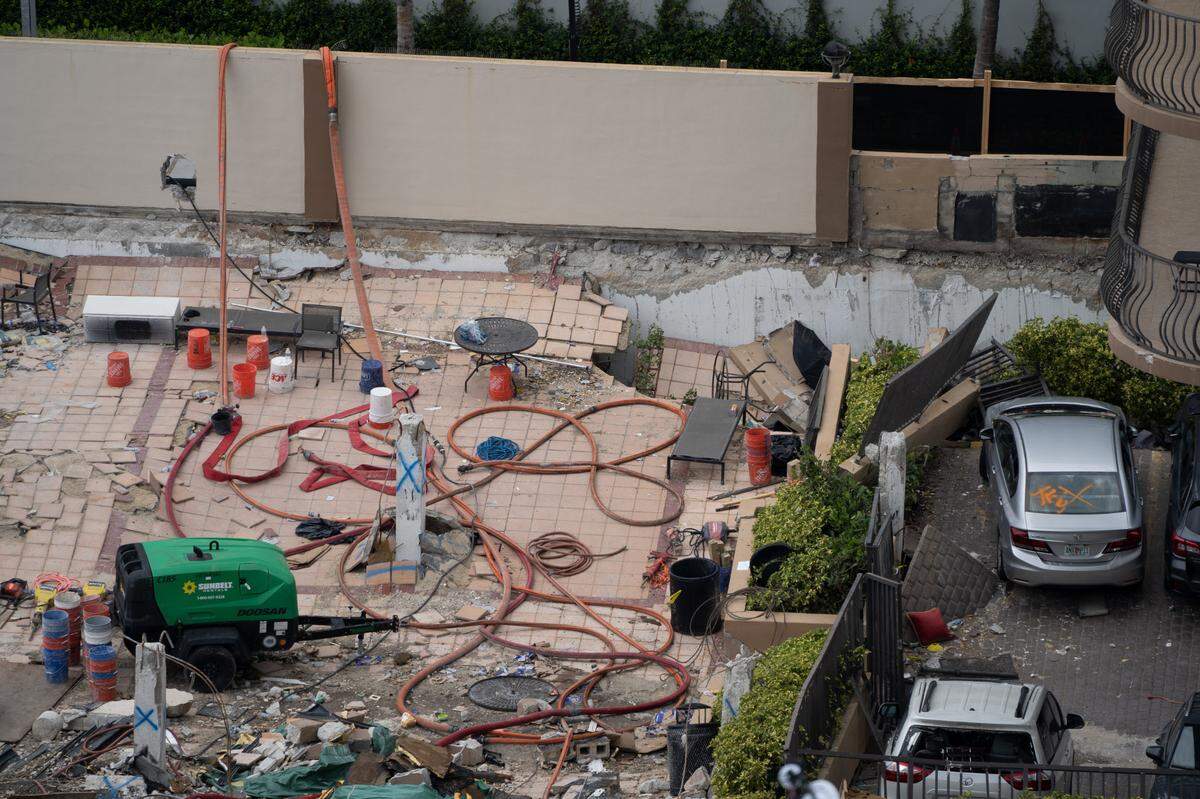
The revelation about Wiza’s statement was included in an otherwise procedural filing from the plaintiffs about discovery in the class-action lawsuit. It comes two weeks before the plaintiffs and Eighty Seven Park are set to hold court-ordered mediation sessions.
Attorneys for the plaintiffs declined to comment for this story. Wiza could not be reached.
While victims are being compensated from several sources — including insurance money, proceeds from the sale of the land where Champlain South once stood, and settlements from some of the defendants — the judge in the case has acknowledged only “limited funds” exist.
The Eighty Seven Park defendants likely have the deepest pockets of any firms being sued.
The level of their culpability, if any, and how much money they may have to pay to survivors and their families will be determined by a judge, jury or mediator. If no settlement is reached, a trial is scheduled for March 2023.
‘Daddy’s gravy train’
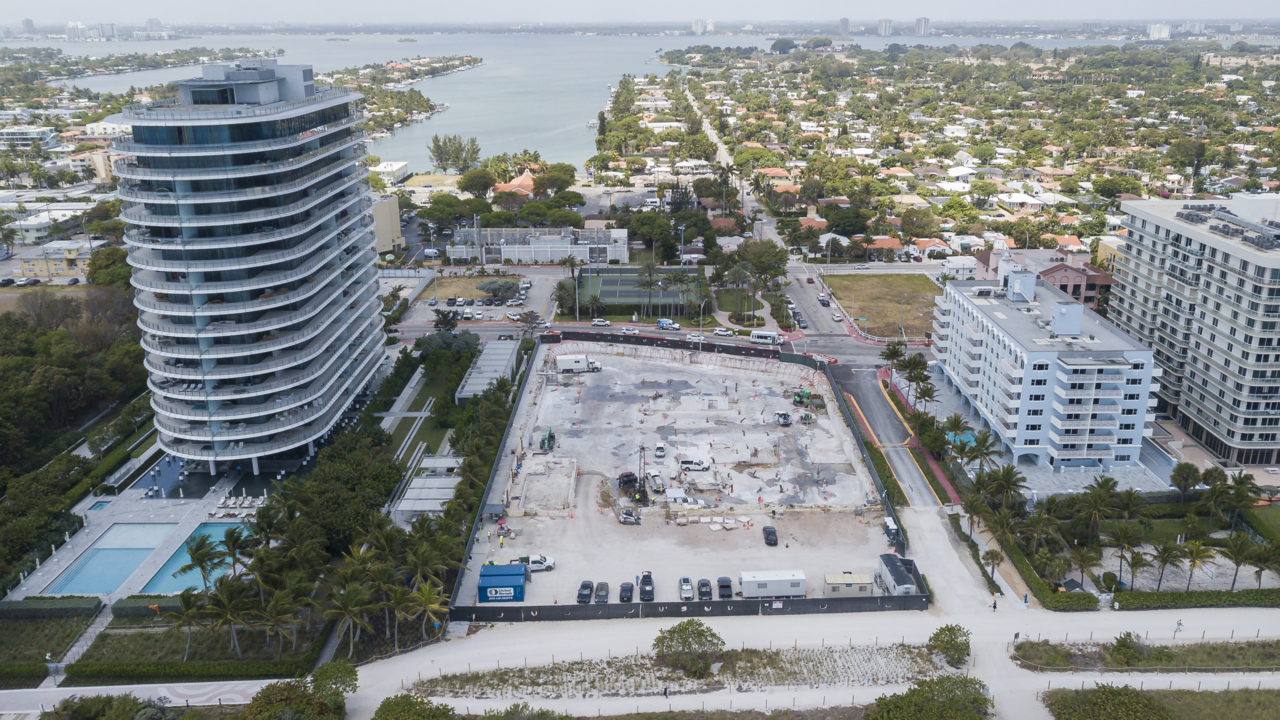
Champlain Towers South and Eighty Seven Park, whose surveillance cameras captured a widely viewed video of the collapse, were never friendly neighbors.
Residents of Champlain South say they watched with concern in late 2013 as a group of developers led by the prominent Miami builder David Martin bought the site — then the aging Biltmore Terrace (Dezerland) Hotel — from which Eighty Seven Park would spring.
The Dezerland sat at the very northern edge of the city of Miami Beach — meaning Champlain South residents, who lived just across the municipal line in the neighboring town of Surfside, had little say over the 18-story condo tower that would replace the hotel.
READ MORE: ‘The city will help us.’ Miami Beach took cash, fast-tracked tower on Champlain’s edge
After the purchase, Miami Beach commissioners made every effort to help Eighty Seven Park — crafting an ordinance that allowed the tower to add several stories and granting the developers the right to take over a public street that had separated the Dezerland from Champlain South.
Ceding the street — a controversial decision at the time that hinged on the developers giving the city $10.5 million — meant that construction at Eighty Seven Park would happen roughly 10 feet away from its aging neighbor, rather than 60, according to the lawsuit. As a result, the impact of construction on Champlain Towers was likely greater, experts said.
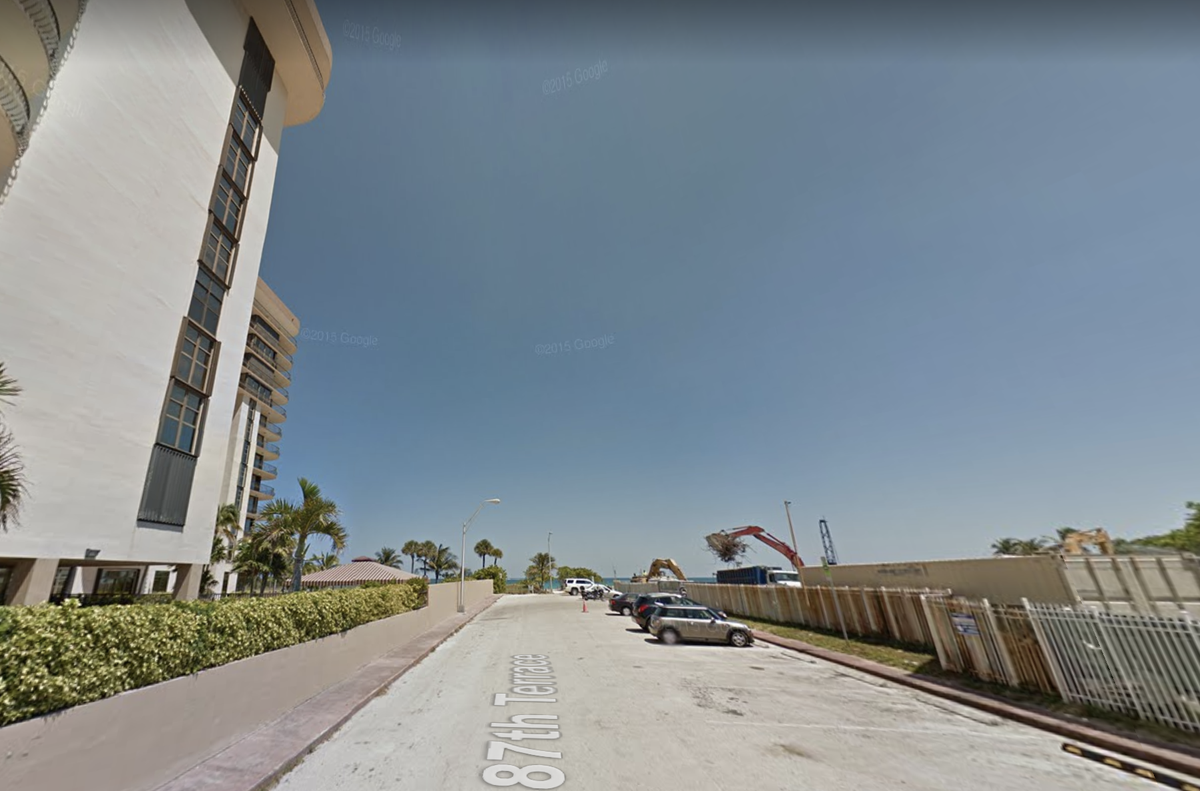
“The developers just didn’t care about us,” said Steve Rosenthal, a Champlain South resident who survived the collapse. “They didn’t care about safety. They didn’t care about the rules in Miami Beach. They cared about one thing: money.”
As construction of Eighty Seven Park accelerated into the spring of 2016, residents of Champlain South complained in droves. Preparations for the tower had jostled their walls, closed their pool, coated their balconies in dust, and left their cars splattered with oil, according to interviews with residents, documents from the lawsuit and public records obtained by the Herald. Rosenthal said the vibrations were so strong he was once nearly thrown off a treadmill in the building’s gym.
Other residents were equally worried. On March 17, 2016, Champlain South resident Maria Popa wrote to the Eighty Seven Park developers, saying she was “very concerned because of the daily TREMORS we encounter, in our apartments, sitting, standing, laying in bed,” according to an email cited in court papers. (Humans perceive vibrations at levels far lower than those that would cause structural damage, experts say.)
Popa, 79, died in the collapse, along with her husband, Mihai Radulescu, 82.
In another email to the developers contained in court documents, Robert Zarco, an attorney for the Champlain South condo association, threatened to sue Eighty Seven Park, saying owners needed to be compensated for the nuisances posed by construction.
“My clients are up in arms!” he wrote in the March 11, 2016, email. “I am done with playing Mr. Nice Guy.”

He also delivered a scathing opinion of developer David Martin, whose father, Pedro, had founded their successful family building company.
“I am offended by [David’s] lack of integrity and character,” Zarco wrote. “He is all talk and full of s***!! Just another south Fla rich kid who lives off his father’s success and beats his chest while he rides daddy’s gravy train!”
In the end, no lawsuit was filed, and Champlain South later rejected a $400,000 offer that would have required unit owners not to criticize Eighty Seven Park. (The developers called Zarco’s comments about David Martin “patently false,” adding, “we’re not going to dignify it with any more of a response.”)
Eighty Seven Park opened in late 2019, with prices for condos ranging as high as $18 million.
How much vibration was too much for the wall?
Kerry Lopez had been working for less than an hour on March 10, 2016, when a seismologist on the construction site of Eighty Seven Park told him to turn off his vibratory hammer — a loud machine attached to the end of an excavator that he had been using to drive sheets of steel 30 feet into the ground.
“We were stopped by the seismologist, [he] told us the vibrations were too high,” Lopez said in a deposition taken this year as part of the ongoing lawsuit.
The decision of what to do next — whether to halt work, make changes, or continue as is — was up to Wiza, the site superintendent, records show.
The Florida Building Code doesn’t place limits on construction-related vibration levels in South Florida, stating simply that contractors are responsible for protecting surrounding structures from any kind of damage — from cosmetic to structural.
So Eighty Seven Park set its own vibration limit: 0.5 inches per second, a commonly used threshold in South Florida.
The morning of March 10, seismographs placed one foot from Champlain’s privacy wall measured vibrations peaking at 0.82 inches per second before work was halted, records show. It wasn’t the highest reading taken along the wall, with peak velocities on other days nearing one inch per second.
“Clearly they had to make a decision on day one that they were not going to adhere to that 0.5 limit,” said Pacitto, the president of Velocity Engineering Services, the geotechnical engineering firm. “It looks like they were exceeding that limit all the way through the project.”
Studies by the U.S. Bureau of Mines show that vibration velocities under about two inches per second should not have caused any structural damage to reinforced concrete structures when the frequency of vibrations is at levels similar to those documented during sheet pile driving at Eighty Seven Park. Other standards by the Federal Transit Administration state that vibration levels should stay under 0.5 to prevent damage, and even lower in cases where surrounding structures are particularly fragile.
Ultimately, the exact level of construction vibration that might cause structural damage is difficult to predict and varies greatly, depending on the composition of the soil the vibrations are moving through, the duration of the vibrations, their frequency, and the fragility of the structures nearby.
When the team had started driving sheet piles along the perimeter wall of Champlain South on March 3, Wiza had been most concerned about vibrations damaging the shell of the pool, according to Lopez’s deposition. But by March 10, the team had finished the work nearest the pool without cracking it. So, it seemed to the superintendent, the only thing left to worry about was the non-structural privacy wall separating the two properties and shielding the rest of Champlain South’s pool deck from view, Lopez told attorneys under oath.
Wiza gave the green light. “We are past the pool, f*** that wall,” Wiza is quoted in the log book as saying.
“That’s exactly what he said,” Lopez confirmed to attorneys during the deposition.
“He told us that you know, keep driving the piles, we’re past the pool … and that if anything happened to the barrier wall in between the two properties, that he had money to fix it in his budget,” Lopez confirmed under oath. (Wiza has yet to be deposed in the case.) The wall was essentially a fence, Lopez said during the deposition, and in his experience it wasn’t unusual for contractors to replace privacy fences.
It’s not clear from the court records whether Wiza realized that the simple masonry block privacy wall that he could see was actually sitting on top of an underground, reinforced-concrete, foundational wall that provided critical support for the entire condo next door.
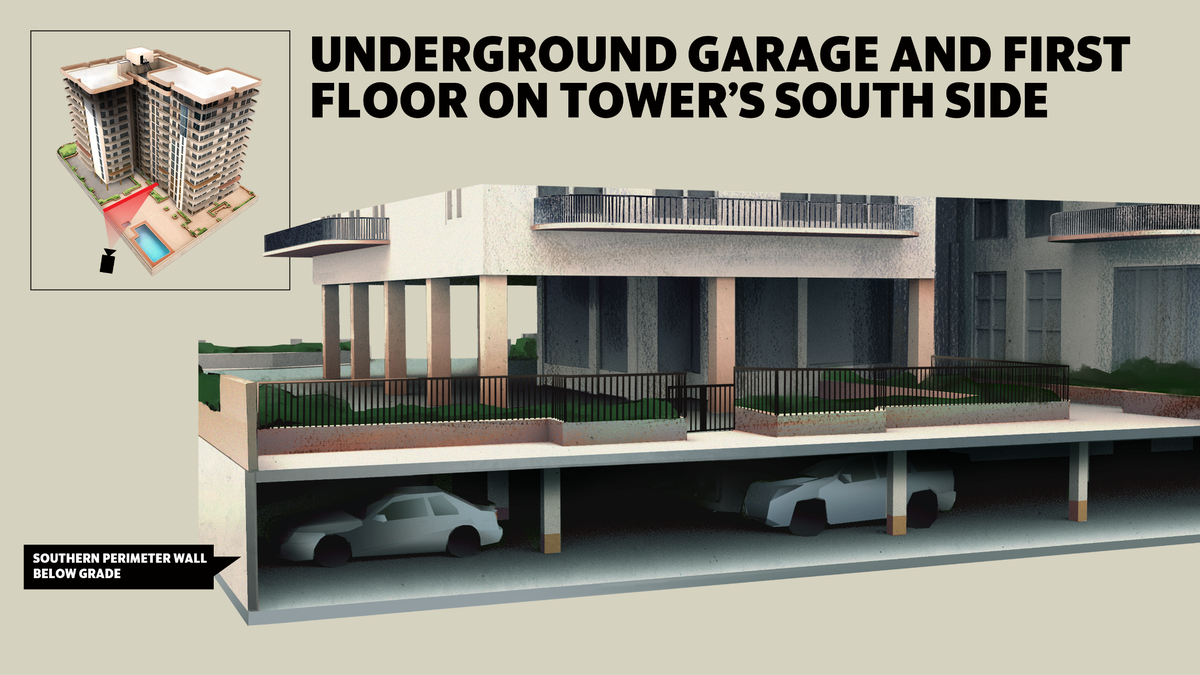
Court records show Lopez didn’t know about the structural wall near the work they were doing. He swore under oath that he had never been given an engineering report detailing the structure next door.
If he had been given a copy of the pre-condition survey of Champlain South, performed in January of 2016 by an engineer for Eighty Seven Park, Lopez would have seen photos of step-cracking in the concrete-block privacy wall, a warning sign of a structure under stress at its foundation. The report also included some pictures from the condo’s underground garage, where cracks in the ceiling — which served as the underside of the pool deck — were common and the foundational wall was clearly visible.
But even with that survey in hand, neither of the men on the site could have known just how precarious the situation was next door.
“There’s only so much anyone can see with the naked eye,” Pacitto said. “Unless you start doing radar surveys or X-rays, you’re not going to be able to see what’s going on from outside the concrete.”
An extensive review of building plans and conditions observable only after the collapse revealed the truth: Champlain South was a house of cards, so poorly designed and constructed that the Herald’s engineering consultant, professor Dawn Lehman at the University of Washington, said it was “amazing it stood as long as it did.”
For 40 years, the equilibrium of the structure depended heavily on the pool deck’s connection to the foundational perimeter wall at the southern edge of the property, right where Lopez was driving sheet piles on March 10, a complex computer model built by Lehman and a team of graduate students showed.
“What our model shows is that that perimeter wall and its connection to the slab — the pool deck — was critical in terms of the stability of the building,” Lehman said. “And any damage to that connection could be the initiation of long-term instability.”
During the initial phases of the collapse, minutes before the tower fell, the pool deck slab broke away from the perimeter wall, in some places shearing off and in others pulling entirely off the top of the wall, a Herald investigation found. Lehman’s computer model showed the loss of that connection was enough to spread damage across the deck and into the tower around 100 feet away.
Photos taken of the broken connection after the collapse show indications of water intrusion and pre-existing damage along the slab-to-wall connection, Lehman said.
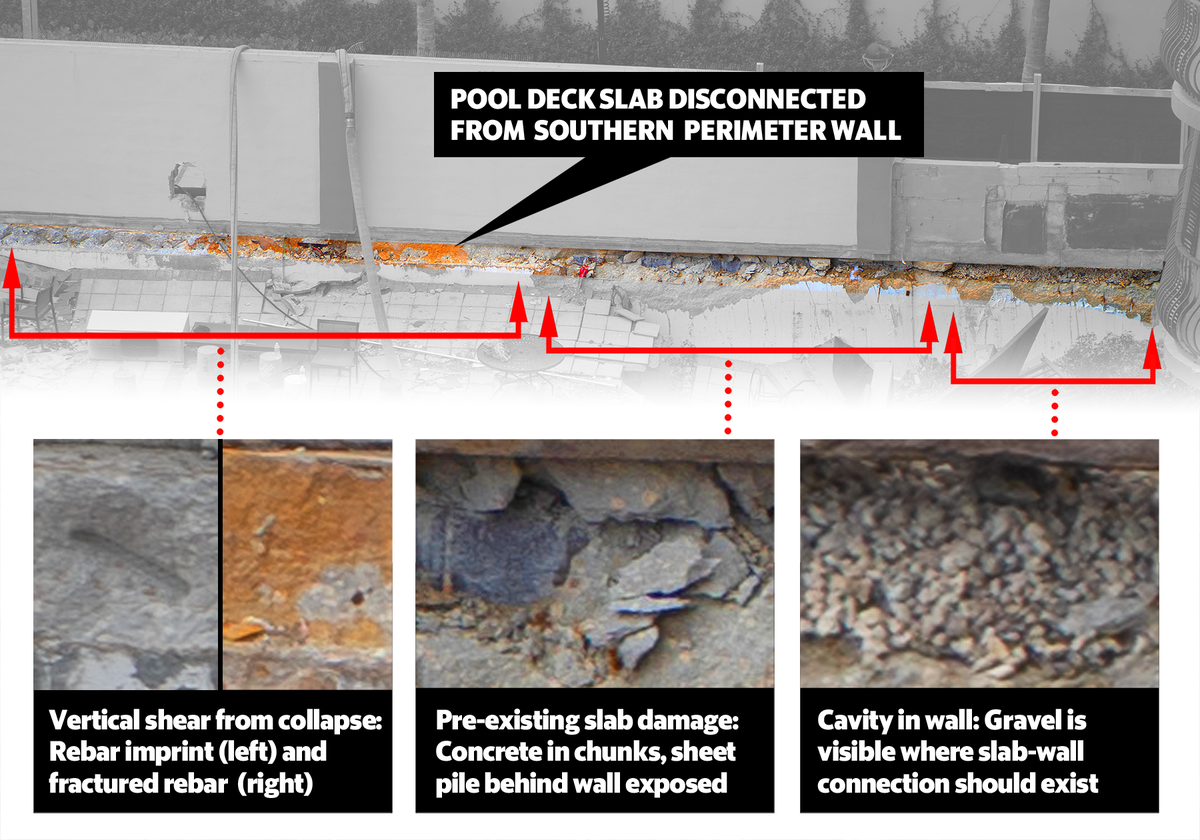
Vibrations at the levels recorded during pile driving should not have caused any damage to a well-designed, well-reinforced connection between the slab and wall, said Shankar Nair, a structural engineer with more than 50 years of professional experience.
But building plans and photos of the connection show it wasn’t robust or properly reinforced with steel hooking from the slab deep into the wall, Nair said.
“If the slab is just sitting on the wall without a good connection, then that opens up all kinds of possibilities,” he said. “That makes the wall much more vulnerable to this kind of damage that normally would not have been a problem.”
Nair said even low levels of vibrations could have snowballed with the other problems along the perimeter wall.
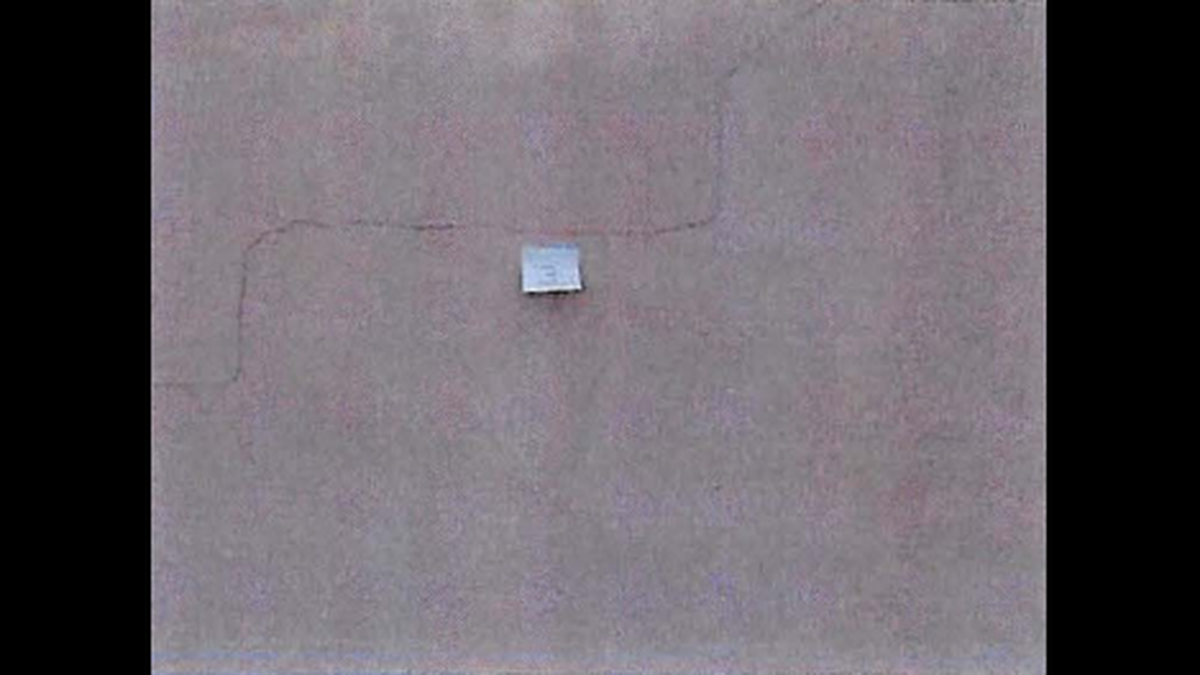
To predict what level of vibration could cause damage requires data on the soil and rock composition in the ground where piles are being driven, said Roberto Leon, a professor of structural engineering at Virginia Tech University. Hard ground tends to mean more vibrations, but it isn’t that simple.
“This is a complex problem because of the very different materials that are [in the ground] ... [Soil composition] has a very large impact on how the waves reflect and refract,” Leon said.
READ MORE: Seven Minutes to Collapse: The last stand of Champlain Towers South
And at Champlain South, there were other complicating factors.
Champlain South’s foundational perimeter wall had been built against its own sheet piles, driven 40 years ago. The steel sheets could have either provided some protection for the structure during Eighty Seven Park’s pile driving or transferred the vibrations directly into the structural wall, depending on their placement and ground conditions, engineers interviewed by the Herald said. (The slab-to-wall connection sat at least partially above the level shielded by the piles.)
Champlain’s sheet piles could have also reflected vibrations from Eighty Seven Park back at the seismographs if they were placed directly against the steel, potentially causing less accurate readings of vibration conditions at the wall, said Pacitto, who uses similar monitors on his own job sites.
Years of complaints
Problems from the vibrations were one of a series of complaints about construction along the Champlain property line.
In April 2016, Zarco, the attorney for the condo association, sent an email to the developers accusing the construction crew of undercutting the privacy wall, according to court records. At the time, the construction crews for Eighty Seven Park were working along the same part of the wall that failed years later, Zarco told the Herald in a recent interview.
Thomas, the attorney for the developers, said Zarco was “flatly wrong.” He said Eighty Seven Park had been digging post holes for a construction fence built directly up against Champlain South’s privacy wall at the time.
“The erection of a wood fence with metal posts did not cause or contribute to the partial collapse of [Champlain South] or cause any structural damage,” Thomas said.
The Herald reviewed dozens of photos from the time of construction. None showed clear evidence of any major damage to the portion of the connection between the foundational wall and pool deck slab visible below the privacy wall and above ground.
The allegations kept coming throughout the years.
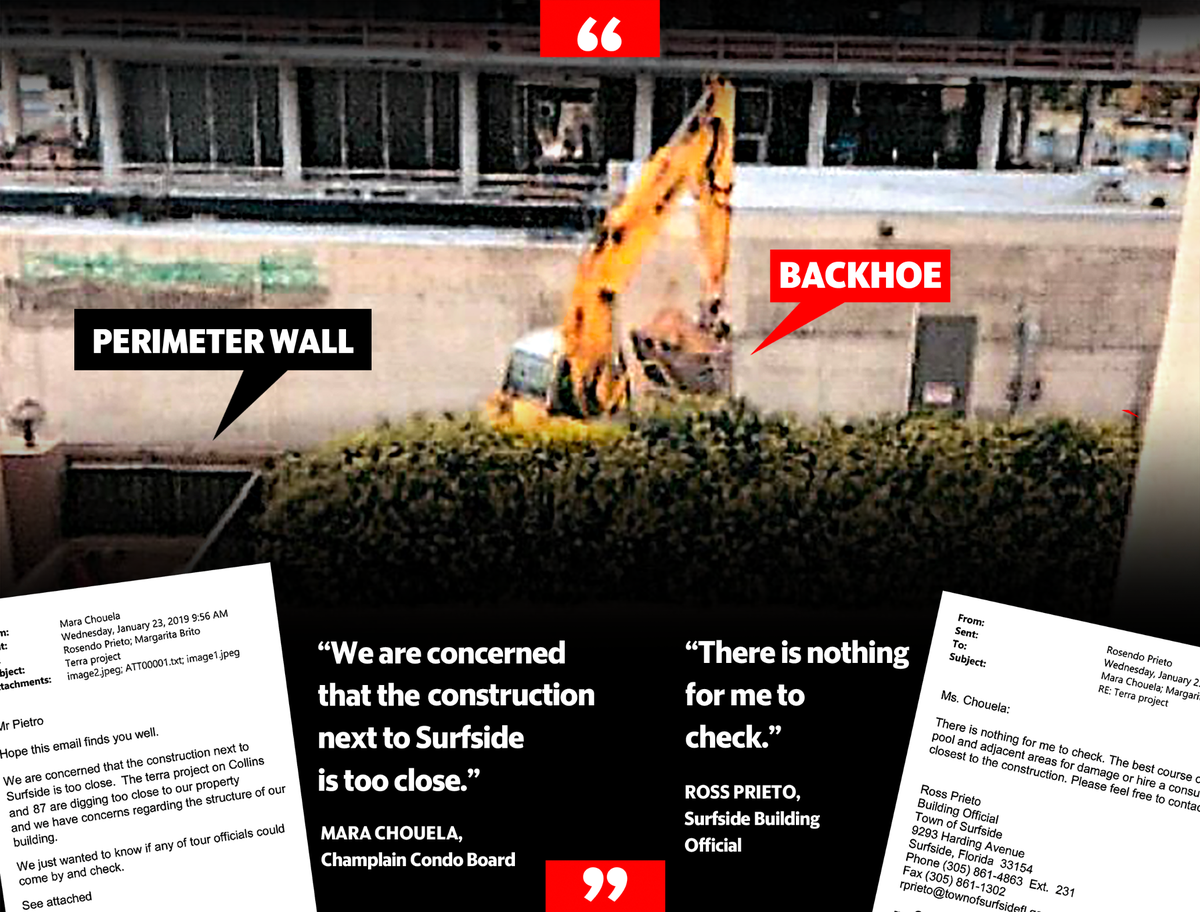
In early 2019, Champlain South resident Mara Chouela emailed Ross Prieto, the Surfside building official, to complain that Eighty Seven Park was “digging too close to our property,” causing “concerns regarding the structure of our building.”
She attached photos of a backhoe near the portion of the southern wall where the deck broke away a few years later.
And on at least one occasion during construction, Eighty Seven Park’s equipment scraped against the outside of the non-structural privacy wall, damaging it, according to an inspection by Frank Morabito, an engineer contracted by the Champlain South condo association. His report also included a picture of a gap in the concrete below the privacy wall, but experts who reviewed the photo said it was unclear whether the damage was to a structural element or simply cosmetic.
“This damage could have been a contributing factor,” said Leon, the Virginia Tech professor. “But until we know the extent of the damage and whether it was inspected and quantified, it’s too early to tell.”
This story was originally published April 18, 2022 at 1:30 PM with the headline "‘[Bleep] that wall,’ contractor said when vibrations near Surfside condo got ‘too high’."