Surfside became known for deadly condo collapse. Now the town looks to champion reforms.
READ MORE
Reforms after Surfside fall short
Condo reform efforts have gone cold in Tallahassee, but the class-action suit over Champlain Towers is heating up — including a startling statement by the head of a construction crew that worked next door.
Expand All
![‘[Bleep] that wall,’ contractor said when vibrations near Surfside condo got ‘too high’](https://www.miamiherald.com/public/latest-news/1f6jcb/picture256010142/alternates/LANDSCAPE_1200/Photo%20Jun%2030,%209%2036%2029%20AM.jpg)
‘[Bleep] that wall,’ contractor said when vibrations near Surfside condo got ‘too high’
After Surfside collapse, Miami-Dade drafts reforms that fall short of recommendations
Surfside became known for deadly condo collapse. Now the town looks to champion reforms.
Episode 7: ‘My pain is unbearable.’ Inside the courtroom fight over the Surfside tragedy
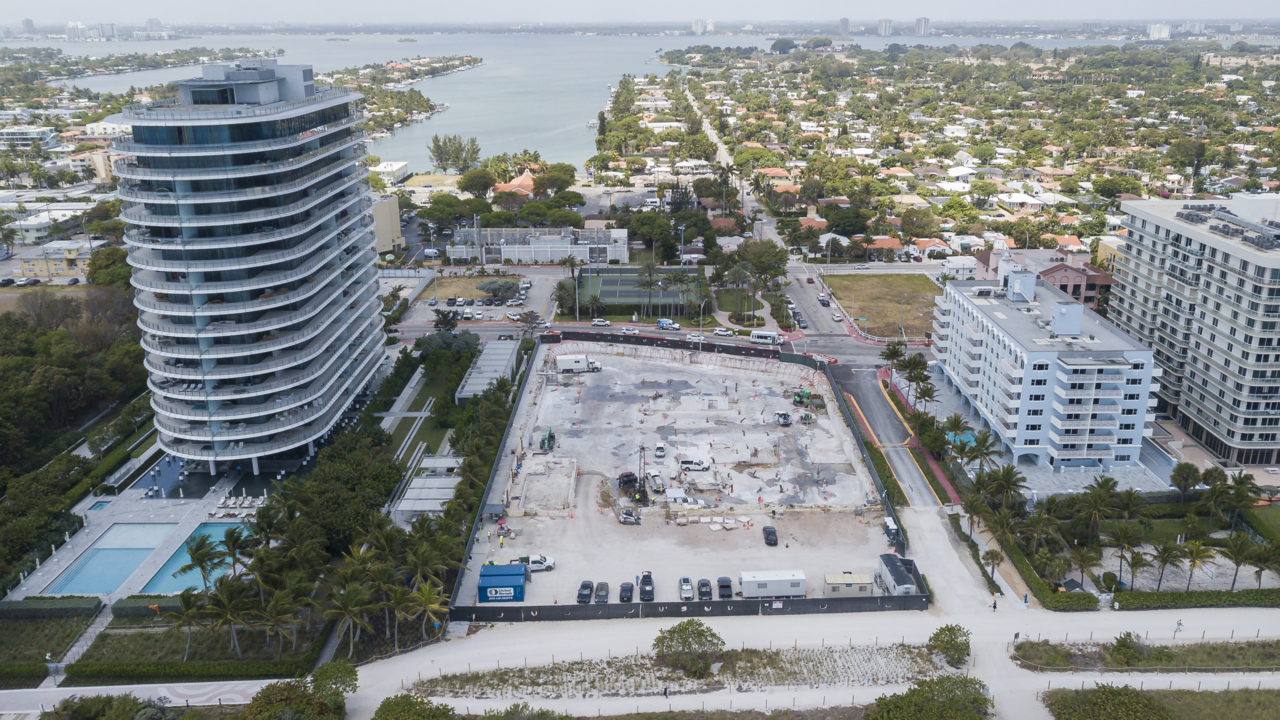
Local and state leaders ask DeSantis to add condo reform to special legislative session
When the Champlain Towers South condo in Surfside partially collapsed without warning last June, the town instantly became known worldwide as the site of an unthinkable tragedy.
But now, town officials hope Surfside will also be remembered for something else: taking a leading role on condo safety reforms even as state lawmakers failed to act.
Days after the June 24 collapse, Surfside’s newly minted building official, Jim McGuinness, just two months into the job, was drafting a response: to shorten the 40-year recertification requirement for large buildings to a 30-year one. He coined a slogan: “Don’t wait, accelerate.”
McGuinness also changed the period of notice — stipulating that building officials should notify condo associations when they are two years out from the 30-year recertification.
READ MORE: After collapse, Miami-Dade drafts reforms that fall short of recommendations
“I feel like I was brought here to be the light, and be part of that solution,” McGuinness said in a recent interview. “And we stepped up into that expectation in a big way.”
McGuinness said that the policy, which has already been implemented in Surfside and will pull two additional buildings into the recertification process, represented a “tremendous success.” To that end, he scrawled “Victory!” in black sharpie over the text of Miami-Dade County’s own version of the ordinance, which will be discussed at a public hearing Wednesday.
A package of reforms at the county level also includes the two-year advance notice provision that Surfside enacted. After the Florida Legislature punted on its own slate of condo reforms earlier this year, South Florida’s patchwork of local governments has been left to take the lead — although engineering experts are concerned that even the Miami-Dade changes don’t go far enough.
The Surfside town commission implemented other reforms after the collapse. One of them recommends — but does not require — geotechnical testing to better understand buildings’ below-ground conditions. It is also now requiring vibration monitoring for new construction to measure potential impacts on neighboring buildings, which was alleged by victims of the Surfside collapse to have been a factor.
Still, those measures were watered down from their original form, said former Commissioner Eliana Salzhauer. The geotechnical testing recommendations, for example, were originally proposed as requirements, she said.
Salzhauer has raised concerns about ongoing civil litigation over the collapse, saying she fears the parties will all reach settlements, as several already have, and no one will be held accountable.
“This is a market-driven, you’re-on-your-own, buyer-beware business environment,” Salzhauer said. “No one is coming to save you.”
Surfside officials have tried to be proactive since the shocking collapse that left 98 people dead, including hiring engineer Allyn Kilsheimer to investigate what caused it. But the process has hardly been smooth in a town government rife with dysfunction and infighting.
Kilsheimer is still investigating. A receiver for the Champlain South condo association granted him permission to test materials from the collapse site. But a newly elected mayor, Shlomo Danzinger, said in a recent interview that deciding whether to continue paying for the investigation would be a “very hard decision” given his desire to spend conservatively.
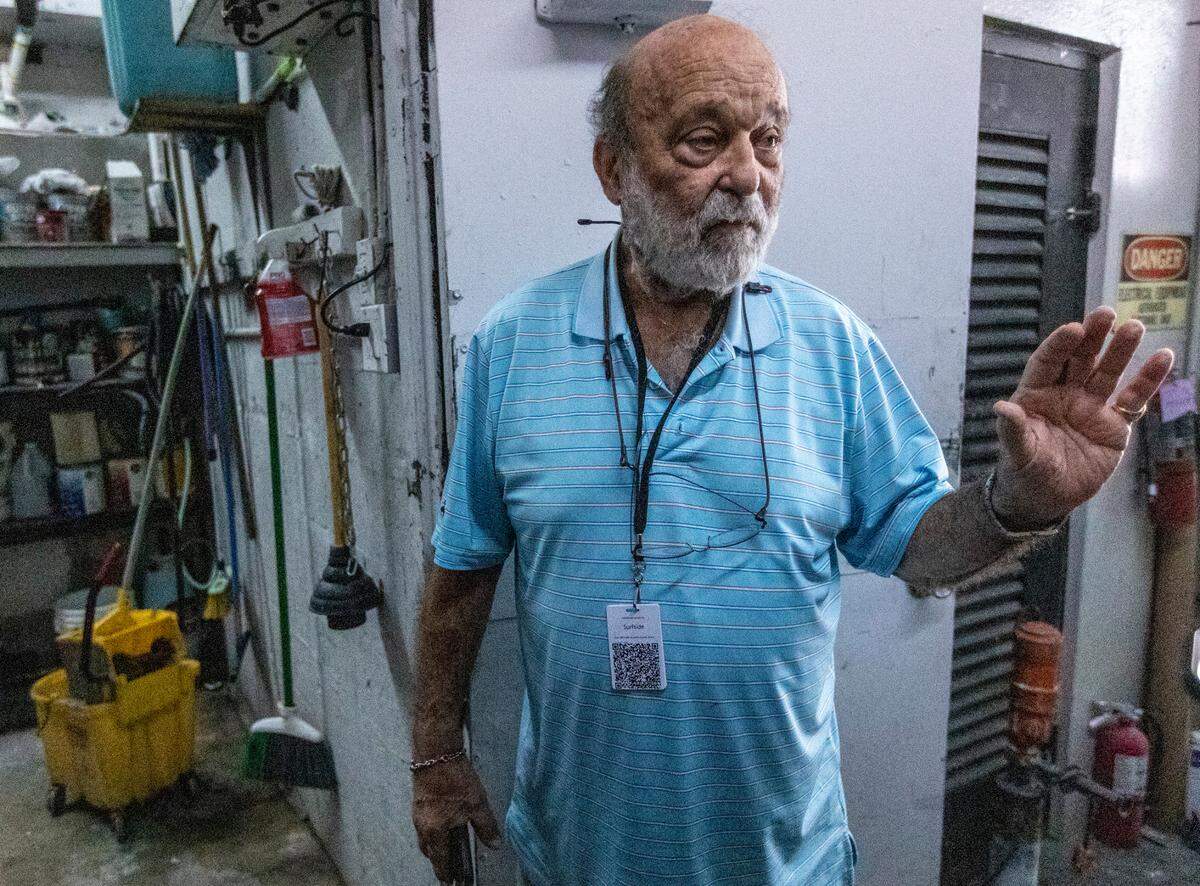
Meanwhile, local governments around Miami-Dade have been hesitant to enact changes that go beyond county-level steps.
“It’s important for our [municipal] building codes not to be so different when you’re talking about big issues like safety and engineering,” said Gabriel Groisman, the mayor of Bal Harbour Village, which borders Surfside to the north and has a similarly situated cluster of residential high-rises on the coast.
Groisman lauded the changes to recertification requirements, but said the first checkpoint should be as early as 20 years in. He added that it would be “prudent to require the condominium associations to have a non-waivable reserve” for structural repairs, one of the issues state lawmakers failed to address.
While state and local public officials were being rightfully careful, Groisman said, he stressed that “Hurricane Andrew level type changes definitely need to happen” — a reference to the sweeping building code reforms enacted after the 1992 storm.
“No one really thought a building could fall like this,” Groisman said. “But now that that has entered the equation as even a remote possibility, policy makers have an obligation to make changes and make it safer.”
Miami Herald staff writer Martin Vassolo contributed to this report.
This story was originally published April 12, 2022 at 4:29 PM with the headline "Surfside became known for deadly condo collapse. Now the town looks to champion reforms.."