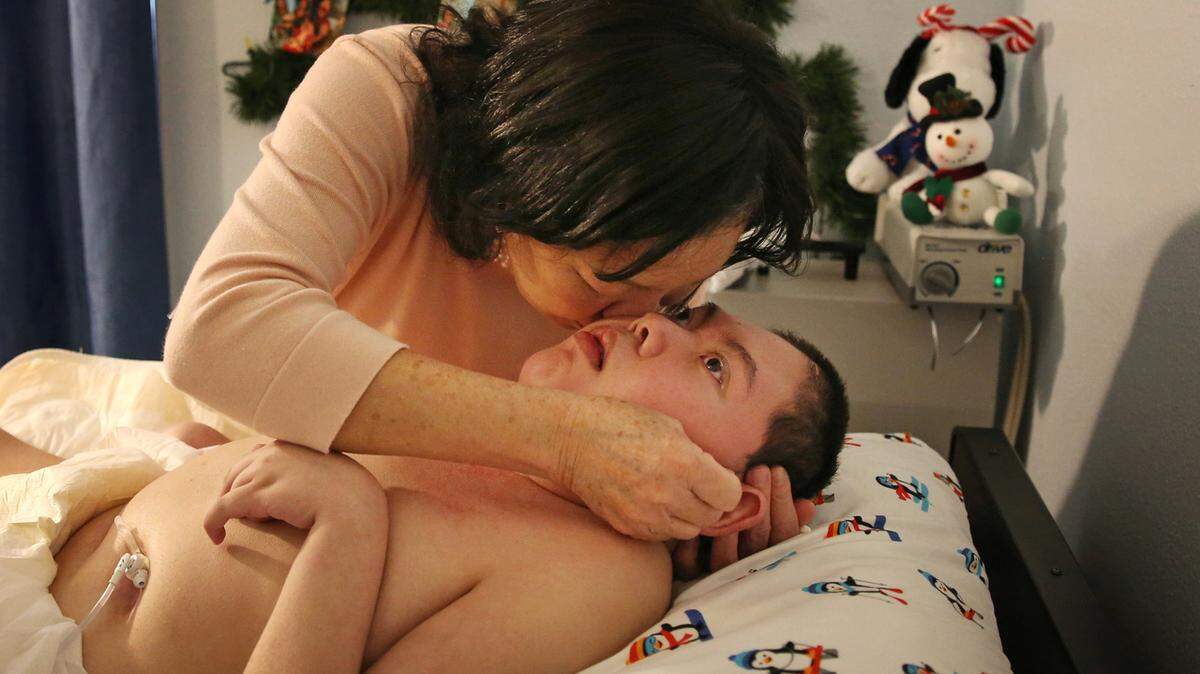
After 33 years, parents of brain-damaged kids get to express disgust with Florida program
READ MORE
Birth and Betrayal
A Florida program designed to protect OB-GYNS from huge malpractice bills deprives families of their right to sue in the event of a birth gone terribly wrong. It provides a one-time payment and promises to cover lifetime medical expenses. Some hard-pressed parents report a bureaucratic nightmare that’s anything but supportive.
Expand All
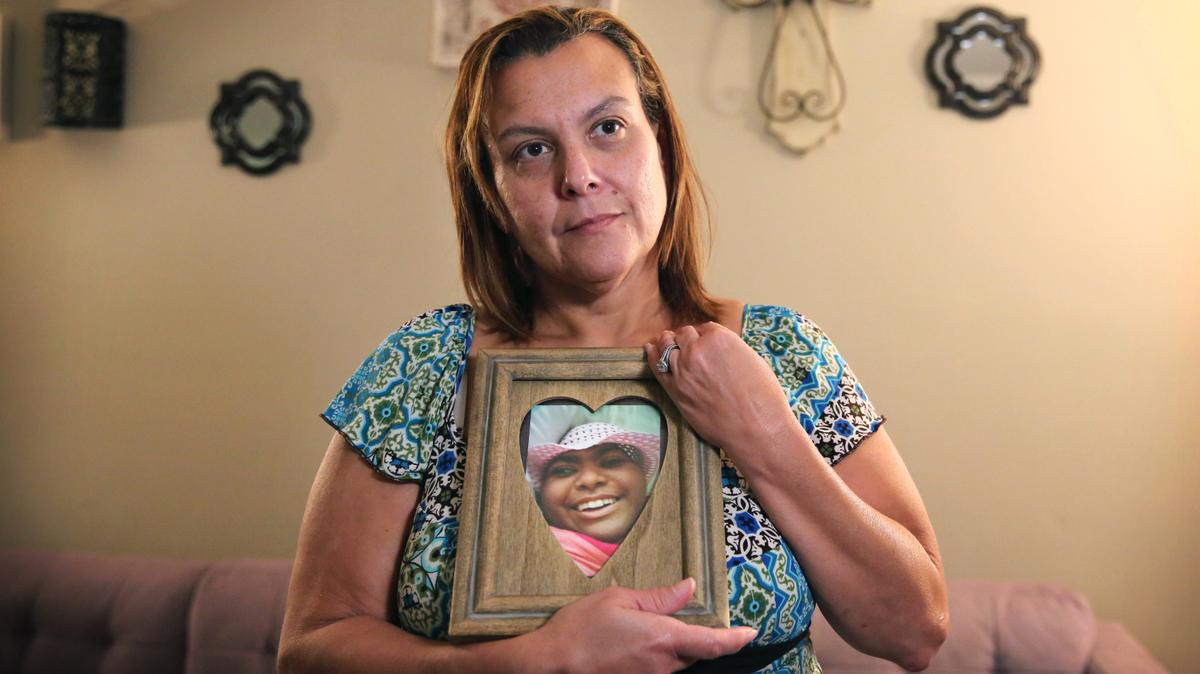
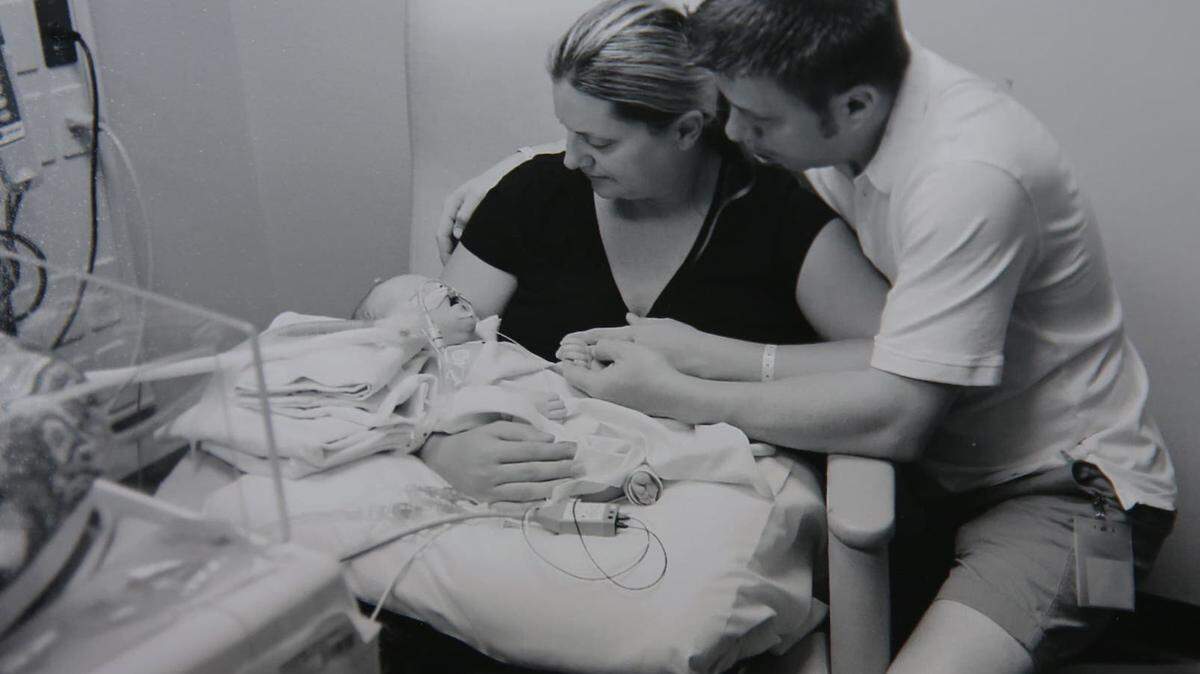
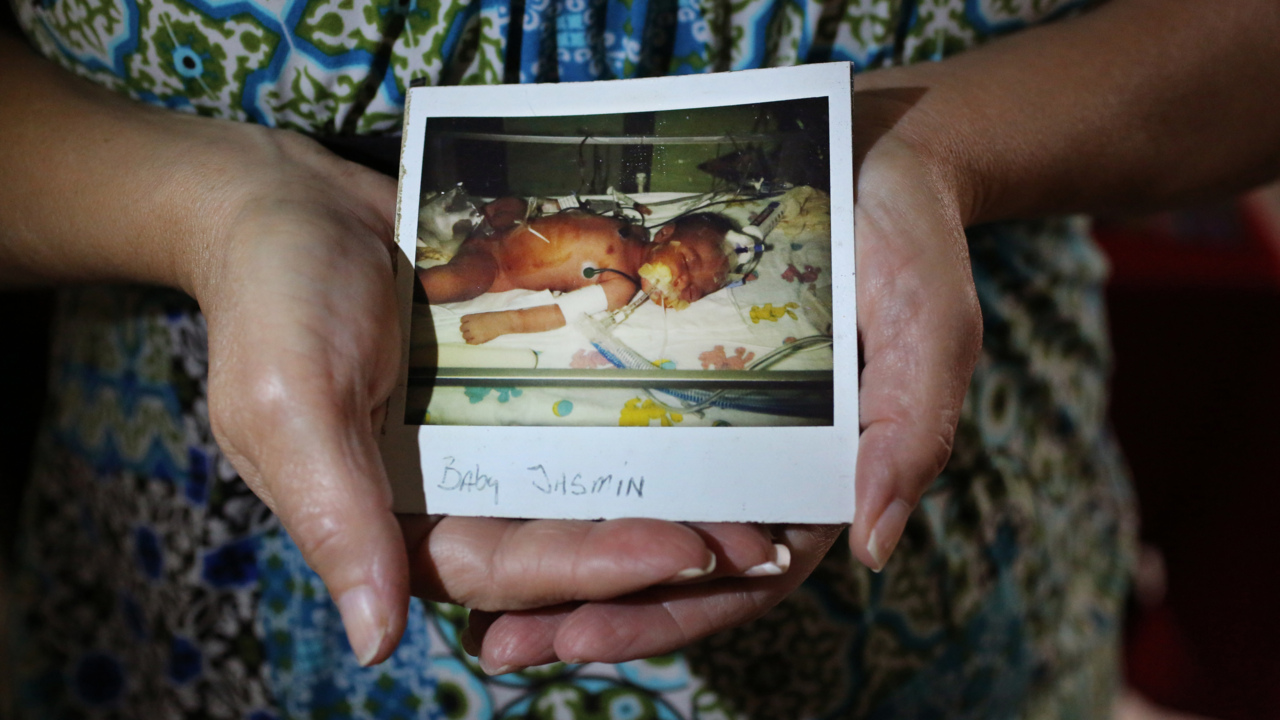
The parents of children born with catastrophic brain damage who were stripped of the right to sue were offered a measure of consolation Thursday for the first time in more than three decades: They were given the chance to speak.
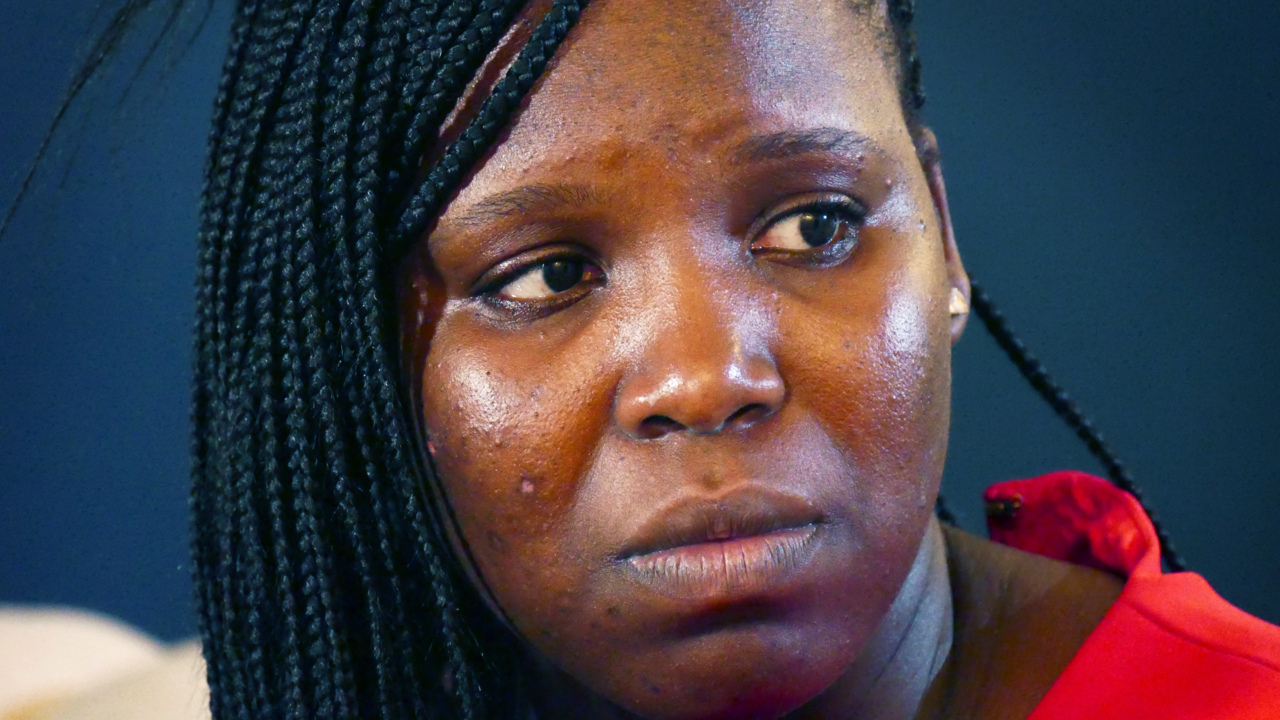
About a dozen mothers and fathers addressed the administrators and governing board of Florida’s Birth-Related Neurological Injury Compensation Association, or NICA, at a meeting held via the internet. Many of the parents said they had suffered silently for years as the program fought over benefits that could have relieved the considerable burden on the children and families NICA served.
Florida lawmakers created NICA in 1988 to immunize obstetricians from the consequences of births that go tragically wrong. Doctors had complained that high medical malpractice premiums were making it difficult for them to practice in Florida. The NICA law forbids parents from suing when children are born with catastrophic brain damage, and channels them into the NICA program for “medically necessary” and “reasonable” healthcare.
But starting in April, the Miami Herald, in partnership with the investigative newsroom ProPublica, published a series of stories showing that NICA had amassed nearly $1.5 billion in assets while parents struggled to pay for such things as wheelchairs, feeding tubes, medical supplies, therapy and nursing.
The investigation, called “Birth & Betrayal,” detailed how NICA administrators sometimes spent thousands of dollars in legal fees to avoid spending hundreds to care for a disabled child. Several parents said they had been “nickel-and-dimed” by leaders who appeared more concerned with their financial ledger than the lives of children.
Though NICA’s board meetings have been open to the public, Thursday’s meeting marked the first time since the program’s inception that parents joined en masse to share their lived reality with its leaders.
“Dealing with NICA is extremely frustrating and stressful,” said Ashley Hammer, the stepmother of 19-year-old Brennan Hammer. “We didn’t get to choose the way our children were horrifically brought into this world. We fight every day to keep them alive and happy. We shouldn’t have to fight for the benefits which have been promised — and are owed to — NICA children and their families.”
NICA Executive Director Kenney Shipley, who announced her resignation Wednesday but was present at the meeting, offered Hammer $2,500 in NICA funds last year to help defray the costs of a guardianship the family needed to protect Brennan when he reached adulthood. Hammer consulted a local attorney.
“After he laughed at me, he stated it was nearly impossible to complete such a guardianship within that budget,” she said.
But Shipley wouldn’t budge, she said, and the family paid $7,500 out-of-pocket in legal fees. “Kenney stated, and I quote, ‘I should be thankful for the amount we did receive, as guardianships aren’t medically necessary,’ ” Hammer told the NICA board.
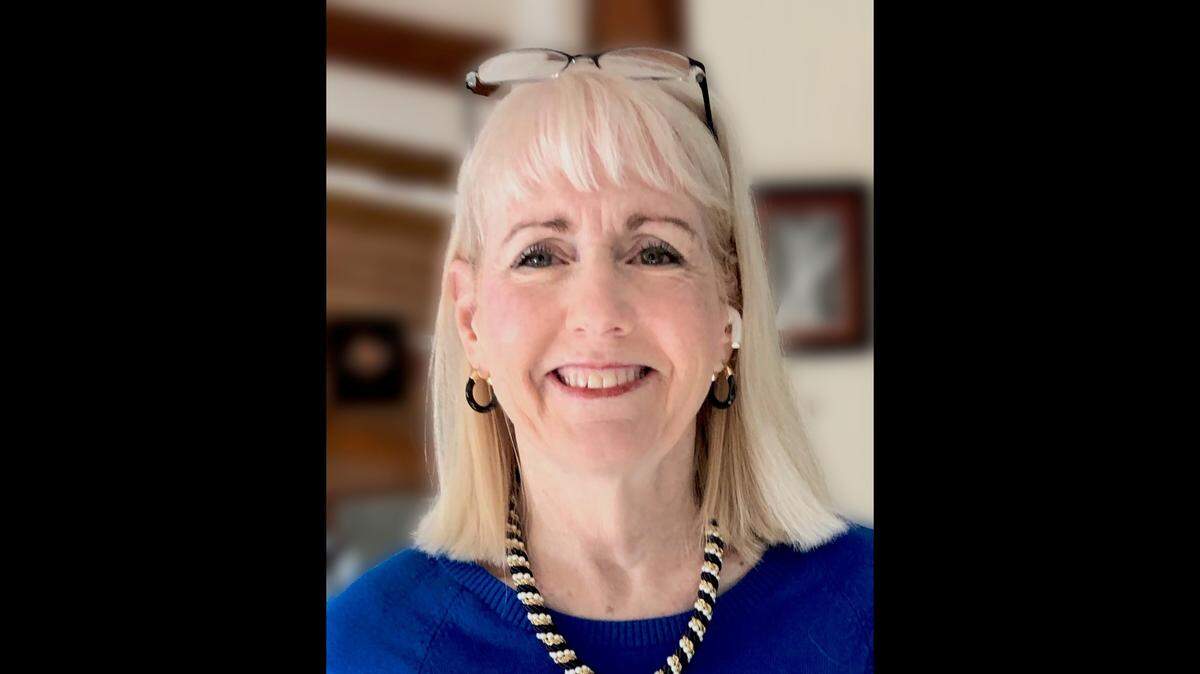
Hammer said that when Hurricane Irma struck in 2017, she asked NICA to cover the costs of a hotel room as the generator the program supplied could not even power air conditioning, causing the boy to have heat-induced seizures. “Brennan needed air conditioning,” Hammer said. “His life depended on it. Kenney denied our request, stating NICA already reimbursed a generator.”
“There is no monetary value you can put on what these children and families have lost,” Hammer said. “Nor can you put a value on what they have and will miss out on. My child will never walk, never talk, never fall in love. He will never marry. He will never have children — among other milestone celebrations most families get to experience.”
“I once asked Kenney, ‘At what point do you get off of your high horse and become an advocate for these children and their families,’ and her answer was ... ‘That isn’t NICA’s place. NICA is here to provide [protection] for doctors.’ ”
Thursday’s was the first NICA Board of Directors meeting since lawmakers — responding to the Herald’s and ProPublica’s reporting — overhauled the state law governing the 33-year-old program. Among other things, the Legislature provided $10,000 in mental health benefits, required NICA to ensure participants have reliable transportation and set aside $100,000 for families to make their homes accessible for special needs.
For the first time, the board — which previously had been dominated by representatives of the healthcare and insurance industries — included a parent served by NICA, Renee Oliver, and an advocate for children with disabilities, interim Chairman Jim DeBeaugrine. He is a former director of the state Agency for Persons with Disabilities and cares for a disabled family member.
“We are always reminded of why we exist,” DeBeaugrine told the board. “The family member who serves on the board will make sure we never forget that.”
The recreated board approved three policy changes Thursday that Shipley suggested: reimbursing families for home renovations they paid for out-of-pocket before the legislative reforms, continuing to pay families for caregiving while children are hospitalized, and expanding compensation for families that have difficulty with transportation expenses for a disabled child.
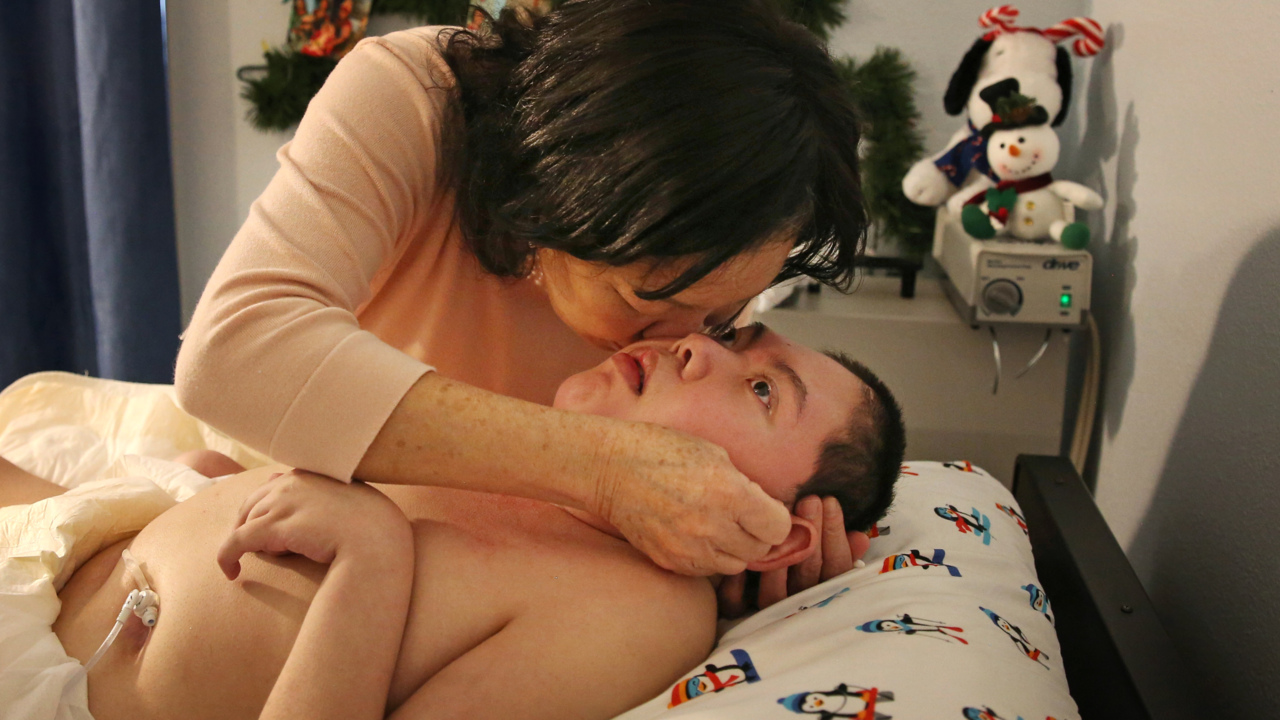
Jackie Amorim’s daughter, Vera Sophia Haggenmiller, was born April 5, 2018, and accepted as a NICA participant in May of the following year. Amorim told the board Thursday that many parents depend on the salary NICA pays them to provide in-home nursing and caregiving, as caregiving demands forced them to abandon jobs and careers.
_fitted.jpeg "Vera 1 (2)_fitted.jpeg")
But when their children are hospitalized, the paychecks cease — even though hospitals rarely are able to provide the level of care such children require — leaving families in a financial hole. The policy effectively “penalizes” the families whose children are the most fragile, she said.
Children like Vera “cannot express pain, cannot call for help, and cannot push the call button” for a nurse, she said, making it impossible for families to leave their children behind in the hospital. “It’s traumatic to be in the hospital,” she said. “This is a horrific policy to me.”
But when Amorim and other parents asked for relief “we were just treated as if we were complaining.”
“So many of us didn’t want these lives that are so hellish on a daily basis,” she said.
Like other parents, Michelle Perez shed tears when she described the difficulty some NICA parents experience just submitting invoices and other paperwork. “It’s not just the time away from our families, but the time away from our [disabled] child,” she said. “And that’s not fair.”
“We’re looking to make these things easier, and more straightforward,” DeBeaugrine responded. “It’s a worthy goal of ours.”
The older sister of NICA participant Justin Nguyen, whose birth injury left him profoundly impaired, was visibly angry when she told board members that Shipley and NICA had “made our lives pure hell” during the two decades the program has served her brother.
“You need to find somebody who actually cares and is compassionate instead of using families,” 31-year-old Jennifer Pham said to the board.
She then addressed Shipley directly: “I’m damn glad to see you gone.”
Shipley, whose resignation letter praised the devotion of parents and caregivers, sat silently through the parental rebukes. She will keep her title while spending part of the next few months on leave. Her formal exit is in January.
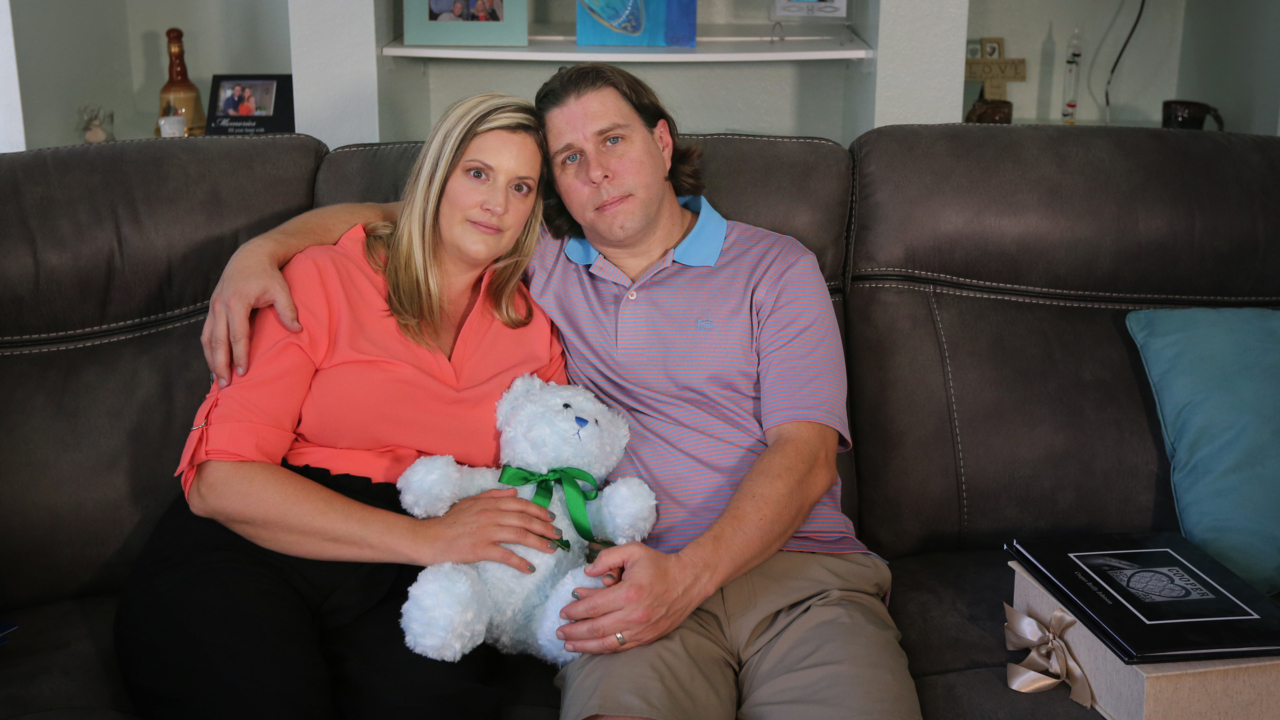
Three parents of children who died said the state had victimized them all over again by excluding them from the $150,000 supplement approved by the Legislature in April.
“I am overjoyed that parents are finally getting their voices heard, said Sherri Cruz, whose son, Mateo, lived for 15 hours before being pronounced dead on Oct. 26, 2018. “It is noteworthy,” she added, “the amount of people who do not feel they are being equally treated.
“This feels like a different victimization,” Cruz said.
Added James Johnson, whose son Cooper was born and died in June 2017: “We don’t get a chance to be a voice for our child.”
This story was originally published September 16, 2021 at 8:07 PM with the headline "After 33 years, parents of brain-damaged kids get to express disgust with Florida program."