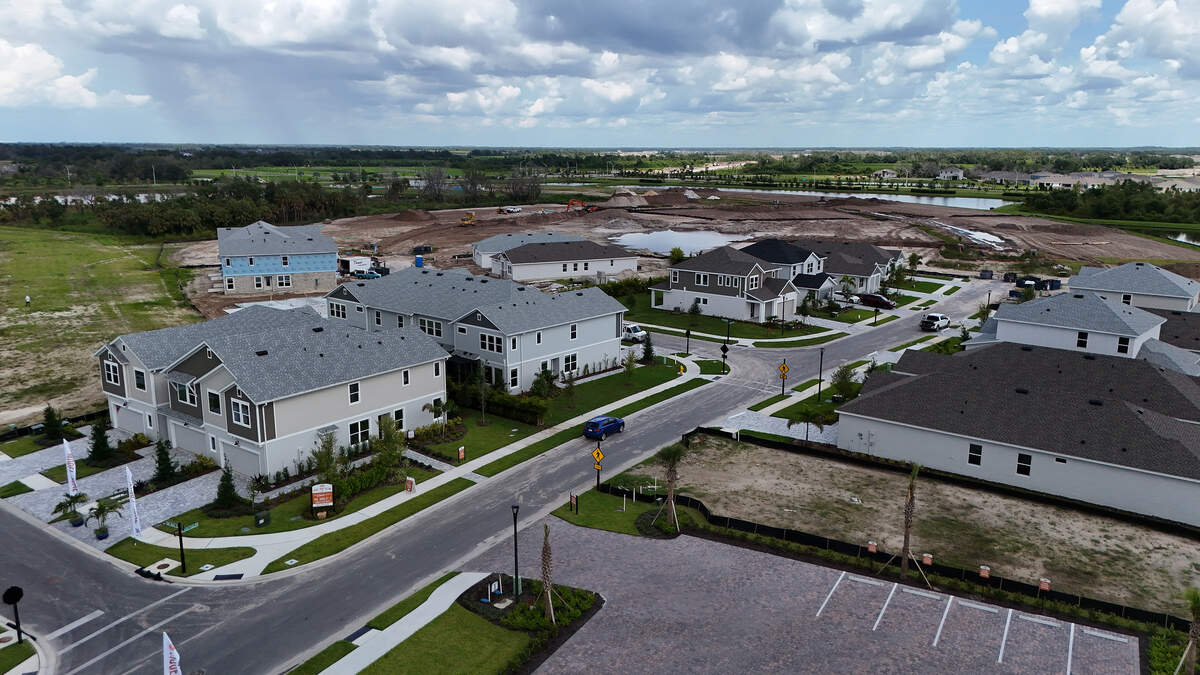
Manatee County in a legal fight with developers. Over $14 million is at stake
A year after Manatee County leaders said they would charge developers more to pay for the impacts of growth, over $14 million remains frozen in a high-stakes legal battle.
In June 2025, the Board of County Commissioners approved an increase in the county’s impact fees to the maximum allowed by state law. The one-time fees collected from developers help expand EMS and law enforcement services and pay for infrastructure like new roads, sidewalks and bike paths, parks and recreation facilities and libraries.
The impact fee hike found support among residents who said that rapid development was straining local infrastructure and lowering their quality of life, pointing to issues like traffic congestion, increased flooding and environmental damage.
Developers pushed back, arguing that the county was unfairly targeting their industry and would drive up the price of homes for buyers.
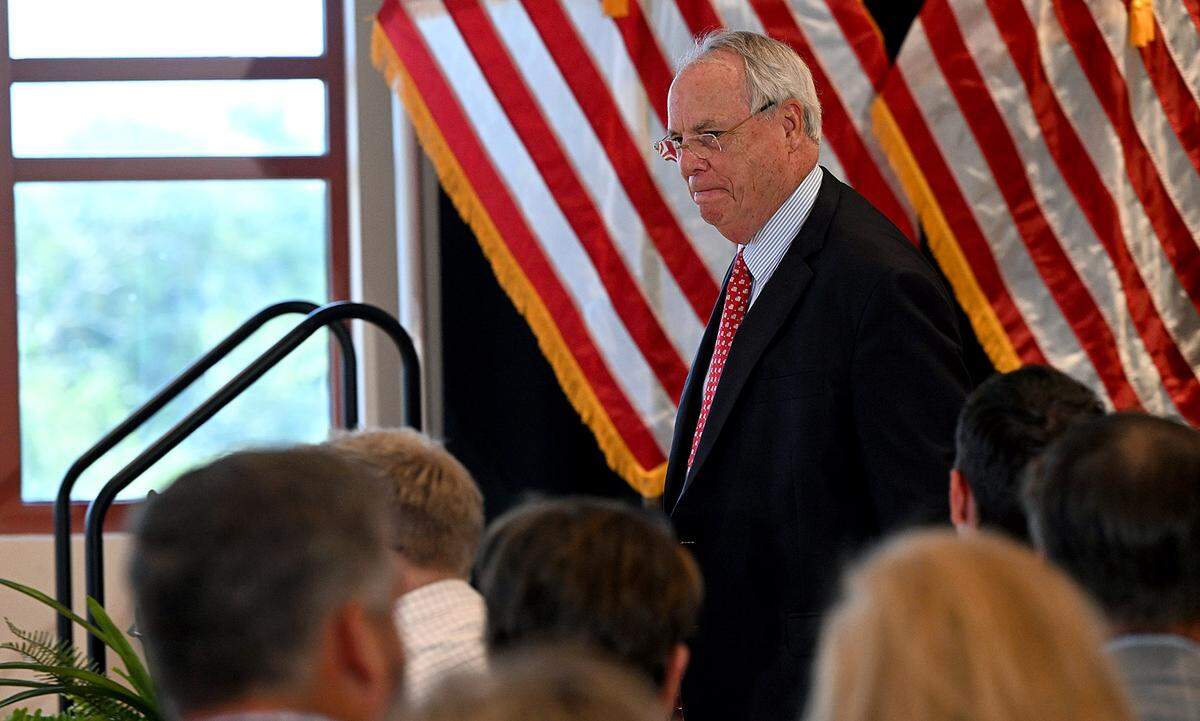
“We kind of feel ... that you’re punishing the building industry,” developer and former state lawmaker Patrick Neal told commissioners at the time. “We ask that you be careful with what you do.”
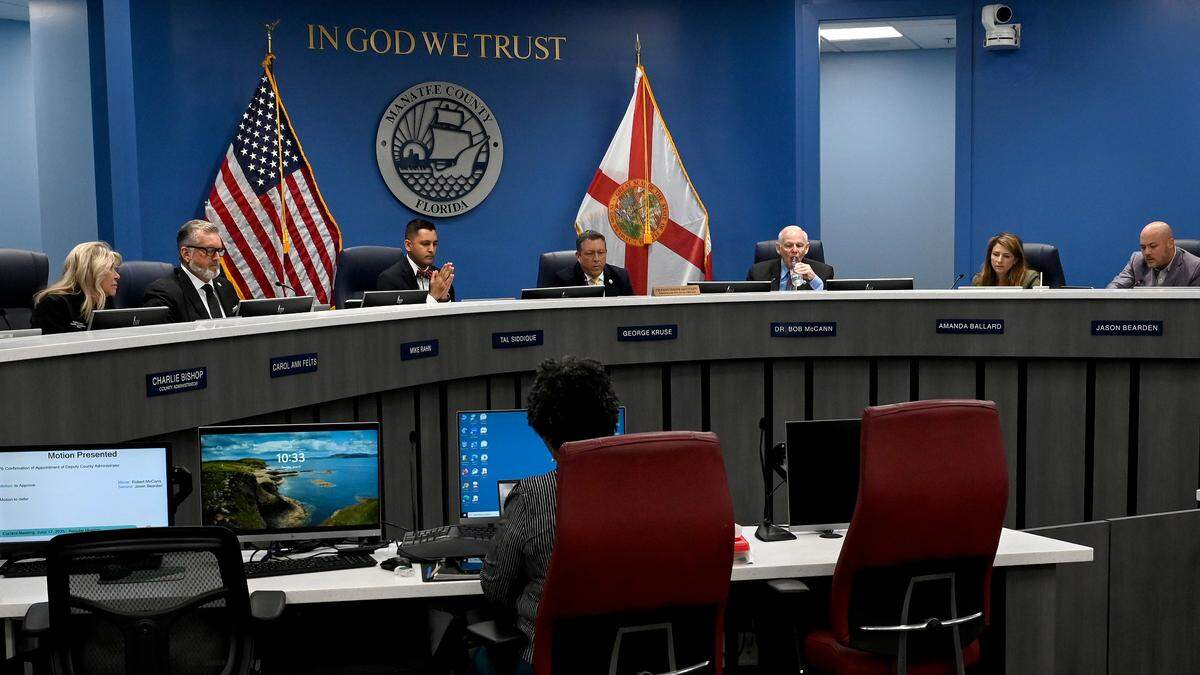
When commissioners went through with the increase, a newly formed nonprofit called the Freedom Housing Alliance immediately sued. State records list Neal and developers Carlos Beruff, Jon Mast and Wilhelm “Willy” Nunn as directors of Freedom Housing Alliance.
Mast is the same local builder that successfully advocated for the controversial reduction of Manatee County’s wetland protections in a series of behind-the-scenes exchanges with county officials in 2023. Earlier that year, commissioners briefly considered installing Mast as the county administrator.
“...Infrastructure capacity is the result of long-term public planning and investment, and the building and development community should not be held financially or legally responsible — or singled out to bear the consequences — for shortcomings that stem from decisions made years, and often decades, before many projects were proposed or approved,” Mast previously told the Herald.
Later, Neal also joined the impact fee lawsuit as an individual co-plaintiff. Aqua One Builder Inc., a company overseen by Beruff, joined at the same time. Beruff, the developer of thousands of homes in Manatee County, has a history of legal challenges against county policies regulating building, including wetland protections.
Their lawsuit claims the impact fee increase violated a state law known as SB 180 that prevents local governments from passing “more restrictive or burdensome” regulations after hurricanes.
Neal and Beruff did not respond to requests for comment, while Manatee County Government declined to comment on the specifics of the case.
Developer lawsuit threatens Manatee County’s impact fee plan
While the new impact fee rates went into effect in September, the lawsuit has prevented the county from spending the extra revenue.
County officials told the Bradenton Herald that the funds are being collected and held in escrow until the legal case is resolved.
According to records obtained by the Bradenton Herald, the suspended funds total over $14 million, including millions slated for transportation upgrades and parks and tens of thousands for libraries, law enforcement and public safety.
Impact fees can only be used on capital projects and services that support new development. Those include roads, parks, swimming pools, public safety facilities and EMS services.
“Local examples of projects that may be funded through impact fees include the Premier Sports Campus, Parrish Community Park, the Gateway Greenway Trail, the 44th Avenue East Extension and other transportation, public safety and recreation projects that support a growing community,” a county spokesperson said in an email.
With a final decision in the case pending, a judge may soon decide whether the county has to refund some or all of the money — and potentially roll back its impact fee increase entirely.
Manatee County and developers face off in court
Neal saw an early victory in court when a judge granted a request to freeze the impact fee hike for his businesses while the case played out. An identical injunction request was denied for Freedom Housing Alliance and Aqua One Builder because the judge ruled that they failed to prove their status as Manatee County residents or business owners as required by state law.
However, Neal’s win came with a caveat — the judge ordered that he had to negotiate the terms of the injunction with the county, which requested that the developer post a $16.9 million bond to cover the lost impact fee revenue.
Arguing that such an amount was an “undue and unfair burden on any single Plaintiff,” Neal asked the court to pause the injunction. Instead, he filed a motion requesting a final judgment on whether the impact fee hike was legal.
Fate of Manatee’s impact fee increase in limbo
Meanwhile, county attorneys have argued that the local government has the right to raise impact fees under state law. They point to a 2025 study that show Manatee County faces “extraordinary circumstances” due to rapid population growth.
The county has also argued that since developers pass the cost of impact fees on to homebuyers, builders are not ultimately paying for the increase.
The county also successfully argued that Freedom Housing Alliance did not have standing in the case, and the group’s claims were dismissed. However, a judge allowed challenges from Neal and Aqua One Builder, Beruff’s company, to continue.
With no court order preventing it, Manatee County Government can continue to collect its higher impact fees.
However, pending the outcome of the case, the county could be forced to refund the collected fees. Manatee County officials say they are prepared for that possibility.
“These fees are being held in escrow and are allocated by specific infrastructure categories, such as parks, roads, and public safety. If a ruling were issued requiring their return, we would be prepared to refund the funds to those who paid them,” a county spokesperson said in an email.
The county and developers are also locked in a dispute over information in the case. The county has asked the developers to produce documents that show financial harm from the impact fee increase, but developers are trying to block that request.
Lawsuit highlights conflict between developers, local government
Manatee County’s impact fee hike was part of a wave of commission action to slow down rapid growth after residents elected a new majority to the board in 2024.
But state lawmakers grounded much of the board’s agenda with the passage of Senate Bill 180 in 2025. The hurricane recovery law includes controversial rules that block local governments statewide from putting stricter guardrails on development. It also gives home builders power to challenge local rules they don’t like.
In practice, the law has resulted in unprecedented state preemption over local planning, triggering a lawsuit by local governments and unsuccessful efforts by some lawmakers to roll back parts of the legislation this year.
In Manatee County, that has put several key parts of the commission’s agenda to slow development on an indefinite hold. It has also frustrated residents who want local officials to do more to slow down and control growth and protect the environment.
If a court rules that the county’s impact fee increase is also prohibited, it would erase one of the board’s only meaningful policy changes related to development since the 2024 election.