‘Oysters galore.’ Palmetto boosts local water quality with award-winning project
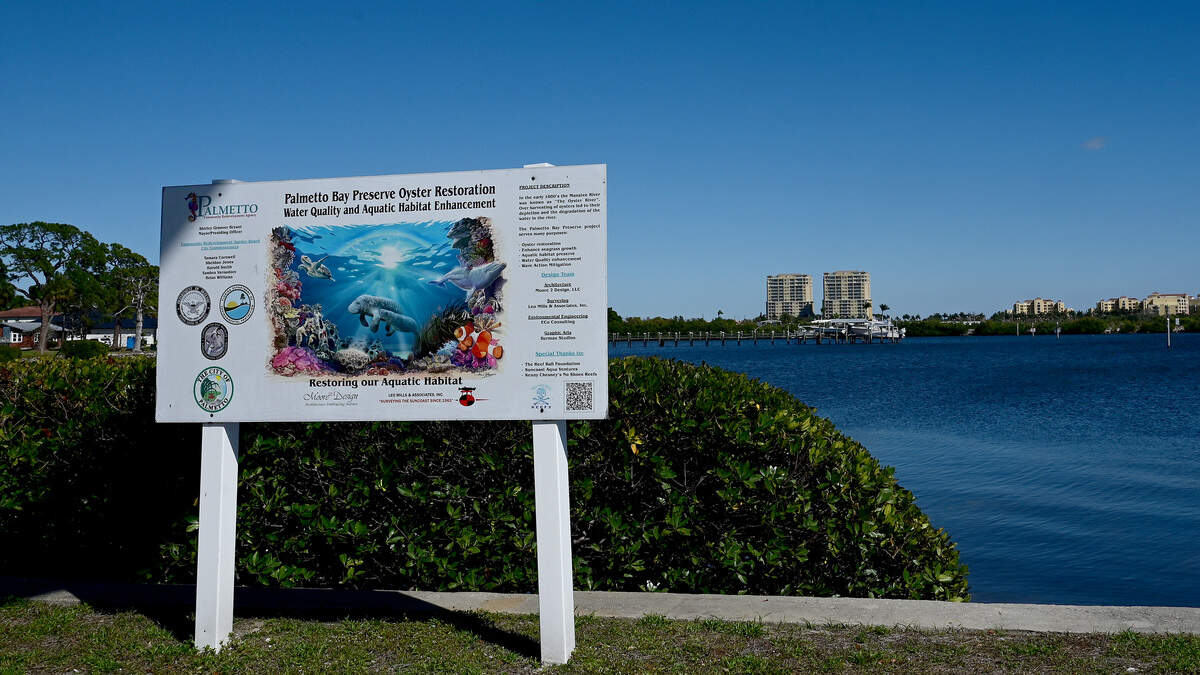
Over 300 reef balls off the coast of Palmetto are making significant progress toward improving local water quality and recruiting oysters in the Manatee River, officials say.
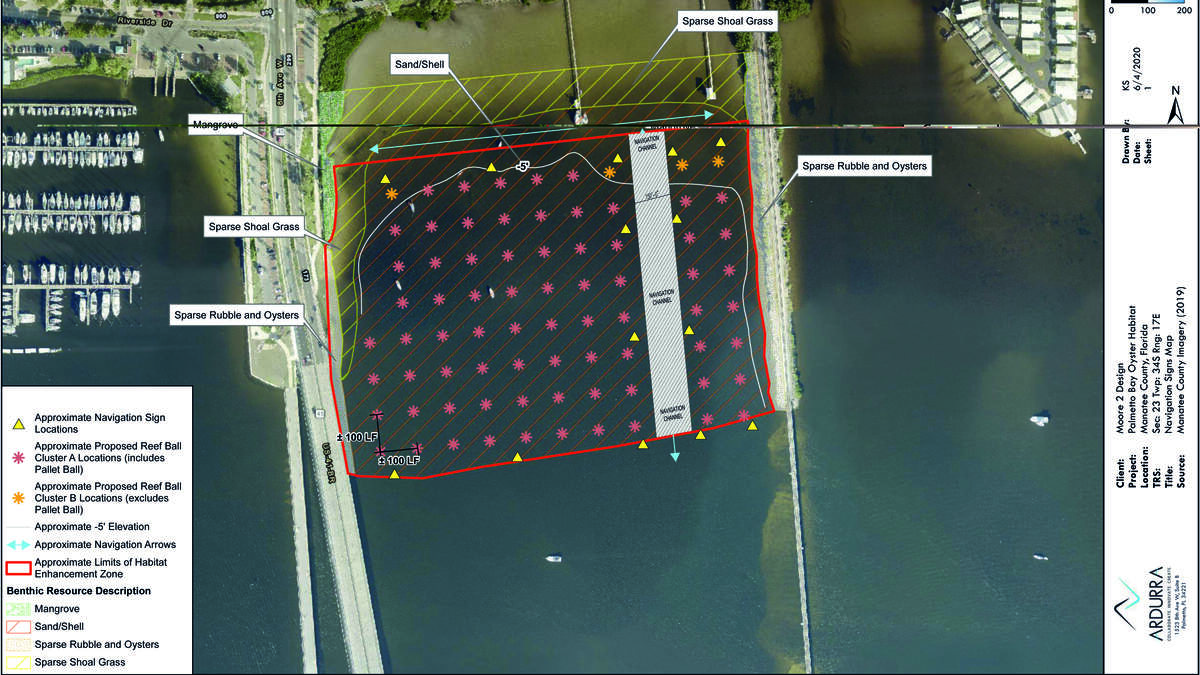
The Palmetto Bay Oyster Restoration Project began in 2023 and, since then, the 23-acre restoration project is attracting a plethora of underwater organisms while contributing to Palmetto’s environmental stewardship, the city’s Community Redevelopment Agency and biologists say.
“The progress so far of this project is humungous,” Palmetto CRA Director Rowena Young said. “We literally have knocked this one out of the park.”
The project’s success also recently won an award from a statewide redevelopment association.
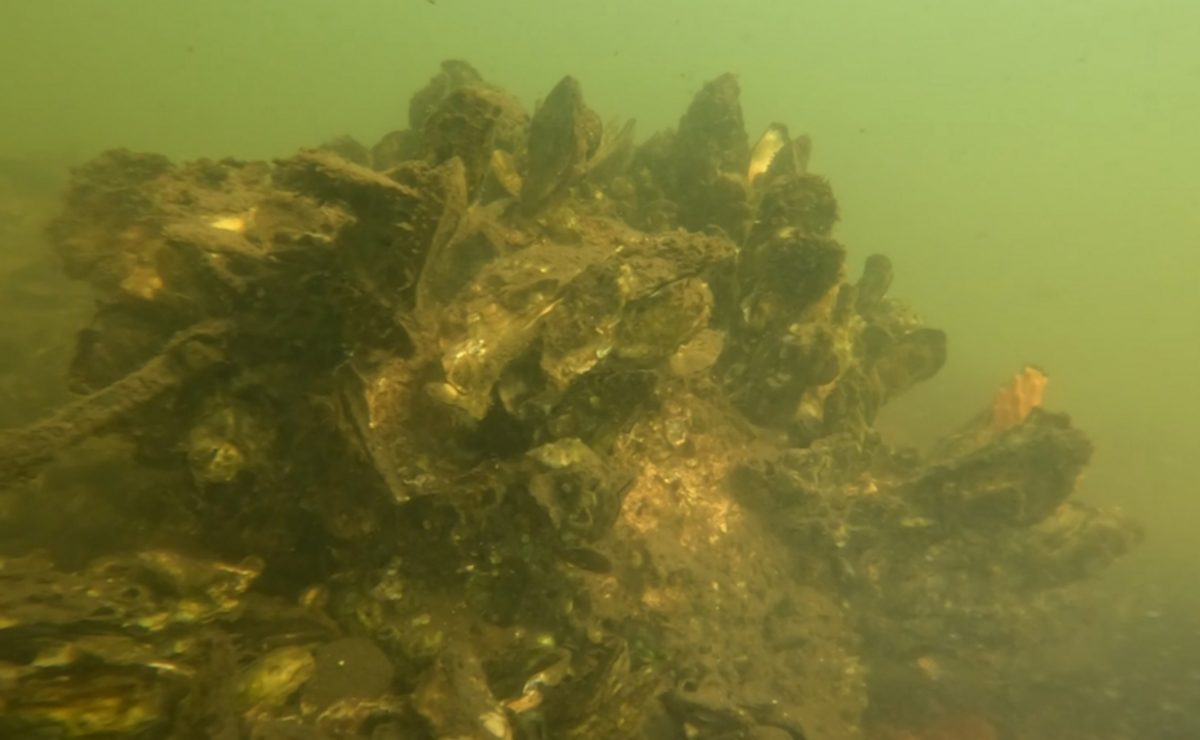
Biologists helping with the project monitor the site quarterly, monitoring for salinity, temperature, dissolved oxygen and nutrient levels to make sure conditions are prime for oysters. One of the main goals of the project is to re-establish the oyster population in the Manatee River — which was once known as Oyster River.
“Oysters were already in Manatee River in large quantities until the humans came and they depleted and destroyed the whole thing,” said Ernesto Lasso de la Vega, a biologist working on the project. “So we want to re-establish populations of oysters.”
Palmetto project boosts Manatee River water quality
The 23-acre restoration project is located in what officials call Palmetto Bay, a small pocket of Manatee River coastline in between the Green Bridge and the railroad.
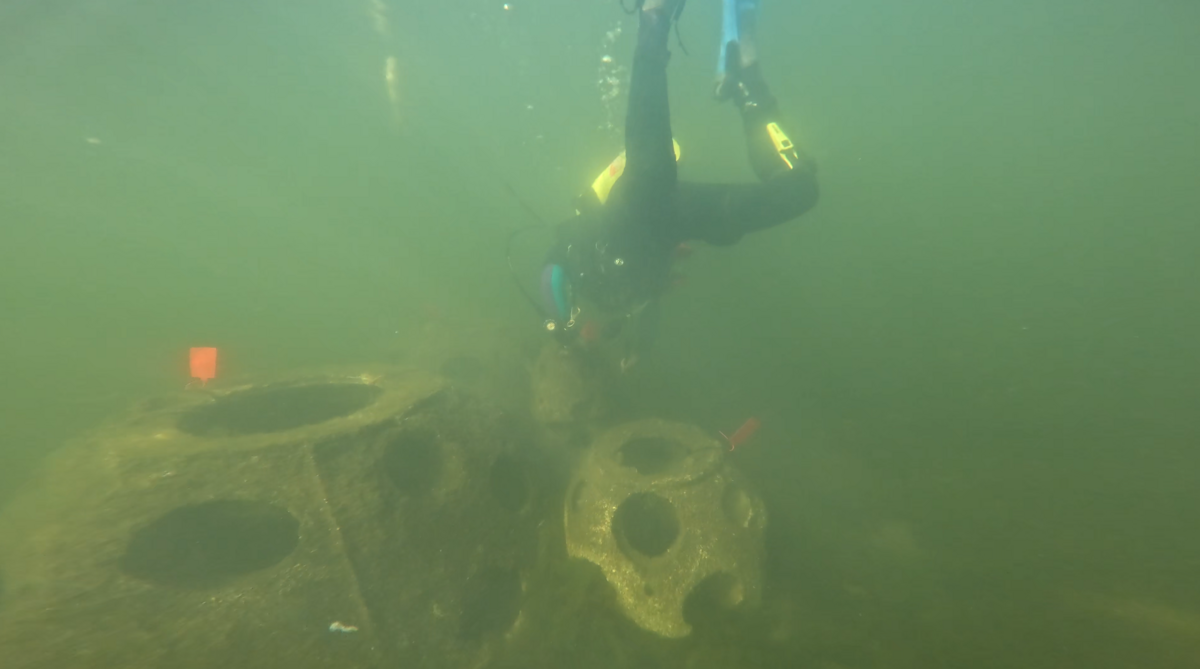
Within the site are 76 clusters, each with five reef balls that are made from marine-grade concrete and vary in sizes.
“Since they are made with a concrete that is friendly to a lot of organisms who attach, then you will have a tremendous diversity of organisms in there,” Lasso de la Vega said.
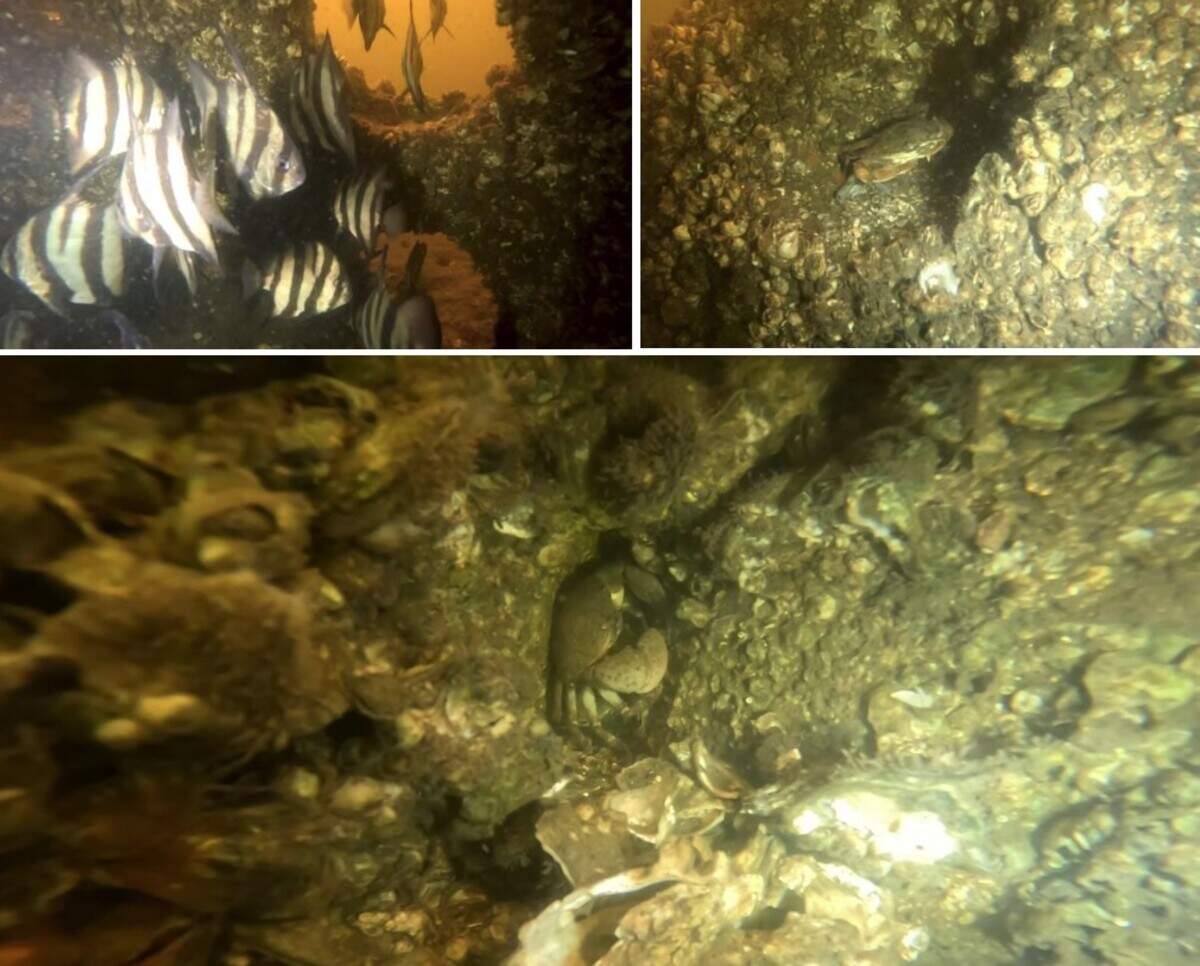
Now about three years into the project, Lasso de la Vega said the team sees organisms like stone crabs, blue crabs, spadefish and other types of fish swimming alongside the reef balls on which sponges, barnacles and oysters live.
Oysters used to be abundant in the Manatee River in the 1800s. According to the project’s website, oysters were harvested by the thousands of pounds and “were the lifeblood of the early communities in Manatee County.”
However, humans depleted the local oyster populations from overharvesting, Young and Lasso de la Vega said.
In recent decades, the Manatee River has suffered from persistent water quality issues, including sewage spills from Bradenton’s troubled wastewater plant. Many parts of the river are considered polluted due to excess nutrients and bacteria, according to the Florida Department of Environmental Protection.
One of the project’s main goals is to grow this oyster population again to also help clean local waterways. An adult oyster can filter up to 50 gallons of water per day, depending on the condition and size, according to the National Oceanic and Atmospheric Administration.
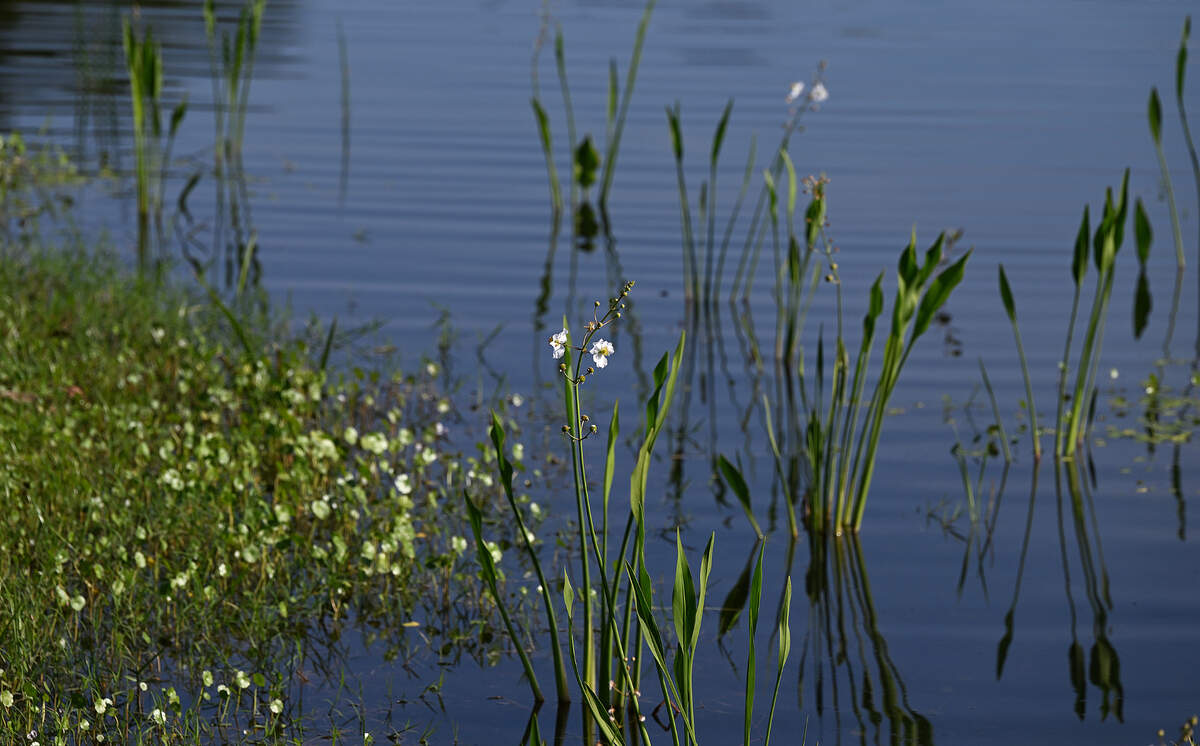
Just north of the oyster restoration project is Connor Park, another award-winning environmental project from the Palmetto CRA. The retention pond at Connor Park collects and filters water, which then flows to where the oyster balls are. The projects work together to clean water before it flows further into the Manatee River.
“Keeping that water quality up to standard will help the environment surrounding the city and other areas of Manatee County,” Young said.
Lasso de la Vega said the project has exceeded expectations, with some reef balls “covered with oysters galore.”
He also plans to use the site to advance public understanding of reef balls, including research to measure the success rate of artificial environments.
Oyster project wins state development award
Palmetto recently announced that the oyster project won an award from the Florida Redevelopment Association, earning the “Out of the Box” prize for a small city with an innovative solution.
“What makes this especially timely is that scientists are actively conducting quarterly water quality testing and wave energy monitoring to measure how the restored oyster reefs are improving water clarity and reducing wave impact,” the award site states. “The data will help determine how living shoreline infrastructure can support long-term environmental resilience along the Manatee River.”
Young said a big part of the CRA’s mission is environmental stewardship through projects like the oyster restoration and Connor Park. The city has a lot of brownfield sites, which are areas dedicated for environmental remediation due to past contamination.
Rehabilitating brownfield sites and connecting them to other environmental projects helps improve Palmetto’s environment for everyone, according to Young.
“This is our entire goal, is to make sure that our residents and visitors alike can come to Palmetto, breathe clean air and be able to participate, whether it’s on our waterfront or in our parks,” Young said.