Palmetto park along Manatee River wins national award from the EPA. Here’s why
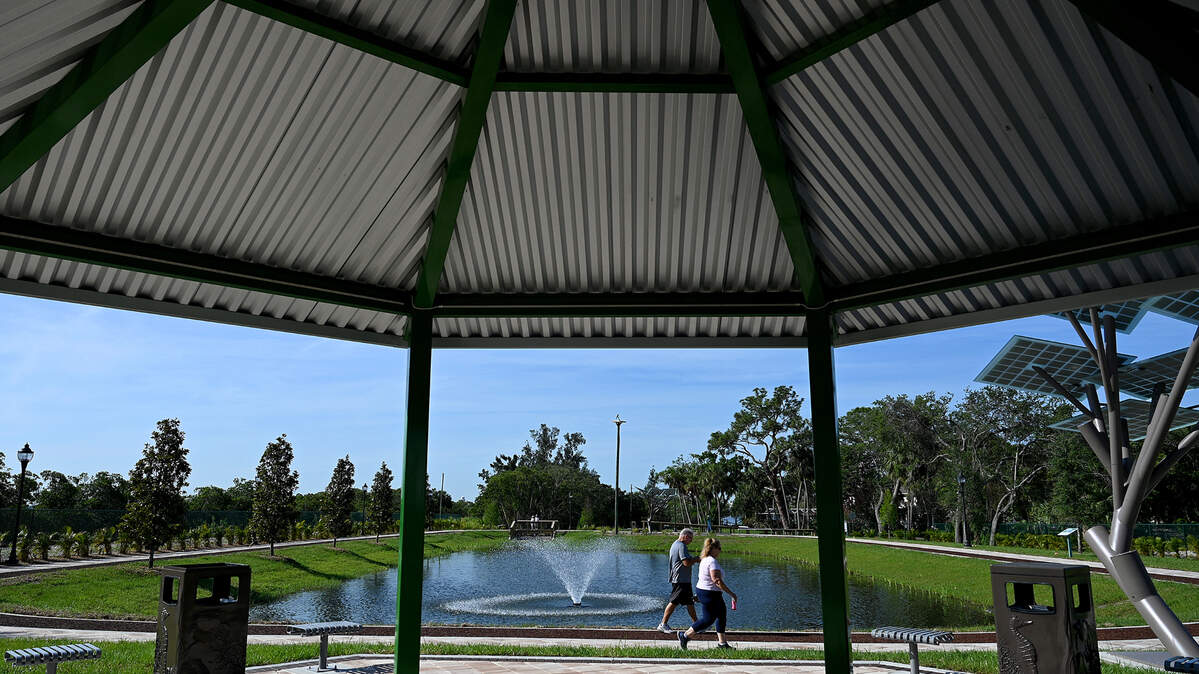
Palmetto recently earned national recognition for using environmental remediation to turn a contaminated wasteland into a community park.
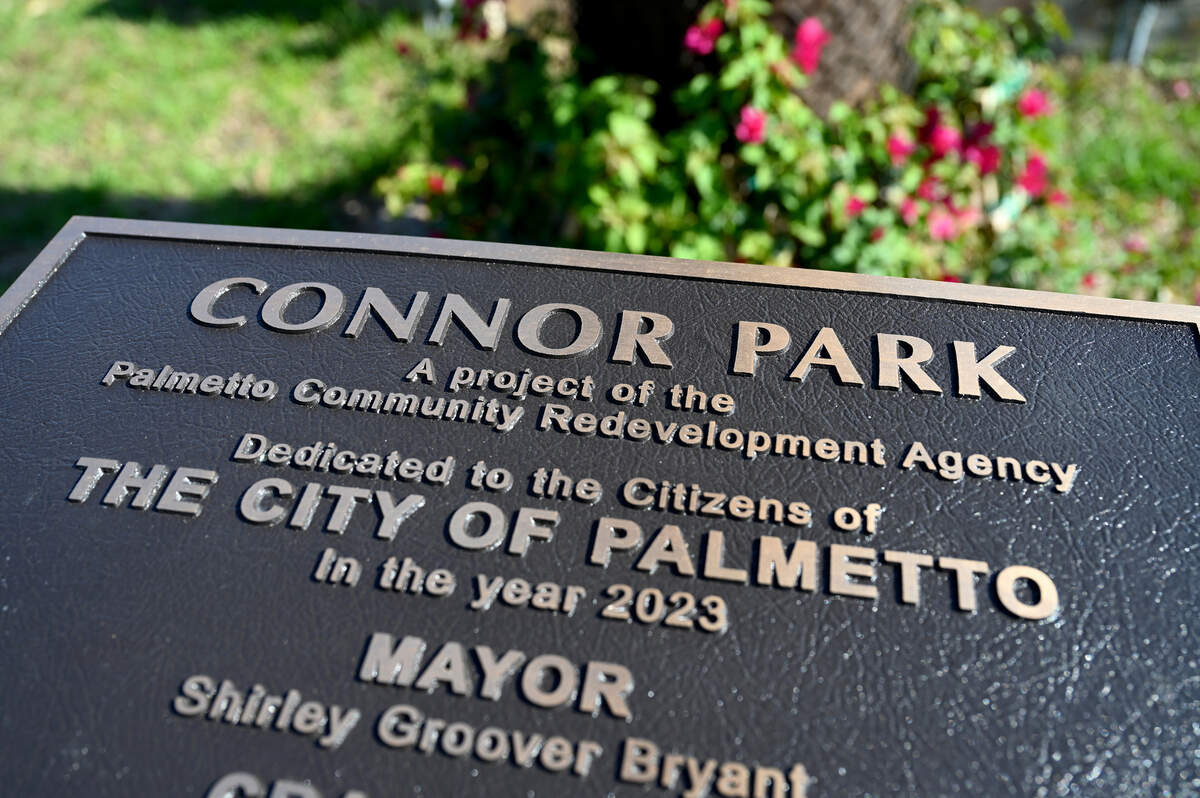
What was once a contamination site from railroad operations, Connor Park opened in 2023 after nearly a decade of collaborative work. In August, the $3.8 million project won a Phoenix Award from the Environmental Protection Agency, an award which recognizes brownfield redevelopment projects.
A brownfield site is a property on which development may be difficult due to the presence of hazardous pollutants or contamination, according to the EPA.
“Today, brownfields redevelopment is an established practice area with expertise and organizations from the public, private and nonprofit sectors across the country,” the award website states. “The awards recognize exemplary practitioners and projects that are creating jobs, economic opportunity and stronger communities.”
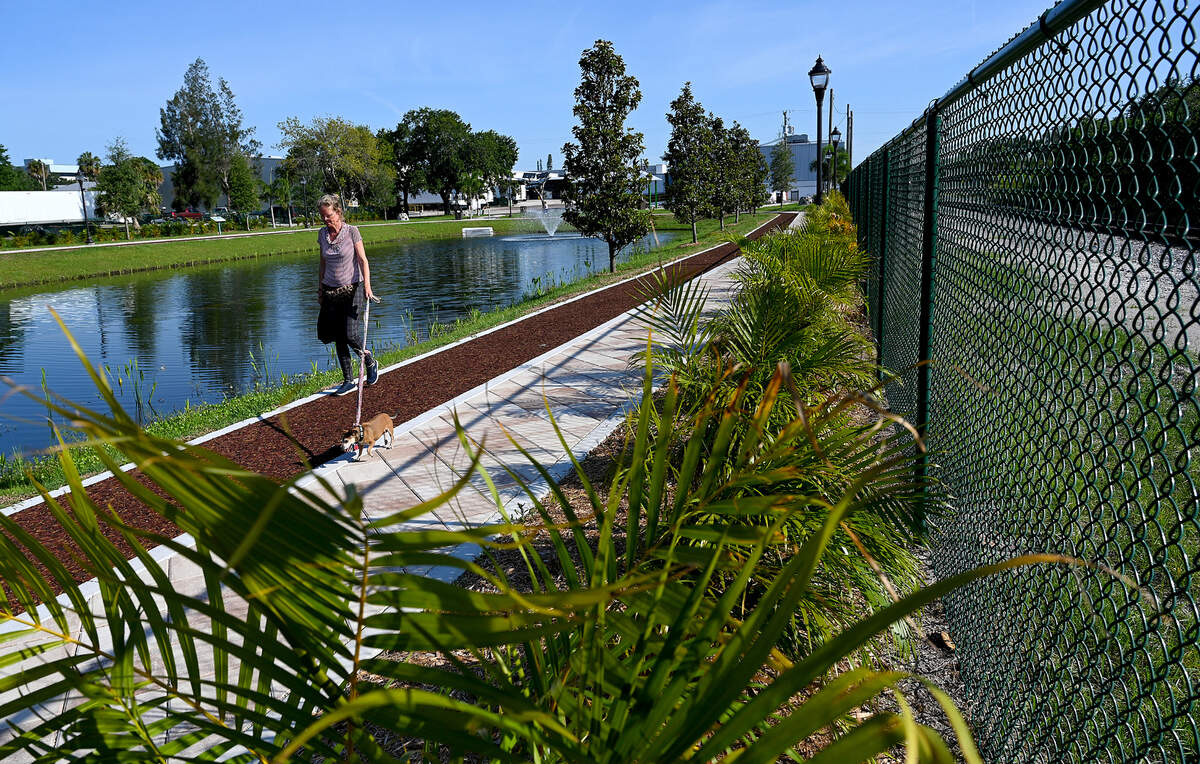
The 2-acre park, located at 505 Fifth St. W., Palmetto, features a 500,000-gallon stormwater retention pond, multi-modal trail connections, public art and other environmentally-friendly features that garnered national recognition.
“Being a small city…we were really blown away. We knew that we had a great project, but we were really blown away when we were selected,” said Rowena Young-Gopie, executive director of the Palmetto Community Redevelopment Agency.
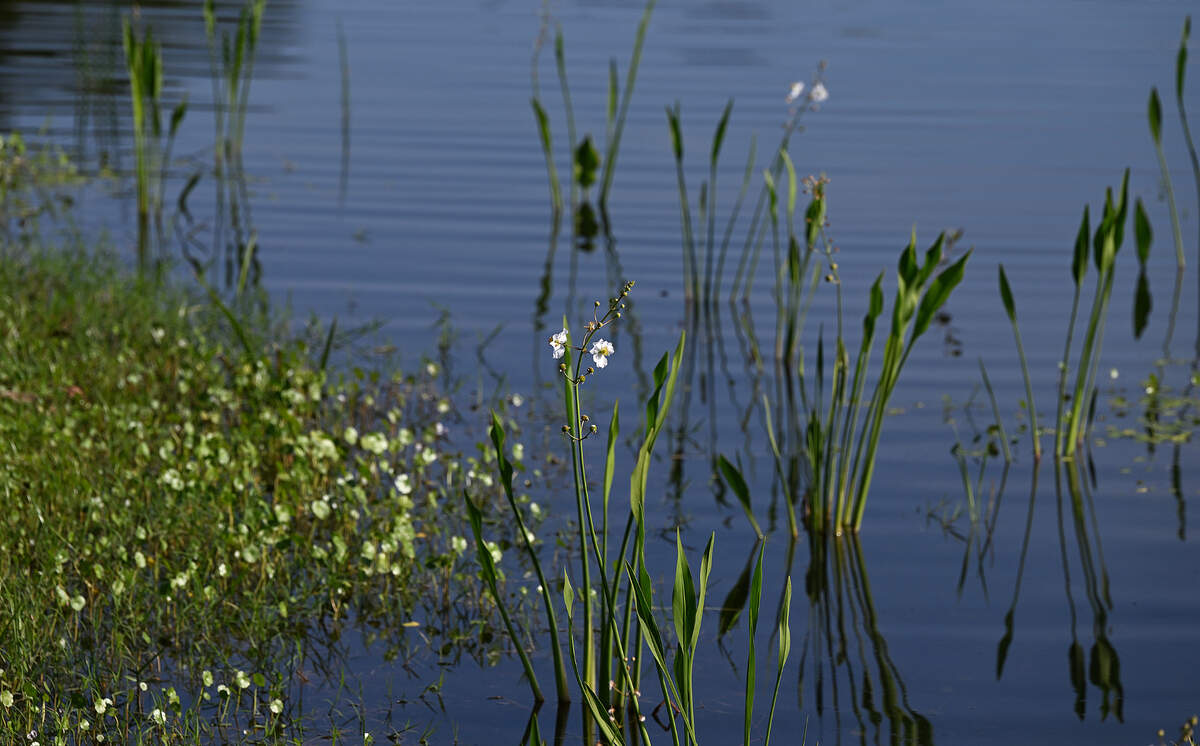
The award website commends the park’s transformation, use of native plants and role in restoring the health of the Manatee River.
“Once a site marred by decades of contamination from railroad operations and industrial activity, Connor Park has now been transformed into a beacon of environmental stewardship,” the website states. “The project team removed thousands of tons of contaminated soil, restoring wetlands and creek habitats, and deploying innovative solutions such as phytoremediation, artificial reef balls and coral plugs to restore the health of the Manatee River and its delicate ecosystems.”
Contamination site redeveloped into park
One of the primary goals of a CRA is to eliminate blight and revitalizing areas, including brownfield sites.
“Our goal is to make sure that we can clean up these sites and turn them around,” Young-Gopie said. “Either we’re going to make them open spaces or we’re going to put them back on the tax roll.”
For Connor Park, a former railroad site for CSX Railroad, the process began in 1999 when the City of Palmetto purchased the property and started the environmental due diligence process. The property sat until about 2011, when an updated environmental site assessment was needed, Young-Gopie explained.
Around 2016, the city’s CRA began the brownfield site remediation project, and began partnering with state and federal agencies, like the EPA and the Florida Department of Environmental Protection.
The partnerships were crucial in securing $1.8 million in outside funding for the project. The type of project, being a park that also contributes to local environmental health, was attractive in gaining outside funding, according to Young-Gopie.
“The overall park design provides storm water attenuation and pre-treatment to prevent contaminants…from coming back and from flowing into the Manatee River,” Young-Gopie said.
Aside from the “robust” permitting process through the FDEP, Young-Gopie said one of the CRA’s main challenges throughout the project development was community engagement. She said education is key for the community to understand the positive impacts of a project that was once a contaminated site.
“Once the community hears ‘contamination,’ they can go all different directions with that, and you want to first educate,” Young-Gopie said. “That is one of our major goals.”
Connor Park is named after Francis Connor, a Manatee County Agriculture Hall of Fame honoree who was a historic figure in the county’s agricultural economy. He also worked with Seaborne Airline Railroad, which joined with another company to become CSX Transportation, the source of contamination at the site.
Connor Park part of city-wide environmental restoration
Around the park are bat houses, a pavilion and a walking trail that will connect to Palmetto’s larger plans for multi-modal transportation.
One of the park’s main features is the 500,000-gallon stormwater runoff pond. The pond naturally filters out contaminants, like nitrogen, through the wetlands of native Florida plants that naturally absorb the contaminants.
Excesses of nutrients like nitrogen have been proven to exacerbate red tide algal blooms.
The natural filtration is part of Palmetto’s larger vision for environmental restoration, Young-Gopie said, including tying into the Palmetto Bay Oyster Restoration project.
“It is a part of a larger environmental improvement vision for Palmetto,” Young-Gopie said. “The concept is to put the ecosystem back to levels before the 1956 dredging by using the natural filtering of oysters to clean the river.”