How will Bradenton stop sewage spills into the river? This is the city’s plan
Bradenton Mayor Gene Brown says the city is years ahead of a 2032 deadline to stop discharging treated wastewater into the Manatee River, but there’s still plenty of work to do .
One of the newest projects at the city’s Water Reclamation Facility is a $13 million deep injection well that, when activated, will allow the city to discharge treated water 1,600 feet below the surface rather than into the river. City officials hope to have the option available in 2028.
The city has long been plagued with wastewater issues, which often result in the city’s treatment plant bypassing water and illegally discharging it into the Manatee River. Experts say those spills can negatively impact local water and fuel harmful algae blooms like red tide.
One recent spill happened in September, when 1.7 million gallons of partially-treated wastewater discharged into the Manatee River after an overflow at the plant. The plan can become significantly overwhelmed when the area is hit by large storms, like Hurricanes Helene and Milton, which caused over 136 million gallons of sewage spills.
However, with the deep injection well and other improvements on the horizon, Brown and other city officials are optimistic these projects will help alleviate the system, especially during times when the plant becomes overwhelmed.
Injection well provides emergency option
Deep injection wells are a common method to dispose of treated wastewater across Florida. Class I wells are the type used for municipal waste, and there are over 180 across the state, according to the Florida Department of Environmental Protection (FDEP).
“The majority of the Class I injection facilities in Florida dispose of non-hazardous, secondary-treated effluent from domestic wastewater treatment plants,” an FDEP website states. “There are favorable hydrogeologic conditions in Florida where the underground formations have the natural ability to accept and confine the waste.”
In Manatee County, there are other injection wells like the one constructed on Buckeye Road after the 2021 Piney Point incident, and another owned by the Manatee County Government at its plant on Cortez Road.
During emergency situations when the city’s wastewater plant becomes overwhelmed — like a large rain event — it would sometimes need to discharge treated wastewater, called “purple pipe water” to increase the capacity for processing wastewater.
The reclaimed water is dubbed purple pipe water after the pipes it travels through at the end of the treatment process, which is then reused for landscaping and other purposes.
Currently, if the city needs to discharge the reclaimed water, it does so in the Manatee River. However, a state requirement forces municipalities to eliminate “nonbeneficial surface water discharge,” meaning all municipalities need to find ways — like Bradenton’s injection well — to stop pumping wastewater directly into waterways by 2032.
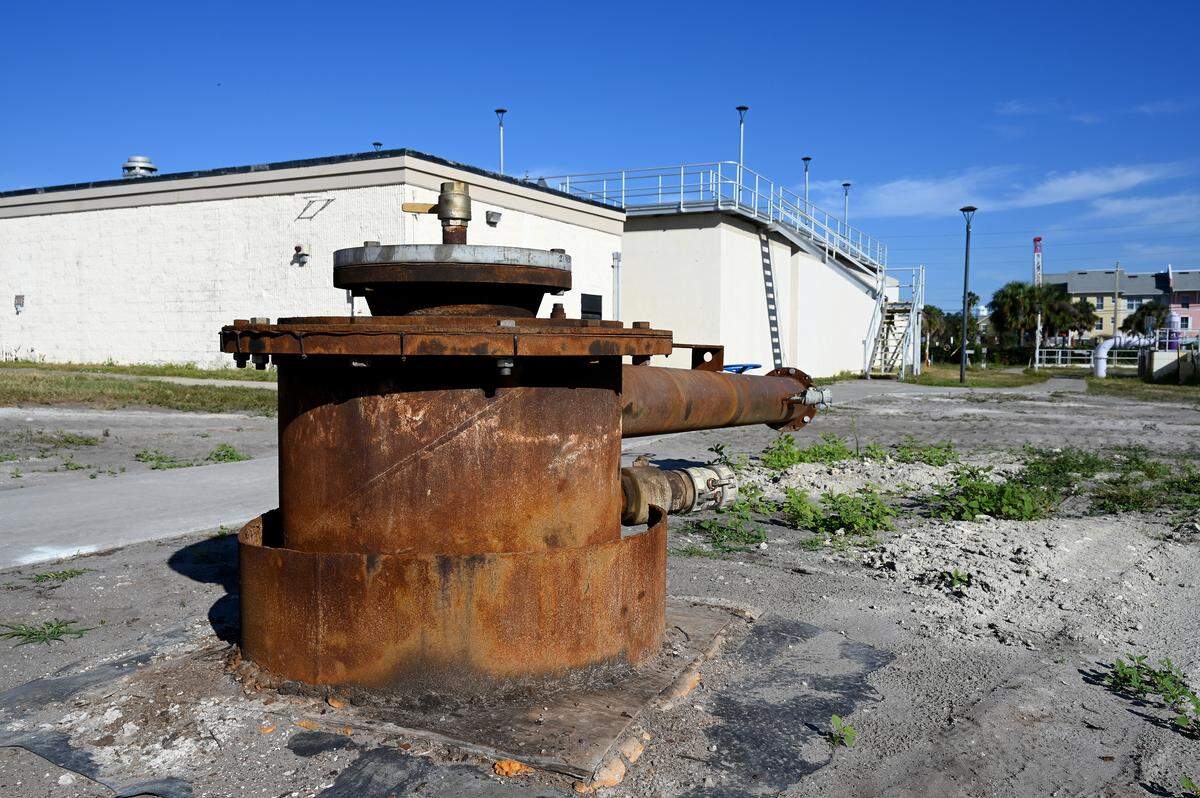
Brown said the injection well is something the city never wants to use, but will give them a better, less-harmful emergency plan.
“It’s still reclaimed water,” Brown said. “Instead of releasing it into the river, which we have a permit to do now, that’s going to be able to go down into the deep injection well.”
Suncoast Waterkeeper Executive Director Abbey Tyrna confirmed that the City of Bradenton’s wastewater plant meets advanced wastewater treatment standards when operational, meaning it is permitted to discharge fully-treated wastewater into the Manatee River.
“In order to not do so many bypasses, they need to have the capacity to get rid of treated wastewater quickly to make room for more,” Tyrna said. “Injection is one way of doing that...it has to meet certain water quality criteria, which is important.”
The well can pump up to 10 million gallons of discharge a day, but Brown said the goal is to increase the capacity to 15 million gallons a day.
It took about nine months for crews to dig 1,600 feet below the surface for the injection well, which was recently completed. The bottom of the well is about 1,000 feet below where drinking water comes from in the aquifer, according to Brown.
From 2026-2027, staff will conduct tests on the wells and work through a complicated permitting process before building the pump houses, which will take up to eight months. Brown said they hope the injection well will be online by the middle of 2028.
“That’s still several years ahead of the 2032 deadline,” Brown said. “The goal too, again, is never to use that well if we don’t have to … but you have to be prepared for the excess, and that’s what the well will do.”
New clarifier boosts plant capacity
Along with the state requirement, Suncoast Waterkeeper is holding the city accountable after Bradenton settled a lawsuit against the city in 2022 over its wastewater discharges into the Manatee River. Tyrna said the city continues to illegally discharge wastewater into the Manatee River, including the recent bypass in September.
In the event of a bypass at the facility, the city currently discharges partially-treated wastewater into the Manatee River. According to Brown, the water that’s discharged is about 90% treated.
“Normal day-to-day operations, this plant controls it well,” Brown said. “But when we have excessive rains or excessive high tides, it does then seep into the plant and that’s when we have some of the bypasses that we’ve had to do.”
In addition to the injection well, the city is working on other projects to increase the capacity of the water reclamation facility and prevent bypasses in the future.
“Over the last several years, we’ve been working to update our plant and, really, add the capacity ability to it,” Brown said.
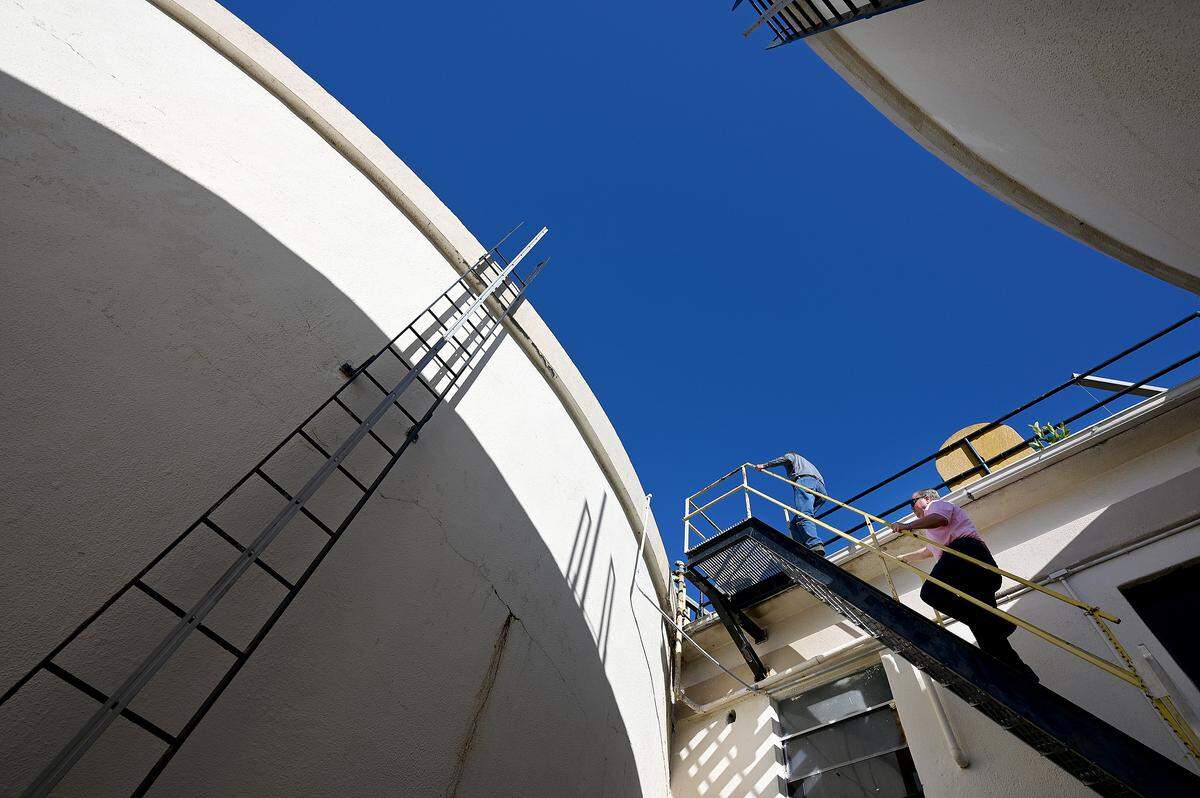
A $16.6 million project is underway to add a fourth clarifier to the plant, which will increase its capacity for the crucial middle stage of sewage treatment from 2 million gallons to 4 million gallons, doubling its capacity.
Brown said this clarifier will also help the plant during emergency situations, giving them the option to temporarily store water in the clarifier if the plant experiences an overwhelming amount of rain.
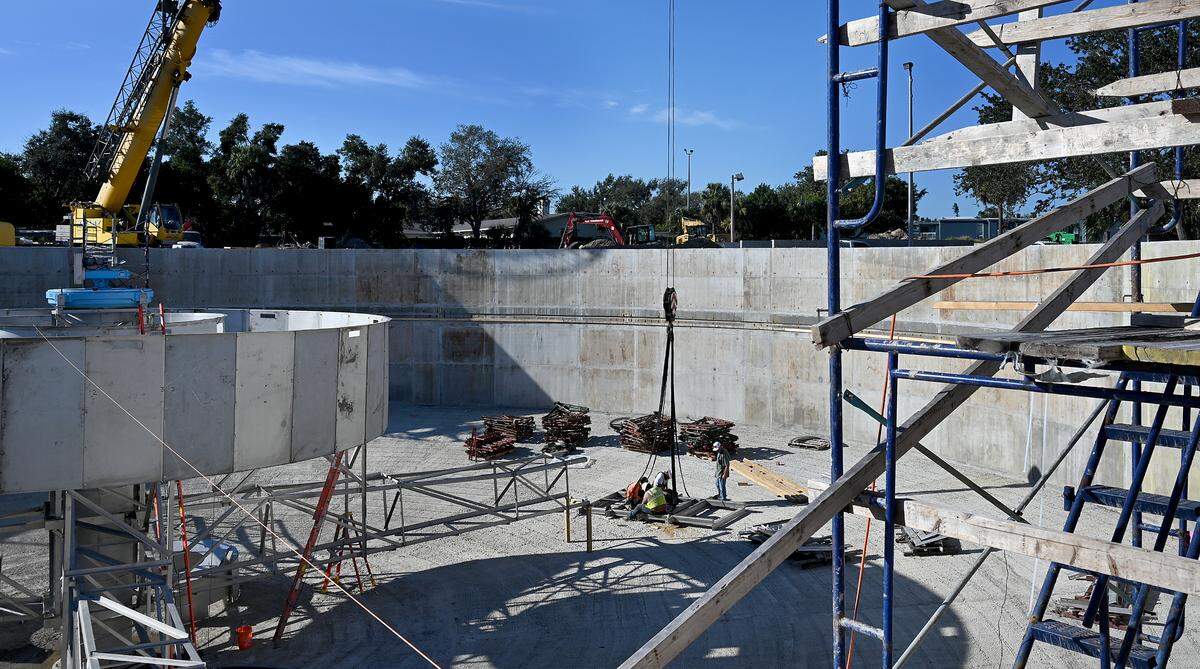
Having the additional 2-million-gallon clarifier will give facility staff more peace of mind when repairing the other clarifiers.
“Right now, if we take one down, it struggles to keep up,” Brown said.
Once the new clarifier is complete, water can be transferred to the new clarifier to free up another clarifier if it needs repairs, according to Brown. Brown said the city hopes to have this new clarifier ready by the end of the year.
Wastewater’s path through the plant
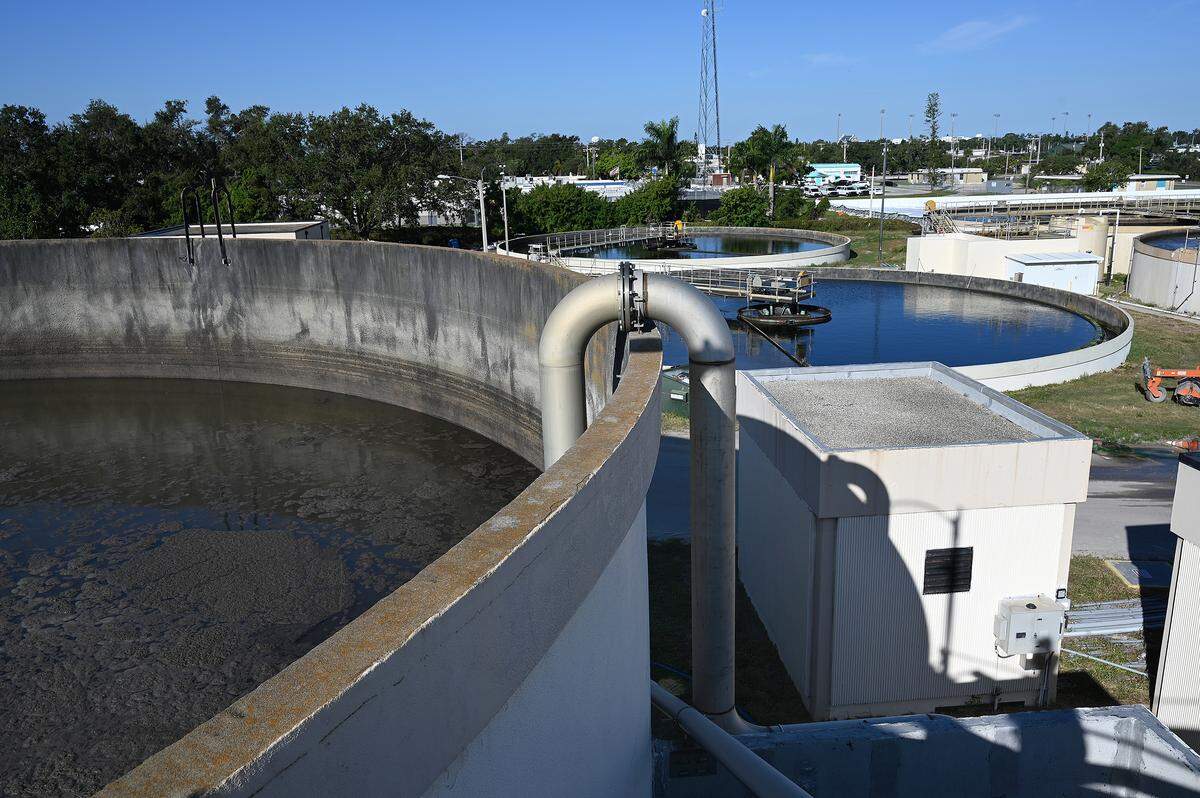
Wastewater first enters the plant through the headway, which is where the water is first filtered. It’s here that large solids are removed from the wastewater and deposited into dumpsters below.
“You never know what you’ll see in there,” Brown said.
In the dumpsters are candy wrappers, plastic bead necklaces, flushable wipes, rags and sand. It emphasizes the point that residents should be more mindful of what they flush down the toilets, Brown said.
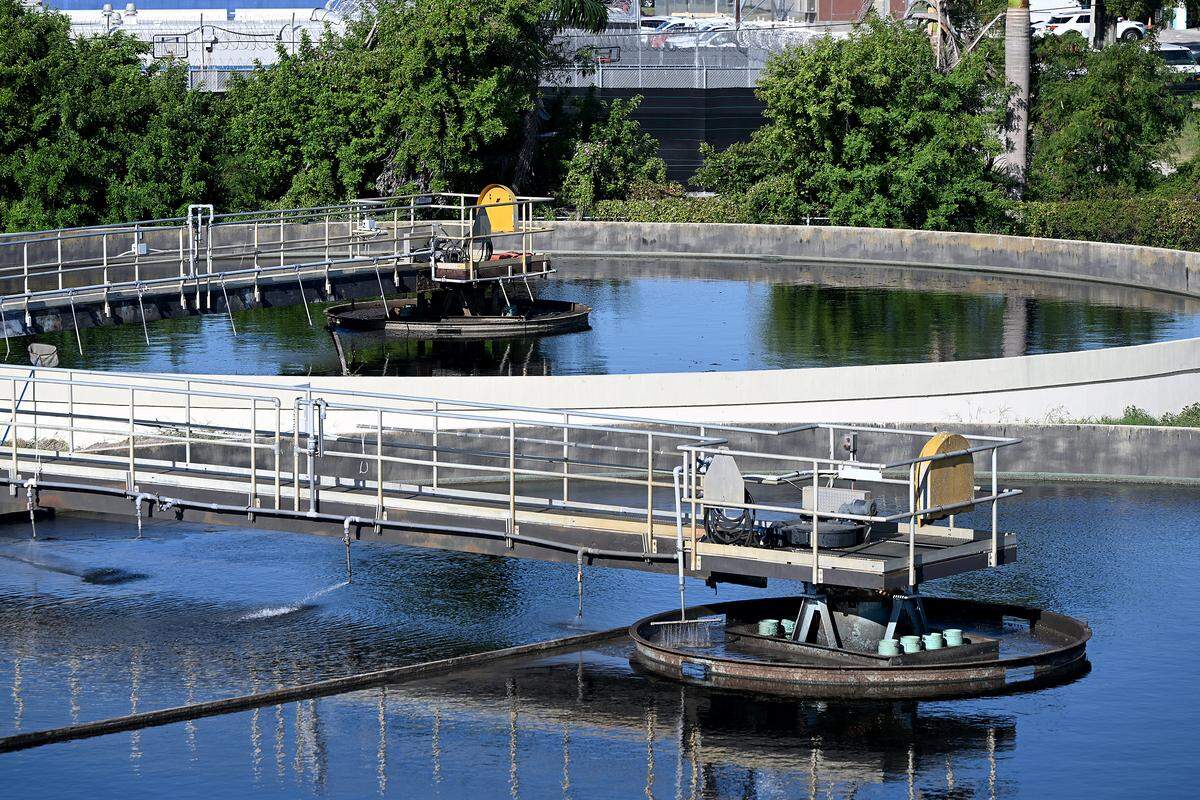
From the headways, the wastewater is transferred to an oxidation ditch before it goes to the clarifiers. The clarifiers separate the water into sludge and clear liquid.
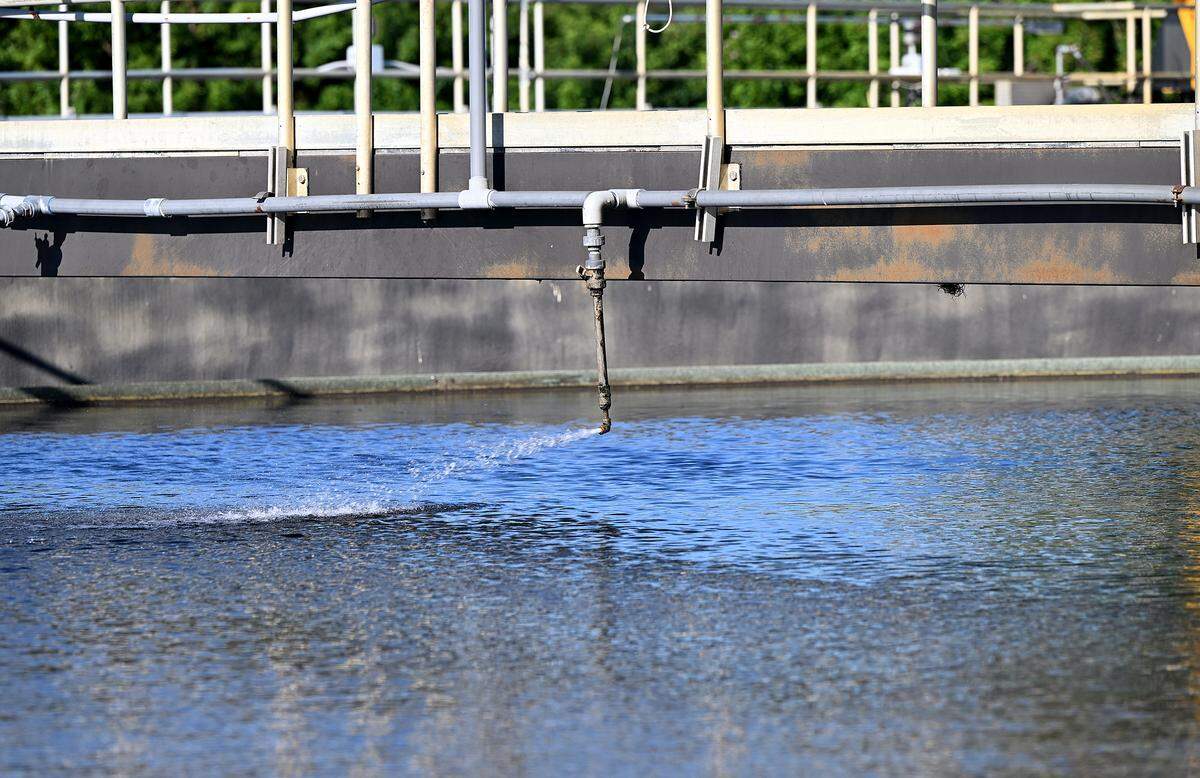
The clear liquid continues through the process, going through a sand filter before being treated with chlorine and other chemicals to make it safe for discharge. Once it’s through this stage, Brown said it’s clean enough to drink, though you might not want to unless you were dying of thirst.
The wastewater that isn’t liquid — the sludge — is processed into fertilizer pellets. The city pays a company to take about two truckloads of pellets per day.
In total, the plant processes about 6 million gallons of wastewater per day, and the water takes between 12 and 24 hours to process through the plant. With more upcoming projects looking to expand the capacity of the plant, Brown and city staff hope to continue making the process more efficient.
Over $100 million in wastewater projects on deck
The deep water injection well and additional clarifier are part of the city’s “Face it, Fix it” initiative that includes over $100 million in wastewater improvement projects.
The city received about $8.3 million in state appropriations with this year’s budget to help push some critical projects along, like the $2 million for the Lift Station 8 relocation project and $4 million for additional improvements at the wastewater reclamation facility.
One of the main points of the “Face it, Fix it” initiative is to address the city’s lift stations, including other problematic stations that have recently sparked conversations among residents who worry the city isn’t acting quickly enough on those projects.
However, Brown assures residents that solutions are on the way, but planning projects of this magnitude is complicated, especially in the permitting process.
“None of this could’ve happened overnight,” Brown said. “This takes years to plan.”
The city has spent $6.5 million on lift station rehabilitation projects so far, with an additional $24 million planned.
There was also a $9 million investment to line 35 miles of pipes to prevent rainwater intrusion, with another $15 million in the works. Preventing rainwater intrusion can help prevent the system from becoming overwhelmed and leading to discharges.