Florida Republicans Rubio and Scott vote against Supreme Court’s first Floridian
READ MORE
Ketanji Brown Jackson makes history as first Black woman justice
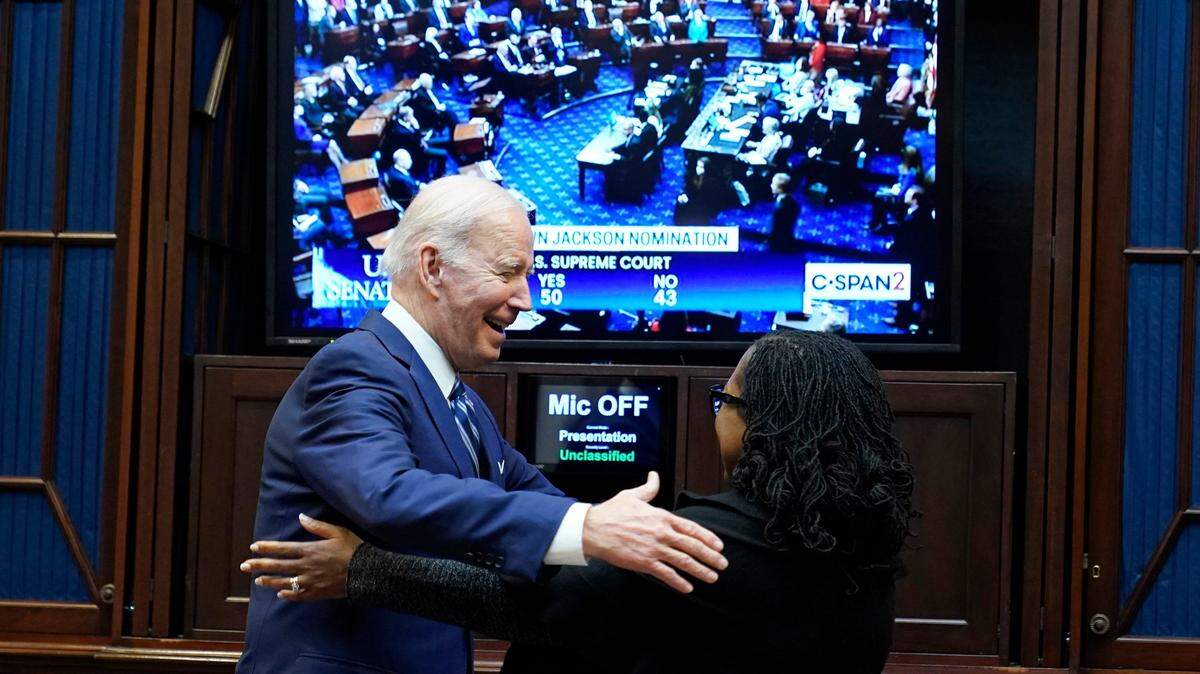
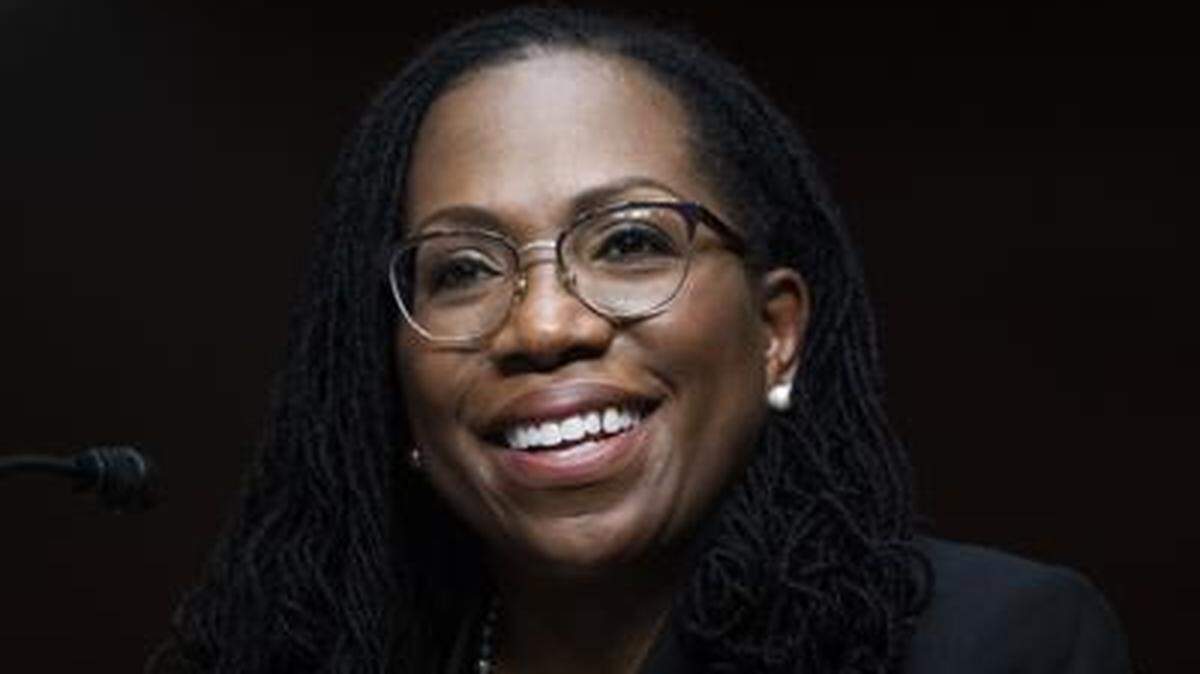
On Thursday, April 6, the Senate voted 53 to 47 to confirm Ketanji Brown Jackson to the U.S. Supreme Court. Jackson will become the first Black woman and the first Floridian on the court upon taking the oath of office.
Expand All
Florida Republican Sens. Marco Rubio and Rick Scott both voted against confirming the first Floridian to the Supreme Court.
Incoming Supreme Court Justice Ketanji Brown Jackson, the first Black woman confirmed to the nation’s high court, was a year ahead in school at Miami Palmetto Senior High School when Rubio was a student at nearby rival South Miami Senior High School in the 1980s.
Rubio repeatedly called Jackson’s personal story inspiring in the weeks leading up to Thursday’s vote, but he telegraphed his opposition to Jackson early in the process when he said their one-on-one meeting did not ease his concerns.
Senate procedure required multiple votes on Jackson’s nomination, which meant Rubio and Scott both voted against President Joe Biden’s nominee four times in the course of the week.
Rubio offered a generalized allegation of judicial activism.
“I do not support nominees who believe the job of the Supreme Court is to make policy rather than apply the Constitution as written,” he said in a statement Monday evening.
Rubio’s vote against Jackson is likely to be a point of contention in his race for reelection this year.
Rep. Val Demings, an Orlando Democrat seeking to unseat Rubio, criticized the Republican incumbent over his opposition to Jackson.
“It’s disgraceful that Marco Rubio is catering to his party bosses in a desperate attempt to salvage his political future rather than supporting an exceptionally qualified Floridan,” said Demings, a former Orlando police chief who if elected would be Florida’s first Black senator.
Scott, the chairman of the National Republican Senatorial Committee and a former Florida governor, was more explicit in his opposition of Jackson.
In a floor speech Wednesday, he attacked Jackson over her handling of sex offense cases during her eight years as a federal trial court judge from 2013 to 2021.
“A peek into her history shows an alarming pattern of being weak on sex offenders, including easier sentences in child pornography cases. Hard to believe,” Scott said.
Democrats have repeatedly pushed back on GOP criticism about Jackson’s handling of these cases, pointing to similar sentencing decisions by Republican-appointed judges.
It was a line of attack that was first brought to the surface last month by Republican Sen. Josh Hawley of Missouri. Both Scott and Hawley are advised by the Virginia-based consulting firm On Message.
During his speech, Scott praised Hawley’s legislation that would enact stricter sentencing guidelines in child pornography possession cases.
Despite the opposition of her home state senators and most Republicans in the Senate, Jackson won support from three GOP lawmakers — Sens. Susan Collins of Maine, Lisa Murkowski of Alaska and Mitt Romney of Utah.
This story was originally published April 7, 2022 at 2:21 PM with the headline "Florida Republicans Rubio and Scott vote against Supreme Court’s first Floridian."