Medieval castle — a ‘witness to centuries of change’ — excavated in the UK. See it
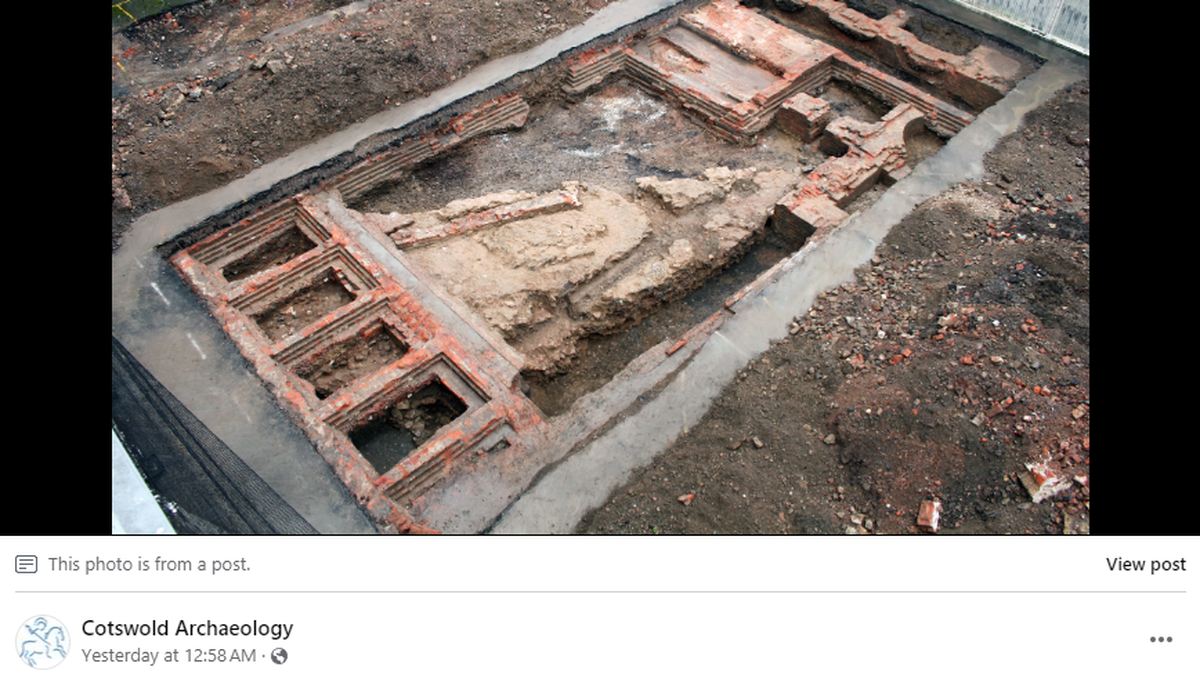
As the hands of time turn and forgotten items get buried under layers and layers of dirt, it can be hard to tell what life was like centuries ago.
Clothing degrades, paper disintegrates and food decomposes, leaving behind only the strongest materials.
In the United Kingdom, ancient stone constructions offer a glimpse of the past as archaeological sites are uncovered.
One site, located in Gloucester, is not only revealing the foundations of a medieval castle, but also the ditches, causeways and garden soils that were part of everyday life, according to a May 13 news release from Cotswold Archaeology.
“Gloucester’s castle would’ve been a hub of medieval life — a fortress, a residence, and a witness to centuries of change,” the private archaeology firm said in a May 13 Facebook post.
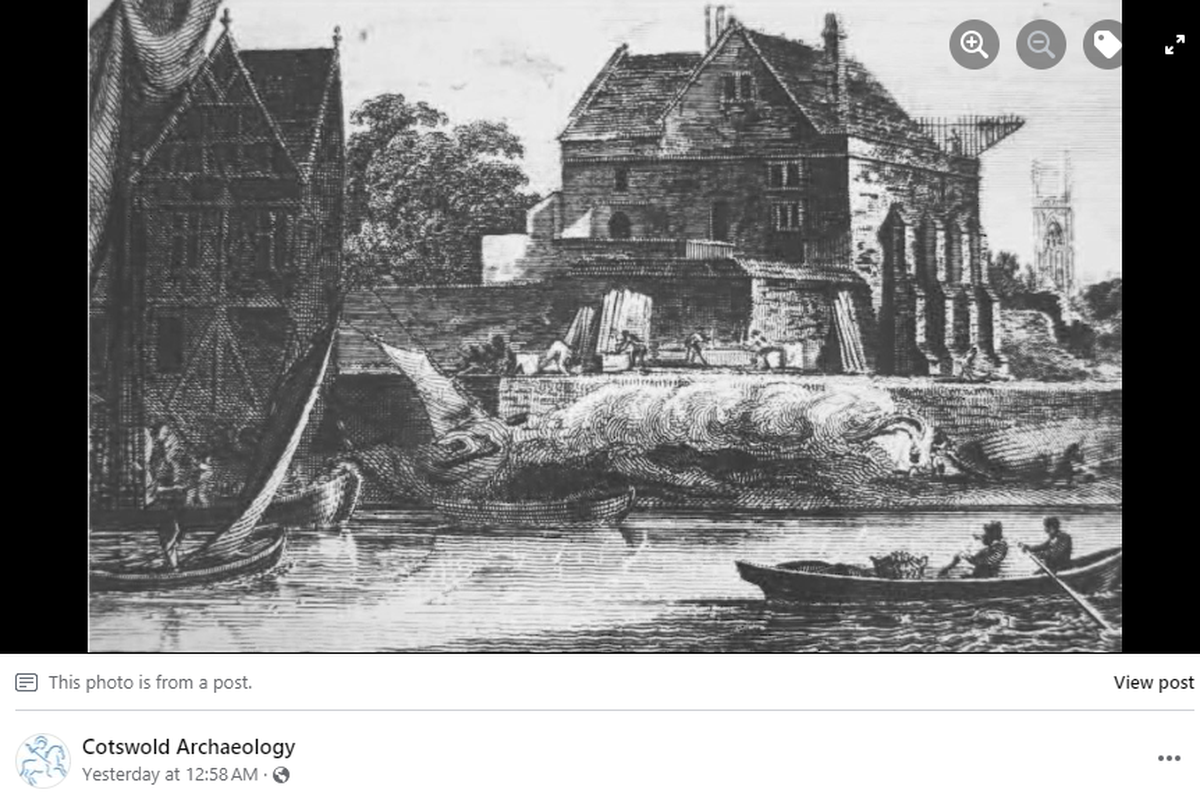
During the redevelopment of Gloucester’s city center, remnants of the medieval castle and surrounding structures were uncovered, archaeologists said.
On one side of the castle, a medical group was reconstructing their foundation to install mobile MRI and CT scanning units, revealing the ditches that once surrounded the fortress, according to the release.
The site is located between what was once the line of Roman defenses and the River Severn, which has “changed considerably over the centuries,” according to the release.
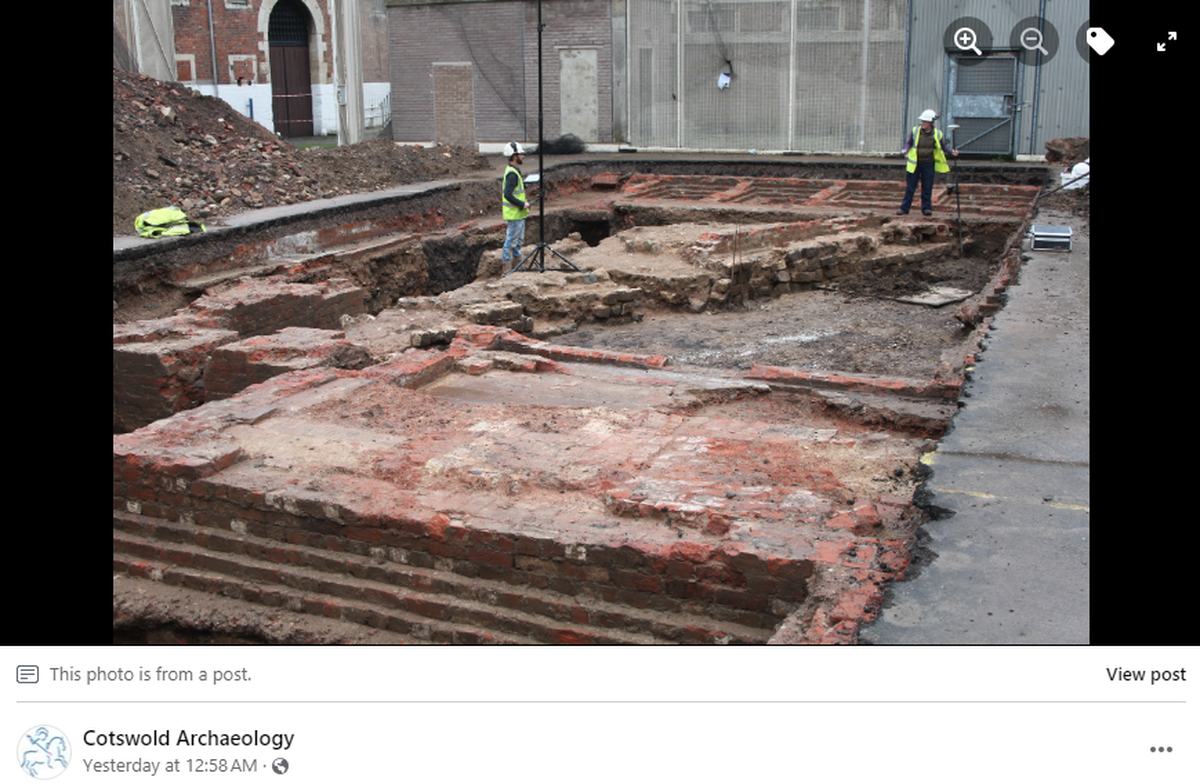
“Nothing can now be seen above ground of the castle or its moats; its site was partly taken over for the city’s historic prison which opened in 1792, while 19th and 20th century expansion of the city has removed all other traces,” archaeologists said. “Much survives below ground, however, and numerous archaeological discoveries have been made in this area since the start of the 19th century.”
The most significant of these finds are the remains of a causeway that would have connected the castle to a nearby street, crossing the ditches built around the castle for defense, according to the release.
The medieval walls survived into the 19th century, according to the release, but were later destroyed or robbed.
The castle declined over time, leading to it being used for a prison in 1792 before its destruction in the 19th and 20th centuries, according to the release.
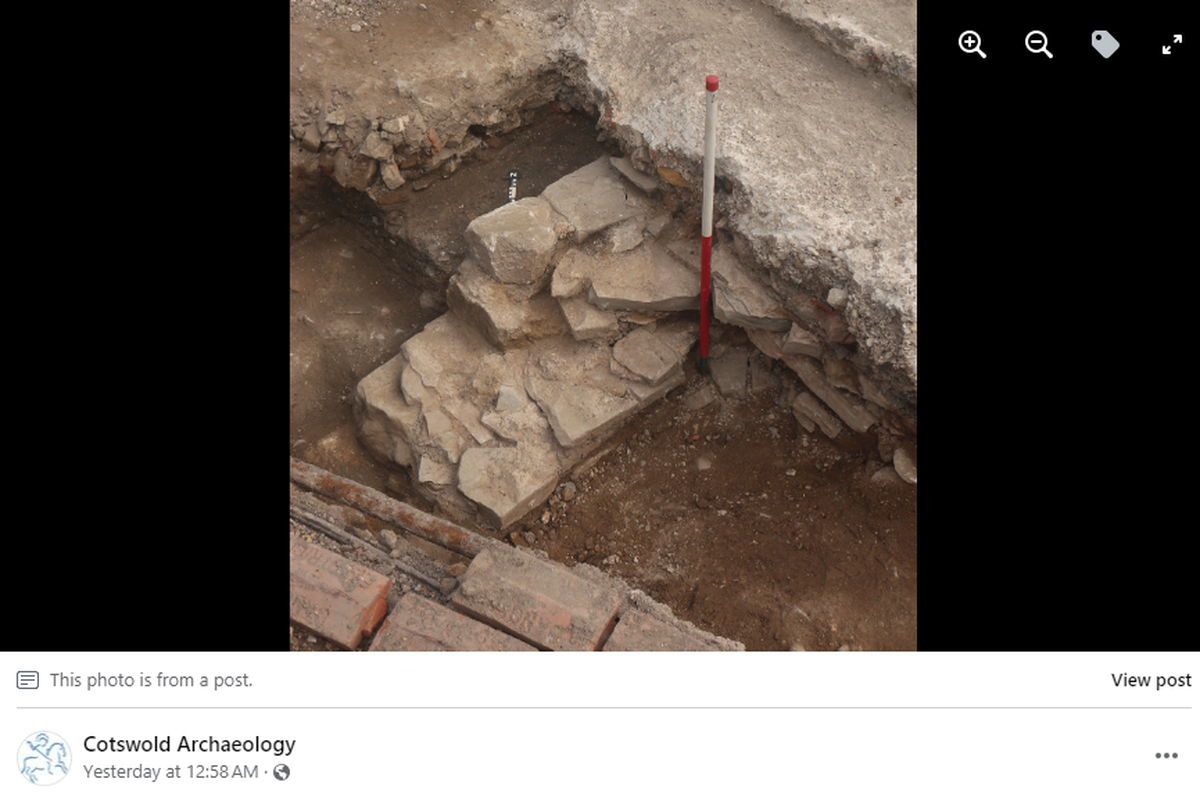
Beside the masonry, archaeologists also found cultivation soil that would have been used in the castle gardens along a post-medieval wall, according to the release.
“Later development of the site has caused much ground disturbance – in previous work we encountered the remains of a former early 20th century engineering works as well as numerous utilities services,” archaeologists said. “Nevertheless, the results highlight that significant archaeology continues to survive at a relatively shallow depth, enabling us to trace historic land use and landscape change within this part of the city across many centuries.”
Gloucester is in western England, about a 115-mile drive northwest from London.
This story was originally published May 14, 2024 at 1:36 PM with the headline "Medieval castle — a ‘witness to centuries of change’ — excavated in the UK. See it."