440-pound sculpture — used as ritual table by Mayans — discovered in Mexico. See it
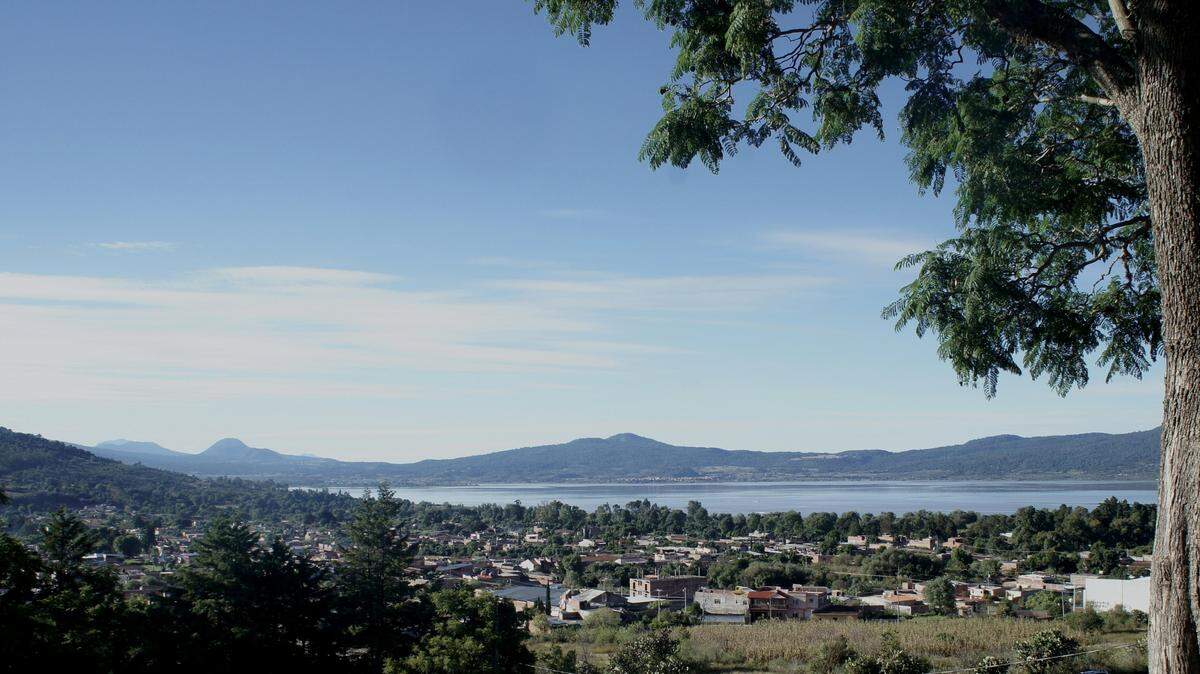
Less than a year after a massive, ancient stone carving was discovered in western Mexico, it is on display for the public for the first time, officials said.
During a construction project of the Pátzcuaro market in August, researchers uncovered an enormous sculpture of a person lying on their back and holding a stone, according to a May 10 news release from the National Institute of Anthropology and History, Instituto Nacional de Antropología e Historia.
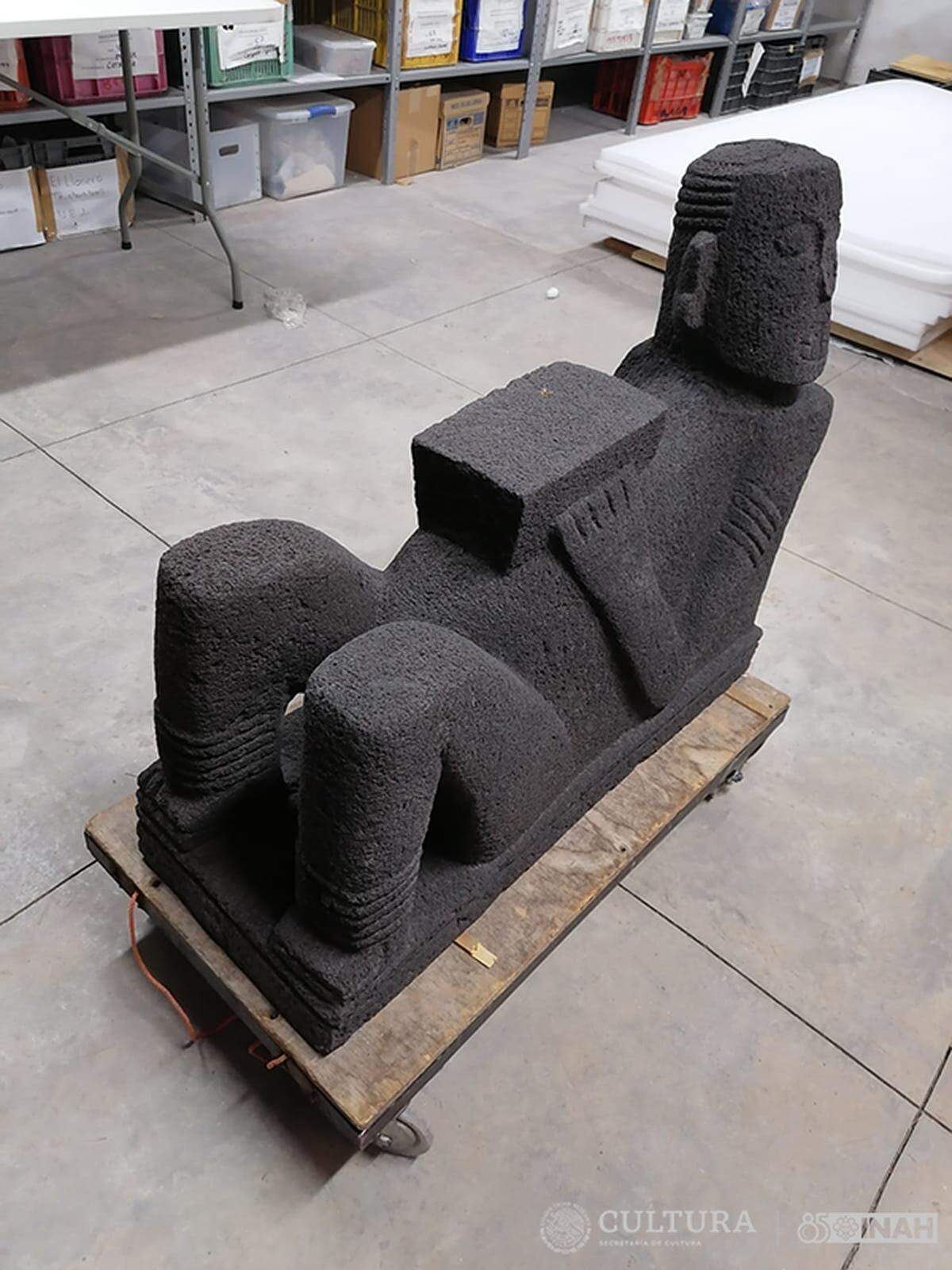
Weighing around 440 pounds, the sculpture is about 3 feet long and 2.5 feet tall, researchers said. It is carved from augite andesite, a dark black porous volcanic stone, according to the release.
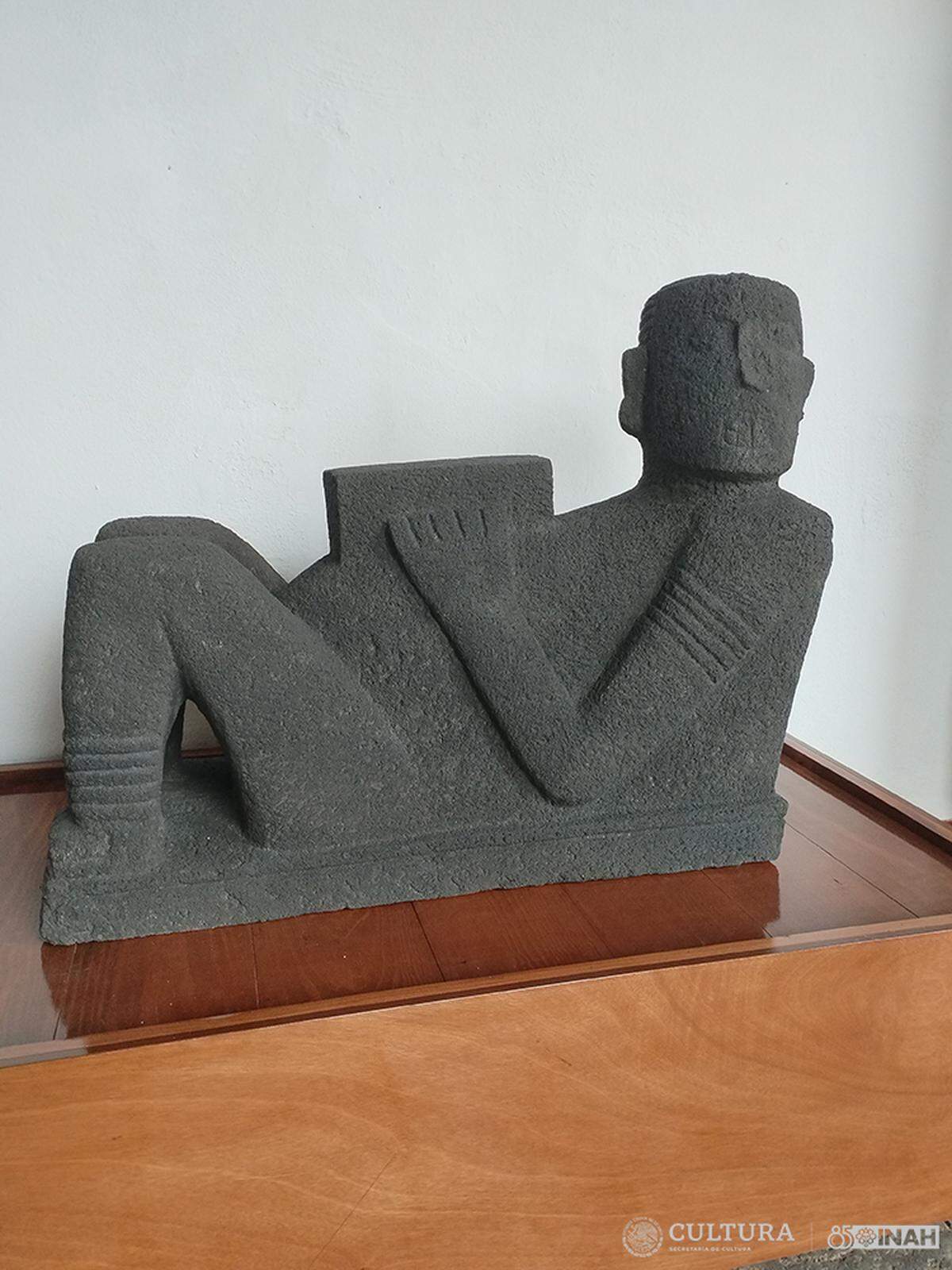
The heavy statue was brought to researchers after it was found dismantled, officials said, and through preservation and cleaning, it was restored to its original shape and color.
The stone was carved by the Mayans during the late postclassic period, between 1350 and 1521, according to the release.
It is uncommon to find these kinds of artifacts in western Mexico, archaeologists said, which raises questions as to why it was there.
The image of a seated person is classic for a chacmool, a ritualistic table that was used in pre-Hispanic times, according to the release. Archaeologists believe it was used in sacrificial and offering ceremonies.
Researchers are not sure of the origin of chacmools, and few have been found in the archaeological record, the researchers said.
Only 70 pieces have ever been found, and one hasn’t been found in this region of Mexico since 1938, archaeologists said.
Since the piece has been well-preserved, the researchers hope it will shed light on how the sculptures were used and how the art form was created centuries ago.
The sculpture is now on display at the Museum of Popular Arts and Industries of Pátzcuaro.
Pátzcuaro is in southwest Mexico, about a 230-mile drive west from Mexico City.
Google Translate was used to translate the news release from the National Institute of Anthropology and History.
This story was originally published May 13, 2024 at 2:21 PM with the headline "440-pound sculpture — used as ritual table by Mayans — discovered in Mexico. See it."