‘Color-changing’ creature with ‘tubular’ genitals found in Brazil is a new species

An “iridescent” catfish torpedoed through a rushing blackwater river in Brazil, navigating dead leaves and wood. Little did it know it was soon to be discovered as a new species.
Once the “large” fish was caught from the Jutaí River, it was kept at the Natural History Museum in London where it remained as an unidentified species. That is until researchers took a closer look and identified it as Corydoras colossus, a new kind of armored catfish, according to a study published Dec. 11 in the journal Neotropical Ichthyology.
Corydoras, a type of armored catfish, are popular in the aquarium hobby, so they are regularly caught by collectors, scientists said in the study. Aquarists have long coded their discoveries, which is how researchers found specimens of the new species.
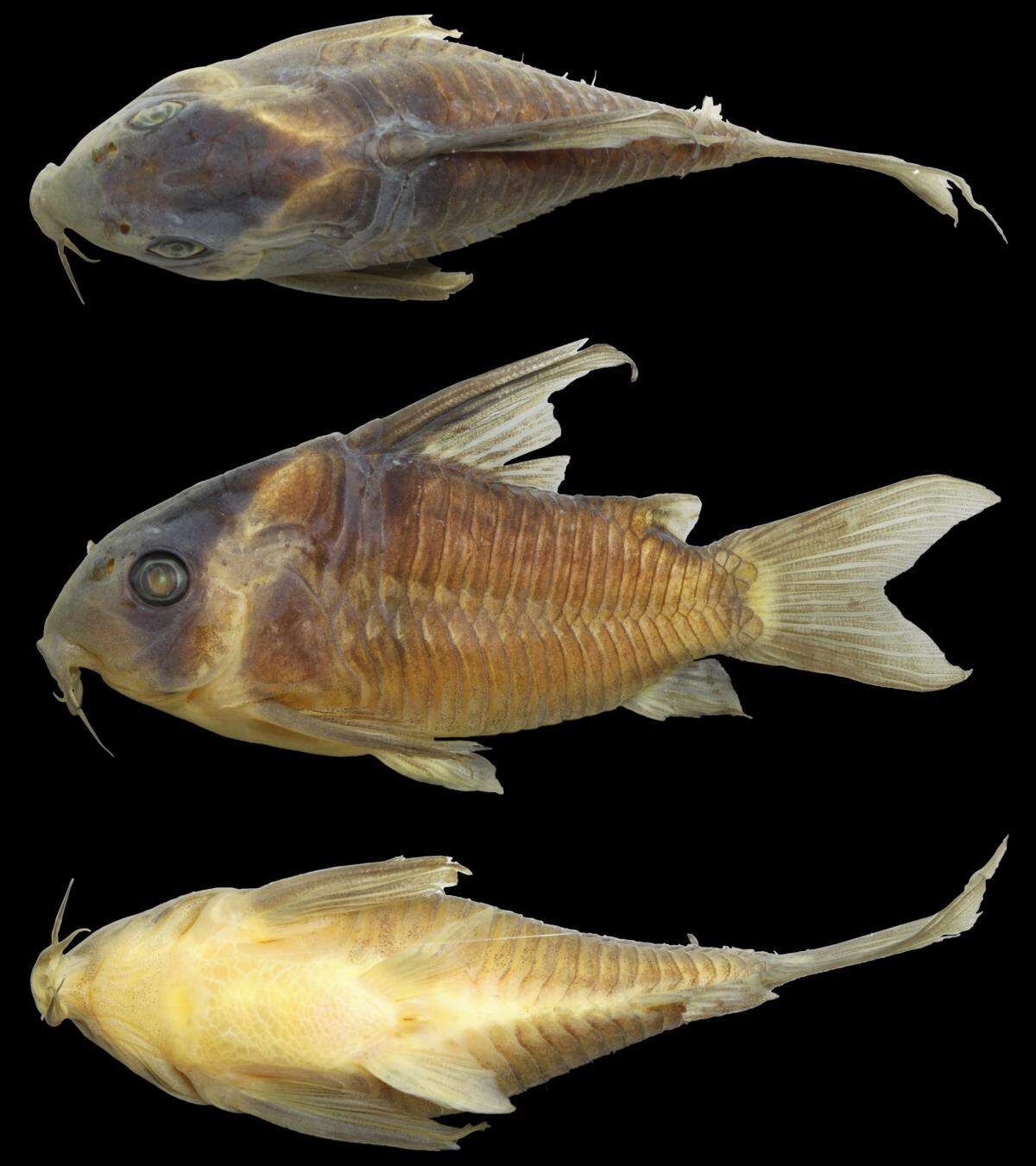
Researchers examined 17 specimens to identify the new species, they said. Corydoras colossus was distinguished from other types of armored catfish by “mosaic-like” platelets covering the front of its body, a “large” dark brown or black “mask-like” patch on its head and by a V-shaped dark patch on its back.
The fish have a “compressed” head and “roughly triangular” profile, the study said. Their snouts are “somewhat straight” and are “variably short” and “rounded.” Their mouth is “small” and their barbels — which are similar to whiskers — range in size from “short to moderate” and are covered with small, round protuberances.
Male specimens have a “tubular” genital papilla, scientists said. The genital papilla is an organ behind the fish’s anus used to release sperm or eggs.
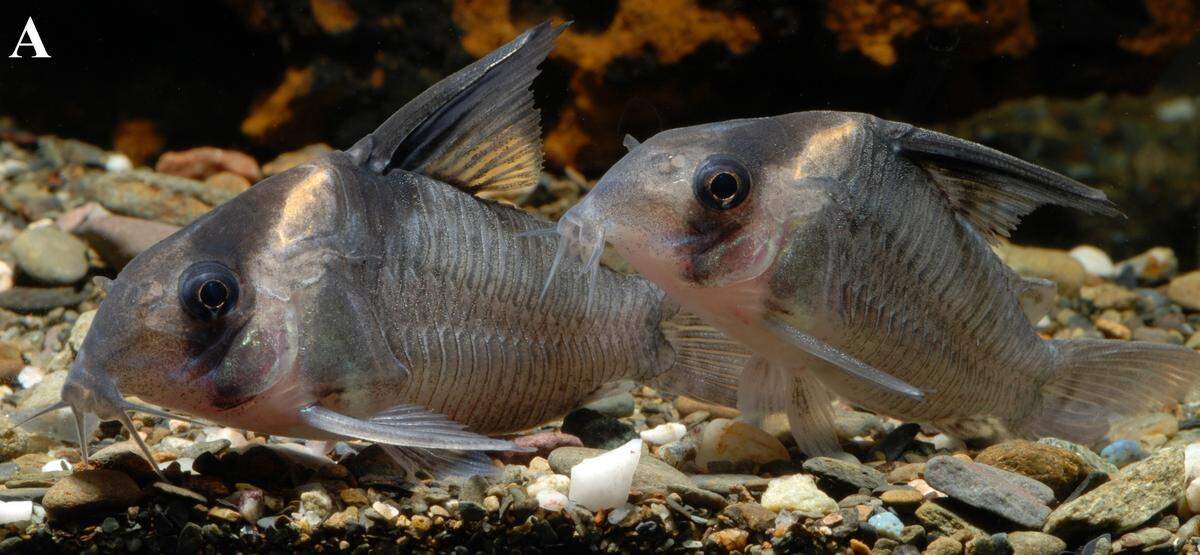
Experts said the “color-changing” fish have a light colored body covered with “greenish yellow iridescent coloration.” They have various markings on their bodies, including a “yellow to orange bright patch” that forms a V-shape. The species varies in color though, so some specimens can be fully black.
Some of the collected specimens have “multiple large, golden colored” larvae from an unknown parasite attached to the fronts of their bodies, according to researchers.
Specimens observed in captivity portrayed “variations in color pattern” that were seemingly connected to their “background or substrate,” scientists said. When the fish were in a lighter setting, they appeared “tan to light brown,” but in darker settings they could become “partially or fully black.”
Researchers said the fish have been observed to “chronically exhibit both extremes or a point in-between the range.”
Photos show variances in specimens’ coloration.
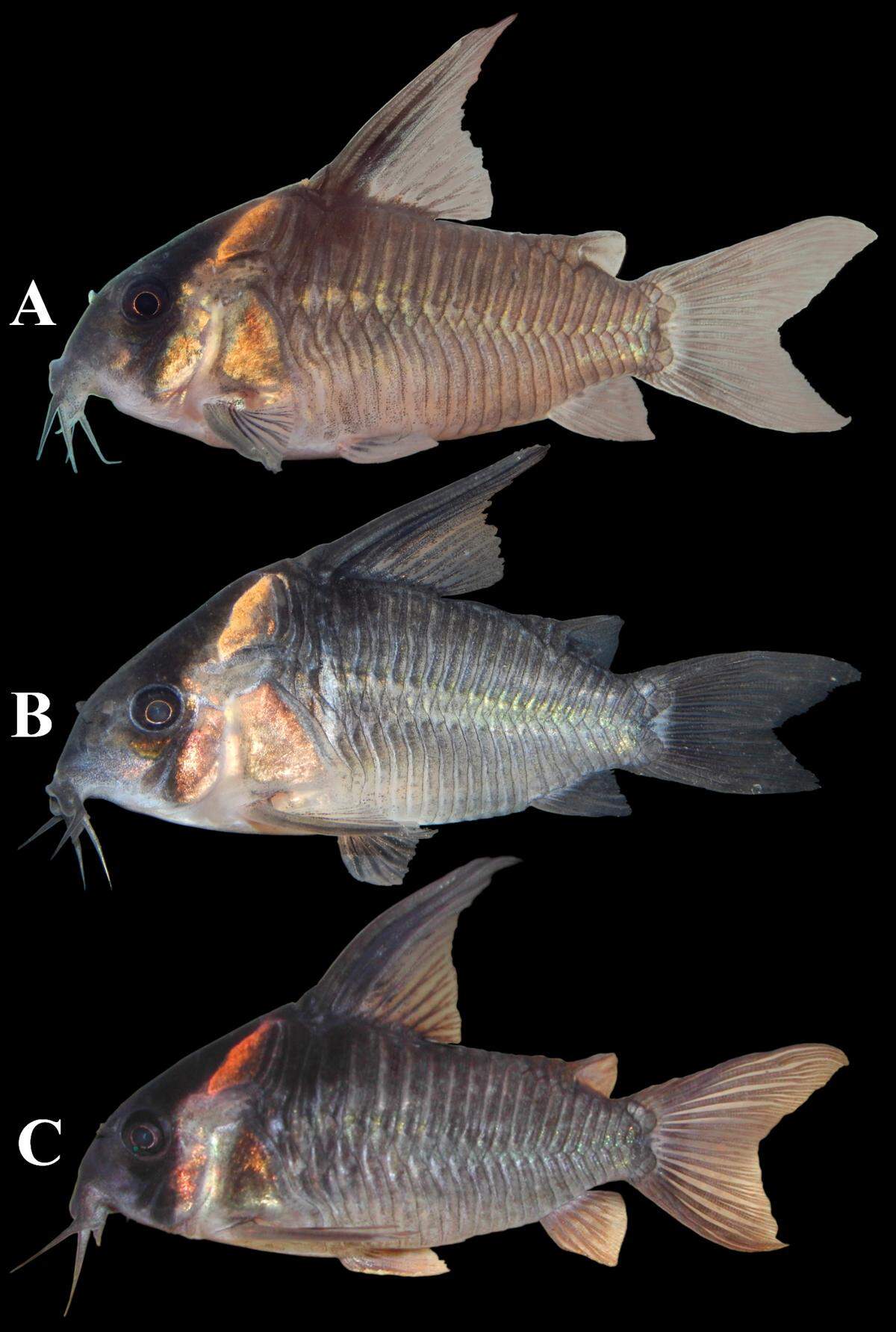
Experts are not certain why the species changes color or what triggers it, but they hypothesized that it is likely a means to repel predators. Further research will help reveal more about the creatures’ color patterns.
The name of the fish was derived from the Ancient Greek word “kolossós”, meaning “’large/giant statue’” because of their “relatively large, robust, armored body,” scientists said. Specimens ranged from approximately 1.5 inches to 2 inches long, not including their tail fin.
Researchers said the species is only known from the Jutaí River, which is in northwestern Brazil.
This story was originally published December 12, 2023 at 1:02 PM with the headline "‘Color-changing’ creature with ‘tubular’ genitals found in Brazil is a new species."