‘Uncommon’ creature with ‘enormous’ genitalia turns out to be new species in Australia
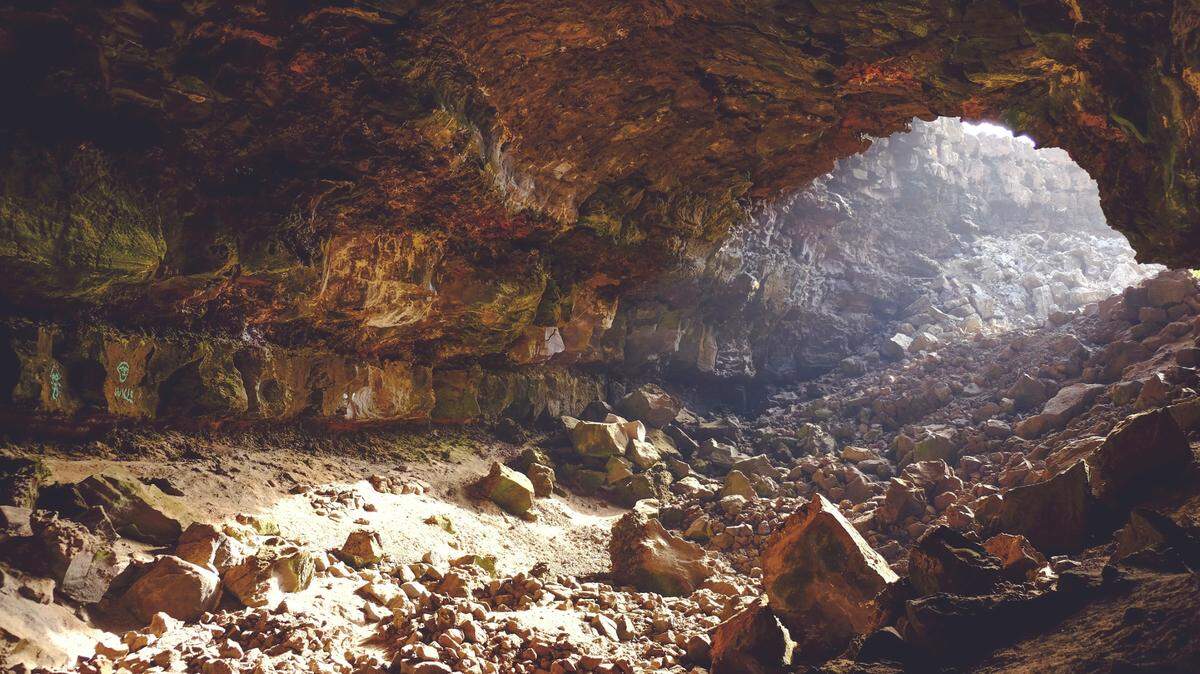
A “large” creature flapped its “patterned wings” as it navigated a boulder cave in Australia, soaringed straight into researchers’ dung trap.
Scientists were searching for a “relatively uncommon” genus of flies in Queensland, according to a study published Dec. 7 in the European Journal of Taxonomy. Between 1998 and 1999, they collected more than 100 specimens, and identified two new species: Pleuroseta ingens and Pleuroseta monteithi.
Pleuroseta — a type of dung fly — differs from other genera by having a unique “patch” of bristles, researchers said. The creatures are only known to be in Australia, with three species living in New South Wales and Queensland, and one in Western Australia.
Of the known species, three, including the two new species, have very similar traits, including a “relatively large body, striped legs (and) patterned wings,” according to scientists. Males have “distinctively enlarged” genitalia and females have “pear shaped spermathecae,” which are sex organs used to store sperm.
Pleuroseta ingens is named after the Latin word ingens, meaning “huge” or “enormous,” researchers said. The species’ name refers to the “greatly enlarged male genitalia and the very large, cup-shaped female epiproct” — an exoskeleton plate shielding the fly’s anus.
.png "Screenshot (621).png")
Researchers collected more than 100 male and female specimens of the species from Queensland using various traps, the study said. The specimens measured approximately 0.1 inches in length.
The creatures have a “golden-brown” head, yellow antennae, and brown and yellow legs, according to scientists.
Male specimens have a “very large” genital arch, and researchers described parts of its penis as “wedge shaped” and “extremely large.” Female specimens have a “very large” epiproct, which is divided into two egg-shaped parts. Their spermathecae are “stout, pear-shaped and lightly grooved.”
Pleuroseta monteithi has many of the same features as P. ingens, researchers said. Two male specimens, measuring approximately 0.1 inches in length, were collected.
.png "Screenshot (620).png")
The flies have a “slightly paler” wing pattern than P. ingens, according to the study. Similar to P. ingens, the flies have “extremely large” and distinctly shaped genitalia. Researchers described parts of the creatures’ genitals as “triangular,” “curved” and “beak-like.”
Pleuroseta monteithi was named in honor of Geoff Monteith, a researcher who collected specimens of the species and many of the other known specimens of other Pleuroseta species, scientists said.
Queensland is in northeastern Australia.
This story was originally published December 8, 2023 at 1:07 PM with the headline "‘Uncommon’ creature with ‘enormous’ genitalia turns out to be new species in Australia."