
Rock formation millions of years old collapses at Utah national park, rangers say
A natural rock formation millions of years old has collapsed at Glen Canyon National Recreation Area in Utah, rangers reported.
The famed Double Arch in Rock Creek Bay in Lake Powell collapsed Thursday, Aug. 8, the National Park Service said in a news release. No injuries were reported.
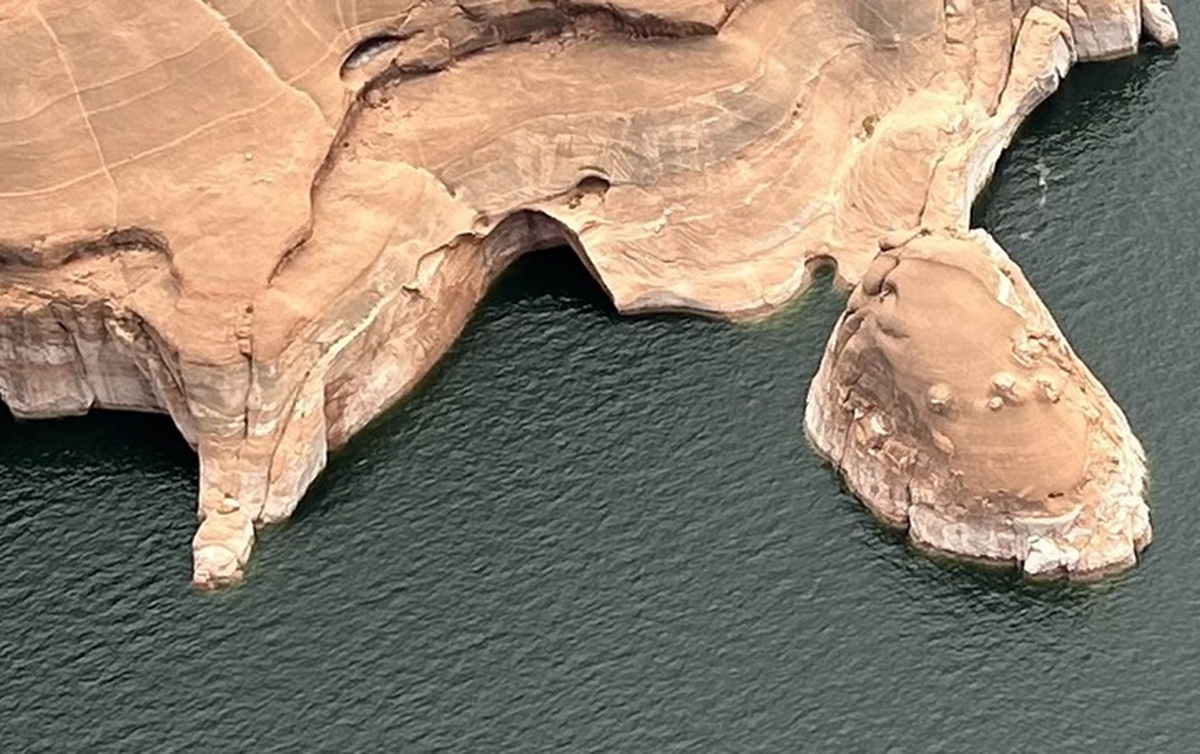
The rock formation also was known as the “Toilet Bowl,” “Crescent Pool” and “Hole in the Roof,” rangers said. It was formed from 190-million-year-old Navajo sandstone.
Experts believe the collapse may have been caused by changing water levels in Lake Powell and erosion from wave action, rangers said.
“This event serves as a reminder of our responsibility and need to protect the mineral resources surrounding Lake Powell,” Superintendent Michelle Kerns said in a statement in the release.
“While we don’t know what caused this collapse, we will continue to maintain our resource protection efforts on Lake Powell for future generations to enjoy,” she said.
Glen Canyon National Recreation Area is about a 270-mile drive south from Salt Lake City.
This story was originally published August 11, 2024 at 1:53 PM with the headline "Rock formation millions of years old collapses at Utah national park, rangers say."