
Will new law stop Manatee cruise port plans? Some warn it’s a ‘Trojan horse’
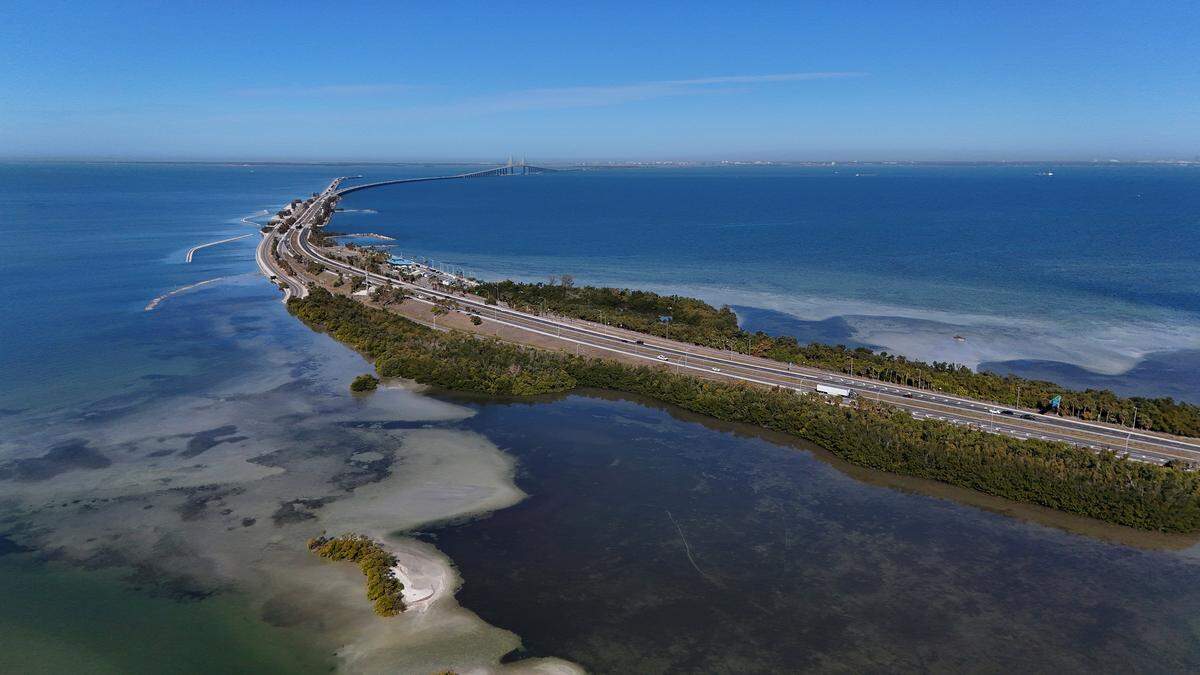
State leaders recently celebrated passage of a new law that they say will permanently block plans for a mega cruise ship port in coastal Manatee County, but critics say it doesn’t provide the protection they hoped for.
The measure, known as Senate Bill 302: Coastal Resiliency, was met with praise and relief from many locals and cautious optimism from environmental advocates who helped organize resistance to the cruise port. As he signed the bill in Bradenton, Gov. Ron DeSantis said there’s “not really a need” for a cruise port in the area and suggested that the law would mark the end of the controversial saga.
“The bill would not allow the dredging that would be necessary to convert this into a commercial cruise ship terminal,” DeSantis said. “The dredging that will be allowed would be for passive recreational fishing, boating, water quality purposes, but not for a new commercial port in this area.”
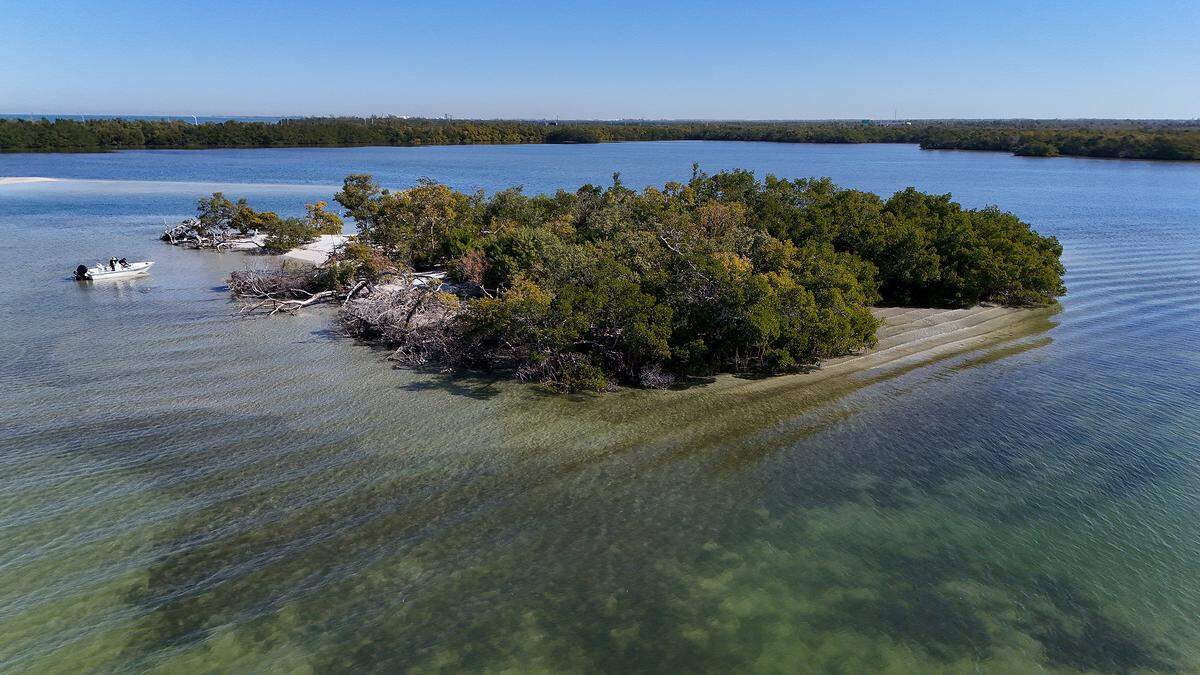
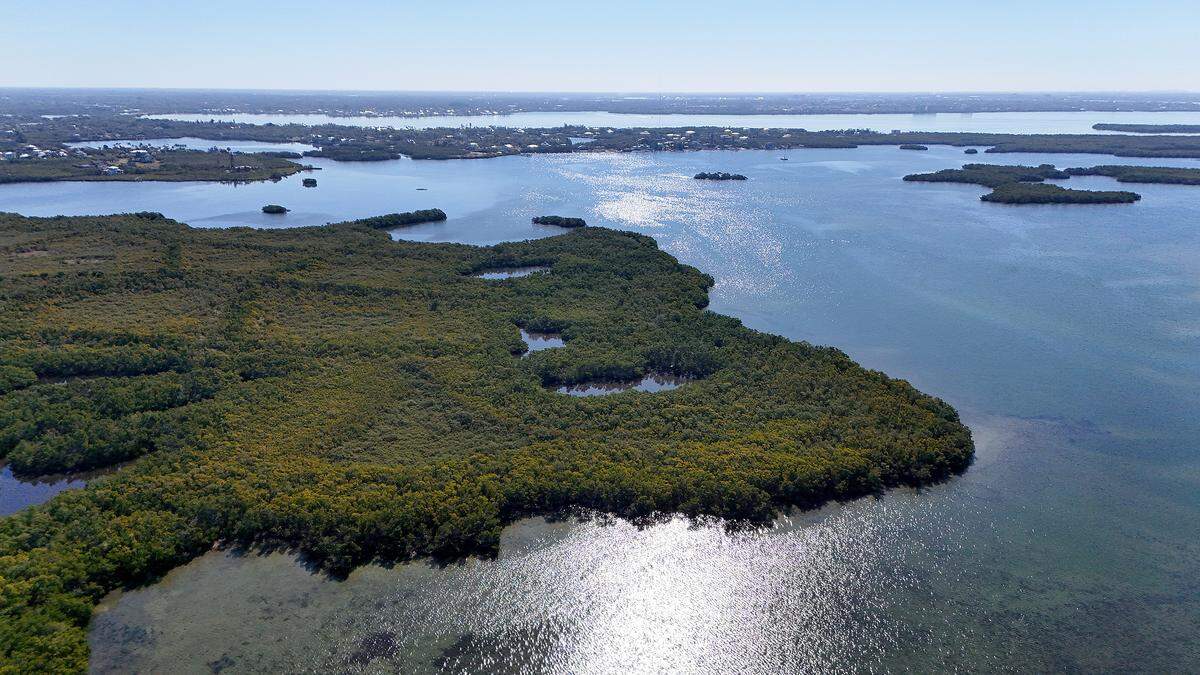
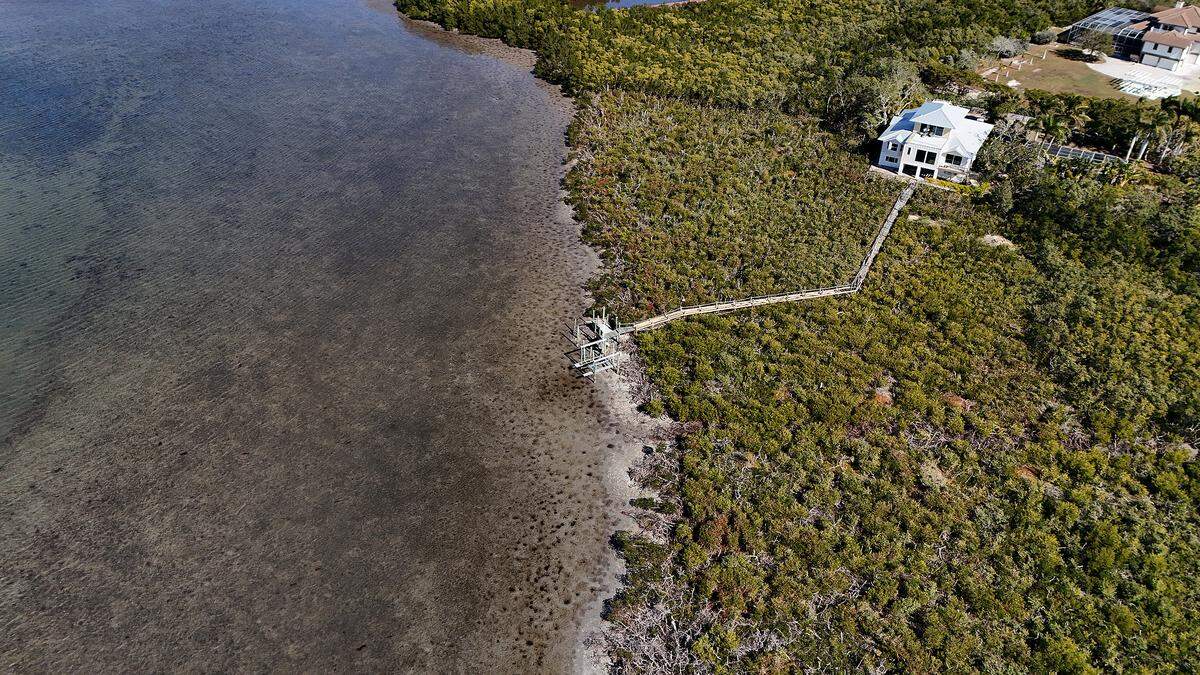
But critics of the law point to what they say are concerning loopholes. They argue that it could open the door for major building to occur inside Terra Ceia Aquatic Preserve, one of the last undeveloped areas along Tampa Bay.
“Although on the surface it looks like they have come to the rescue of Terra Ceia Aquatic Preserve by stopping the cruise port, in actuality what they have done is weakened the rules protecting the preserve,” said Thomas Glancy, a Terra Ceia resident and former environmental specialist supervisor with the Florida Department of Environmental Protection. Glancy now operates a private consulting firm.
While SB 302 seemingly limits the deep dredging that would be necessary for a cruise port, it also adds exceptions for development in the preserve that were not previously in state law. Specifically, it allows “minimum dredging” for “the creation and maintenance of marinas, public boat ramps, piers and docks.”
Bill to block Manatee cruise port includes exceptions
The word “marina” is of particular concern to cruise port opponents, who worry that it could encompass a similarly large and potentially environmentally destructive project. Lawmakers did not define what they meant by a marina in the statute — raising concerns that such a project could be scaled to accommodate large vessels.
“Had they really just wanted to stop the cruise port, one sentence would have done it: ‘No dredging or filling in the aquatic preserve,’” Glancy said. “They didn’t need to provide exceptions.”
He’s not alone in questioning some of the bill’s language.
Jaclyn Lopez, an environmental law professor and director of Stetson University’s Jacobs Public Interest Law Clinic for Democracy and the Environment, said lawmakers seemed to have good intentions to protect Terra Ceia Aquatic Preserve — but parts of SB 302 give her pause.
“Maybe there was nothing sinister intended. It seemed like everyone was working to stop the potential port. But you know, the legislation could have just said that very directly,” Lopez said. “It seems like a more elegant solution would have been to prohibit a cruise port explicitly.”
“The bill that ultimately passed is vague and might create more problems than it intended,” Lopez added.
Other environmental law experts who reviewed SB 302 at the Bradenton Herald’s request noted that the broader bill contains positive protections for the preserve and other coastal areas in Florida. But they agreed that the bill could have gone farther to restrict development.
However, state and local leaders defended the law, arguing that it will stop construction of a cruise port, and according to one official, allow plans for a new public boat ramp to continue.
“I think it’s sufficient,” Manatee County Commission Chairman Tal Siddique said. “I think the process worked. The public stood up against the cruise port. The legislature stepped in during session very quickly, and now here we are.”
Local and state leaders react to criticisms of new law
Siddique says that Manatee County staff asked state Sen. Jim Boyd’s office to include caveats in the law that will allow completion of a public boat ramp project near the Sunshine Skyway Bridge that has been in the works for several years.
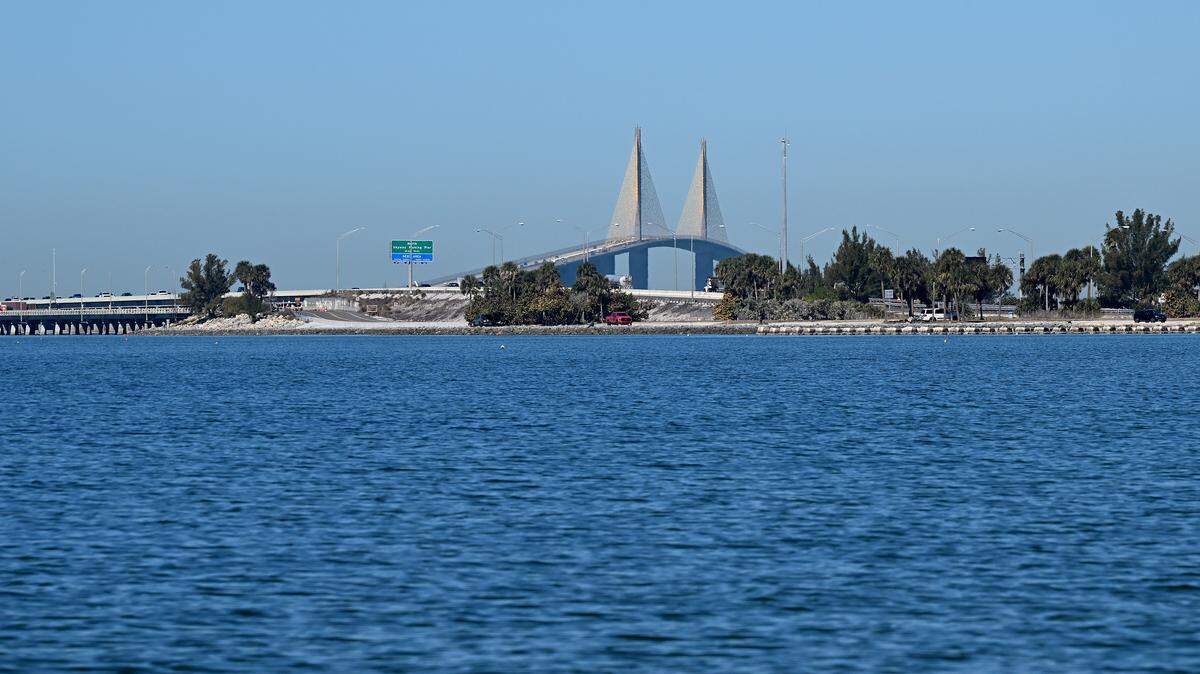
“A lot of the language around the boat ramp that people are referring to ... that’s really for our public boat ramp project, which has been ongoing in a conceptual phase for many, many years,” Siddique said. “The Skyway ... is in the aquatic preserve. That’s why that language is there, to help us get that boat ramp built.”
Siddique pushed back on concerns that the bill could still allow a cruise port or similar development in the preserve.
“I think people see something on Facebook and get carried away with it,” he said. “As far as the cruise port goes, I don’t see that moving forward at all.”
Reached for comment, Boyd provided a statement defending his efforts to protect SB 302 from harmful development.
“When a recent proposal threatened the future of the islands and coastlines that border the Terra Ceia Aquatic Preserve, I made a commitment to stop it,” Boyd’s statement said. "With Senate Bill 302 signed into law, this region, the precious coastlines, pristine waters and wildlife habitats are effectively protected from massive transformations that would have destroyed them. Since I was a teen, I have explored these natural treasures, and now future generations will have the opportunity to see, enjoy and love the Terra Ceia we know today.”
Taking a different tone, Rep. Will Robinson acknowledged that the final wording of SB 302 was not ideal. Robinson, a Bradenton Republican, chairs the State Affairs Committee, which sponsored the House version of the bill.
Robinson said House lawmakers learned of concerns about SB 302, including the marina language, too late in the session. Rather than “jeopardizing the entire bill,” the House passed it unchanged, Robinson said.
“It would have been way too risky to amend the bill,” Robinson said, explaining that it would have had to go back to the Senate for another hearing, where it could have stalled with only days remaining in the session. “It was too important to the community. If we need to make some alterations and some adjustments down the road, we can do it.”
Cruise port backers go quiet on plans
When SB 302 passed the Florida Senate and then the House earlier this year, SSA Marine continued to strike an optimistic tone about its plans.
“SSA Marine looks forward to continuing to share our vision for meaningful environmental conservation, local job creation, and long-term economic growth in Manatee County,” spokesperson Sally Dee said in an email at the time. “We remain committed to working constructively and maintaining an open dialogue with state and local leaders, community stakeholders, and regional partners, to ensure this project meets the economic and ecological needs of the region.”
But since Gov. Ron DeSantis signed SB 302 in March, the private companies behind the cruise port pitch have gone quiet.
SSA Marine did not reply to a request for comment about the status of the project. Slip Knott LLC, the company that owns the land where the cruise terminal is proposed, declined to comment.
A website for the cruise port project remains active, but no updates have been posted since February.
Glancy worries that the companies may see a path forward for development in the preserve, despite the new law.
“My gut feeling is that this whole idea of the cruise port was to make us show our hand and reveal all of the things that would stand in front of them as possible barriers to doing commercial development on these sites,” Glancy said.
Are cruise port companies hoping for a state buyout?
Another possibility, Lopez says, is that the companies are hoping to profit in a different way — such as an offer from the state to buy their lands through a conservation program like Florida Forever.
“Perhaps they are trying to reignite interest in public acquisition,” Lopez said.
The state and Manatee County Government previously tried to buy Rattlesnake Key for conservation, but the deal repeatedly fell through after appraisals did not approach the price that landowners wanted.
In recent years, Florida officials have approved major payouts to private landholders for far less environmentally significant lands than those in the Terra Ceia Aquatic Preserve.
For instance, DeSantis and the Florida Cabinet signed off on a deal in September to pay $83 million for a 4-acre piece of developed waterfront land in Destin using state conservation funds.
Is Terra Ceia law a ‘Trojan horse?’
Suncoast Waterkeeper, a water quality advocacy organization that represents Manatee and Sarasota counties, partnered with Tampa Bay Waterkeeper to lead a public campaign against the cruise port proposal. It drew the support of thousands of residents and caught the attention of state leaders.
The Waterkeepers also corresponded with lawmakers during the legislative session to provide advice on crafting SB 302.
According to a recent report by Suncoast Searchlight, Tampa Bay Waterkeeper warned lawmakers that SB 302’s language was too vague and recommended changes to make the bill more prohibitive of dredging.
However, Boyd’s office said the senator received those suggestions too late in the session, according to the report.
Abbey Tyrna, executive director of Suncoast Waterkeeper, acknowledged that the law does not provide the level of protection that Waterkeepers and residents wanted for the preserve. She also agrees with critics who say it weakens some protections by allowing dredging for a marina.
But despite its potential flaws, Tyrna says the law sends a clear message that everyone, from residents to state leaders, wants to protect Terra Ceia Aquatic Preserve.
“SB 302 galvanized the opposition while also revealing unanimous agreement among Florida’s elected leaders, from the House and Senate to the Governor, that a cruise port should not be located within the boundaries of the Terra Ceia Aquatic Preserve (TCAP),” Tyrna said in an email. “Furthermore, it reinforced the consensus that preserving TCAP in its natural state as one of the last remaining undeveloped coastal areas in Tampa Bay is in the public’s best interest.”
“While this vehicle will most likely not deliver on those intentions, we have put in motion the opposition and hope to bring a stronger bill across the finish line next legislative session,” Tyrna added.
Robinson, who is not seeking re-election to the House due to term limits, urged the community and lawmakers to keep advocating for Terra Ceia.
“I have no doubt that the developer is going to come back with some other strategy,” Robinson said. “The community will have to react at that point. If a future legislature has to come back and fix something or tighten something up, they certainly can do that.”
Until then, opponents of development in the aquatic preserve are not letting their guard down.
“If there ever was a Trojan horse, this is it,” Glancy said.
This story was originally published April 16, 2026 at 5:50 AM.