‘Serious harm.’ Environmental advocates oppose Manatee County cruise port plan
A plan to build a cruise terminal in Manatee County has fierce opposition from environmental advocates who say it would irreversibly harm Tampa Bay.
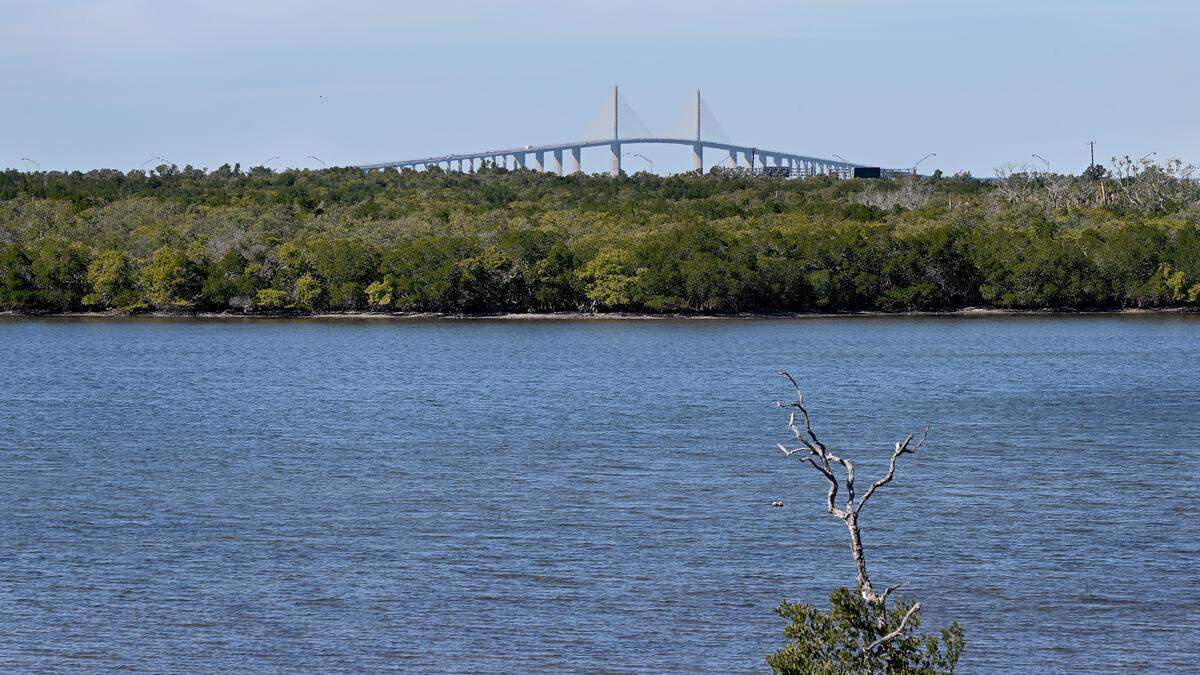
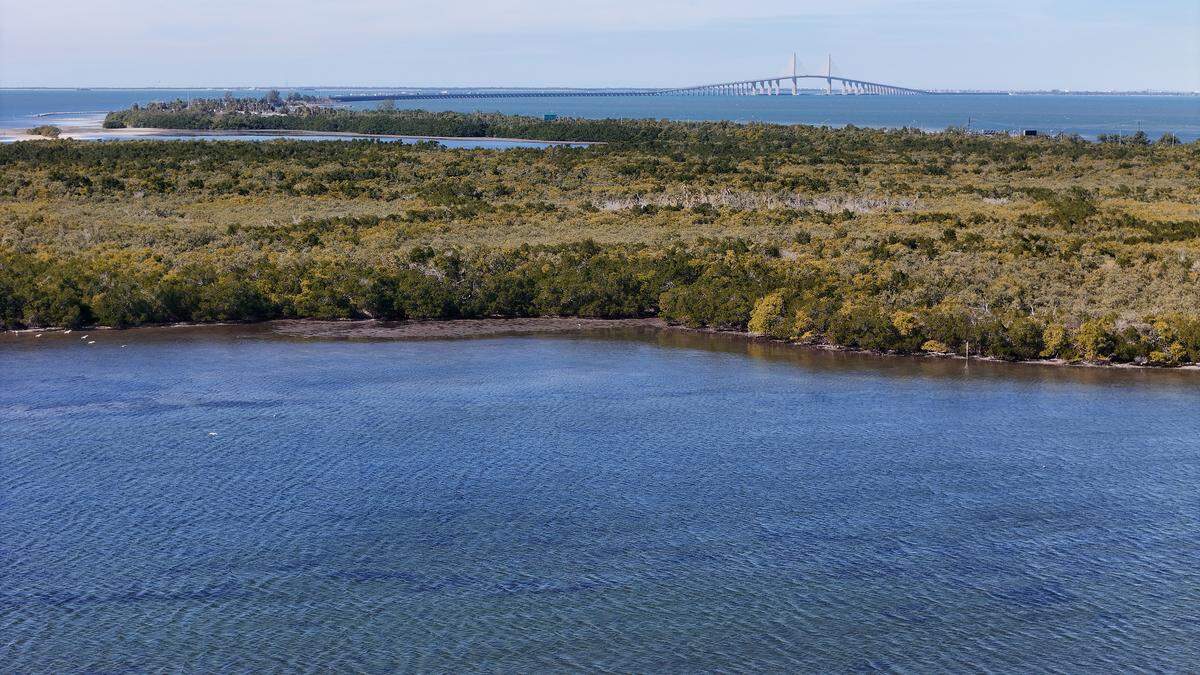
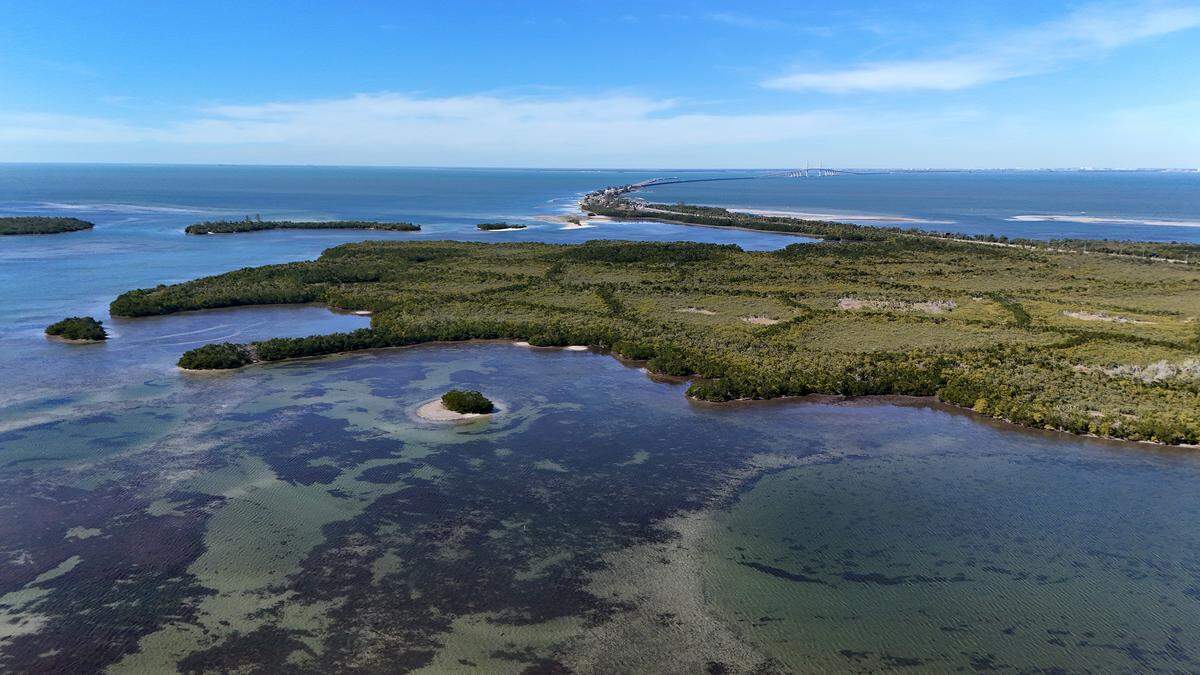
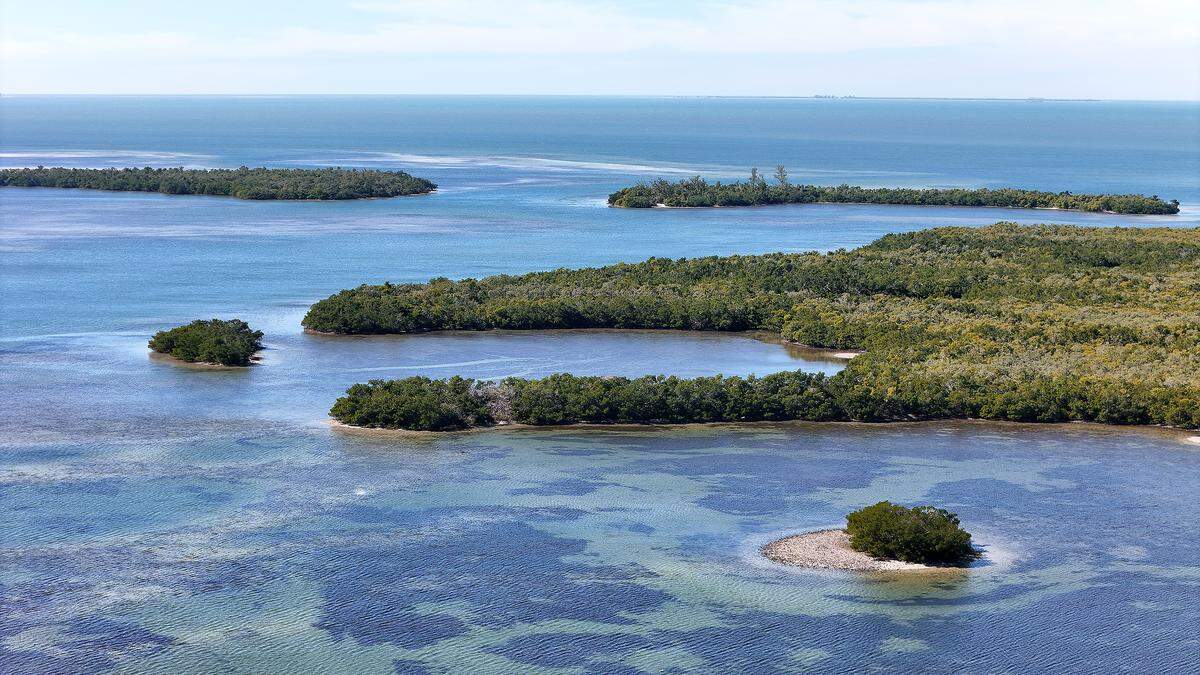
The over 300-acre project is proposed just southeast of the Sunshine Skyway Bridge in the Terra Ceia area, a sweep of undeveloped coastline dotted with islands, bayous and mangrove forests.
Partners SSA Marine and Slip Knott LLC say their cruise port would allow massive cruise ships that cannot fit under the Skyway to avoid the bridge entirely and dock in Terra Ceia, establishing the first landing for megaships on Florida’s Gulf Coast.
In their pitch, the companies argue the cruise industry would bring tens of thousands of jobs to the area. They also say their plans show a “commitment to environmental stewardship,” including the preservation of Rattlesnake Key, an over 700-acre island that is not included in the cruise port proposal.
But critics of the plan, including Bradenton-area state lawmakers, say environmental damage from the port’s construction and operation would far outweigh the benefits.
Local environmentalists warn of widespread impacts to the Gulf Coast if a cruise port materializes.
“The proposed port would threaten the health of our shared watersheds, including Tampa Bay, Terra Ceia Bay, Sarasota Bay, and beyond,” reads a petition launched by environmental advocacy group Suncoast Waterkeeper. “SSA Marine’s claims about economic benefits and ecological preservation obscure the real, serious harm this terminal would inflict on our waterways, our health, our businesses, and our way of life.”
Abbey Tyrna, executive director of Suncoast Waterkeeper, said she was “surprised and horrified” when she first heard of the proposal.
“We’re already starting to gather information, and we can say with a great amount of certainty that this port would significantly alter our ecosystems in a way that I don’t think anybody could understand,” Tyrna said.
Cruise port proposed for one of Tampa Bay’s last wildlife havens
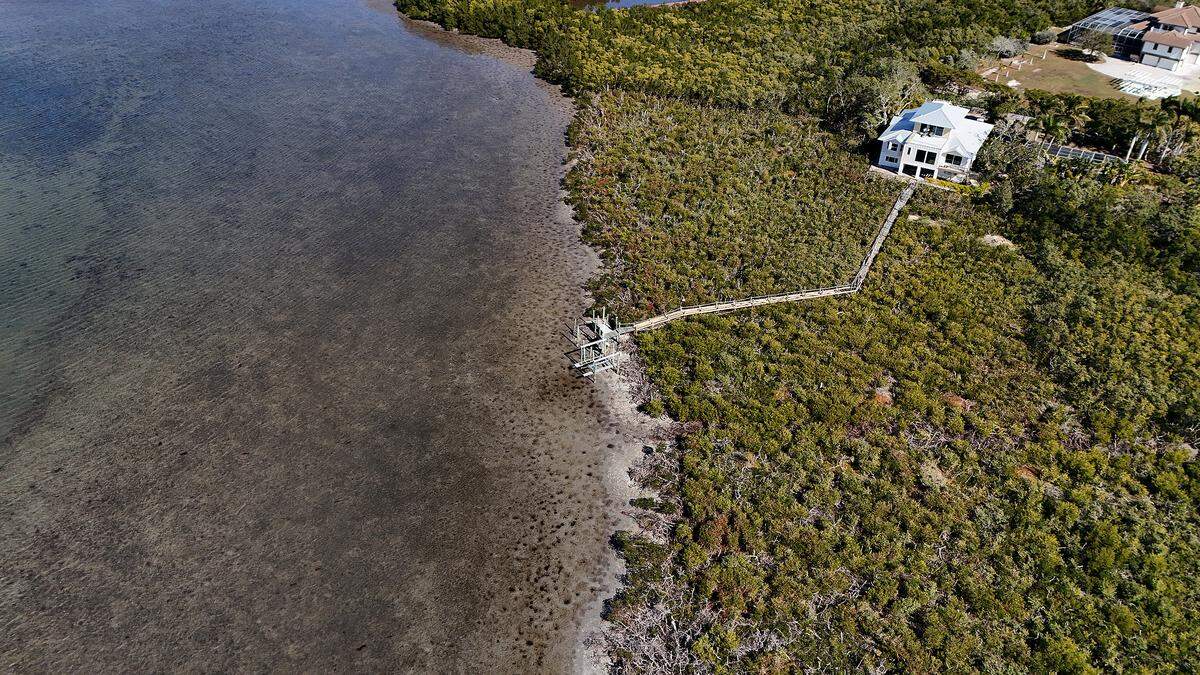
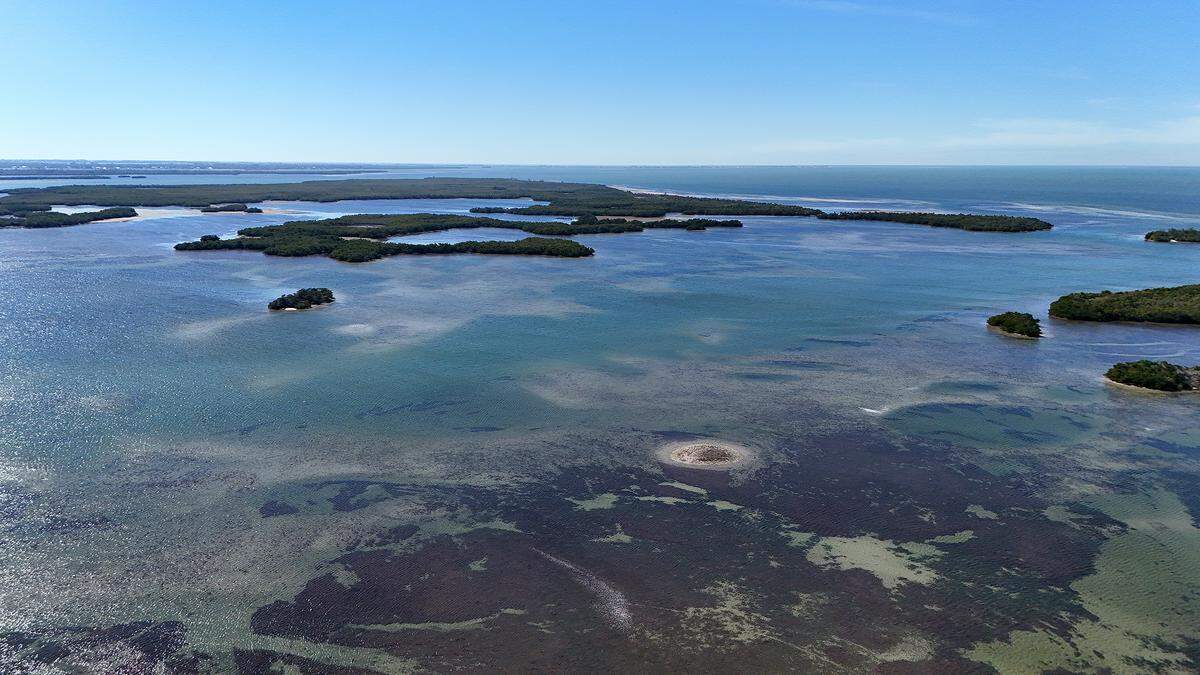
Terra Ceia is one of the last undeveloped areas along Tampa Bay. Its network of wetlands and seagrass flats provides a major haven for wildlife, as well as a popular recreation and fishing ground for locals.
Environmental experts say that dredging required for a project like this would have detrimental effects on surrounding ecosystems.
“The sheer amount of material you’d have to remove for that type of channel is huge,” Patrick Schwing, a marine geologist, said. “You’d have to get down to at least 45, maybe 50 feet depth, and it would have to be just as wide as the main shipping channel in Tampa Bay is now.”
And, contradicting claims of economic benefits, some argue that a cruise port could actually harm Tampa Bay’s water-dependent economy in the long term.
“This proposal is just not aligned with our West Coast,” Tyrna said. “It just doesn’t belong here because our communities have been built off of a diverse local economy, and this would devastate that economy…it would create a more central economy where only certain people gain and many people lose.”
An underwater landfill? Expert describes dredging impacts
Schwing, a marine science professor at Eckerd College in St. Petersburg, studies geological oceanography and land-use impacts on marine ecosystems.
During the dredging process that violently stirs up the ocean floor, Schwing said the activity can release things that were once trapped in the sediment.
“If you’re resuspending things on the seafloor, inevitably there can be some inorganic — like trace metal — contamination,” Schwing said. “And there can also be organic contamination.”
According to Schwing, a sudden increase in organic matter and nutrients can cause algal blooms. Algal blooms can be toxic to marine organisms and humans.
And that dredged material has to go somewhere, which could cause further impacts.
“Outside of just silting things up, you’d have to find a place for all that material to go, and they usually put it back in the marine environment,” Schwing said. “It can create structure for fisheries or corals eventually, but that takes years to decades to develop. It’s essentially a landfill for several years.”
Cruise ship traffic could cloud Tampa Bay’s future, experts say
Beyond the initial dredging, experts predict permanent impacts on Tampa Bay’s water quality and wildlife.
For example, while dredging would destroy seagrass beds, the continuous cruise ship traffic would perpetually stir up sediments, causing murkier water.
When water is more turbid, or cloudy, it limits the amount of light that can reach the bottom of the ocean. Sediment can also resettle and choke out beds of marine life.
A recent monitoring effort by the College of Florida Keys found that cruise port activity in South Florida regularly stirred up more sediment than hurricanes.
“If you have too much turbidity in the water column, it basically shades out seagrass and can lead to sort of secondary impacts where seagrasses are being lost because the water isn’t clear enough to allow sunlight to penetrate,” Burke said.
Schwing said constant disturbances in tidal flow from cruise ship traffic could also lead to other problems.
Research has found that the wakes created by cruise ships can alter wildlife behavior, disrupt their life cycles and lead to increased shoreline erosion.
Pollution runoff from the cruise port terminal itself is another concern, Schwing noted.
Favorite fish and endangered wildlife: What lives in Terra Ceia?
As part of Tampa Bay, Florida’s largest open-water estuary, Terra Ceia provides habitat for lots of wildlife.
Creatures found there include imperiled animals like the West Indian manatee and Kemp’s ridley sea turtles and sightseer favorites like dolphins and wading birds.
The area also serves as a nursery for dozens of fish species, like snook, that provide a bounty for commercial and recreational anglers. Maya Burke, Assistant Director of the Tampa Bay Estuary Program, also said the area is known to be a nursery for blacktip sharks, an important ecosystem predator that’s among the most popular species for sport fishing.
“We also know that the hard and live bottom in the vicinity of the area is important for a lot of the reef fishes that are stopping over on their way to near shore reef habitats out in the Gulf,” Burke said.
Smalltooth sawfish, a critically endangered species, have also been spotted in the waters surrounding Rattlesnake Key. Environmentalists say these waters are one of the few places in Tampa Bay where the species has been documented.
How cruise port plan could impact ecosystem and economy
Burke said the TBEP estimates about 295 acres of habitat would be lost if the Knott-Cowen Cruise Port proposal becomes reality. Part of TBEP’s core mission is to partner with regulatory agencies — like Manatee County Government — to ensure local governments commit to preserving critical habitats.
“And, for a project like what has been floated on the Knott-Cowen property, we’re talking about a footprint of about 295 acres of … potential habitat loss, whether that’s a freshwater wetland, salt marsh, mangroves, oysters, tidal flats, sea grasses or even hard and live bottom,” Burke said.
Another impact would be the removal of hundreds of acres of mangroves, which play a vital role in commercial and recreational fisheries. The Mangrove and Trimming Preservation Act of 1996 regulates the removal of mangroves, but permits can be obtained to lawfully remove mangroves.
The loss of breeding grounds for commercial fisheries, destinations for kayak businesses and number of mangroves available to take carbon out of the atmosphere can be quantified into things called ecosystem services.
“We know that these kinds of habitats provide all sorts of services for us that we can put a dollar value to, whether it’s flood protection or taking nitrogen out of the environment, or storing carbon to fight climate change,” Burke said.
Early estimates by the TBEP suggest that a cruise port on the Knott-Cowen Tract could result in a loss of $1 million in ecosystem services, though Burke said that estimate is conservative.
A study published in 2020 found that one square kilometer of coastal wetlands, or approximately 247 acres, can prevent $1.8 million in storm damage per year, and up to $36 million over 30 years.
Can a cruise port be built in an aquatic preserve?
The proposed central hub for cruise ship activity lies directly within the Terra Ceia Aquatic Preserve, a protected area in Manatee County’s corner of Tampa Bay. The Florida Legislature created the preserve in 1984 under the Florida Aquatic Preserve Act, a law meant to shield pristine marine areas from destruction, development and pollution.
At the time, lawmakers said they wanted natural areas protected under the act “to be set aside forever … for the benefit of future generations.”
While Florida law does not prohibit development on private land within an aquatic preserve, it does restrict the major dredging required to make the land accessible to large vessels, like cruise ships.
However, the owners of the Tampa Bay property argue their project is an exception. In a document filed with Manatee County Government, they claim that the State of Florida granted permanent dredging rights for waters surrounding their property in 1955, decades before the preserve was created. They argue that the dredging rights from over 70 years ago should still be recognized today.
“There are few undeveloped areas of our coastline, and putting a port that would serve mega-sized ships just seems incompatible with our current coastline,” Tyrna said.
What happens next?
The proposed cruise port still faces major hurdles, including approvals from local, state and federal officials.
The project is in preliminary review with Manatee County Government. In the meantime, residents and advocates are already fighting the plan in the court of public opinion.
A citizen petition opposing the cruise port on Change.org has garnered over 15,000 signatures, and Suncoast Waterkeeper has launched a separate petition that has over 6,000 signatures.
Tyrna said Suncoast Waterkeeper and Tampa Bay Waterkeeper are building a coalition to oppose the cruise port.
“We want to unify our voices so that when we are presenting information, we’re presenting the most accurate information possible,” Tyrna said.