‘Getting our act together.’ Experts share good news for Manatee’s water quality
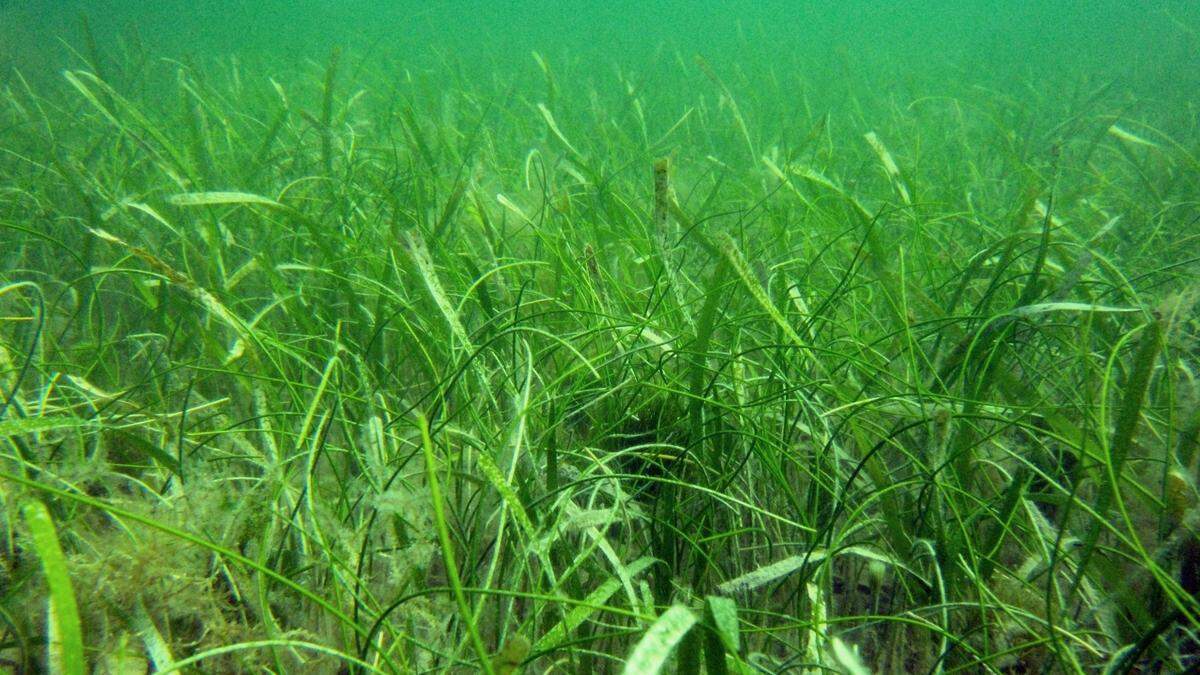
The state’s latest survey of seagrass in Gulf Coast Florida waters has good news for the Bradenton area, where the vital marine plant is rebounding for the first time in years.
Scientists use seagrass as a measure of water quality and ecosystem health — the more acres of the green stuff, the better.
Several species of seagrass grow from the bottom of the shallow coastal waters that hug the Gulf Coast. Benefits of healthy seagrass beds include filtering pollution, providing shelter and food for marine life like manatees, preventing erosion and storing away climate change-causing carbon.
“If you want to recover seagrass meadows, there’s no gimmicks,” said Sarasota Bay Estuary Program Executive Director Dave Tomasko. “You’ve got to reduce your pollutant loads. That will improve the water quality, and then seagrass comes back on its own.”
Tomasko says that millions spent on infrastructure upgrades by local governments in Manatee and Sarasota counties are reflected in the positive results of the latest seagrass survey.
Every two years, scientists with the Southwest Florida Water Management District (SWFWMD) scout waters from Pinellas County to Lee County, using airplane photography and field dives to get a picture of how seagrass beds are faring.
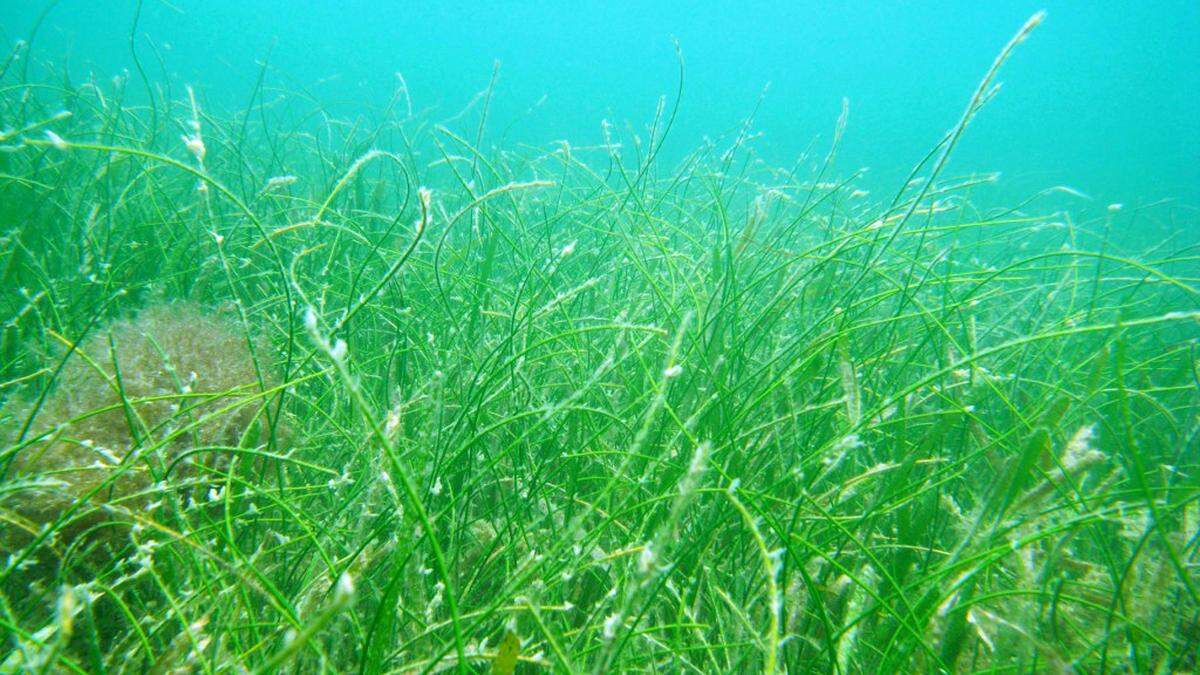
The survey includes all three major water bodies that touch Manatee County — Tampa Bay, Sarasota Bay and the Manatee River. The latest survey measured changes from 2022 to 2024, and state scientists recently shared the results.
They found that while seagrass growth was stagnant in some Manatee County waters, there were no losses, and a few areas saw major increases — including a record-high amount of seagrass in Lower Tampa Bay and double-digit increases in Sarasota Bay.
“The increases arose from natural recruitment, based on multiple years of improving water quality,” Tomasko said.
Scientists hope the survey marks a turning point for seagrass, which has suffered heavy die-offs in Tampa Bay and Sarasota Bay since 2016.
Here’s a closer look at the results.
Sarasota Bay seagrass survey finds growth
The brightest spot of the latest seagrass survey was in the Sarasota Bay Estuary, where scientists found an average increase of 19% in seagrass acres from 2022 to 2024. It was the first estuary-wide increase documented since 2016:
- Within the estuary, which is divided into several water bodies, Sarasota Bay saw the highest gains at 24%, from 7,591 acres in 2022 to 9,424 acres in 2024. Maps define Sarasota Bay as the waters spanning from around Holmes Beach south to Lido Key, part of the Intracoastal waterway that borders coastal Manatee County and Anna Maria Island.
- Palma Sola Bay, which borders Cortez and Bradenton, had a 3% increase in seagrass, from 1,200 acres in 2022 to 1,239 in 2024.
- All other segments of Sarasota Bay saw increases in seagrass: 1% in Roberts Bay, 4% in Little Sarasota Bay and 4% in Blackburn Bay.
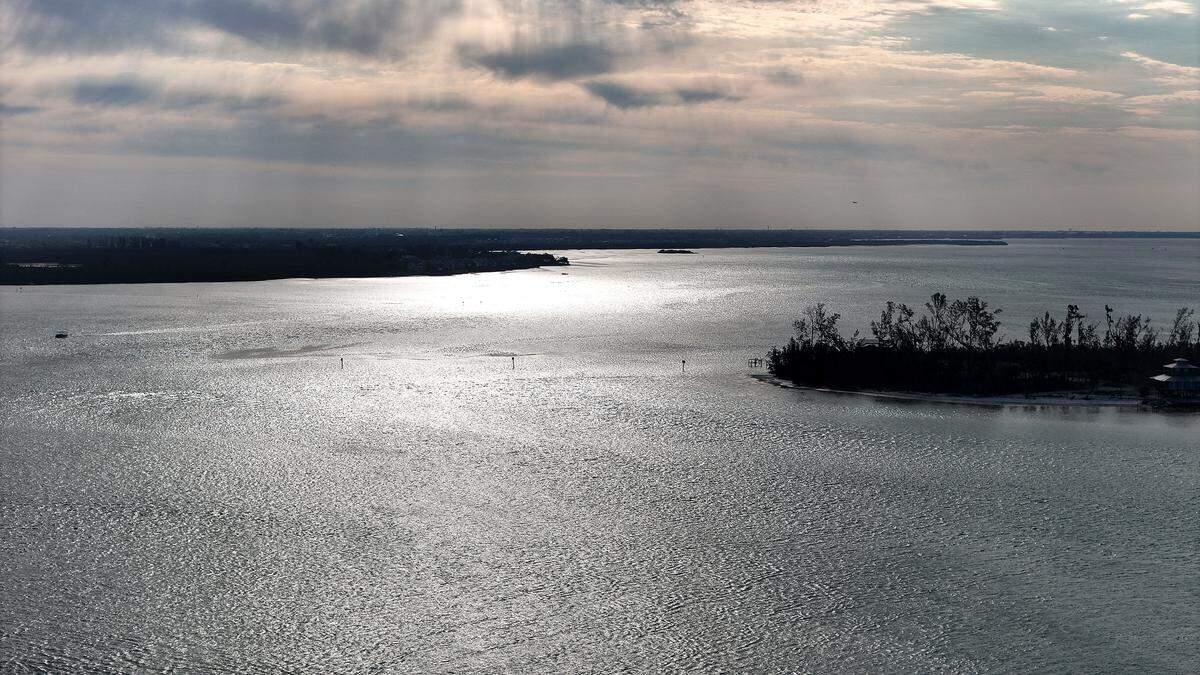
In the Tampa Bay Estuary, which is defined as coastal waters from around Manatee Avenue north to Pinellas and Hillsborough counties, scientists found an average increase of 5% in seagrass acres — another first since 2016:
- The Manatee River had an increase of 1% in seagrass coverage, from 461 acres in 2022 to 463 acres in 2024. That’s still below 2020 seagrass levels, when 570 acres were mapped.
- Terra Ceia Bay only gained 1 acre — less than 1% — of seagrass from 2022 to 2024, for a total of 993 acres. That’s still below 2020 levels, when 1,079 acres were mapped.
- Lower Tampa Bay, which touches the north end of Anna Maria Island and parts of Manatee County’s coastline, gained 5% in seagrass coverage, from 7,625 acres in 2022 to 8,026 in 2024. It’s a record high level of seagrass since surveying began in 1988.
- Hillsborough Bay saw the highest seagrass increase in the estuary — a 185% jump from 409 acres to 1,665 acres.
- There was bad news in Old Tampa Bay between Pinellas and Hillsborough counties, where heavy seagrass losses continue. After a loss of 38% of seagrass from 2020 to 2022, an additional 8% was lost from 2022 to 2024, SWFWMD found, bringing the bay’s seagrass to historic lows.
“It can be easy to fixate on the negative, especially when it comes to the environment,” said Tampa Bay Estuary Program Assistant Director Maya Burke in a news release. “But Tampa Bay has been, and continues to be, a remarkable story of success. Our story may not be simple — with this year’s results showing both record high seagrass coverage in Lower Tampa Bay and record lows in Old Tampa Bay — but we do know how to work together for a better Tampa Bay.”
The survey documented over 31,000 acres in Tampa Bay, well on the way to the estuary program’s target of 40,000 acres.
Seagrass health after hurricanes
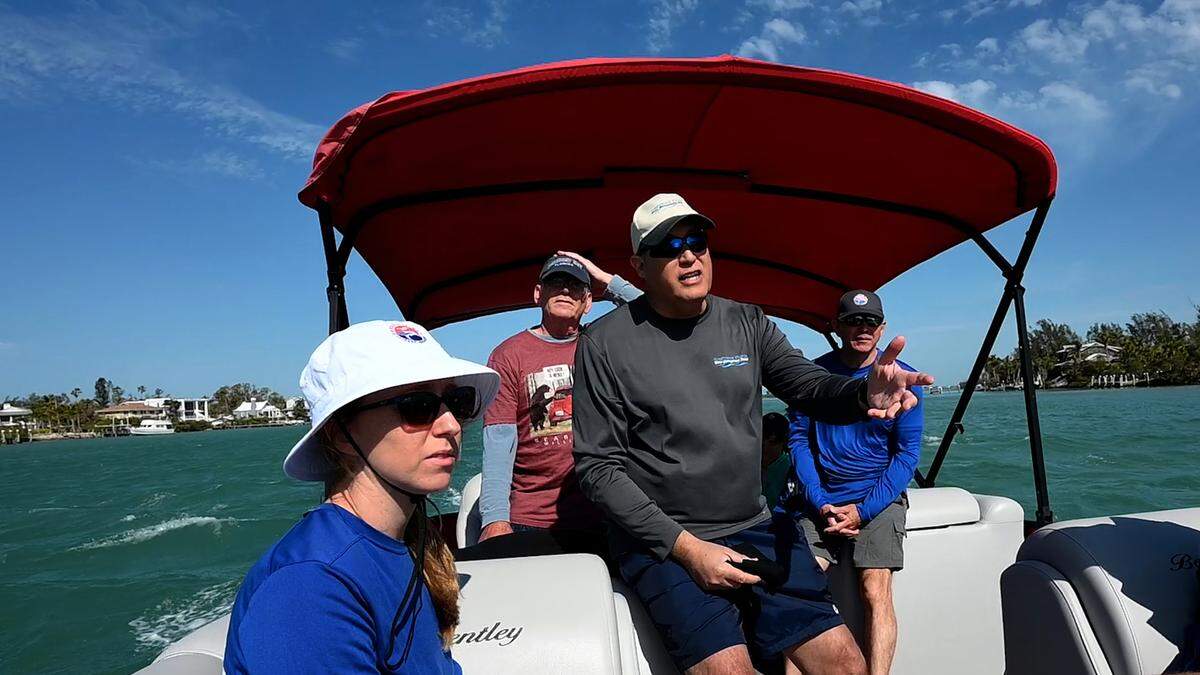
Sarasota Bay Estuary Program, which monitors water quality over 150 square miles from Anna Maria Sound south to Venice Inlet, recently hosted a boat ride on Sarasota Bay to tour local seagrass beds. Chris Anastasiou, SWFWMD’s head water quality expert and lead on seagrass mapping efforts, was along for the ride.
Since the state’s seagrass survey was completed before 2024’s intense hurricane season, scientists wanted to find out if increases in seagrass coverage had survived the storms. The storms flushed plumes of polluted water from land into local water bodies, raising concerns about potential damage to the environment.
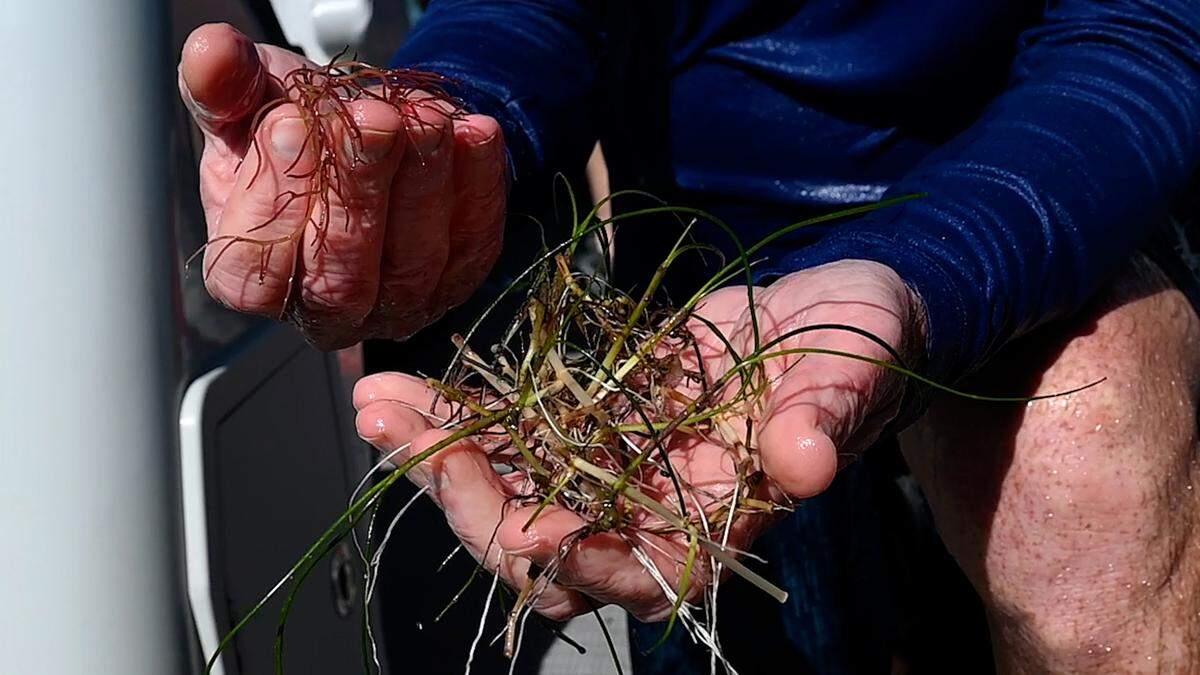
On the boat ride, scientists spotted an abundance of macroalgae in some areas, a possible remnant of pollution from the storms.
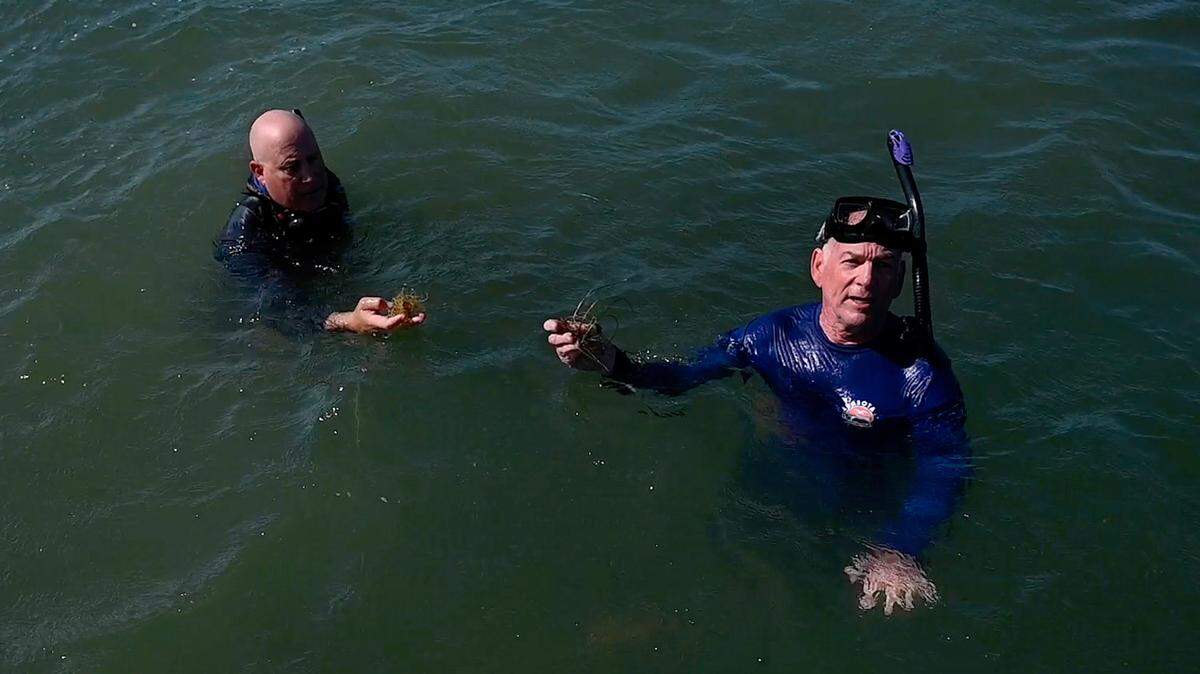
But they found good news at the bottom of Sarasota Bay, where healthy beds of seagrass were still intact.
“Whenever you’re dealing with a living organism like seagrass, you don’t know what’s there. Things change over time. We were very curious to see what it might look like after all the hurricanes ... and we were very encouraged,” Anastasiou said. “Pleasantly surprised that things look really good.”
Government action reducing pollution, scientists say
State scientists and estuary program staff are hopeful that Sarasota Bay can regain peak seagrass levels observed in 2016. Estuary program staff believe that seagrass declined from those highs because of several years of intense red tide, a type of harmful algal bloom, as well as pollution events like sewage spills and the Piney Point environmental disaster.
But Tomasko says that investments by local governments to improve infrastructure and pollute less are starting to pay off.
“The reason why Sarasota Bay is cleaner now than it used to be is because of the big investments that have been made,” Tomasko said. “$300 million worth of investments in wastewater upgrades (and) stormwater retrofits. We’re reducing the nutrient loads from wastewater, from stormwater. We’re getting our act together.”