Is there a fix for hurricane flooding in Manatee? Leaders weigh options in new report
With less than 100 days until hurricane season returns, Manatee County leaders are looking for ways to reduce the severity of local flooding during future storms.
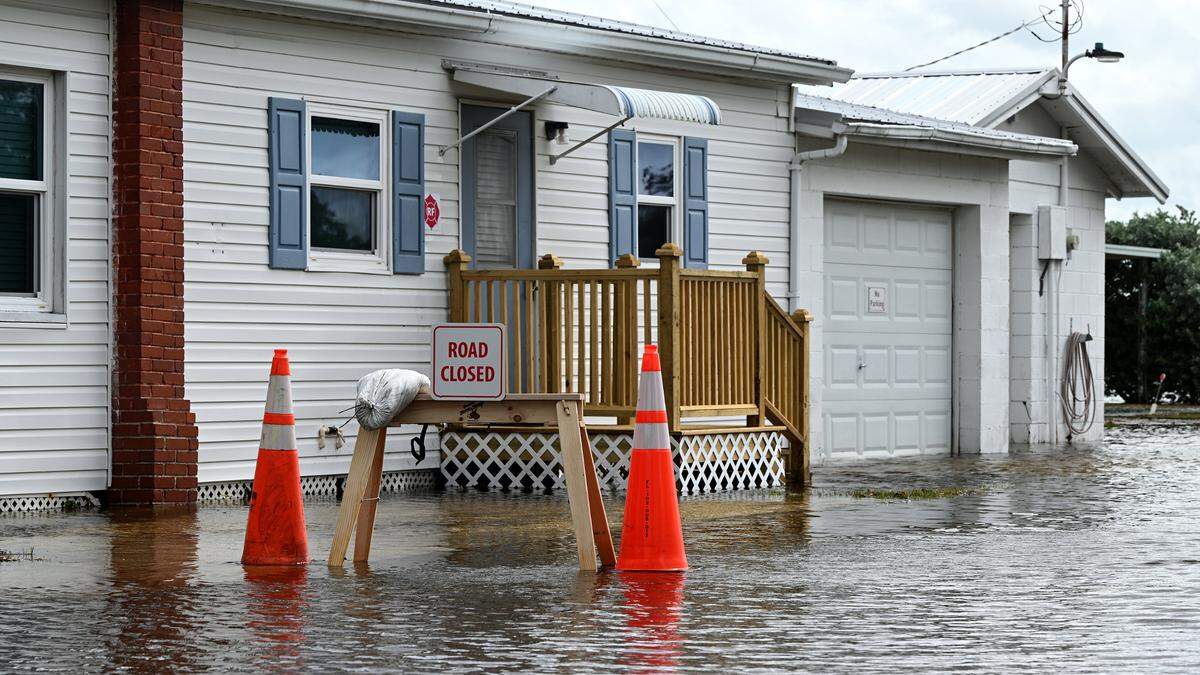
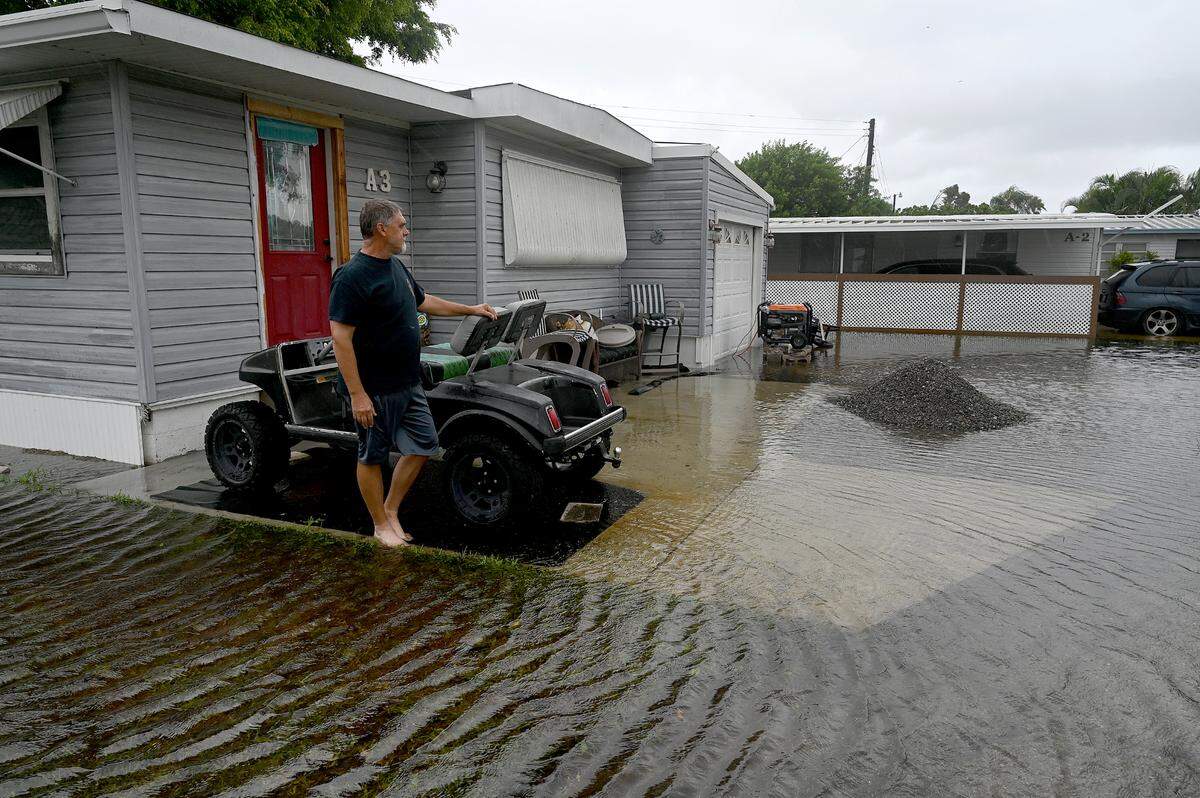
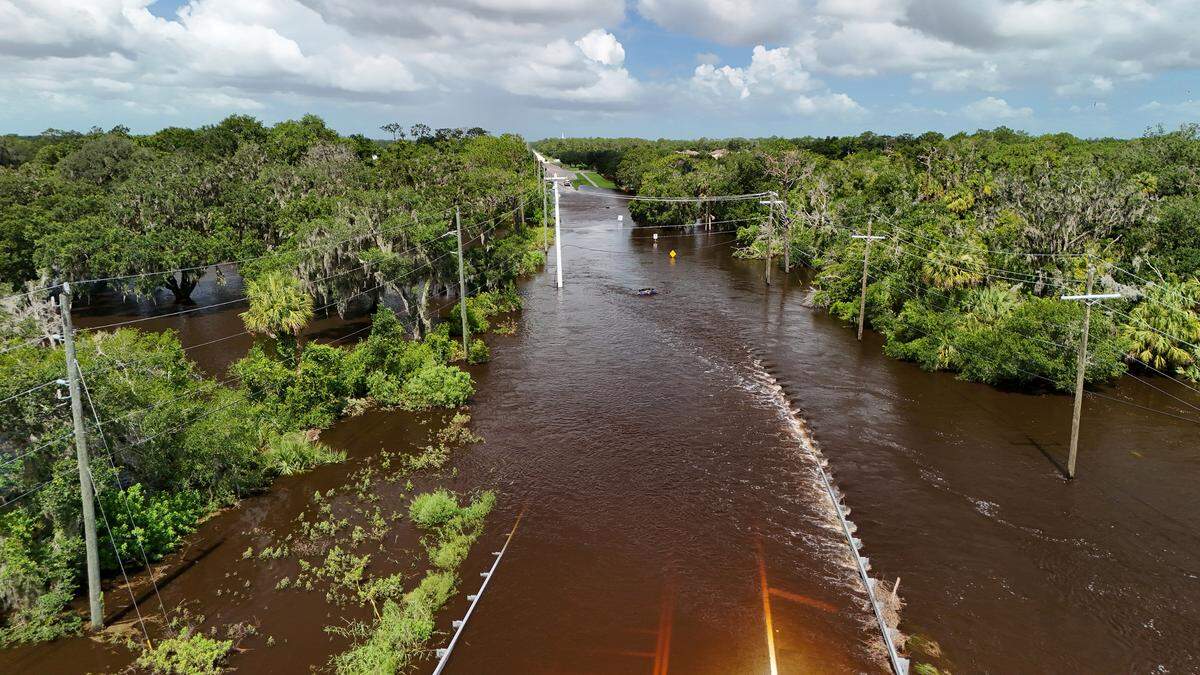
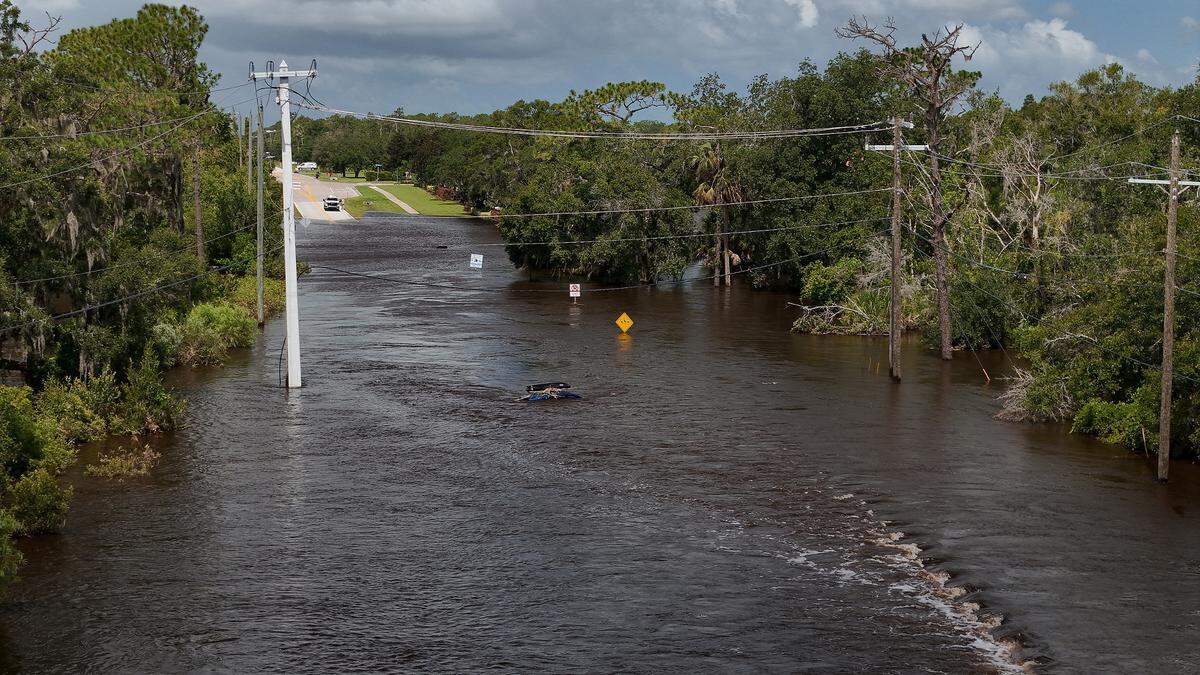
Last year, Hurricane Debby’s record-breaking rain swamped inland Manatee County neighborhoods in August, followed by Hurricane Helene’s devastating surge along the coast in September.
At a recent workshop, staff told the Board of County Commissioners that much more can be done to reduce flooding and protect residents’ homes during hurricanes and heavy rainstorms.
Staff presented a report with a long list of potential upgrades to the county’s stormwater maintenance program and infrastructure. But they also cautioned that there is no quick, easy fix.
“Where would you like us to go?” asked Deputy County Administrator Evan Pilachowski, who oversees utilities. “Because there are different possibilities of how we can address stormwater. None of them cheap, none of them easy.”
County staff recommend major overhaul of stormwater management
Tom Gerstenberger, the county’s stormwater manager, gave the board an extensive presentation on how the county’s stormwater system operates and what could be done to improve it.
Staff suggestions included:
Find a funding source for stormwater improvements, such as a stormwater utility fee (An annual or monthly fee paid by property owners)
Update Manatee County’s development regulations with stronger stormwater standards
Restrict further development within areas deemed at high risk of flooding
Require continuous updates to Watershed Management Plans — tools used to address flooding issues at the local level
Acquire land easements so that county crews can access and maintain drainage systems on private property
Consider using part of the $250 million in federal disaster relief grant funds recently awarded to the county for 21 stormwater improvement projects identified by staff, including flood mitigation areas, remote-controlled water level management systems, maintenance and improvement of waterways, and the buyout of the flood-prone Shadybrook Village condominium
Clean flooding “hot spots” like bridge crossings, culverts and major canals and ditches every 6 months
Create a new stormwater management program “to address maintenance, Watershed Management Plans, regulatory standards, identify effective stormwater improvements and reduce flood damage caused by future storm events.”
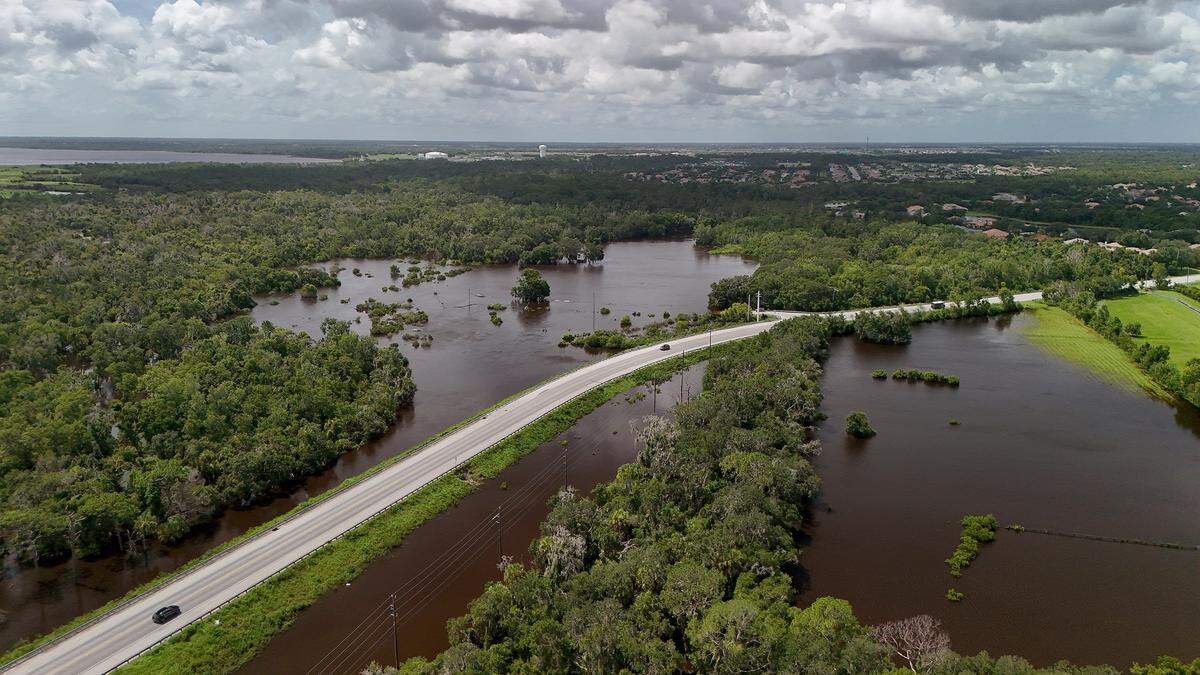
Gerstenberger’s report underscored that Hurricane Debby was not the first time some Manatee County neighborhoods experienced severe flooding. Neighborhoods including Centre Lake, Shadybrook, the Gamble Creek area, the Golf Course Road area and Summerfield all have a history of flooding during heavy rain events, Gerstenberger said.
He said the county could better address chronic flooding issues with updated data. Gerstenberger said the county’s current regulatory and design standards are, in some cases, based on decades-old rainfall data.
He noted that the county recently expanded its measurement system with 40 rain and stream gauge stations that collect data every 15 minutes.
Of the county’s 30 watersheds, Gerstenberger said plans for three were recently updated, 23 are in the process of being created or updated, two are pending funding requests and two are proposed for the future. The new plans will use localized data from NOAA Atlas 14, a National Weather Service rainfall database.
The plans typically outline capital improvement projects that can help fix flooding issues.
“That being said, the costs associated with such projects are staggering,” Gerstenberger said.
For example, a 2019 Watershed Management Plan for the Pearce Drain / Gap Creek area identified projects ranging from $2.3 million to $77.5 million to address flooding at the Centre Lake subdivision.
They included options such as buying out the entire subdivision and converting it to a water storage area, widening floodways or building flood walls or pump systems that would divert water.
So far, the county has opted for a less expensive option of purchasing a nearby lot to create a retention pond, but staff acknowledged that will not be enough to solve the neighborhood’s flooding.
Gerstenberger also encouraged leaders to rethink how the county looks at development.
Instead of looking at a project’s individual footprint, Gerstenberger said the county should consider its overall impact on the watershed.
“There is certainly room for an improvement,” Gerstenberger said.
Commissioners talk stormwater fee, upgrades
After the report, several board members said they are open to revisiting the idea of a stormwater utility fee. The idea was considered several years ago but dropped after the proposed cost drew opposition from residents.
County leaders had previously narrowed down options to an annual fee of $58 or $88 for average-sized homes, plus an up or down adjustment based on how much impervious surface a property had.
As of 2022, 170 municipalities in Florida had stormwater utility fees, with an average household cost of $8.05 per month or $96.60 per year, according to the Florida Stormwater Association.
Commissioner Tal Siddique floated the idea of bringing the idea back to voters in a referendum.
“I know stormwater funds aren’t a sexy topic, but I just say throw it to the voters and call it a day,” Siddique said.
Siddique argued that the county has made few major improvements to its stormwater systems in the last 100 years and encouraged the board to “think generationally” about the issue.
“The problem is the system has never changed. We’ve done very little to maintain it. It’s now gotten to the point where this is now a capital problem for us, not just a simple maintenance problem,” Siddique said.
“We have to account for the global changes that have occurred,” Commissioner Amanda Ballard said. “I think it’s also extremely important that we have that funding mechanism. We have to stop just saying it’s a problem. We have to fund it. Whether that’s through a stormwater fee or some other great funding mechanism that maybe we don’t know.”
Commissioners supported pursuing some of the other projects on the list but asked staff to come back with prioritized options.
“The question is cost,” Commissioner George Kruse said. “At the end of the day, we can’t do everything. We can’t come up with a funding mechanism until we know what the bottom line is we’re looking to achieve.”
“Some of that is being pushed back to you all to give us clear guidance about what makes the most sense, dollar for dollar,” Kruse told staff.
“We need the money, we need the plan, we need the action now,” Commissioner Carol Felts said. “Let’s focus on how much money do we need, to do what ... and how can everybody contribute to that?”