
‘We must do better.’ Bradenton residents speak out against cuts to wetlands protection
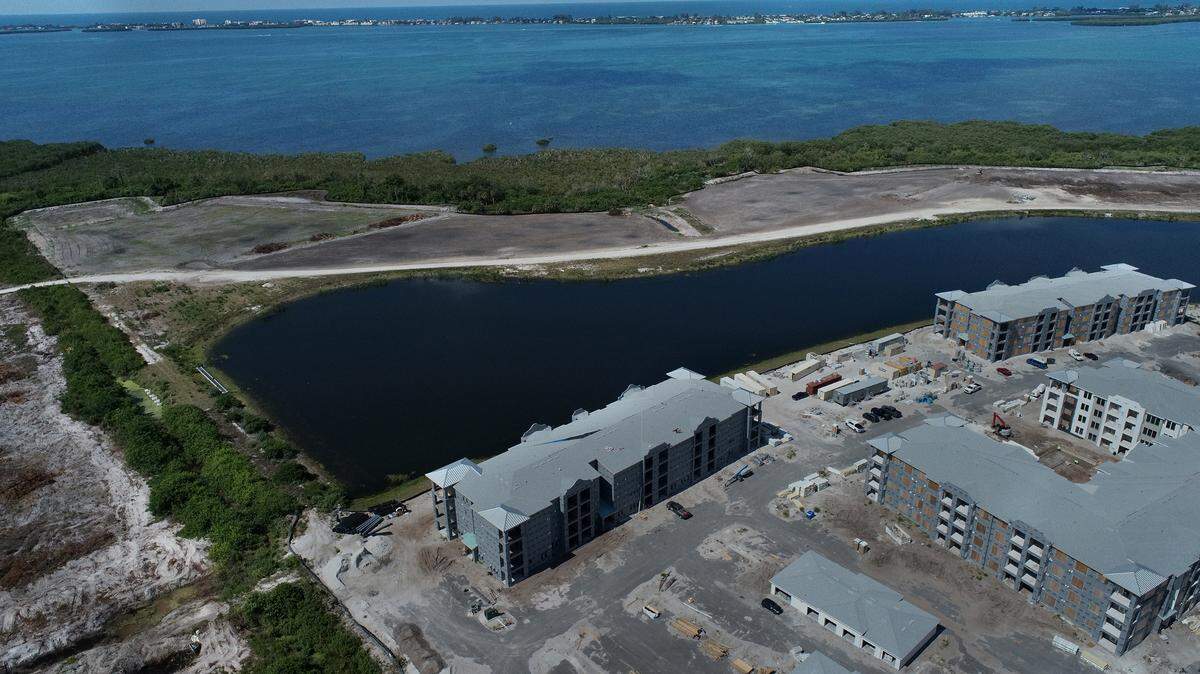
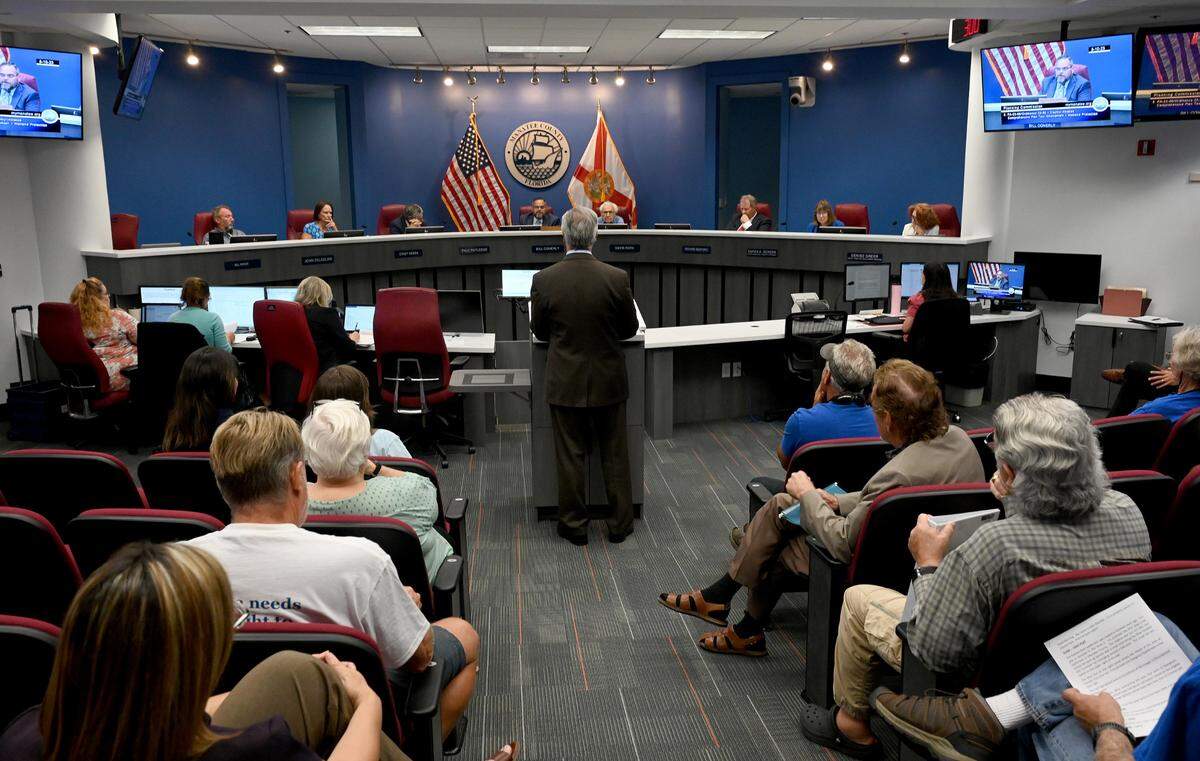
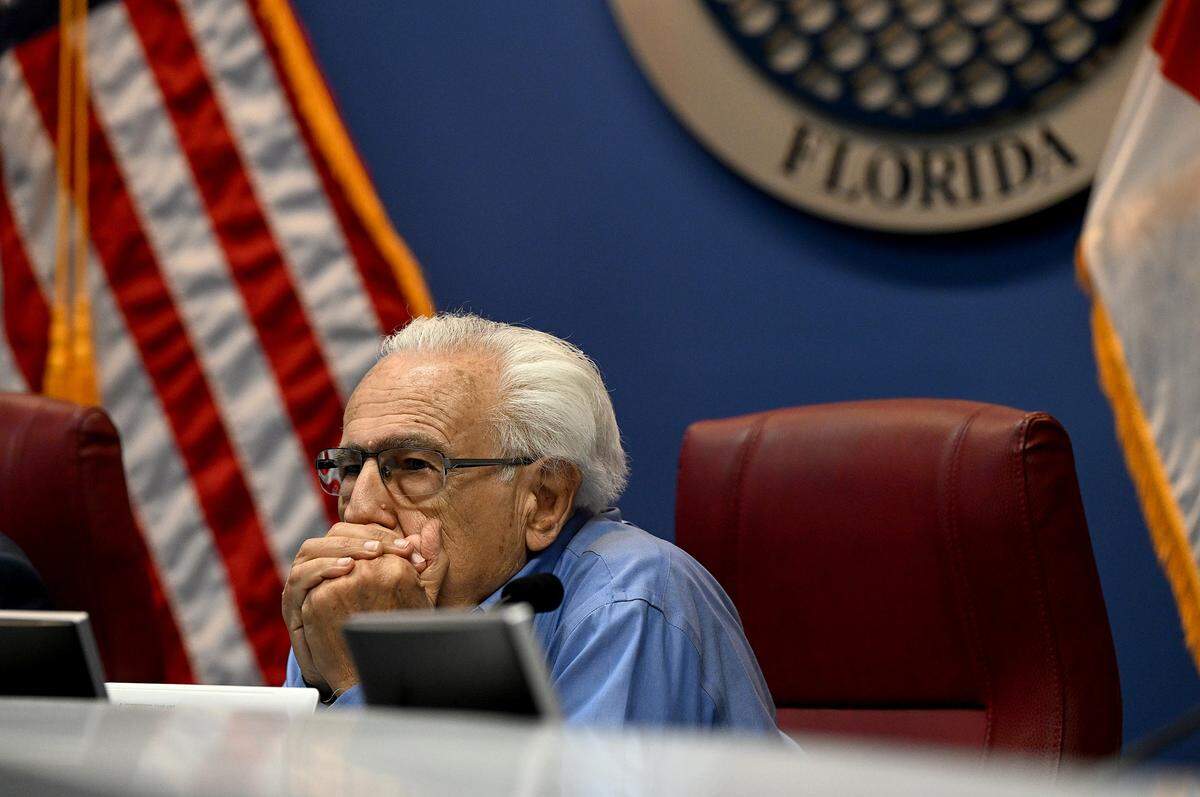
The Manatee County Planning Commission voted 4-2 not to recommend changes that would scale back the county’s wetland protection rules after public outcry at a hearing on Thursday.
Residents, scientists and conservationists spoke in opposition to the county’s plan to remove buffer requirements aimed at protecting wetlands from development as well as defer much of the county’s current wetland oversight to state regulators. Several speakers argued that the state has not been a good caretaker of local water quality.
After some debate, a majority of the planning commission agreed that more evidence is needed that rule changes would not hurt water quality, habitat and wildlife.
The changes aren’t off the table yet. They will now go to the Board of County Commissioners, with an initial vote slated for Aug. 17. The board can opt to follow or disregard the planning commission’s recommendation.
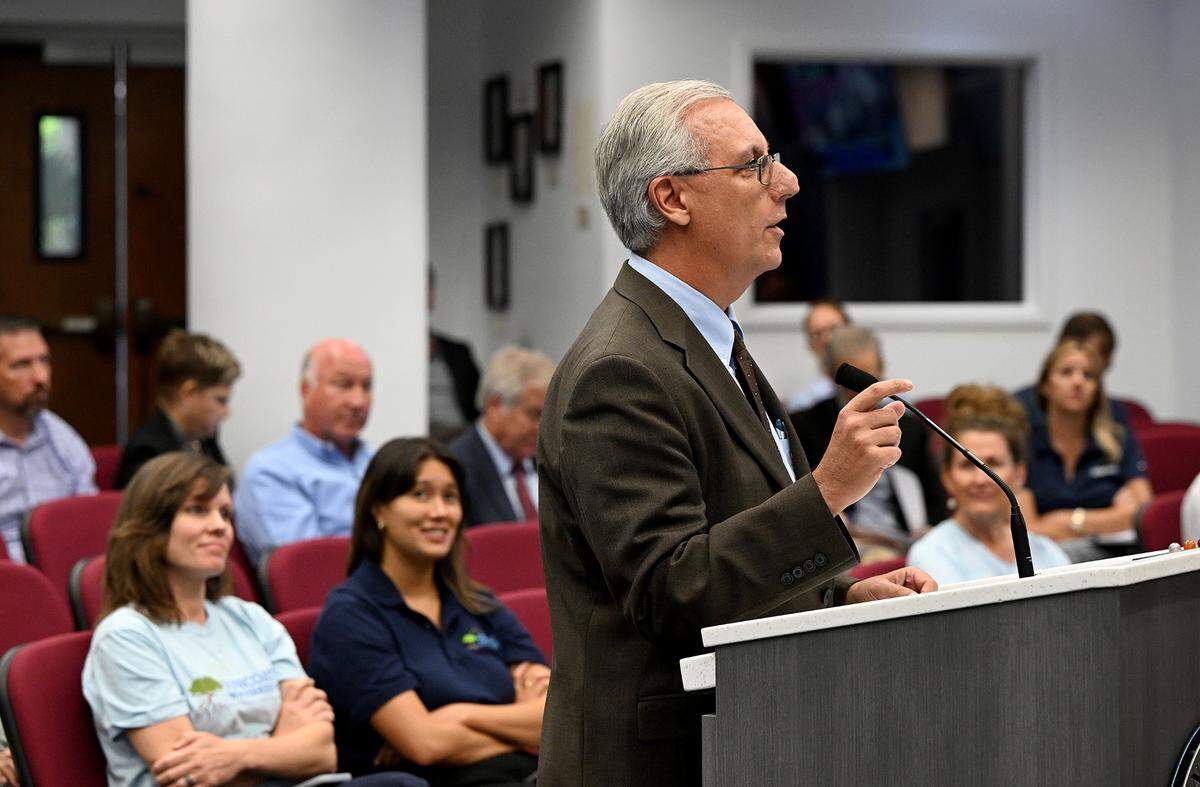
Thursday’s hearing opened with a presentation by Daniel DeLisi, a land use and water policy consultant who worked to draft the proposed rule changes with the county.
DeLisi was previously a member of South Florida Water Management District, appointed by Rick Scott in 2011. Now he primarily works with local governments and developers, including several Bradenton-area homebuilders.
DeLisi argued that some of Manatee County’s current rules are redundant because state rules already protect wetlands.
“It’s to remove the overlap and keep the policies that are not being accomplished by state and federal regulatory agencies,” DeLisi said of the changes.
“I don’t believe that reduces water quality,” he said, adding that the state’s wetland rules are “vibrant and well-developed.”
But in several cases, Manatee County’s current rules are different and more stringent than the state’s. They call for buffers of 30-50 feet, mitigation fees and restoration efforts for wetlands disturbed by development.
Planning Commission chairman Bill Conerly supported the changes. He argued that under state rules, the buffer requirement would only decrease by 5 feet in many cases, from a 30 foot requirement to a 25 foot variable requirement. He also said more habitat buffer is not always a benefit if the quality of the buffer is poor.
“I’ve seen no mechanism that allows you to calculate the benefit,” he said.
Suncoast Waterkeeper Executive Director Abbey Tyrna, a wetlands scientist, pointed to research that quantifies the benefits of buffers on overall water health.
“When you reduce the buffer, you reduce the function of wetlands,” Tyrna said.
She advised county leaders to consult additional wetland research and federal guidelines before making a decision.
Former county commissioner Joe McClash spoke for 10 minutes during public comment and advised county leaders to seek input from national estuary programs for Tampa Bay and Sarasota Bay before rushing through any changes.
He also argued that state regulators have not done a good job of protecting local water quality, pointing to encroaching waterside development in areas regulated by the state and the wastewater spill from the Piney Point industrial site.
“You need more protection,” McClash said. “If anything the buffers need to be increased. The state has not proven it’s capable of protecting us.”
He also questioned the county’s transparency about why the changes are being proposed.
“The request was made by the (Manatee-Sarasota Building Industry Association),“ McClash said. “It should be transparent. You have something that really wasn’t county-initiated change because there was duplication. It’s because, supposedly, development interests have an interest in changing the rules.”
The Bradenton Times reported in April how the Manatee-Sarasota Building Industry Association had sent the county a list of proposed changes for the land use code, including changes to wetland rules.
Carol Felts of Myakka City, who is a member of the county’s Environmental Lands Management and Acquisition Committee, questioned why the committee had not been consulted on the proposed rule changes.
“There’s no benefit to this,” Felts said.
“I have two eyes and I can tell you what I’ve seen over time,” said Rusty Chinnis, chairman of Suncoast Waterkeeper and a local fishing instructor. “I have seen firsthand through various red tides and algae blooms the effect that our water quality has on the economy of Manatee County. I can tell you our water quality is in serious jeopardy. We need to increase our protections.”
In all, the planning commission heard from over a dozen residents on Thursday who expressed concerns about the potential impact of reducing wetland buffers and handing over local regulatory power to the state.
Many of them questioned why county leaders were looking at rolling back regulations instead of strengthening them.
A petition started by Suncoast Waterkeeper opposing the changes has garnered over 1,400 signatures.
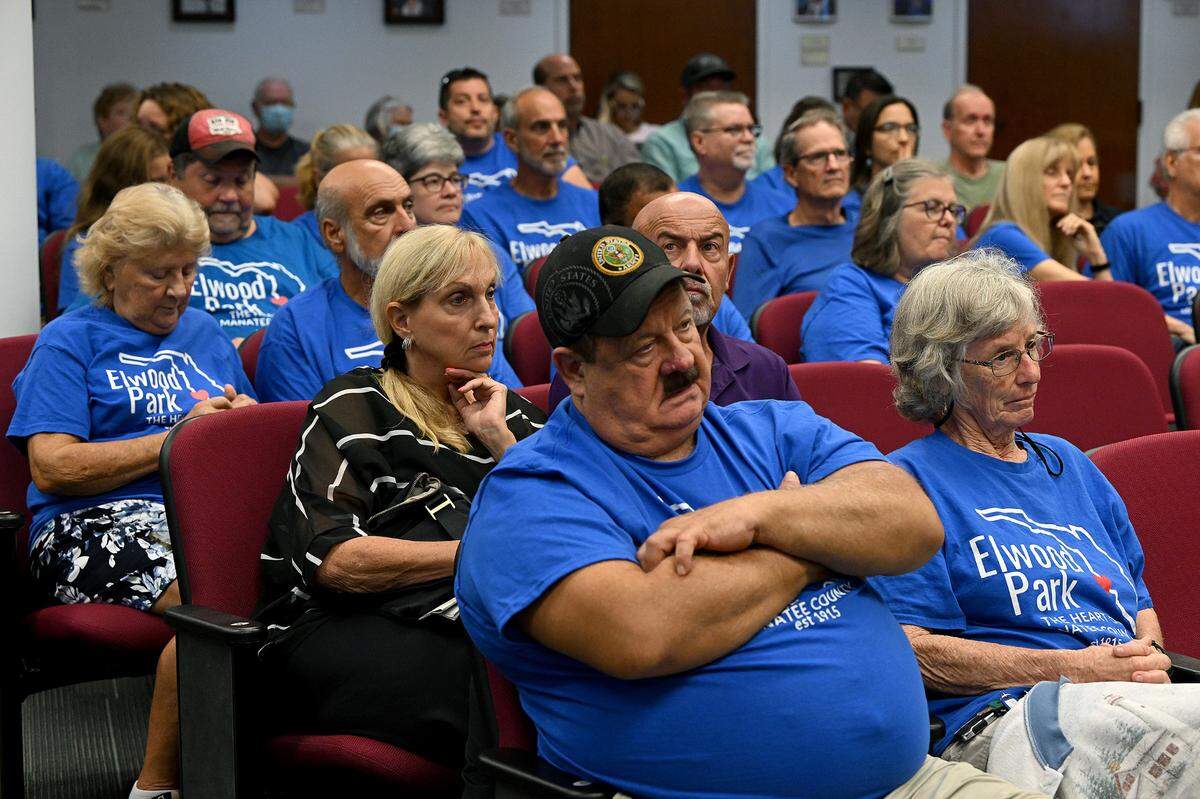
The planning commission also received over 90 public comments before the meeting in opposition to the changes. There were no comments in support.
“I’ve lived in Manatee County for 40 years. For the first 25 years I spent countless hours paddling my canoe around the grass flats and estuaries of the area,” read a comment from Bruce Morris. “The seagrass at that time was lush and beautiful. There was countless forms of sea life living in that beautiful ecosystem.
“These days when I get out on the water I see areas that were lush that are now sparse with brown algae covering the seagrass. The abundance of sea life is gone. We can do better. We must do better.”
Watch Thursday’s hearing in full below:
New draft appears to further loosen regulations
The county shared a revised edition of its draft wetland rules on Thursday that appeared to loosen wetland buffer restrictions even further than the original proposal.
Both versions would remove the required buffer of more than 50 feet for environmentally sensitive coastal wetlands. The first draft offered the following alternative:
“Increased buffer widths or alternative engineering solutions adjacent to environmentally sensitive coastal wetlands may be required during the development review process, as necessary to prevent degradation due to proposed development and to discourage trimming of mangroves and loss of habitat.”
But Thursday’s draft removes any mention of a buffer, instead stating that “engineering solutions shall be considered adjacent to environmentally sensitive coastal wetlands.”
A transmittal hearing before the county commission is scheduled for a land use meeting Aug. 17. It starts at 9 a.m. at the administration building, 1112 Manatee Avenue West. If approved, it could be back for a final vote by Oct. 5.
This story was originally published August 10, 2023 at 5:14 PM.