These clams aren’t for dinner. Sarasota Bay Watch lease allows shellfish to clean water
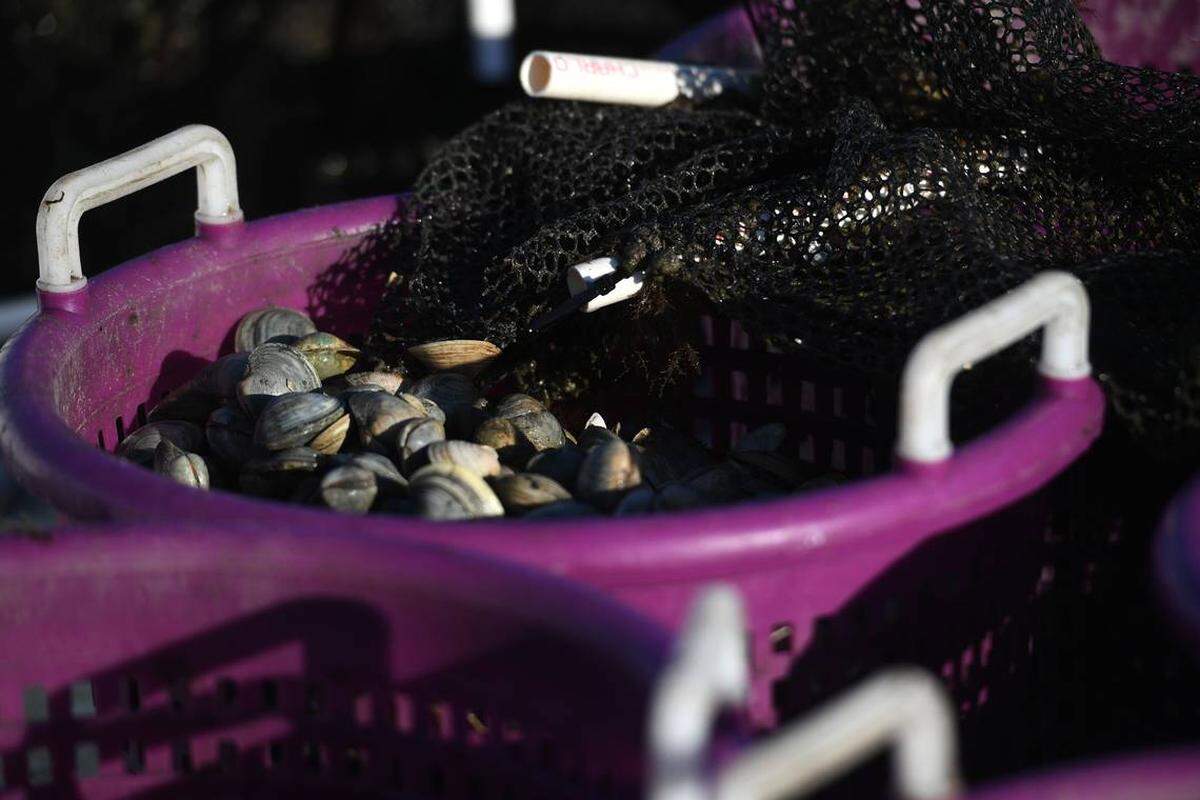
Sarasota Bay Watch has announced it has received the state’s first underwater lease for clam restoration and research.
A healthy clam population helps improve water quality in Tampa Bay and Sarasota Bay, creating a healthier environment, crucial to the local quality of life and the area’s No. 1 economic driver, tourism.
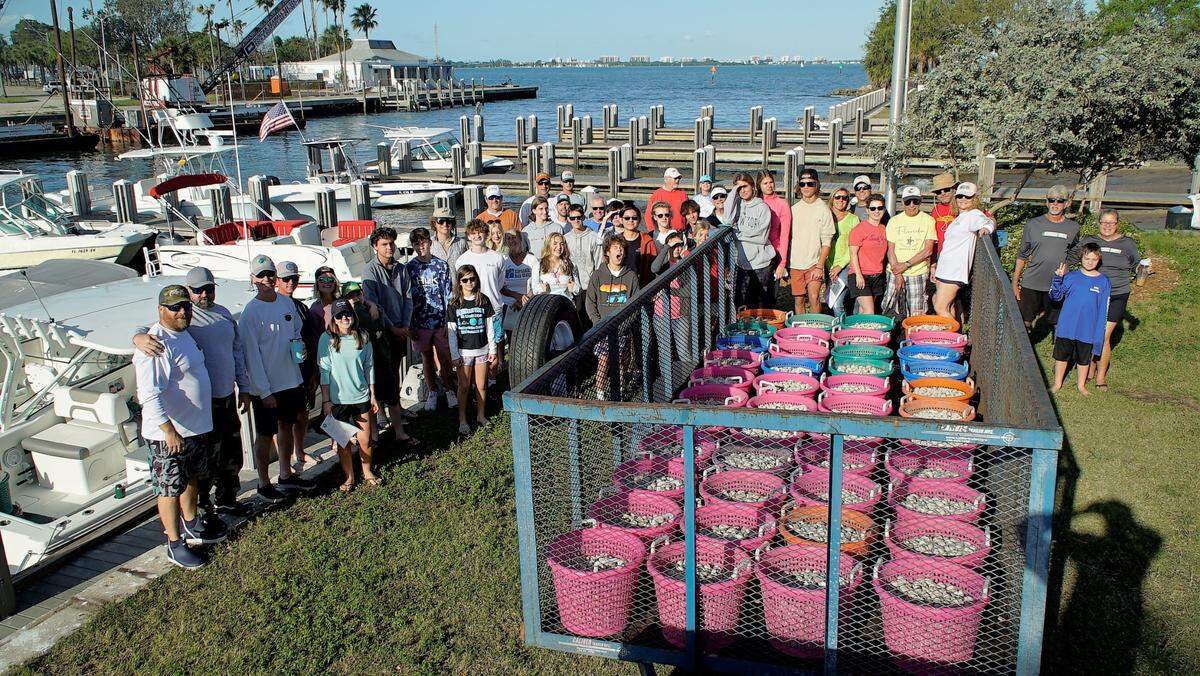
Sarasota Bay Watch’s clam project began in 2018, and to date has released 1,525,000 clams with the help of community volunteers. The group expects to release a million clams in 2022.
Bay Shellfish Hatchery in Terra Ceia, the largest seed clam producer in the Southeast, has supplied hundreds of thousands seed clams for Sarasota Bay and Charlotte Harbor to help clean waters as filtration feeders.
Curt Hemmel founded Bay Shellfish Hatchery in 1996.
“This area is an epicenter for marine research and we have been able to tap into that,” Hemmel previously told the Bradenton Herald.
Shellfish aquaculture provides water filtration that helps reduce nutrient loading in local waters and increase water clarity, Angela Collins, regional extension agent for Manatee, Hillsborough and Sarasota counties, previously told the Bradenton Herald.
The new lease agreement provides Sarasota Bay Watch the rights to rear and distribute native hard-shell clams (Mercenaria campechiensis) to continue improving regional water quality through bivalve restoration.
The five-year lease for a 4.5-acre plot will also host scientific research.
“Sarasota Bay Watch continues to lead by example. The establishment of a shellfish lease specifically for restoration is the first of its kind in our state and a model for returning ecologically vital bivalve mollusks back into our estuaries,” Steve Hesterberg, executive director of the Gulf Shellfish Institute, said in a news release.
The lease allows Sarasota Bay Watch to increase the scope of restoration efforts and provides a large-scale research project to advance the understanding of water quality issues and approaches to restoration, Ronda Ryan, Sarasota Bay Watch executive director, said in the news release.
“Sarasota Bay Watch’s motto that ‘A Healthy Bay is Everybody’s Business’ communicates that everyone needs to be a part of the solution. Engaging the community in the process of clam restoration has increased healthy water awareness, an understanding of the negative impacts threatening our water, and the need for action,” Ryan said.
The shellfish located within the lease are protected by law from harvesting from outside parties. The clams are not for consumption. Sarasota Bay Watch will grow and harvest clams within the lease area for activities directly related to restoration.
It takes approximately 18 months for a clam to be ready for placement within a pre-assessed restoration site. Meanwhile, the clams will filter water, spawn and reproduce within the lease.
“In response to increasing interest in shellfish restoration activities, the Florida Department of Agriculture and Consumer Services (FDACS) Division of Aquaculture updated language to allow Aquaculture Management Agreements to be issued to qualified entities for restoration aquaculture purposes,” Charlie Culpepper, assistant director of the Division of Aquaculture, said in the press release.
University of Florida researchers explain how clams help to improve water quality:
“As clams feed, they create currents that move water in and out of the animal. Tiny moving cilia (hair-like structures), which cover the gills, pump water through the clam, drawing it in the incurrent siphon. Suspended particles in the water are captured by the gills and moved to the mouth for ingestion. The cleared water is then ejected from the excurrent siphon,” researchers said.
This story was originally published June 18, 2022 at 6:00 AM.