Manatee’s mighty clam industry points way to a more sustainable, cleaner world
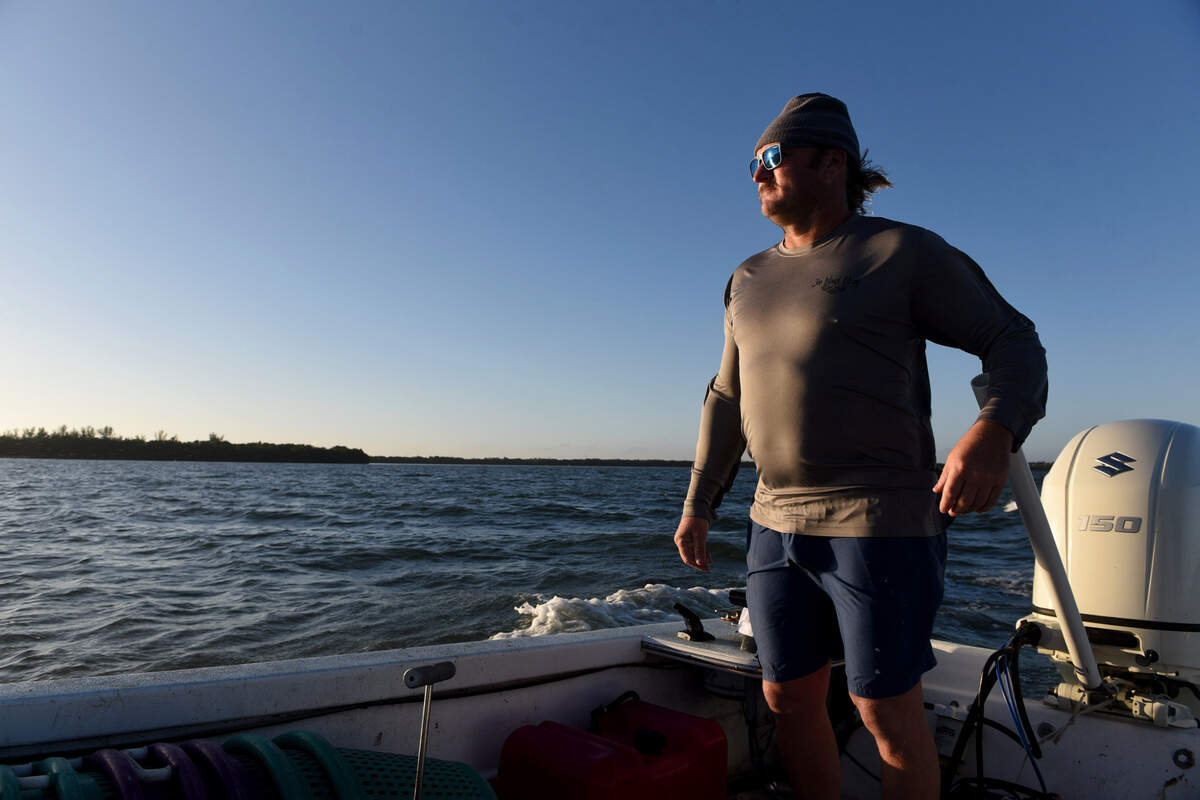
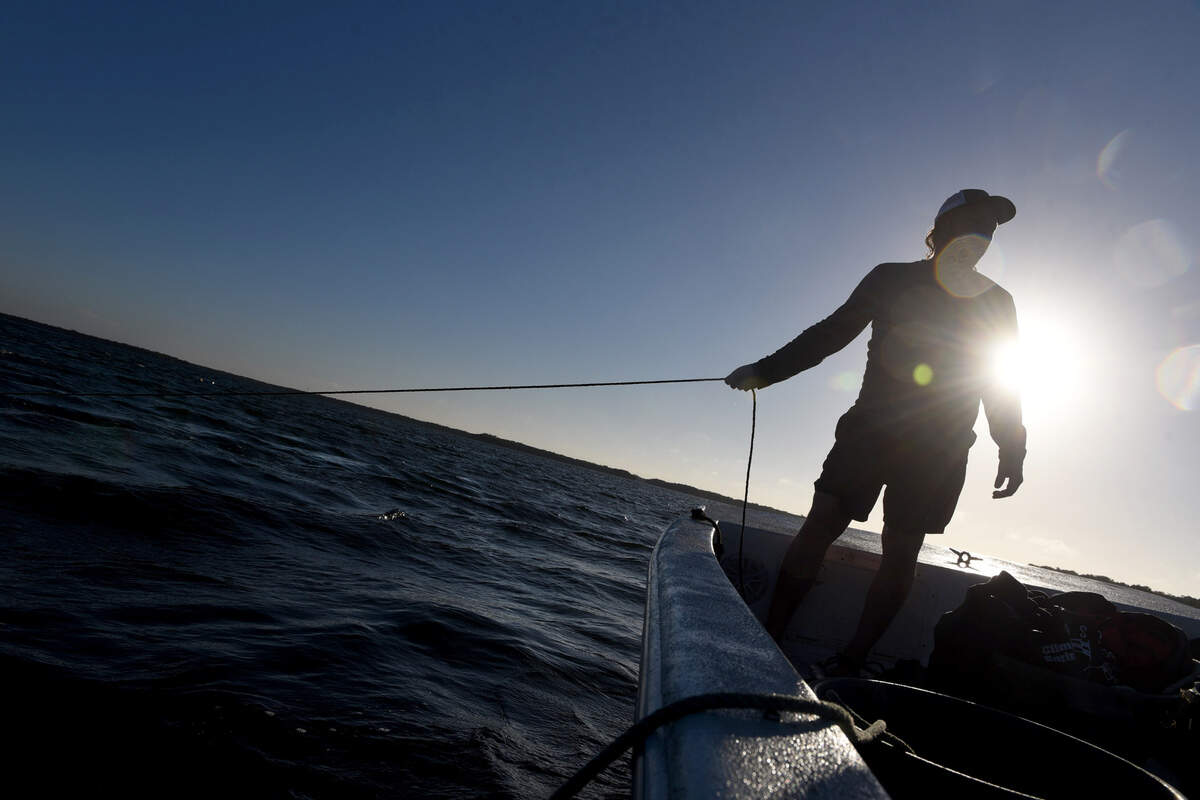
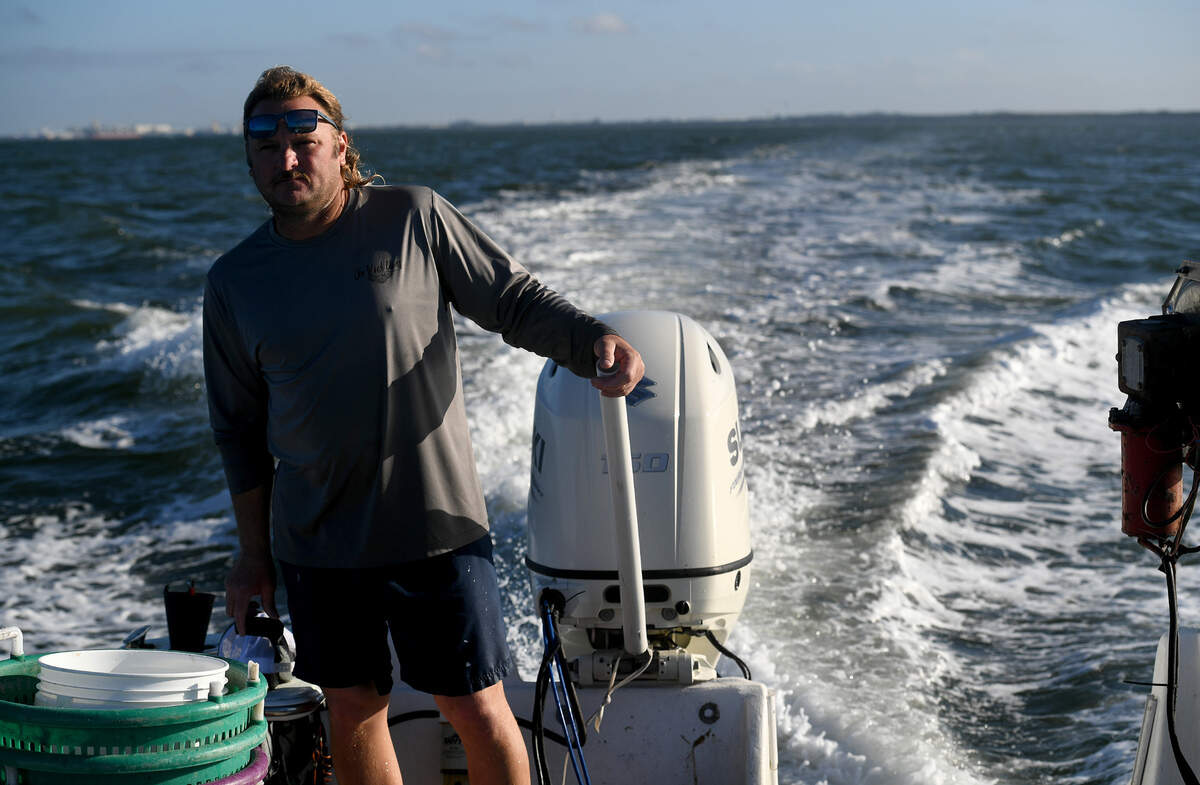
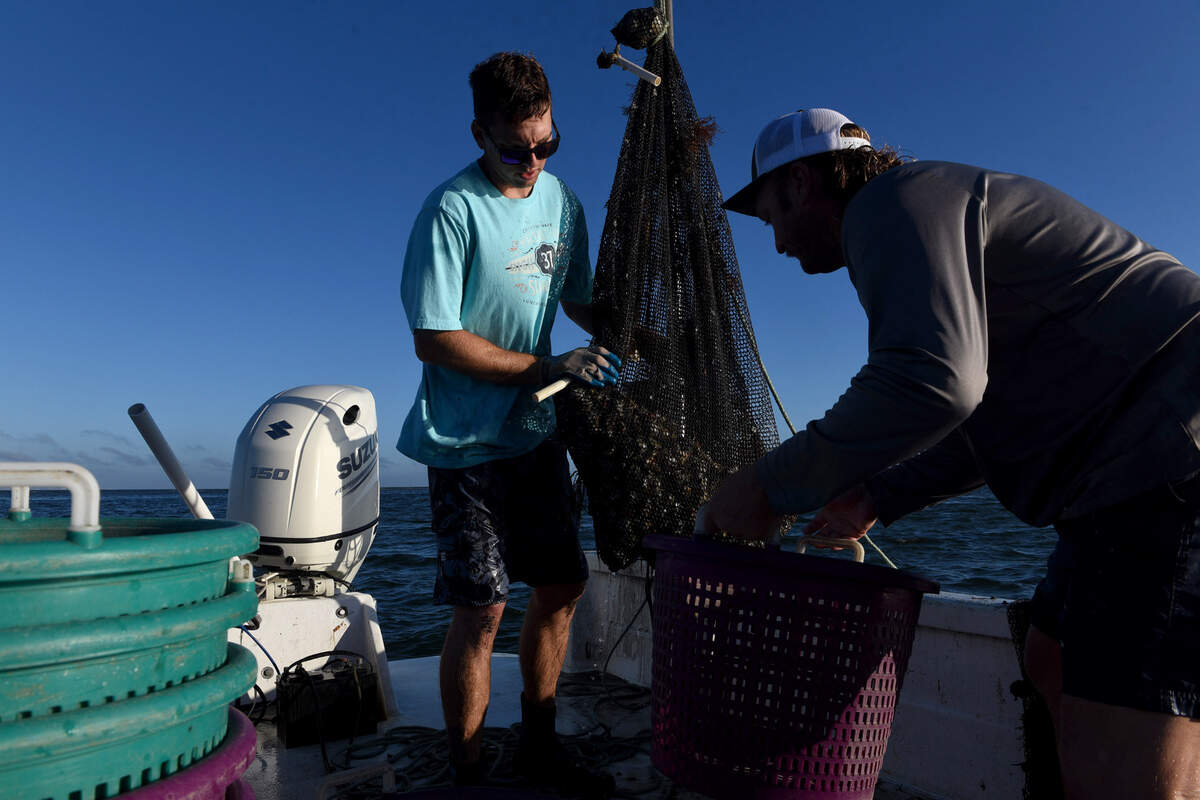
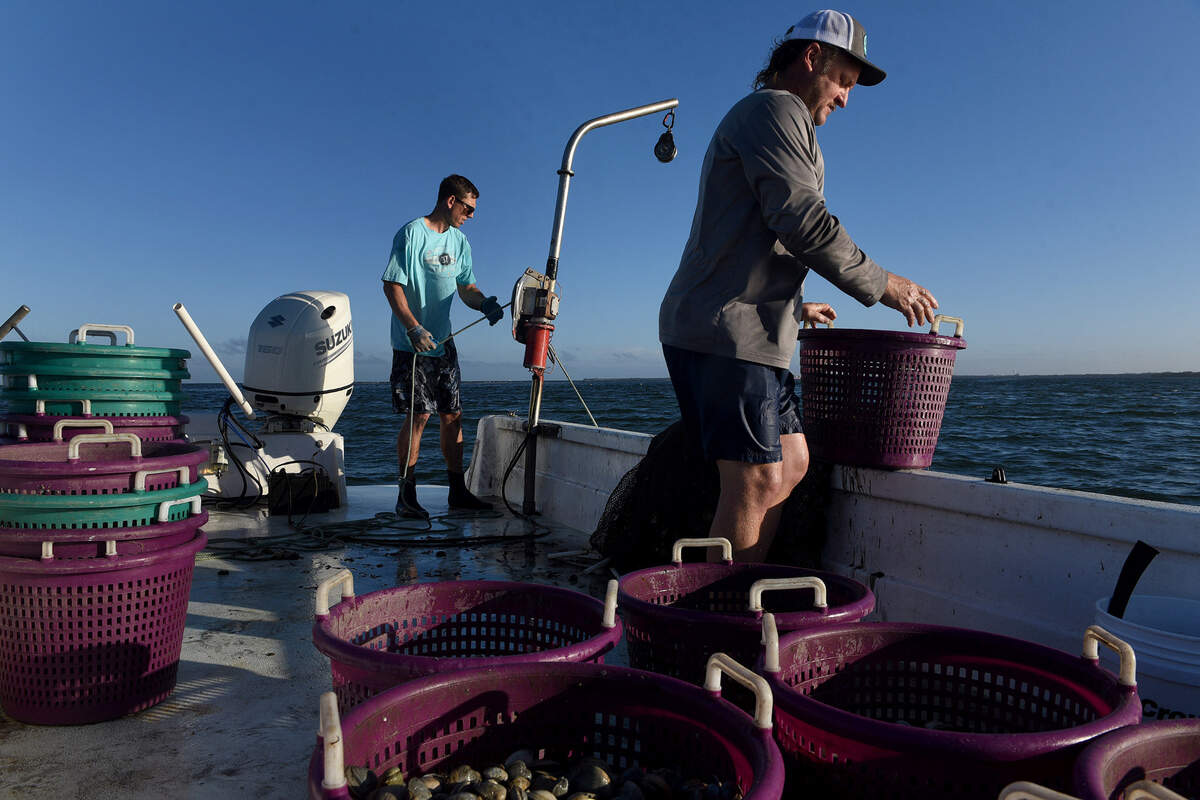
Several days a week, D.J. Strott and Ryan Brown head out early morning from a Terra Ceia boat launch in a 27-foot Carolina skiff to a clam lease a few miles from Port Manatee.
Once anchored, Strott, the 38-year-old owner of Joe Island Clams, straps on a scuba tank and mask and slips into about seven feet of water to begin picking out bags of clams growing in the crystal clear waters.
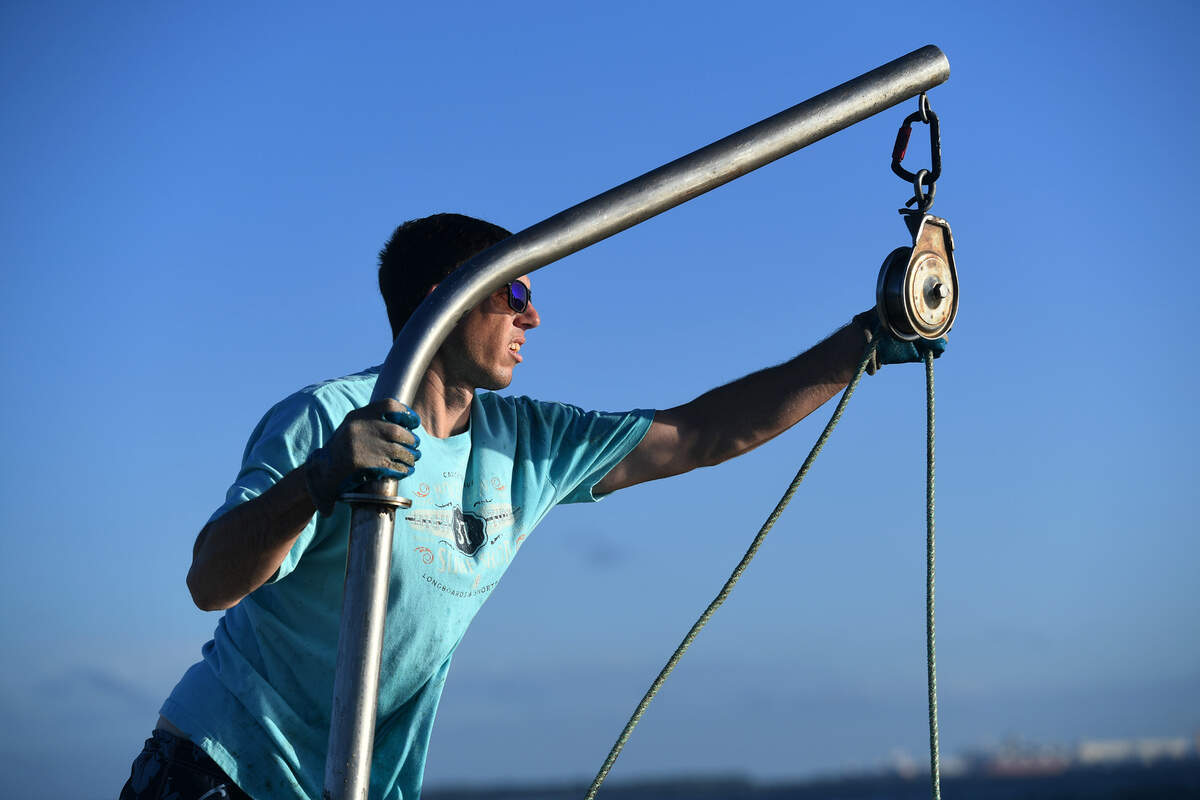
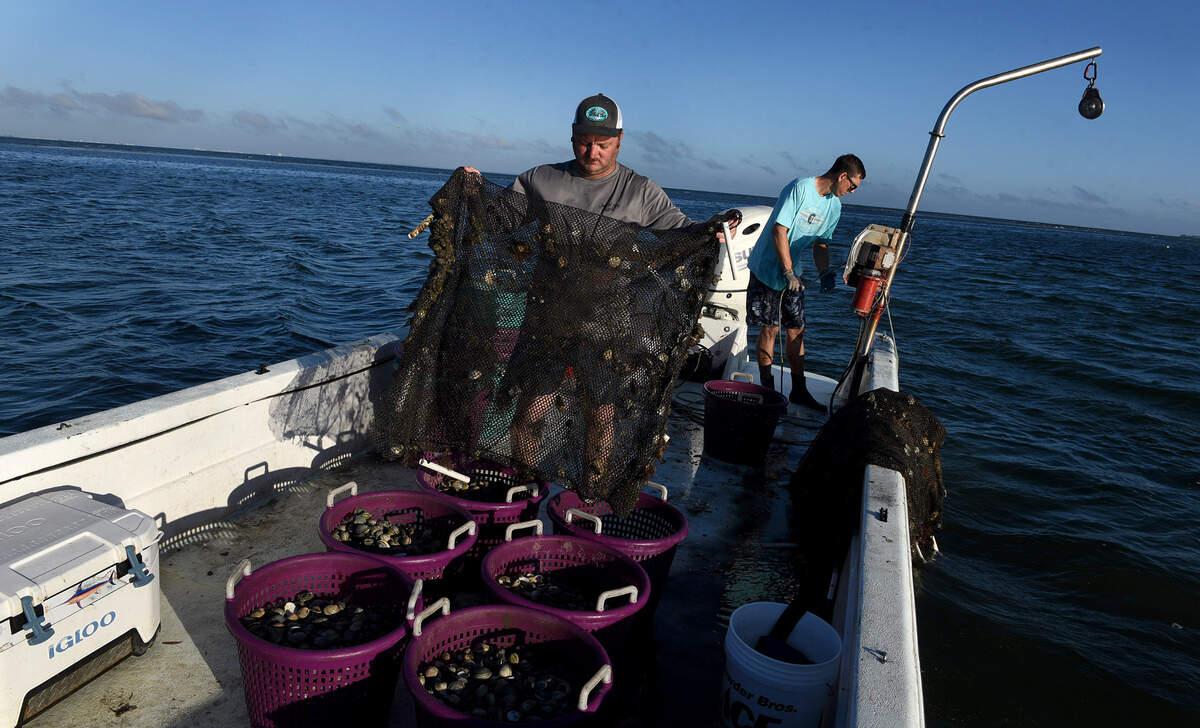
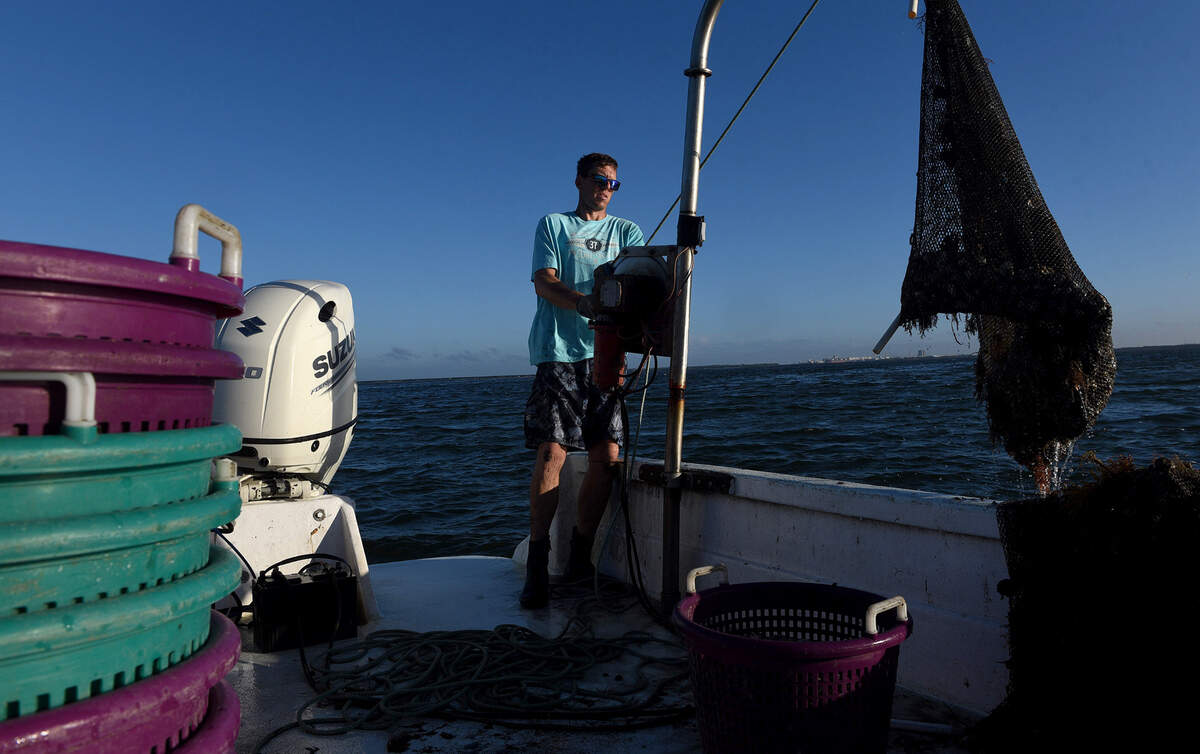
Brown, 35, hoists the bags, one at a time, out of the water, and then repeatedly dips them into the gulf to wash off the mud and lighten what started as a 300 to 400-pound load.
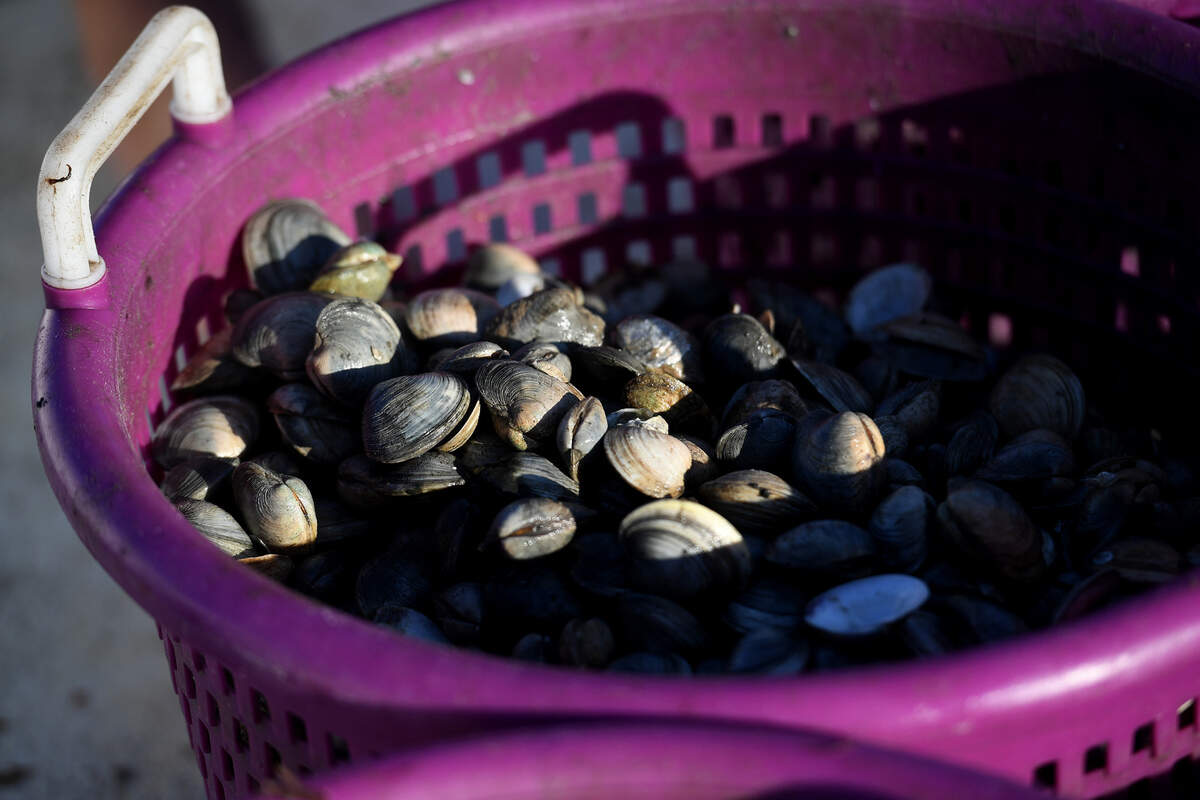
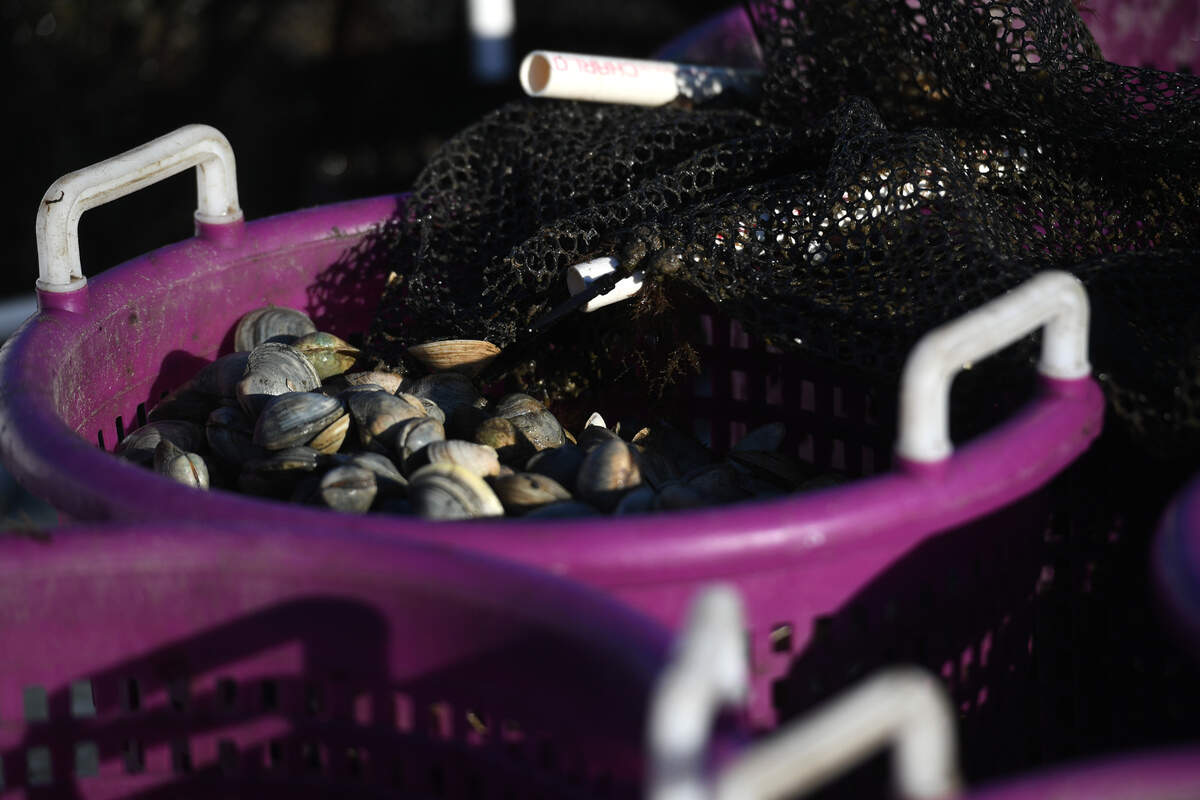
Brown empties each of the bags into one-bushel clam baskets. Within an hour or two, the bottom of the skiff is covered in baskets of clams, and the men return to shore with their harvest.
Altogether, Joe Island Clams has about 3,000 bags of clams laid out in grids over a six-acre parcel.
“This is my office,” Strott said. “I can’t do 8-5 in an office. There are no cellphones underwater — people can’t find me. This is a love thing. You just have to come out here and enjoy what you’re doing.”
From Terra Ceia, Strott and Brown bring the 2-year-old clams to the Joe Island Clam’ refrigerated processing facility north of Palmetto where the cleaning and grading process really gets started.
Strott and Brown put the clams through a tumbler, washing them, and hand-grading the shellfish, discarding empty shells and unwanted debris.
From there, the clams go into a cooler where they are graded and bagged by size: large, also called topneck, medium or middleneck, and small or littleneck. The undersized clams will be returned to the water to continue growing.
It’s a labor-intensive process, with Strott and Brown working carefully to ensure that only their best clams make it to market.
The last thing Strott wants is for a chef to be making a clam dish and a “mudder” — a clam full of mud — ruins a recipe.
The company’s reputation rides on every bag of clams sold wholesale in Florida.
Strott grew up fishing in Pinellas County and moved to Manatee when he was 21.
“We do mostly farm-raised clams, and a little bit of oysters,” Strott said.
It’s a lot of work, and there are risks like red tide. After the most recent release of polluted waters from Piney Point, Joe Island Clams had to stop selling bivalves for three months, until state testing proved the clams were safe to eat.
Beyond food, there is the environment
Strott buys his seed clams from Bay Shellfish Hatchery in Terra Ceia, the largest producer in the Southeast.
Seed clams from Bay Shellfish Hatchery, founded in 1996 by Curt Hemmel, not only go to food production but also projects to restore bay and gulf waters.
Hemmel and Strott are farmers, an important part of Manatee County’s agricultural economy, which trails only tourism as the Bradenton area’s largest economic driver.
Bivalve aquaculture plays a critical role in environmental protection and restoration of gulf and bay waters.
Hundreds of thousands of Hemmel’s seed clams have gone into the waters of Sarasota Bay and Charlotte Harbor to help clean waters as filtration feeders.
All clams are filtration feeders. Some varieties are raised as food and others to clean up the environment, beneficial work that an individual clam can do for decades.
“Microalgae are the key species to assimilate soluble nitrogen that we keep putting into the marine environment. They will do the work for us,” Hemmel said of water restoration.
Clams, in turn, are the filter feeders that remove the microalgae, also called diatoms, from the water.
A single littleneck-sized clam can filter 4.5 gallons of seawater per day, University of Florida researchers say.
Today, Bay Shellfish Hatchery is geared toward commercial production, restoration and research.
“This area is an epicenter for marine research and we have been able to tap into that,” Hemmel said.
How bivalves filter water
University of Florida researchers explain:
“As clams feed, they create currents that move water in and out of the animal. Tiny moving cilia (hair-like structures), which cover the gills, pump water through the clam, drawing it in the incurrent siphon. Suspended particles in the water are captured by the gills and moved to the mouth for ingestion. The cleared water is then ejected from the excurrent siphon.
“By this very act of feeding, clams filter phytoplankton (microscopic algae or plants), microorganisms, and detritus. In doing so, they improve water clarity by reducing sediment loads and turbidity and removing excess nutrients from inshore coastal waters.
“Clearer water allows more sunlight to penetrate, which aids in the growth of important seagrasses and increases oxygen. ‘Filter feeding”’clams may also potentially prevent harmful algal blooms.”
Researchers have attributed the deaths this year of hundreds of manatees in the Indian River Lagoon on Florida’s east coast to starvation due to the lack or seagrasses.
In recent years, poor water quality in the lagoon has led to harmful algal blooms and widespread seagrass loss.
Looking to the future
Angela Collins, regional extension agent for Manatee, Hillsborough and Sarasota counties, is the Florida Sea Grant agent who works with many of those involved in aquaculture and water restoration programs.
“Shellfish aquaculture is one of the greenest agricultural industries. It’s a wonderful protein source that requires minimal resources,” she said. “It produces healthy, sustainable seafood. It also provides amazing ecosystem services, including water filtration which helps reduce nutrient loading in our water and increase water clarity.
“Shellfish is one of the most sustainable sources of seafood. Tampa Bay is uniquely suited to shellfish production and has a lot of potential to expand,” Collins said.
What should the consumer know about locally grown shellfish?
“It’s a really safe product. The places where they are farmed are very well regulated. The shellfish are delicious and one of the safest products you can eat. They are high in protein, high in vitamins and have a lot of Omega 3,” she said.
“All of the farmers in our area are such good stewards and they take good care of the product from start to finish,” she said.
This year, Florida Sea Grant launched a new program focused on supporting workforce development and hands-on experiences for college students interested in aquaculture.
This paid internship program, named HARVEST (Helping Aquaculture Reap Value and Enhance Student Training), pairs college students with local aquaculture businesses.
To date, HARVEST has provided funding for two of Tampa Bay’s shellfish producers — giving students an opportunity to immerse themselves in all aspects of the business and providing valuable assistance to industry partners.
No time to waste
Ed Chiles, a Bradenton restaurateur, environmentalist, and son of the late Lawton Chiles (who served as a U.S. senator and governor of Florida), frequently sounds the alarm about threats to the Gulf of Mexico.
“We live on the edge of the largest gulf in the world and it’s in trouble,” Chiles said.
In addition to damage done by disasters such as the Deepwater Horizon oil spill, and the discharge of hundreds of millions of gallons of polluted waters from the abandoned phosphate plant at from Piney Point, the gulf is being polluted by the outflow from the Mississippi River and much of the United States east of the Continental Divide, Chiles said.
“Forty percent of Florida’s economy is on the coast. We aren’t going to stop development, but we had better be working to deal with the runoff,” Chiles said.
In 2018, Manatee County waterways suffered one of its worst sieges of red tide in decades, causing massive fish kills, and damaging the tourism industry.
Motivated by those threats, Chiles unveiled a model project to protect gulf waters, bays and estuaries.
Eighty percent of the clam leases in Charlotte Harbor have been abandoned because of red tide. The people who had the leases were unable to harvest their clams because of red tide, and the clams grew too large for restaurants to use, said Chiles, who serves as vice president of the Gulf Coast Restoration Initiative.
In the Tampa Bay area, there are about a million acres of approved shellfish area, but only about 1% of which have been leased, Chiles said.
Bay Shellfish Hatchery has assisted Sarasota Bay Watch in its restoration efforts in Sarasota Bay by providing the baby clams to filter local waters.
Sarasota Bay Watch has a fundraiser, “CLAMpaign for Clean Water,” underway in an effort to put a million more clams into Sarasota Bay.
“Sarasota Bay Watch has already put over 750,000 clams in Sarasota Bay in order to restore natural populations and clean the water.
At stake are a food resource,” Chiles said, “and a community’s economic well-being.
This story was originally published December 20, 2021 at 12:52 PM.