Manatee officials pick injection well as the preferred cleanup option at Piney Point
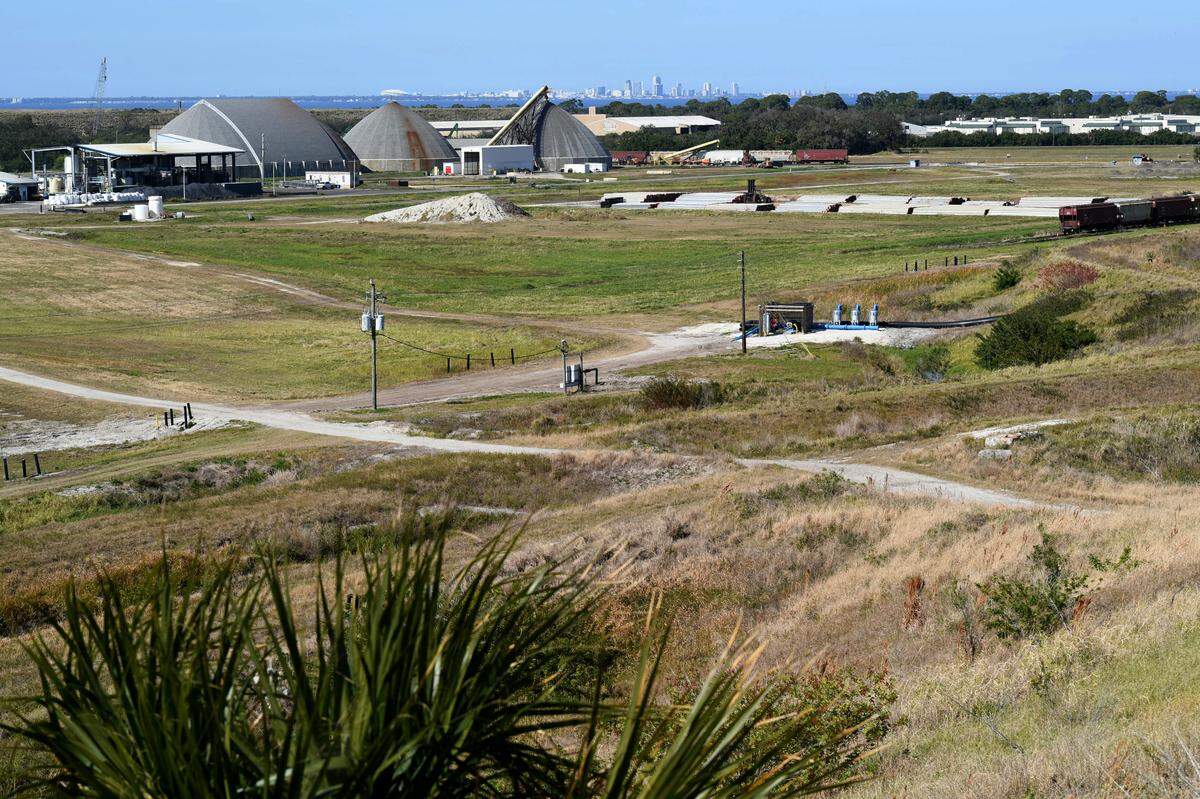
As they move toward finalizing a financial request from the Florida Legislature, the Manatee County Commission decided Tuesday that they would prefer an underground injection well at Piney Point.
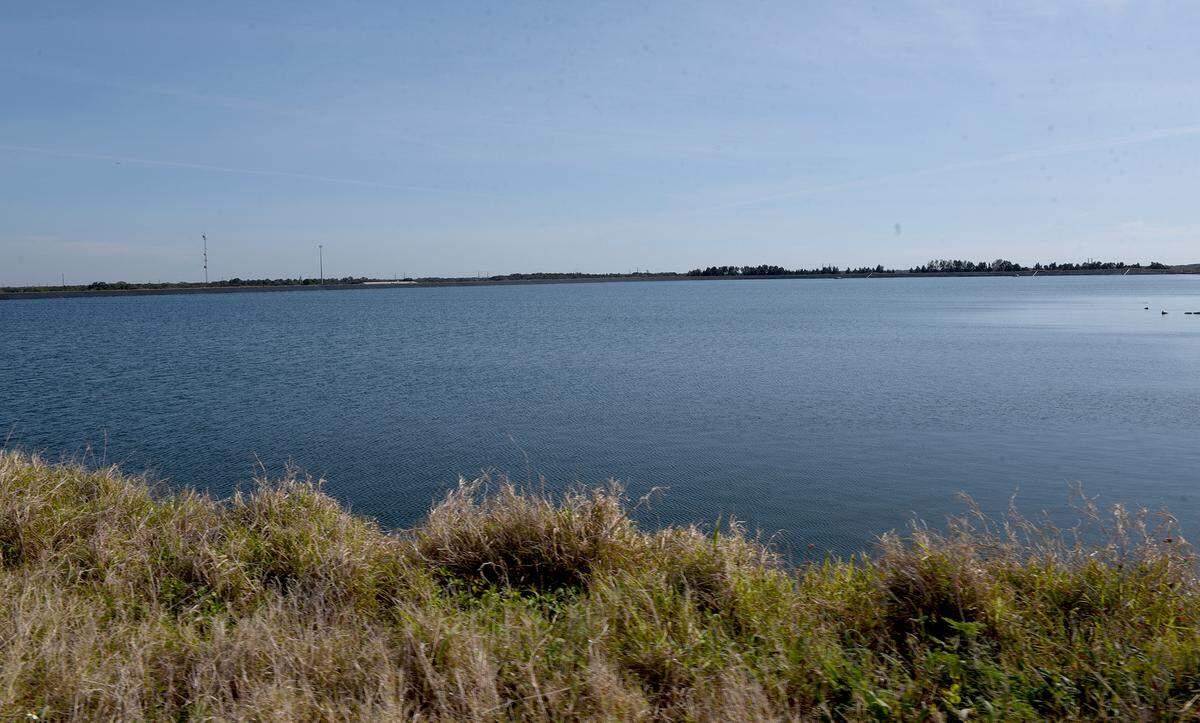
The board voted 6-1 to approve an amendment to their legislative platform, specifying that a well would be the best option to get rid of 800 million gallons of contaminated process water stored near Tampa Bay.
According to an analysis by county staff, the well is the cheapest and quickest option for getting rid of the process water, which poses a threat to the local environment. Process water is rich in nutrients that contribute to harmful algae blooms like red tide.
Tuesday’s vote comes after the board previously agreed to make Piney Point the most important issue on their legislative platform this year. Commissioner Vanessa Baugh, who serves as chairman, has led the charge to secure state funding through the Legislature.
“If any money goes anywhere in Manatee County, it needs to go toward Piney Point. That’s what we’re looking for,” Baugh said in a previous interview with the Bradenton Herald.
Baugh, cast the dissenting vote on Tuesday, explaining that she didn’t favor the deepwater well option. Commissioners also considered a surface water treatment option that was passed over due to the higher cost and slower removal process. A deepwater well can get rid of the water in about two years, while surface water treatment would take an estimated five years.
“I am glad that this board is moving forward and making that determination. I’m not necessarily happy with the decision you made but it needs to get done,” Baugh said.
The board recently moved to submit an appropriations request for “emergency water treatment” at Piney Point, agreeing to pay up to $6 million, in addition to the state’s $6 million to begin planning for the first step to remove the process water from the site.
In their debate, commissioners waffled over whether specifying their preference would help or hurt their cause in Tallahassee.
“I would make the case that we’re better off to not be too picky at this point. This is not rocket science. It’s two options. One or the other,” said Commissioner James Satcher. “Both of the options get the polluted water out from over everyone’s head.”
“Our legislative priority is not legally binding. All it’s showing is that we’ve spent years and years and boards and boards debating this,” Commissioner George Kruse added.
Commissioner Kevin Van Ostenbridge described the board as being stuck “between a rock and a hard place.” Ultimately, the deepwater injection well was an easier pill to swallow.
“I have made a decision in my head that the deepwater well is where we have to go,” he said. “I’m not jumping up and down with excitement, but it is the preferred option in this difficult circumstance.”
Despite the board’s vote, there’s no guarantee that the Legislature or Gov. Ron DeSantis will approve funding for the project, especially given the budget shortfall in the wake of the COVID-19 pandemic. Even if funding is approved, the state may decide to pick a different method for removing the process water.
“We’re capping our side of it. Now it’s on the state of Florida,” Kruse said.
This story was originally published March 9, 2021 at 4:08 PM.