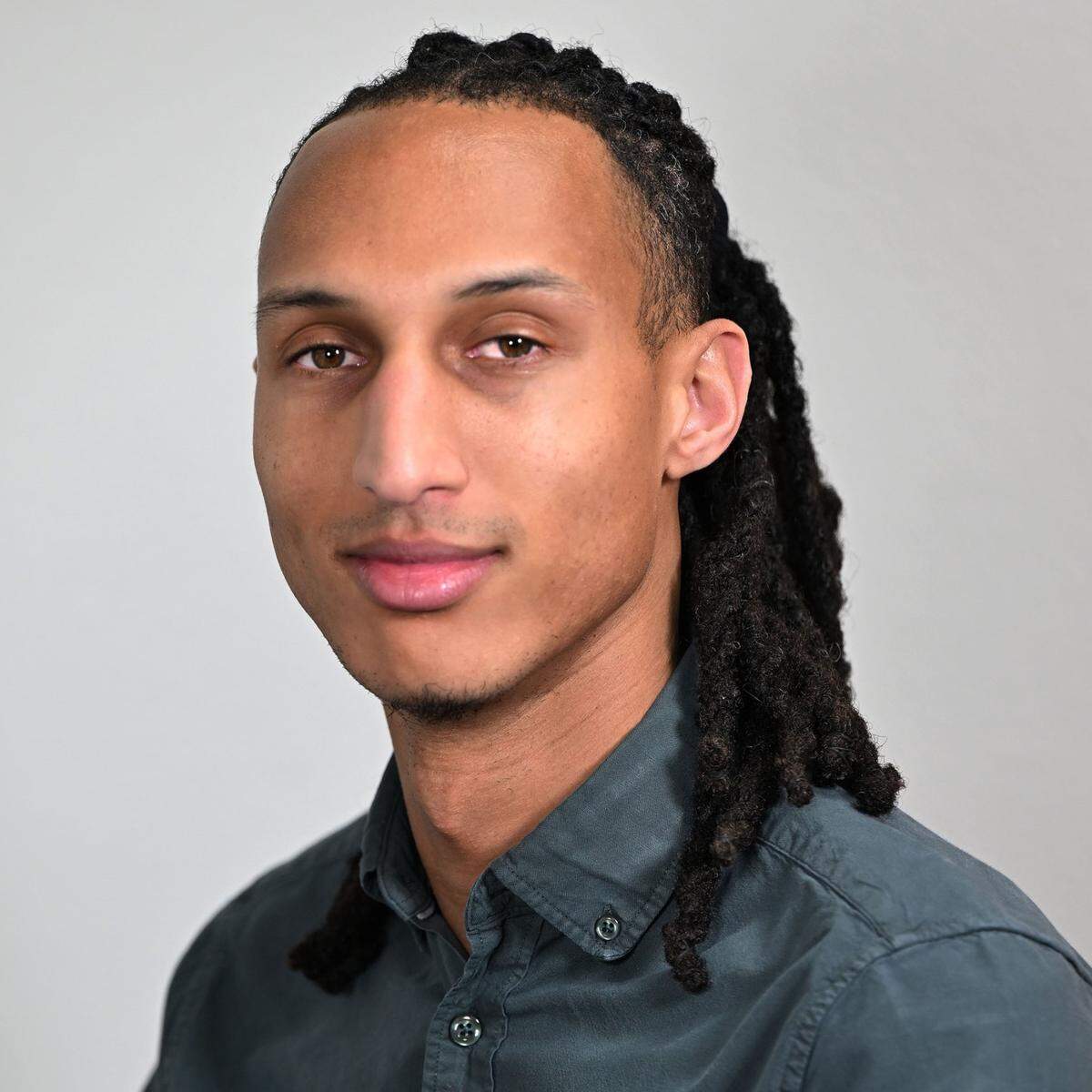
Manatee Administrator Cheri Coryea opens up about commissioners’ attempt to fire her
Despite a clear effort to send her packing, County Administrator Cheri Coryea is confident in her achievements and hopeful for her future leading Manatee County government.
Opening up just weeks ahead of a Manatee County Commission discussion about terminating her contract, the 30-year employee of Manatee County government said she continues to approach her job the same way as before — with the community at the forefront.
Coryea came under fire recently when the board, led by three new commissioners, voted 4-3 in favor of hosting a Jan. 6 meeting to consider firing her, citing concerns about the county’s $32.5 million purchase of 161 acres along Lena Road and “philosophical differences.”
Highlighting a sharp fracture among board members, new Commissioners Kevin Van Ostenbridge, James Satcher and George Kruse, along with newly re-elected Vanessa Baugh, voted in favor of the motion. Commissioners Reggie Bellamy, Misty Servia and Carol Whitmore voted against it.
Labeled a “career bureaucrat” by some of her new bosses, Coryea recounted a lifelong effort to improve the quality of life for the residents. While she also detailed several efforts to increase government efficiency, Coryea discounted the idea of running the county like a business, noting that local government is tasked with providing quality service to residents, not making money.
The Board of County Commissioners is set to make a decision about Coryea’s future with the county during a Jan. 6 meeting at the Bradenton Area Convention Center, 1 Haben Blvd., Palmetto. The meeting is scheduled to begin at 1 p.m.
Coryea spoke with the Herald on Friday.
Bradenton Herald: How did you find your calling in local government?
Coryea: I came to Manatee County back in the late ‘89, ‘90 timeframe as a transfer when my husband took a job at Tropicana from Huntsville, Ala. I have a background in juvenile justice in that area. I’d been looking for employment and came across the county here and saw some positions relative to human services and related to working with people that were under-served and needed things. I applied and started working with the county in 1989.
Herald: What would you say like most about your job here?
Coryea: Most of all, it’s that Manatee County is unique community. It’s very diverse. If you think about how I’ve worked in Duette at the one-room schoolhouse project in conjunction with the school district, I’ve worked out on the islands with the various mayors and projects that are relative to tourism and to the island residents. I’ve worked with residents up in the port area, in the northern part of the county, where there’s a lot of agriculture-related services and businesses.
I’ve worked on the Southwest District Plan, which is all the way down to the county line and the airport. So when I think about the distinction of Manatee County, it’s a very diverse community. Over the years here, in the past 15 or 20 years, Lakewood Ranch has emerged as one of, if not the largest, planned development communities in the country. We just have a very diverse group of citizens here in the county.
Herald: How would describe your tenure over the past 30 or so years at the county?
Coryea: My main tenure with the county has been through management and assisting with public service for the citizens. A lot of what I’ve done has been a really strong advocate and troubleshooter for various issues or problems. I’ve had a lot of different assignments associated with taking problems and solving them and creating a better opportunity for the community and the county to work together.
In the last five years, it’s been at the upper level management, obviously as a department director in a newly created department that dealt directly with neighborhoods, all of our grant management and some of the other unique features of the government.
Recently, within the past four years, as deputy county administrator, that allowed me a wide variety of work, from the finance area through our utilities and public works department, looking at infrastructure, working with our various departments on efficiencies and leading up into being the county administrator.
Basically, my primary focus these last few years have been results driven, with less process and more results and bringing more efficiency and value to the community through those results.
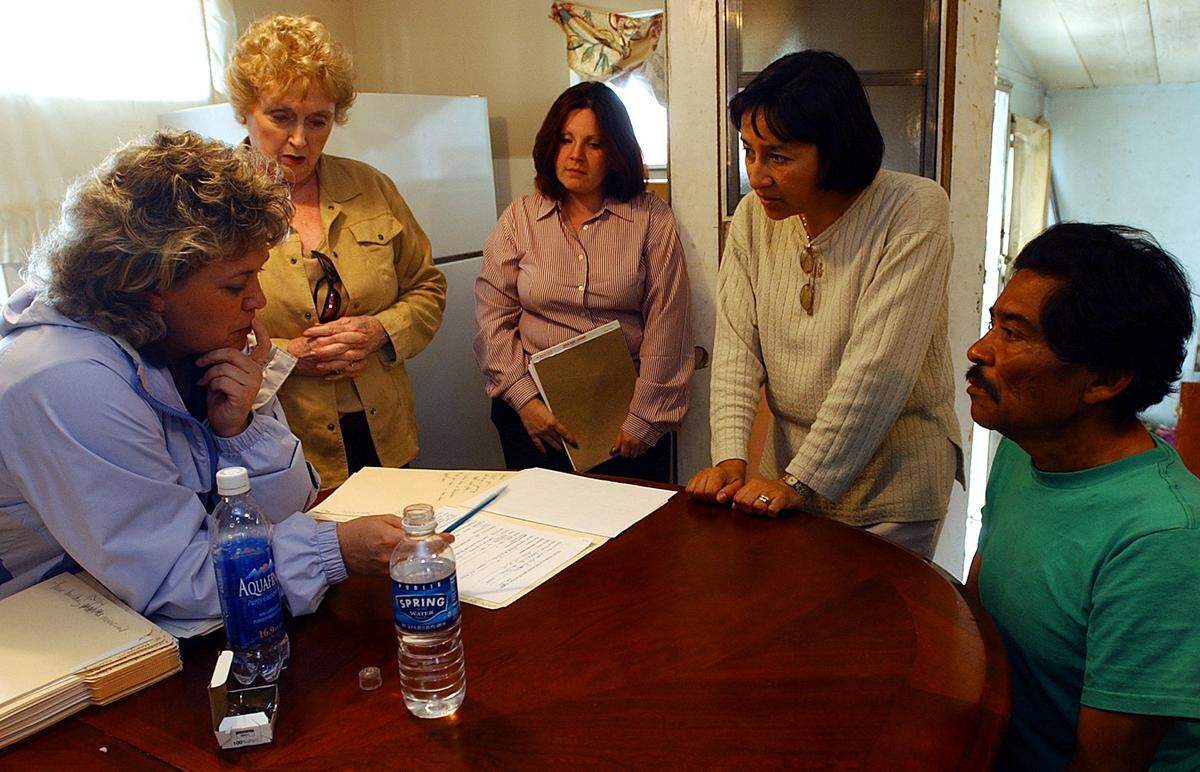
Herald: It appears that many residents and staff are extremely fond of you and what you’ve done for the county. Could you talk about how that affects your approach to the job? Or is the other way around?
Well, initially saying that this is a unique community, we have to look at all different aspects when we’re looking at a problem. So you’ve seen an outpouring of citizens about how they feel about Manatee County. They love their community, and then there’s people that are looking for some changes. Those are all aspects of what we go through when we do our county budget every year. There’s no one-size-fits-all solution. We really do delve into cost analysis. Is this something that is needed in the community?
I’d have to say the most primarily important impact in the past three or four years has been the growth of the population. That has impacted us greatly in service delivery both in time and type of service. Community residents that are involved in living here expect to receive their services and they look for efficiency. I would say population has been a huge impact on local government, and trying to manage infrastructure has probably been the biggest challenge.
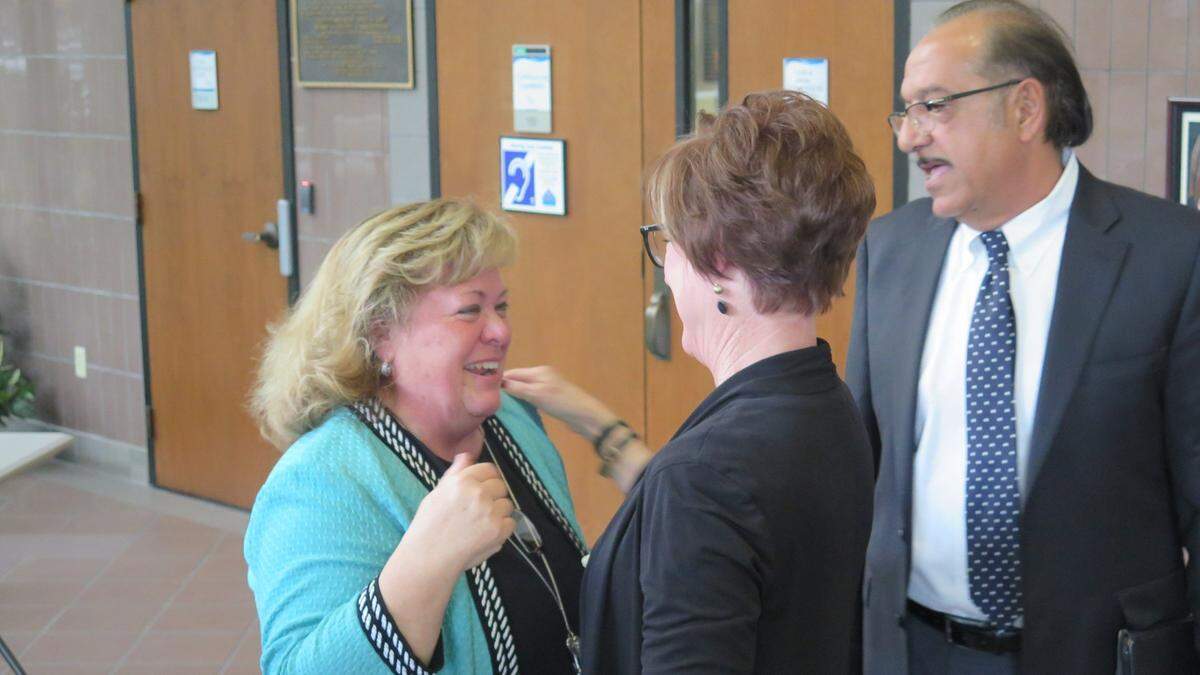
Herald: Looking back not only over the past five years, but the past 30, what are some of the accomplishments, achievements or changes you’ve led that you’re most proud of?
Coryea: There’s some recent ones I’ll start out with. About five years ago, we realized in county government there was going to be a pretty large loss of a lot of knowledge and skill. There would be a lot of retirements from people who had worked here for a number of years.
So in doing so, I noticed we had a lot of really good, young talent here locally. A lot of kids were leaving this area. They would graduate from high school, they would go off to other colleges and they wouldn’t come back. We had just a great amount of talent. Of course, we really think with 12 different departments with the county, there’s a lot of variety of various professional positions that could be had. So I’m really proud of an effort we started called the Manatee Millennial Movement. It’s called M3. We have some absolutely incredibly talented professionals in that younger age group. We were able to put together a large group of them
It wasn’t just Manatee government employees. That was the unique thing. It was building relationships with our chambers, building relationships with our colleges. We have a group. They still meet regularly — once a month. They are our younger talent that now has decided to stay here locally. They work for county government. They work for the private sector here. We think that Manatee County really led a strong effort, especially some work I did through dealing with those individuals in our neighborhood services department.
Along with that, we created an internship program that I’m really, really pleased with. Again, it’s results-based and I think that’s a really important key that the things we do have a result and we’re able to determine whether they’re types of services and programs to continue or whether they’re too costly or whether there’s a better technological side of them. So we created a results first internship program. Last year alone, we had over 20 summer interns that were here with Manatee County on paid internships on a 10-week program with specific project goals with results.
We feel many of those talented young people were able to stay in this area, find local employment, stay here and then some were younger students and they ended up coming back. That’s really an exciting thing. I’ve felt like that’s important to the lifeblood of Manatee County and locally to our area here.
Some other areas that I think are key improvements are working on the Southwest Tax Increment Finance District. Back in 2014, we had two Community Redevelopment Areas that were created and with the downturn in the market, the TIF allocations were going down. They took a huge nosedive in just one year. In one of ours, the South County CRA, from about $1.9 million earning to about $30,000 in just one year, and then even below the property values.
I worked very hard on trying to take those two TIF districts and move them out of our area through the state requirements, and then we created the new Southwest District with a larger area. Since then, there’s big a huge property value tax increase in that area. We have a Redevelopment and Economic Opportunity Department that was created back in 2014. They work with all the businesses in that area. It happens to be our most densely populated area. It’s in our urban core. We’re seeing an uptick in the median wage of jobs there.
Another area that I’m super proud of is that back in 2008, I was called upon to create an economic development program for Manatee County government. As you can probably imagine, you hear there’s a lot of red tape when it comes to Manatee County or just local government.
I was called upon to help create a process that would reduce red tape, save time, try to expedite economic development projects for companies coming locally and add incentives where incentives could best be used to add more jobs in the private sector and to create a strong economic position for Manatee County. I’m very proud that that program is still fully in operation.
We partner with the Bradenton Area Economic Development Corporation and all of the chambers to attract not only national but international business to Manatee County.
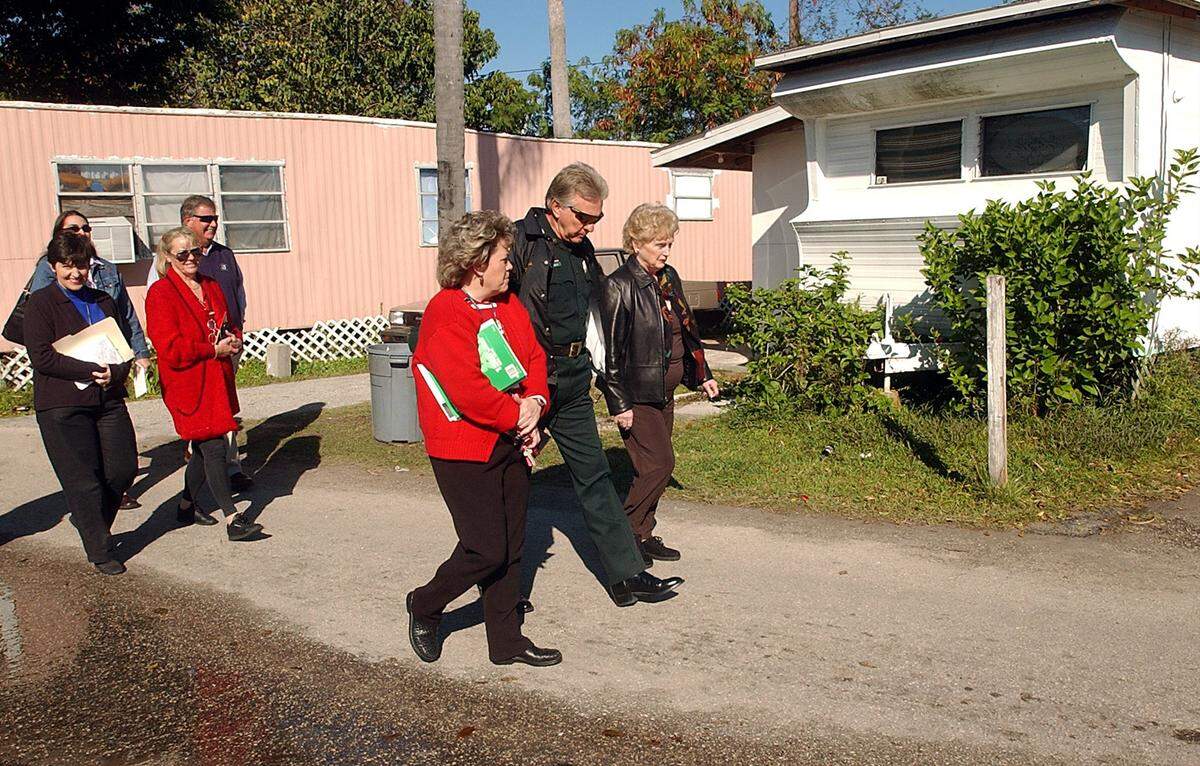
Herald: What would you say are the biggest challenges facing Manatee County right now?
Coryea: The biggest challenges are making sure we are structured in a position where we can sustain our service levels, we can help our citizens receive services and obviously address the growth in the community.
This area is a very popular area, as you know. I think I might’ve mentioned that leading to the years 2016 and 2017, Manatee County was growing at a rate of about anywhere from 4,000 to 6,000 new residents a year. In 2017, we grew by over 10,000 residents a year. That repeated itself in 2018 and 2019 and we’re on track for 2020 to grow. With that, there are challenges for the types of financial impacts that makes on providing service levels on roads, water, sewer, public safety — all of the main services that citizens rely on to be safe and be protected. Those areas of expansion and trying to maintain a lower tax level for residents is always a big challenge, especially in local government and diversifying the revenue sources.
This year, the impacts of COVID-19 to our local budget and to the state budget, and even federally, you’re going to see a challenge for fiscal year 2022 as to the various different revenue sources. It is a balancing act on how to make sure we can keep progress going.
I might mention that there are over 500 current projects in the county’s Capital Improvement Plan. These are infrastructure, public safety, parks and amenities types of projects. In order for that $740 million plan to be carried out in an efficient way over five years, we have to do a lot of juggling of the appropriate resources on the revenue and expenditure side. Those are always big challenges.
The Infrastructure Sales Tax — which was implemented by a voter referendum — not implemented by the county per se. It was a voter referendum — started in 2016, and now those projects are starting to move through the system.
Some of the challenges that were created by that and that we need to be ready for, I can give you a couple of examples. One is the Lincoln Park Pool, which we just recently broke ground on. It’s a really exciting partnership with the city of Palmetto and the CRA there. They’re donating $2 million out of their funds to match up with the county’s $6.4 million to create that pool, but once that pool gets built and is ready to open, we have to operate and maintain it. In order to do that, we have to make sure we’re prepared to take on that responsibility and that we have the revenue and the resources to be able to do that.
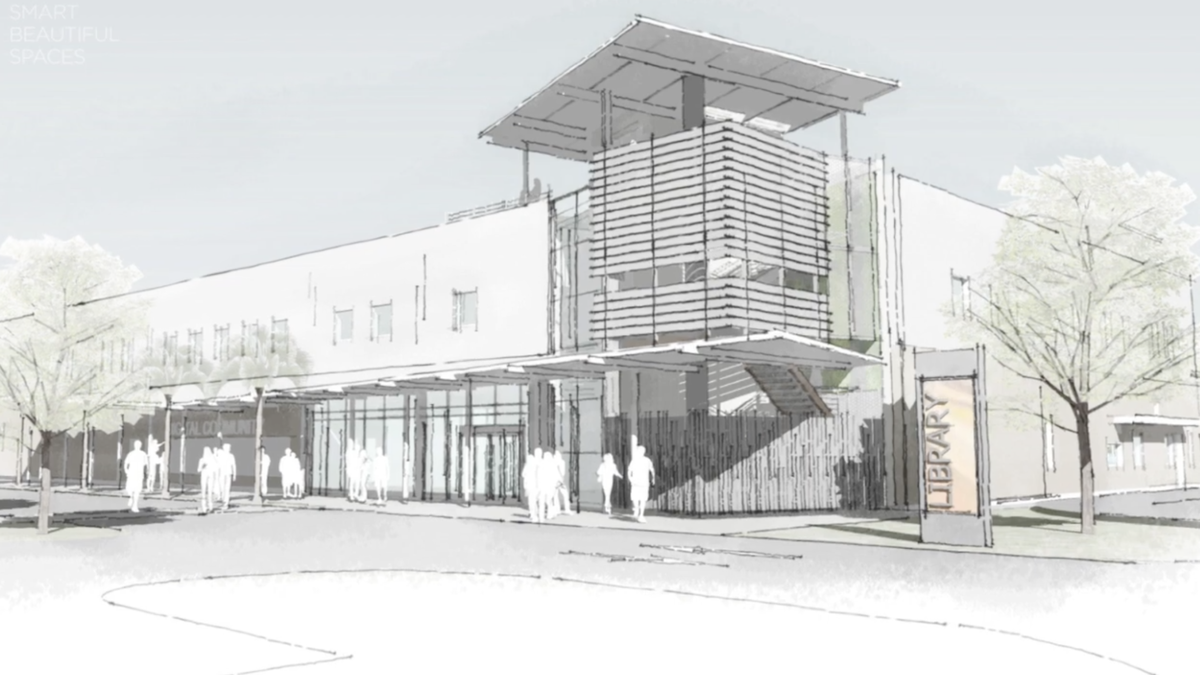
Another exciting project is your East County Library project in Lakewood Ranch. This was also an Infrastructure Sales Tax project that was on the list for the voter referendum. We’re in the early design phase and we’re expecting that project to come out of the ground in 2023. When it does, if it doesn’t come out of the ground sooner, we’ll have some staffing and operating needs there. With that growth I was talking about, you have that responsibility of making sure your revenue sources can handle the operating and maintenance.
Herald: You mentioned that you’ve removed red tape and made it easier for economic development and businesses. What are your thoughts on making Manatee County more business-friendly and running the county like a business? What are your thoughts on that approach?
Coryea: You do hear that government needs to be run like a business in a lot of instances, and while there are a lot of elements, especially of local government, that can be run in business models — and we do look at that with every single step we take with new services and even looking at old services. There are many things under government’s responsibility to the public welfare and safety that can’t be run exactly like a business would be run from the standpoint of “cheapest” (or) “shortest amount of time.”
So really is a balance of what is really required for the government to be responsible for, and many times, we are saddled with the types of things that business does not want to do because those are things that cannot be run efficiently and there can’t be a profit made. We’re certainly here to make sure that we run the community in a way that serves the public but also is the most efficient and effective way and also the least expensive as possible.
Herald: You mentioned that Manatee County does look at that at every step. Have you identified ways that Manatee County can be more efficient in certain aspects? Is it possible to cut things like permitting time?
Coryea: In fact, we have looked at that. I notified the previous board on Nov. 2 of a change we just conducted in our engineering division of the Public Works Department. Back in early January of this year, we had a group of industry leaders from the building and development side come in and talk to us about some of those types of things where inspections needed to be done a little bit quicker, our development review was lagging behind. A lot of that has to do with volume, as we indicated. A lot of growth and volume.
Our reports on our residential building permits really have never waned, maybe just in the April and March time frame they were down a little bit, but we continue to have building permits coming in for residential building.
On the inspections side, we made some changes and in that engineering division of Public Works, we’ve restructured it. We’ve gone in and streamlined some of the divisions so that we can try to reduce the time. We’ve found where we had areas where we need a little bit more time and tried to pull a few of the responsibilities out of those and move them to other areas so that they can just focus on things.
An example is stormwater. We have a fantastic stormwater group led by Tom Gerstenberger there. They are extremely busy and so we’ve tried to help streamline things there so that Tom and his group can get through those stormwater reviews quicker. On the engineering side overall, by streamlining some of those processes, we’ve definitely seen shorter wait times, quicker turnaround on inspections. Hopefully, in our development review process, we’ll see some reduced times, as well. That’s what we’ve dealt with.
We always get questions about our Building and Development Services Department. One of the things that happened here recently was that last year in 2019, there were some statewide changes to regulations with having review times reduced. 180 days for certain types and 120 for others. We had to jump into action and make changes there. Our Building and Development Services Department has done a good job doing that. Can we always make improvements there? We most certainly can. We look constantly for feedback from the industries that we impact. We have a Planning Task Force group that meets monthly to look for opportunities to run various ideas by the building and development industry. We also talk to consumers about what they’re seeing.
I’d identify another thing that our Building Development Services Department did that was video inspections for air conditioning units. Really, in Florida that’s a really popular, obviously, item, so you have a lot of turnover in your A/C units. There were some changes made at the state level that then allowed us to do video inspections and it reduced the amount of time that it took for our inspections. Now, they can actually have the contractor follow a guideline. They do the video themselves when they’re at the residence. They send those to us, and our inspectors have the ability to review each one and we have made a number of improvements there on time and effort. Those are the things that have recently transpired.
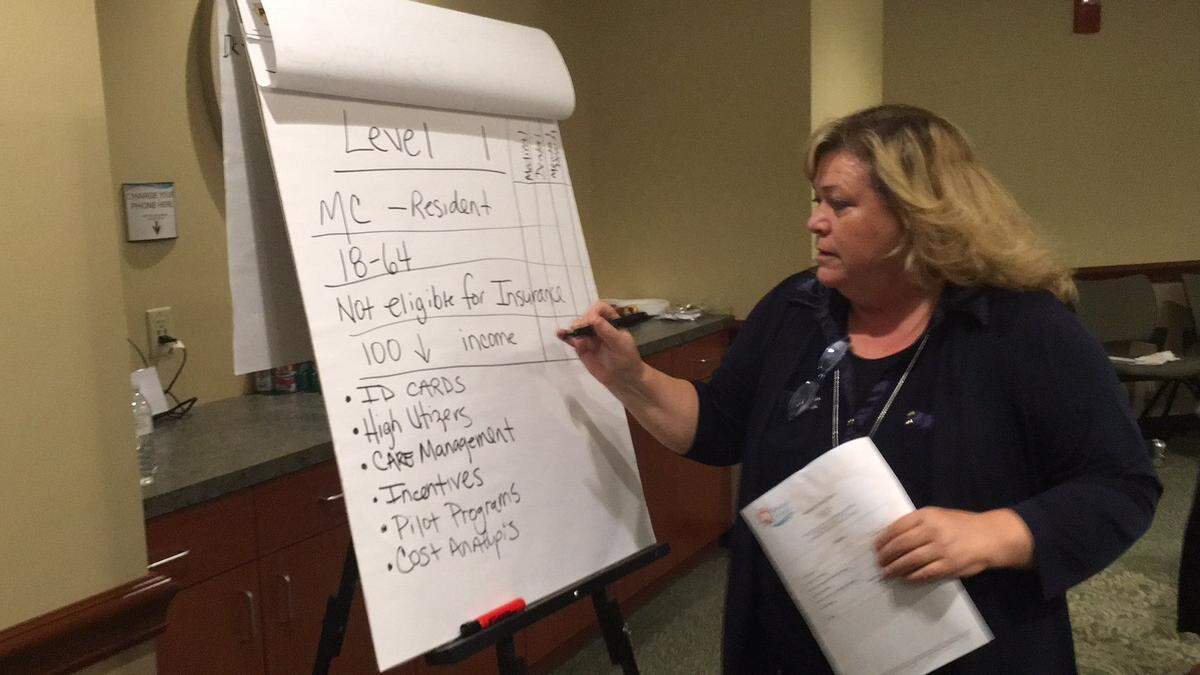
Herald: To that point, what’s your understanding of any other concerns the development community may have. Are there other specific concerns that they bring to you?
Coryea: Some recent concerns deal a lot with regulation. When you hear the word “regulations,” those sound like rules that we implement. We’ve been approached to make sure that we’re really aware of any new regulations. Most of the regulations that happen to local government comes from state regulations. You might be talking about environmental changes, building development changes, it could even be engineering and utilities type things. It’s important to use appropriate language.
I personally have tried to be really transparent about these things, to try to make sure we’re communicating with our board. When I first started as the county administrator in 2019, one of the criticisms of our previous administration was a level of communication with the seven board members to make sure they’re all informed.
I instituted a process where even when one commissioner asked a question about clarifying a particular issue, let’s say it might even be a district issue, but ultimately we see residents emailing or calling all of the commissioners about this issue, instead of just briefing one commissioner, I instituted a memo process where the department will go through and detail the issue, the solution and the current status or any next steps.
We put that out to all seven of the board members and then that’s followed up by our staff. That way all of my board members that I work for can be as informed as each other. I don’t really think it’s the best use of the board’s time if one commissioner knows more about a topic than the other. They all are very eager to know all of the problems.
Herald: Could you talk about the county’s acquisition of the Lena Road Central County Complex? Can you talk about the process behind that and why it was the right move for the county?
Coryea: So in 2018, in January or so, our board held a work session and we talked about long-range planning. I’ve mentioned that we’re growing rapidly. With having 10,000 or more people coming each year for the past four years now, we were asked in 2018 to start looking at long-range planning.
Several of us and some experts in the planning field really put to work looking at the growth patterns. It was easy to see that looking at all the data for subdivision request, right of way requests and infrastructure improvements.
As we looked at the data, it started pushing us toward a central area that was located in the State Road 64 and Interstate 75 corridor. All of our indications for population growth and land use point us toward that being the area that’s going to grow the most in the next 25 years.
As we started looking for properties and looking for reasons why we would want to improve the service delivery times to citizens to be more efficient. One thing we’ve always been concerned about in these past five to 10 years is that we muster most of our utilities work from the 66th Street station all the way in the west part of the county.
If the growth is out east, that means there’s at least 45 minutes each day for those teams to get way out to the east, and it could be even farther if you’re heading out to Myakka or Duette.
Having more of a centralized service area, actually we were able to identify over 88,000 residents that would have an improved response time from 45 minutes down to 15 minutes in a central corridor such as the area we were looking at.
We looked at over 23 different parcels to identify an area that might be most suited. About a year into the process, we became aware that the sheriff’s office needed to move from their 1-acre fleet facility that’s on Florida Boulevard, also in the southwest portion of the county.
As we started looking for properties, we kept losing out on 5-, 10- and 15-acre properties. They were being sold. They were going off the market. Prices were starting to rise. In looking at that central area, we worked closely with the sheriff’s office to identify an appropriate place that would also put their services in a central area for response times. Identifying the central area became efficient for not only the county services but also the sheriff’s office.
It could also allow us, as we presented to the board, for future opportunities for EMS stations, refueling stations, additional services levels that put us on the east side of I-75. Anyone from this area knows that if there’s a storm that comes through or something major happens, you may have a disruption on I-75 where you can’t get to the citizens in a timely manner. We have State Roads, both 64 and 70, that are very highly traveled. This location that we landed on at the central part of the county for the future was a likely location for the best and highest use.
Just in closing on that, we have some other criteria — it’s not near residential, it is near our Lena Road Landfill. We do have obligations to the landfill, even if the landfill closes. We have a 50-year obligation to monitor it. By utilizing this property in the central part, we were able to take a little portion of it and place a transfer station on it, which can add about $75 million worth of value back into our landfill and extend us by another six years. In essence, we bought another six years of being able to utilize our current landfill before we have to site another landfill, which is a very difficult process in and of itself.
Herald: There has been some concern about the cost and the closing of the sale. Is there anything you would have done differently about how the Lena Road deal was handled?
Coryea: I think the most important thing for anyone to know about the responsibility is that it’s to carry out the will of the Board of County Commissioners. That may not always be seven votes in favor but certainly in this instance, when we brought back the long-range planning of this process, the board voted twice for us to move forward on this particular project.
We followed the direction of the board and the due diligence had been part of the process throughout the review of this since January 2018. Each step that we took in reviewing various different properties required some level of due diligence to determine if it’s an appropriate property, so by doing so, we were basically able to arrive at that location in the particular time in which we did. The board gave us that directive to proceed.
Herald: That meeting (where commissioners voted to start the process toward firing Coryea) was obviously very emotional for the commissioners and the staff that were present. What have you told your staff since then and what have you heard from them?
Coryea: The great thing about local government, especially here in Manatee County, is that the staff are here to serve the citizens. They do that every day.
I can mention that today is Day 276 of us being involved in a COVID-19 and CARES Act program. Our staff has been so dedicated to making sure that services continue to be delivered, and that’s the message.
No matter who’s in charge of local government, we have a dedicated staff of over 1,800 people in varieties of different roles. They’re here to make sure that Manatee County gets the service that’s needed. That’s my message to them, and I’ve heard loud and clear that that’s where they’re hearing, as well.
Herald: You’ve mentioned that staff are concerned, and there’s been an influx of emails from residents, as well. Could you talk about why residents should care about this attempt at change at the top?
Coryea: Well, I think that given my background and history, I’m pretty attuned to the community at large, and from what I gather from what I’m hearing and seeing is that people care about the quality of life here in Manatee County.
Change is scary for anyone. Whenever there’s change that they might not be fully aware of what’s happening, either in local government or any aspect of their lives, it might frighten them. I think citizens are expressing their concern about wanting to have a voice.
That’s the neat thing about Manatee County residents. They care about each other. They care about their community. I think that’s what’s shown through. For that, I’m glad folks are able to speak about how they’d like to see the community grow and how they’d like to see the community carried out.
Herald: Whether you stay or go following the Jan. 6 meeting, what do you think about the board’s ability to come together and get things done for the community over the next few years?
Coryea: I have hope. It’s tough being a county commissioner. You get dealt with a lot of different requirements and different responsibilities and decisions that you have to make.
The neat thing about our local county commissioners is that they come from all different walks of life. When they come into this role as a county commissioner, there’s really not any training for it.
They’re really jumping right in and so, I have every hope they’ll be able to come together and they’ll start to see projects come forward, especially in the land use area and other larger decisions, there will be things they all agree upon, things they want to discuss and they’ll be able to have open conservation.
I think we always have hope that will happen sooner than later.
Herald: There were rumors that this was something new commissioners wanted to do once they were elected. Do you believe developers are behind this push to get you fired?
Coryea: I’m not going to answer that one, sorry.
Herald: With all this possible change going on, what do you believe would be the best possible outcome for Manatee County?
Coryea: Being involved in the senior leadership and working for the board for the past two years, I feel confident that we’ve been able to plan for the board and their visions. I think for Manatee County, if I were to say what might be an important step forward, it would be for everyone to take a few minutes and have an opportunity to learn and understand where the process is.
County government doesn’t stop each time there’s a new group of people that come in or go. Everyone has opinions. We want to say that we listen to all of them. For Manatee County to continue, we have a planning process that we presented that is certainly open for discussion from the new board members and certainly open for discussion for the community.
For that to continue and Manatee County to prosper, services need to move on and I think that’s why we rely so heavily on our annual budget process and our 5-year Capital Improvement Program.
It’s a clear vision for where things can go. Things can change. They can be adjusted. That process occurs every Tuesday that there’s a board meeting.
This story was originally published December 5, 2020 at 6:53 AM.