Supplies are short at Bradenton home construction sites. COVID-19 pandemic is to blame
A COVID-related interruption of the building supply chain has put a damper on the home building industry in the Bradenton area and elsewhere.
Builders can’t get the appliances they need to complete their homes and prices for wood products and other materials have skyrocketed.
“The price of lumber is up 300 percent since May of last year,” said Jon Mast, chief executive officer of the Manatee-Sarasota Building Industry Association.
“Sheets of five-eighths plywood for roofs was $22 per board and it is now $62 to $75. Truss packages have doubled or more. It’s raised prices to build a home by 30 percent,” Mast said.
Builders are facing soaring material costs and a labor shortage, putting a pinch on consumers’ ravenous appetite for new homes, and helping drive up the cost of existing single-family homes.
In April, the median price for an existing single-family home in the Bradenton area was a record $405,000. Never before had the median price passed $400,000.
Not only is the crimp in the supply line driving up prices, it is pushing affordable housing further out of reach for teachers, law enforcement officers, firefighters and others whose community contributions are essential.
Mast worries that the Biden administration is seeking to raise tariffs on Canadian lumber, which would drive prices even higher.
The shortages go back to the arrival of the pandemic. COVID forced lumber mills to close, and when they were able to reopen, they lacked a full workforce, Mast said.
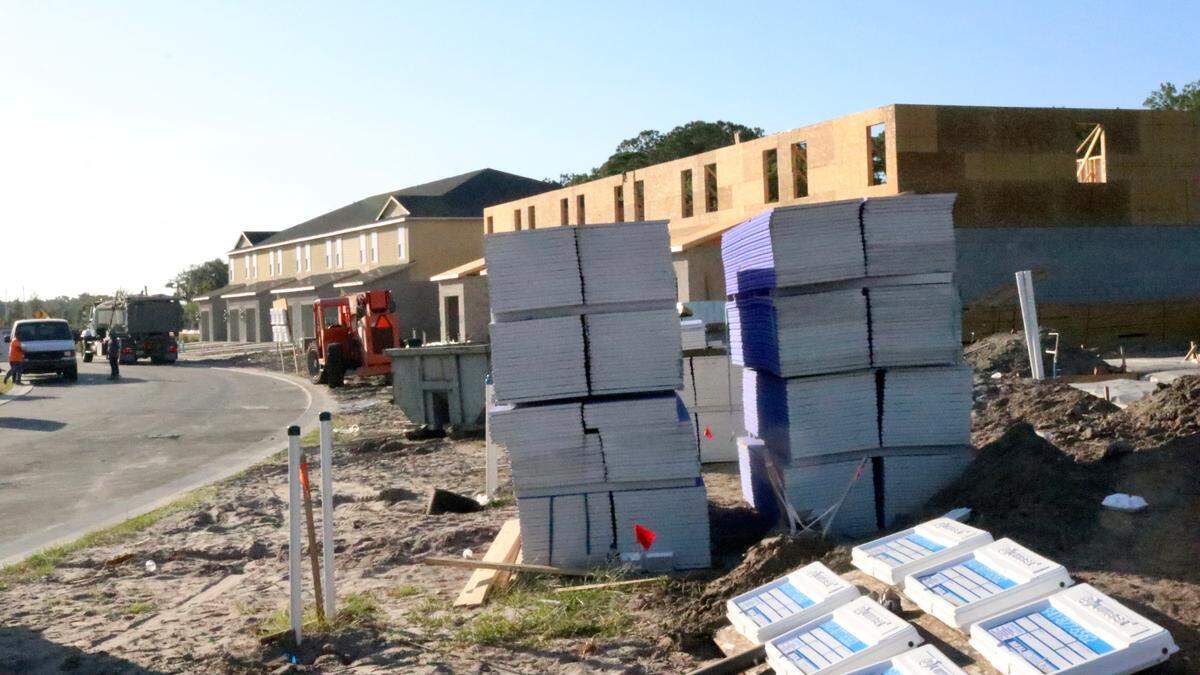
Steel prices have also gone up, perhaps doubling, driving up the cost of garage doors and exterior doors, he said.
No builder has been immune from the supply challenge, including Neal Communities, Manatee County’s largest local builder.
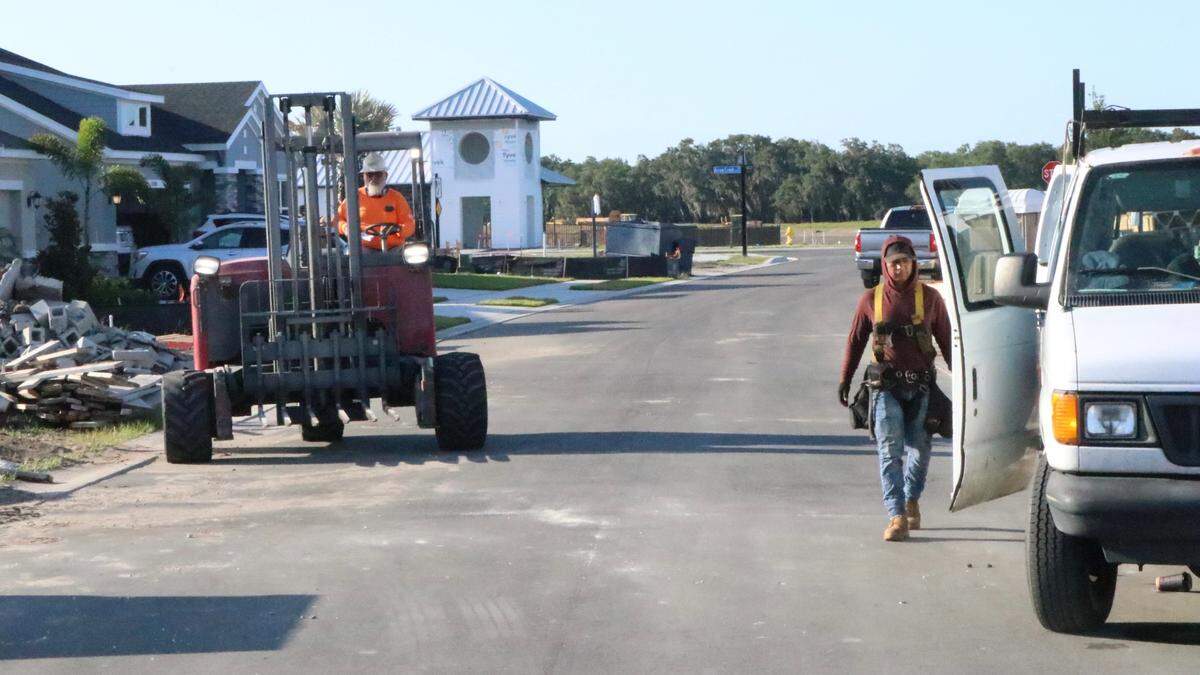
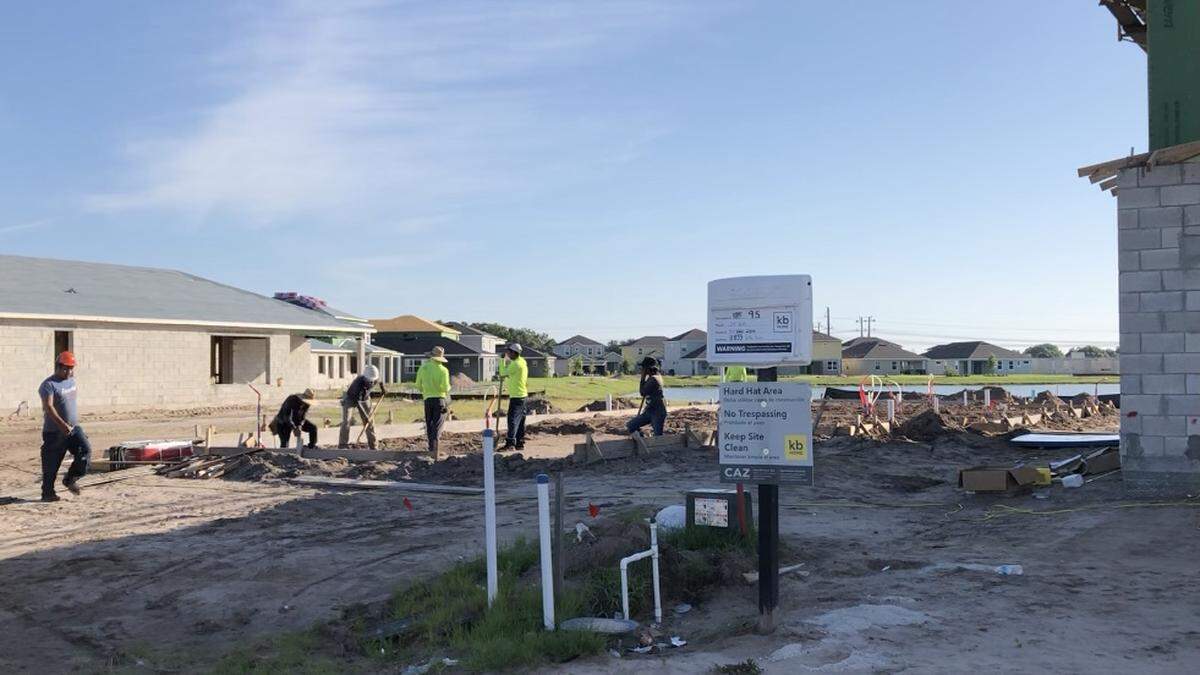
In the initial phases of the pandemic when retail businesses and restaurants had to close their doors, the building industry was largely spared, John Neal, president of Neal Land & Neighborhoods, said.
Workers were outside in the open air and they could continue building homes.
But now, the supply shortage affects all levels of the industry with demand outstripping supply.
“The effect for now is a lot of frustration. People want so bad to be part of our community. It’s difficult for them and for us,” Neal said. “It’s going to take time for the suppliers to catch up, but I think the supply chain will catch up.”
Custom features in homes, for instance certain colors of cabinets, can be difficult to find, he said.
“Everything is sequential. It has to go in order,” Neal said of the steps of building a house. “It takes 40 percent longer now to build a house.”
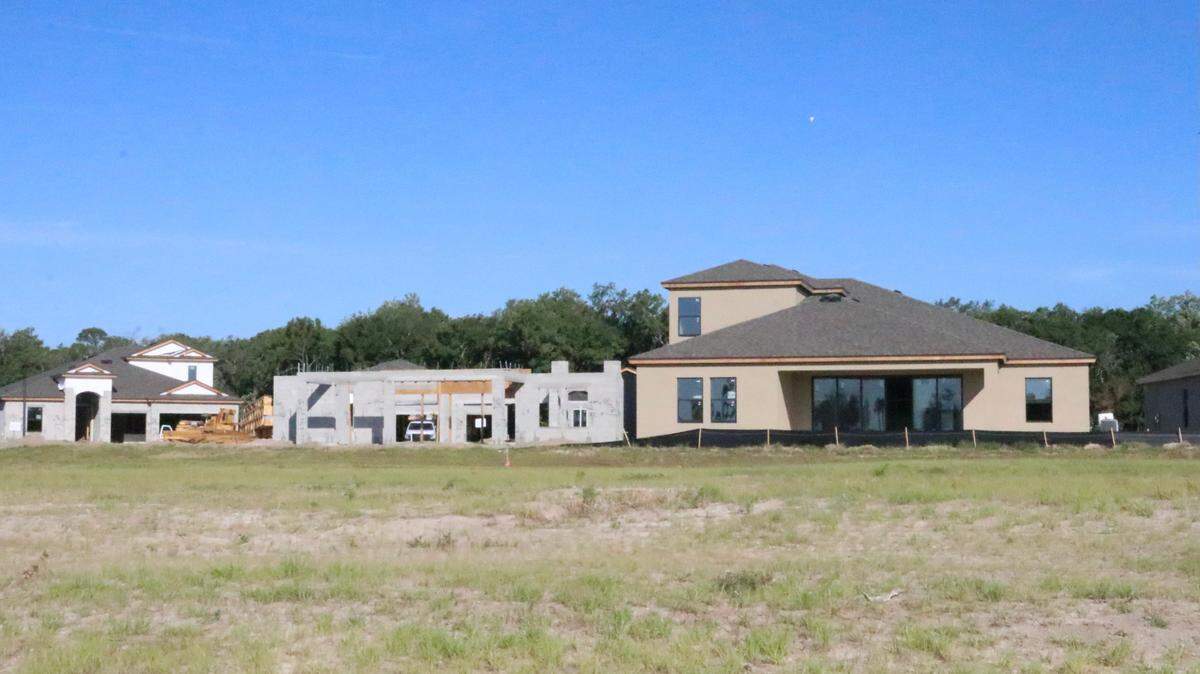
Home buyers who are willing to buy a builder’s featured home — a house built on speculation — may have it a little easier than buyers who want a custom home.
“We are starting houses ahead of the customers with the hope we can avoid customer frustration,” Neal said.
The slowdown in the building supply line has been gradually worsening. During the winter, northern home builders were not competing with southern home builders for supplies, but with the arrival of spring and summer, that has changed.
“It’s not that we can’t get supplies. It takes longer,” Neal said.
The shortages can be spotty, as well. Completion of an amenity center at Neal’s massive North River Ranch off Moccasin Wallow Road, is being held up by the lack of pool surfacing material and pavers.
“It’s never one single thing. The paver company was supposed to deliver 14 pallets of pavers and we received seven. That’s all they had,” Neal said. “It’s a free-for-all.”
“It’s important that we as builders provide housing supply. If you don’t, it drives the cost of housing up,” Neal said. “When lumber cost 230 percent of the normal rate, there is only so much a builder can do to provide attainable housing.”
Joe Fontana, area president for M/I Homes, said the supply shortage has forced his company to change the way it does business.
“The shortage of copper makes it difficult to get circuit breakers,” he said offering yet another example of the disruption of the supply chain.
“All of these constraints affect what we can deliver to customers in this high demand environment,” Fontana said.
In some cases, the availability of cabinets has not been affected so much by shutdowns in manufacturing facilities as by the lack of labor at supply docks due to quarantines, Fontana said.
Builders are not making more money because of the supply shortage, but have to pass along the higher prices in order to stay in business.
“We are just trying to stay even. I have never before felt this kind of price pressure,” he said. “The price of lumber is very cyclical. When you monitor the futures market, you can see spots where it is starting to hold, but it needs to come down much more.”
During the past year, housing prices in the Bradenton-Sarasota-North Port area rose 16 percent, ranking 17th among the nation’s top 100 metro areas. Nationally, the cost of housing rose 12.6 percent during the same period, according to the Federal Housing Finance Agency.
The supply shortage affects not only persons from other states seeking to move to Florida, but Bradenton area residents who want a new house with more modern features and more space, Fontana said.
“It’s a perfect storm. It will normalize, but I don’t know when that will be,” he said.
This story was originally published June 3, 2021 at 5:00 AM.