Study finds that Bradenton-Sarasota housing ranks among least affordable in the U.S.
For anyone looking to become a first-time homeowner in a sellers’ market like Bradenton, there seems to be no end to the discouraging news.
Record prices, low inventory and fierce competition from new buyers with deep pockets of cash have all helped make the American dream of home ownership seem ever more distant.
And then, there is the COVID-19 pandemic, which seems to have sped up the flight to Florida from some the nation’s highest income states, like California and New York.
In February, the median price for an existing single-family house in the Bradenton area rose to a record $380,000, which was a $55,000 increase from the same month last year. The median price is the exact mid-point of all houses sold during the month.
Now, a study by the Urban Land Institute ranks the Bradenton-Sarasota-North Port region among the 24 least affordable regions in the United States, clocking in at No. 14.
Among regions ranked even less affordable than Bradenton-Sarasota are San Diego-Carlsbad, Calif., at No. 1, Los Angeles-Long Beach-Anaheim at No. 2, Washington, D.C.-Arlington-Alexandria at No. 3, Riverside-San Bernardino-Ontario at No. 4, and Seattle-Tacoma-Bellevue, Wash., at No. 5.
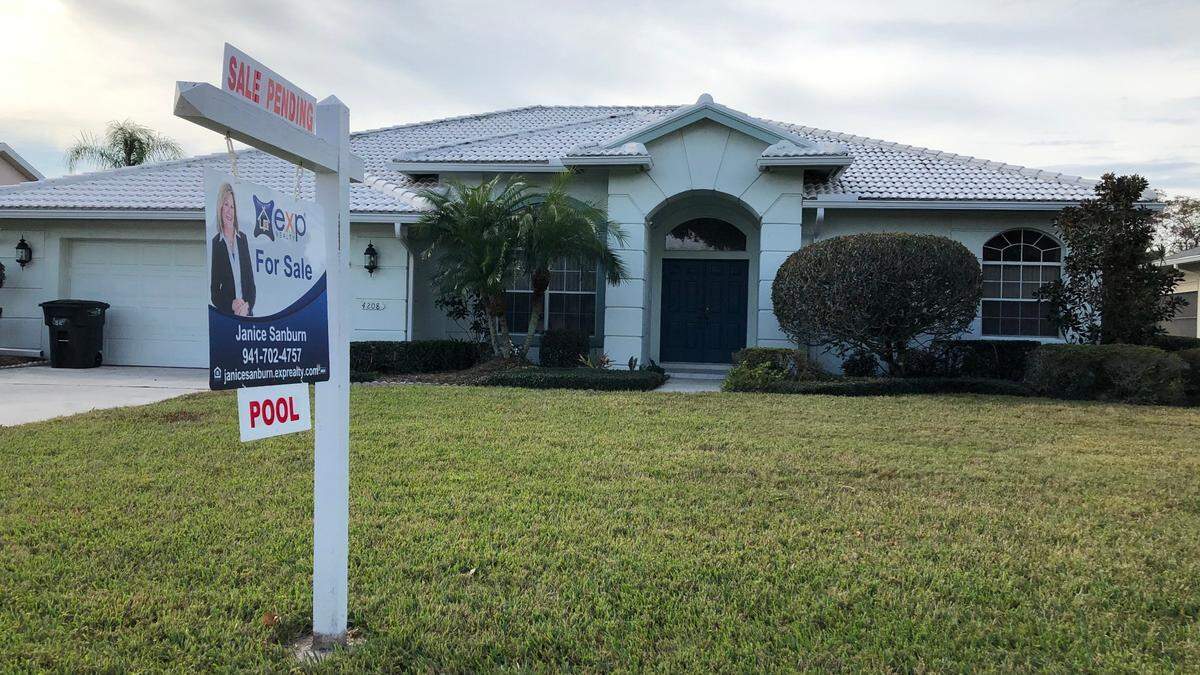
In all, Florida accounts for six of the 24 least affordable regions. Other Florida regions on the list include No. 6 Miami-Fort Lauderdale-West Palm Beach, No. 7 Naples-Immokalee-Marco Island, No. 16 Orlando-Kissimee-Sanford, No. 17 Cape Coral-Fort Myers, and No. 18 The Villages.
The study also ranked the most affordable regions with Cedar Rapids, Iowa, ranked No. 1.
No Florida region made the most-affordable list.
A shortage of affordable workforce housing — housing for members of the community like police officers, firefighters, teachers, and nurses — has long been recognized as a problem in the Bradenton-Sarasota area. The Manatee Chamber of Commerce and local government have studied the problem and made recommendations, but no one has figured out how to stop this runaway train.
“COVID has had an impact on Manatee County. It has made things more difficult,” said Geri Lopez, director of redevelopment and economic opportunity for Manatee County. “Wages aren’t increasing. That gap is getting wider.”
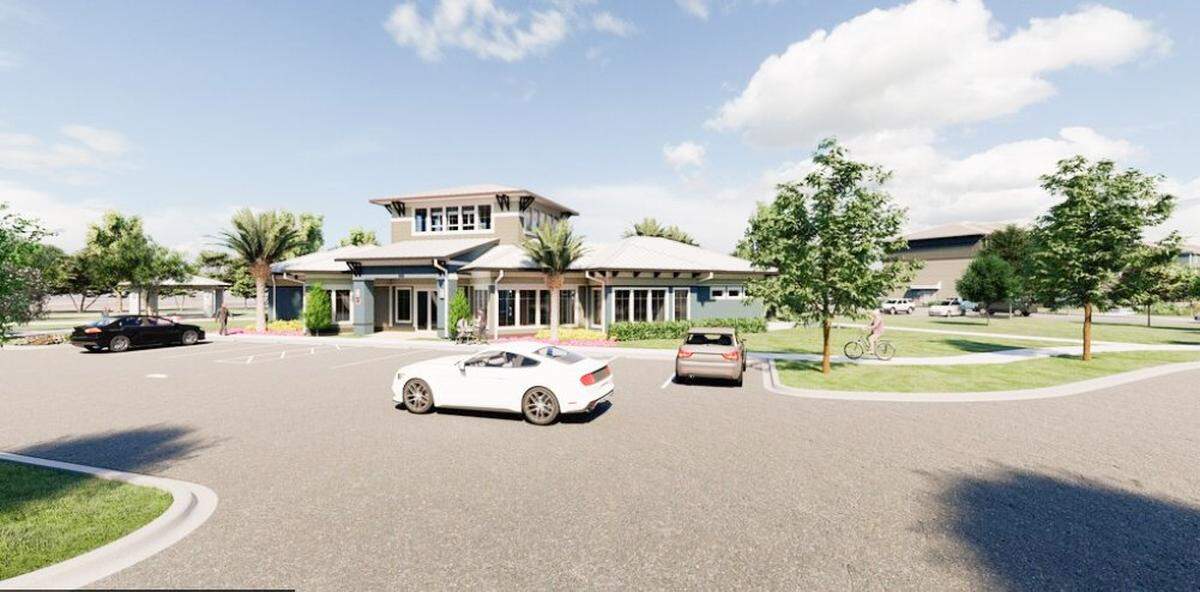
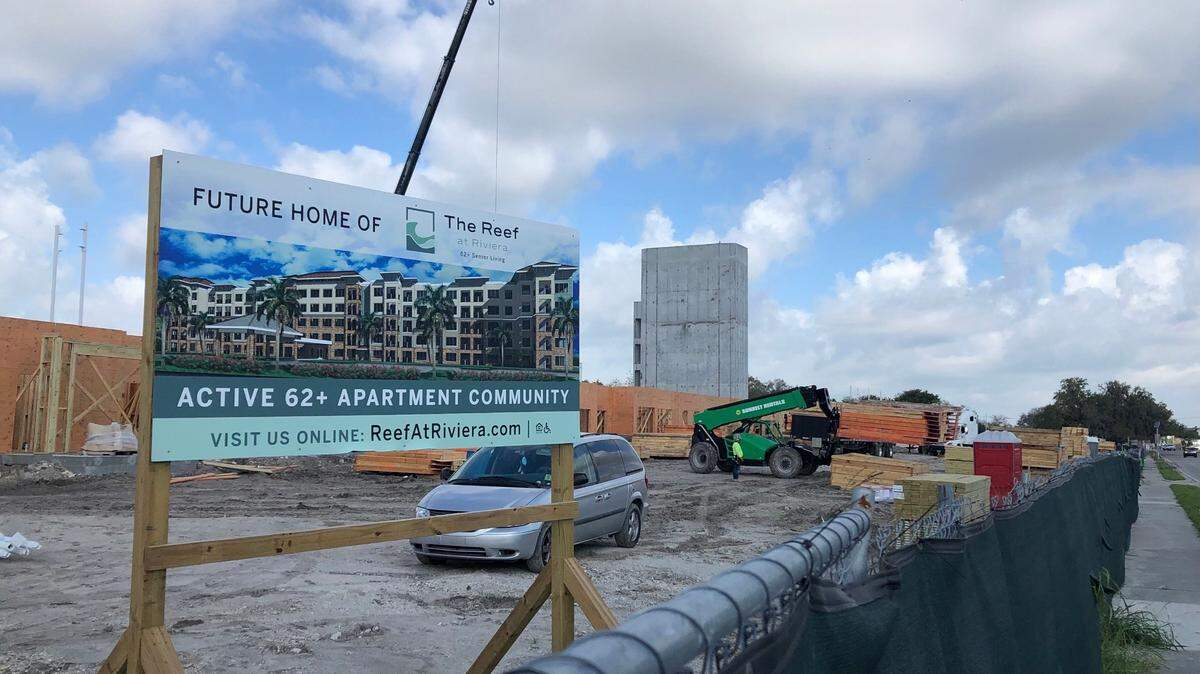
Local government has been working with developers on a number of affordable housing projects, including Parrish Oaks, Sandpiper Place, Oaks at Lakeside, and the Reef at Riviera.
Each of the projects has apartments reserved for those who are income challenged. The Oaks at Lakeside, which is expected to open soon, for example, has apartments set aside for households with incomes ranging from $16,080 to $62,160 annually. The one-, two- and three-bedroom apartments are available for income-qualifying residents. Rent prices range from $335 to $1,270 a month.
Manatee County’s tourism-based economy has been hard-hit, Lopez said of those who work in the hospitality, tourism, retail and restaurant business.
Among factors considered by the ULI study were the percent of severely cost-burdened households making $35,000-$50,000 a year, the percent of severely cost-burdened households making $50,000-$75,000 a year, the percent of all homes likely affordable to a four-person family earning 80 percent of annual median income, and the percent of all homes likely affordable to a four-person family earning 120 percent of annual median income.
The study also looked at the affordability of rental property.
Kristine Smale, a senior vice president at Zonda, which provides data-driven housing market solutions to the home building and multifamily industries, said many families are challenged trying to save enough for even a 3.5 percent down payment on a home. A downpayment may amount to five to six months of income.
Those families are competing with retirees from high-income states, buyers with a high net worth, and investors looking for property.
It’s a cash-heavy environment. There are bidding wars, and those trying to break into the market are “getting squeezed,” Smale said.
The Urban Land Institute is a global, member-driven organization of more than 45,000 real estate and urban development professionals dedicated to to advancing the institute’s mission of shaping the future of the built environment for transformative impact in communities worldwide.
The membership includes developers, property owners, investors, architects, urban planners, public officials, real estate brokers, appraisers, attorneys, engineers, financiers and academics.
The ULI Terwilliger Center for Housing seeks to catalyze the production of housing, provide thought leadership on the housing industry, and inspire a broader commitment to housing.
For more information about the Urban Land Institute visit https://uli.org/.
This story was originally published April 2, 2021 at 5:00 AM.