
Raising kids and going back to work
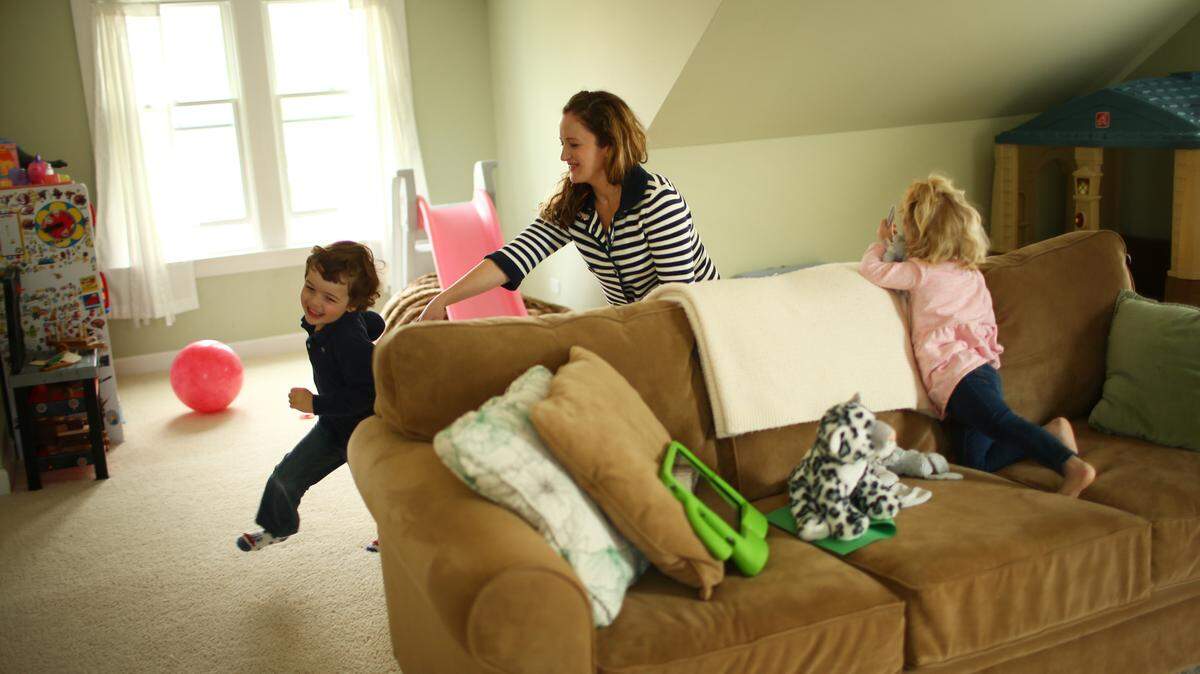
CHICAGO -- After nine years at Google, Phoebe Elder quit in July to stay home with her two kids. Relieved to get off the hamster wheel of juggling a demanding job and family time, Elder, who lives in suburban Chicago, also feared losing the independence of having her own paycheck and the notoriously tough task of returning to work after a career break.
The Mom Project, a new Chicago-based startup, aims to help women like Elder keep a foot in the door while fulfilling companies' project-based needs.
"I'm not looking to fully return to the workforce at this moment, but I would love the opportunity to do something to stay relevant," said Elder, 34, who has signed up to be part of The Mom Project's talent network.
The Mom Project, which launched in April, is a digital marketplace connecting career breakers with companies that need educated and experienced people for temporary
projects, permanent posts or to fill in when an employee goes on maternity leave -- dubbed a "maternityship," said Allison Robinson, founder and CEO.
The Mom Project is a for-profit company that collects fees from companies that use its service. It does not charge the moms.
Robinson started the company during her own maternity leave from Procter & Gamble, where she works in enterprise sales and marketing strategy. She was struck by a statistic she read in Harvard Business Review that showed 43 percent of highly skilled women with children voluntarily leave their jobs, and connected that with broader trends of businesses desiring a flexible workforce that they can bring in and out as they need.
In addition, as more companies roll out generous parental-leave policies in an effort to attract and retain talented employees, they must figure out how to cover that gap.
"This is helping to engender the rise of a more independent workforce," said Robinson, who is in the midst of a 12-month partially paid maternity leave from P&G.
Robinson said she has recruited several hundred women, most in the Chicago area, through professional and alumni associations to join the talent network. Candidates must have an undergraduate degree and five years of professional experience, and must undergo an interview with a talent manager. More than half of the recruits have a master's degree or higher.
The Mom Project is now in talks with companies, including major corporations as well as smaller businesses, to get them to sign on. Robinson said she is in the final stages of placing candidates into 10 project opportunities, which typically pay $30,000 to $60,000, depending on the role and length.
For example, an advertising agency that needs someone to fill a 20-hour-a-week project management role for six months is offering $40,000, Robinson said. The Mom Project, which functions like an Airbnb for hand-selected talent, connects the candidates with the work opportunity, handles the terms of employment and processes the payments.
Career interruptions to care for kids or other family members are a top reason women lag far behind men in senior leadership positions, pay and other metrics of success. About a quarter of prime-age adults who are not working consider themselves homemakers, almost all of them are women and the majority say they want to go back to work now or someday, according to a 2014 survey conducted by the Kaiser Family Foundation, The New York Times and CBS News. But most say they would prefer part-time work.
Elder, who transferred to Google's Chicago offices from California three years ago to be closer to family in New York, said she and her husband tried various child care options so that she could keep working. But she felt sad a lot as she missed out on the day-to-day of her kids being little. They are now 2 and 4.
Elder hopes to return to work at some point to add to the family's finances as she and her husband prepare to send the kids to college. She jumped at the opportunity when Robinson found her through LinkedIn and told her about The Mom Project.
Elder's LinkedIn profile lists more than a decade of sales and advertising experience at companies ranging from Hearst to YouTube to Google, where most recently she managed a team of brand specialists for its digital media campaigns -- and, at the top, her most recent vocation: stay-at-home mom.
"I didn't want to fall off the Earth," she said.
This story was originally published May 3, 2016 at 11:24 PM with the headline "Raising kids and going back to work ."