
Employers on alert as Zika threatens workers and customers in the Americas
As carnival revelers from Haiti to Brazil packed the streets for pre-Lenten extravaganzas this week, raising fears about the transmission of the Zika virus, A&E Networks Latin America decided to put off employee travel in the Americas.
"Travel is part of our lives and it's the way we become part of our viewers' lives, but we just have to be smart about it," said Cesar Sabroso, senior vice president/marketing for the Coral Gables-based company, which brings viewers across Latin America and Brazil channels such as A&E, History, H2, and Lifetime.
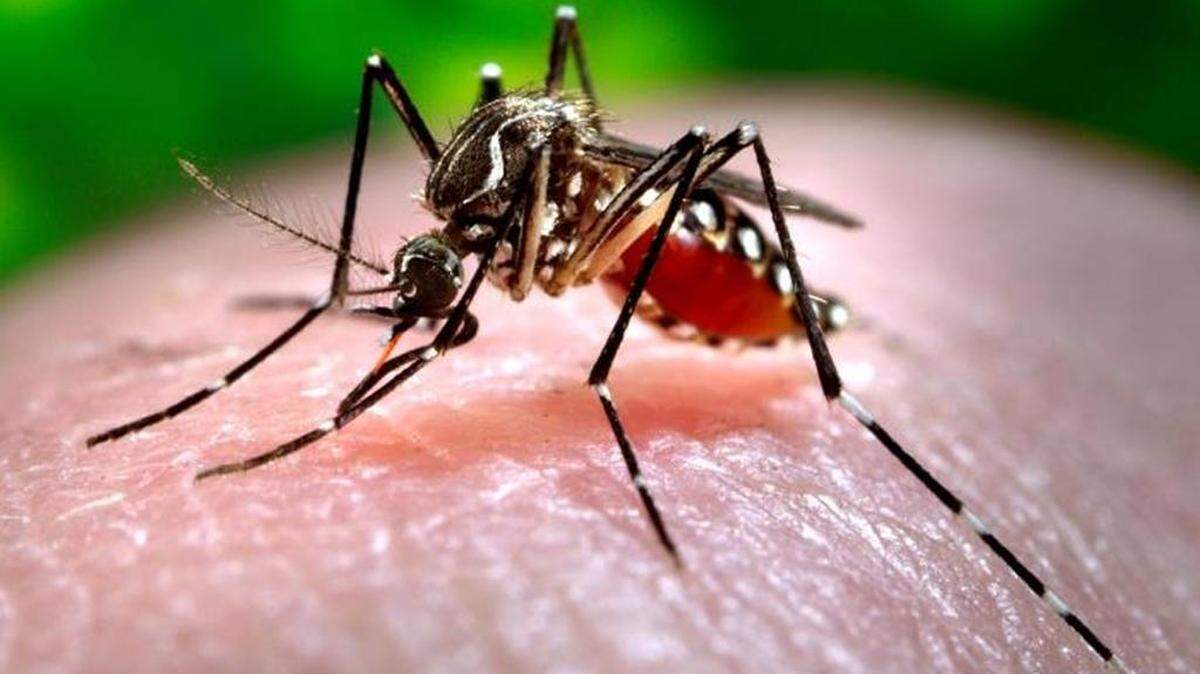
So A&E is advising traveling employees to stock up on insect repellant and to avoid densely populated areas and waterfront locations where the Aedes aegypti mosquito, which spreads Zika, might lurk. Keeping up with the latest health advisories on Zika also has become part of the corporate routine.
"We're traveling as often as always. This is not the first time, nor will it be the last time, that we've had to
deal with mosquito-borne diseases," said Sabroso. But he said the company wants to be responsible, so instead of traveling in the Americas during carnival week, employees have been using Skype and the telephone to keep in touch.
South Florida is home to more than 1,400 multinationals with employees who travel frequently through the Americas -- including the 26 South American, Central American and Caribbean nations and territories where Zika is locally transmitted. South Florida also is a hub for regional travel and cargo shipments, and airlines and logistics companies such as UPS and DHL have had to respond to the new reality of Zika.
Airlines are responding to the threat by offering refunds to pregnant travelers and airports are posting, or planning to post, information on the virus. The White House also is posting news on its Zika page.
At Miami International Airport, traveler information from the CDC is expected to go up soon in Customs and check-in areas.
The State Department also is working to accommodate pregnant women at diplomatic missions in areas where there is active transmission of the virus. Pregnant U.S. government employees or their pregnant spouses who are covered under State's medical program have been offered medical evacuation from areas under CDC travel alerts for Zika or have the option of shortening their tours of duty.
Romain Seguin, president of Miami-based UPS International, Americas Region, travels extensively throughout her territory for business. "I follow the recommendations from our local partners and, just like all employees traveling, I follow all local health alerts," she said.
Pest control prevention is already standard operating procedure for the packages handled by UPS, but the company recently began sending CDC recommendations to its employees and has been monitoring the Zika situation closely, said Seguin.
Logistics firm DHL also is creating awareness among its traveling employees, advising them to wear long sleeves and pants, pack bug spray and to consult with a physician before travel if they are concerned.
Executives of Miami-based Burson Marsteller Latin America not only travel in the region, but the company has a "few hundred" local employees in Latin America with about one-third of them in Brazil.
"Our pregnant employees located in countries with Zika are following the guidance of their physicians and local public health authorities," said Ramiro Prudencio, president and chief executive of BM Latin America. "The situation in Brazil is heartbreaking."
In Brazil, which has seen a significant increase in babies born with microcephaly, the virus was first reported by the Pan American Health Organization in May 2015.
He pointed out that Brazil and much of South America has been dealing with mosquito-borne dengue fever for the past two decades, and more recently Chikungunya, but "the apparent link that Zika has to microcephaly is reframing the context quickly."
This story was originally published February 11, 2016 at 11:59 PM with the headline "Employers on alert as Zika threatens workers and customers in the Americas ."