
Nobel in economics awarded for studies of consumption
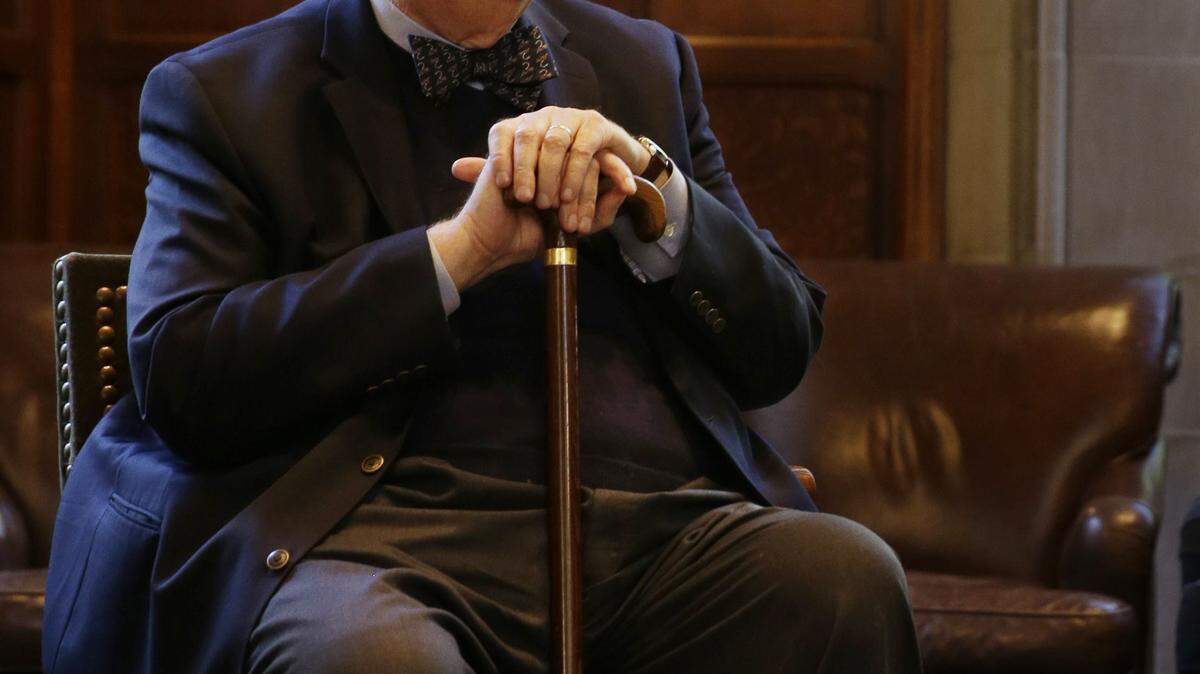
Angus Deaton, a Princeton economist, was awarded the Nobel Memorial Prize in Economic Science on Monday for improving the measurement of basic economic indicators like wealth and consumption, particularly in developing nations.
Deaton, a British and American citizen, is best known among economists for his insight that learning about the specific economic circumstances and choices of individual people, rather than relying on typical measures of larger groups, could produce a better perspective on the workings of the economy as a whole.
"To design economic policy that promotes welfare and reduces poverty, we must first understand individu
al consumption choices," the Royal Swedish Academy of Sciences said in a statement announcing the prize, the last of this year's crop of Nobels. "More than anyone else, Angus Deaton has enhanced this understanding."
Deaton has been at the forefront of a revolution made possible by computers: the use of detailed economic data to produce more accurate conclusions about broad economic trends. He has worked both to improve measurement techniques and to use those tools to pose basic questions about improving human welfare.
In an interview Monday, Deaton said he had focused on the developing world because "there's a real moral urgency to understanding how people behave and what we should or might be able to do about it." Deaton is best known for refining the tools that economists use, emphasizing the importance of careful statistical analysis of choices by individual households.
"Suppose you wanted to understand the effect of a subsidy on rice on the well-being of farmers," said Dani Rodrik, a professor of political economy at Harvard. "He has produced an approach that you can actually use with household data to trace through the effect of something like this on the well-being of different farmers." Deaton said he hoped "carefulness in measurement" would be his legacy.
This story was originally published October 12, 2015 at 7:34 PM with the headline "Nobel in economics awarded for studies of consumption ."