FPL said Parrish power plant smokestacks would come down in 2022. Is it still happening?
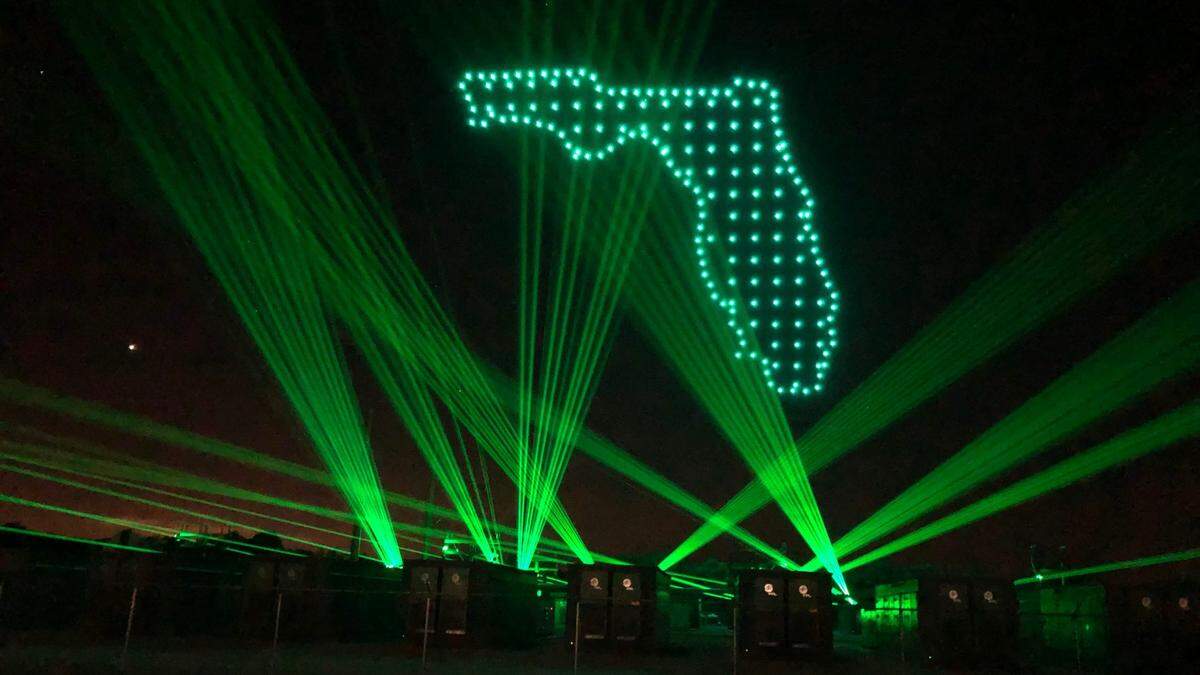
In December, Florida Power & Light used a massive night-time light show to spotlight the power of its recently completed 40-acre Manatee Solar Energy Center in Parrish, home to the world’s largest solar-powered battery.
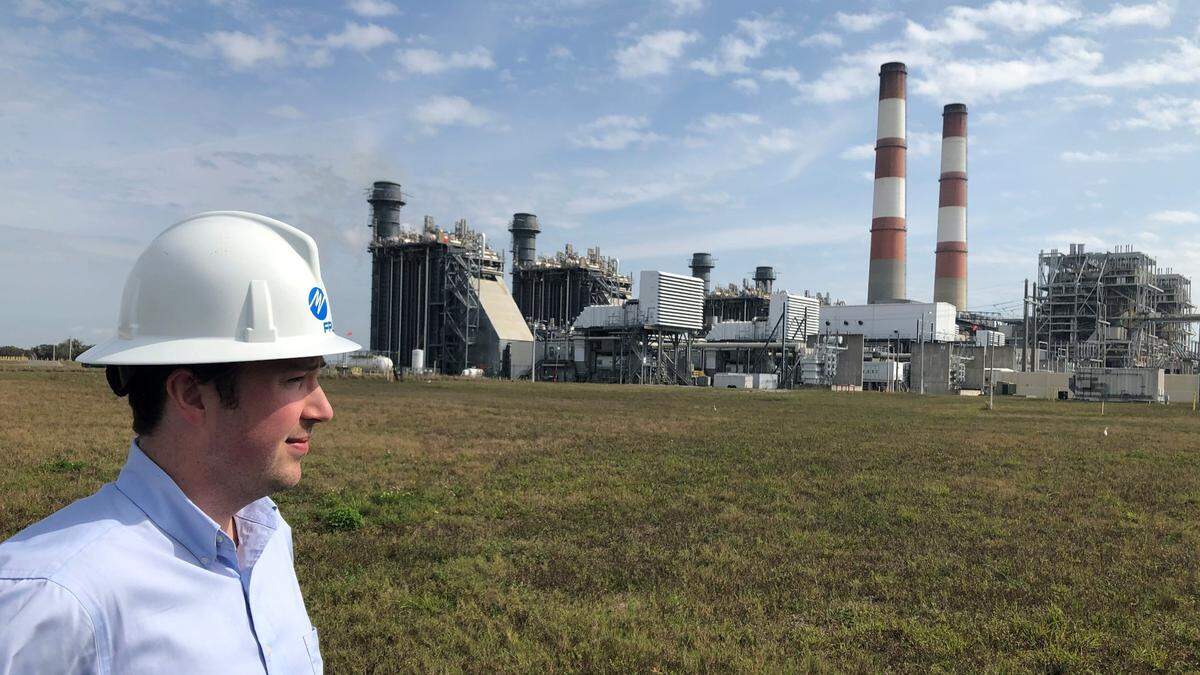
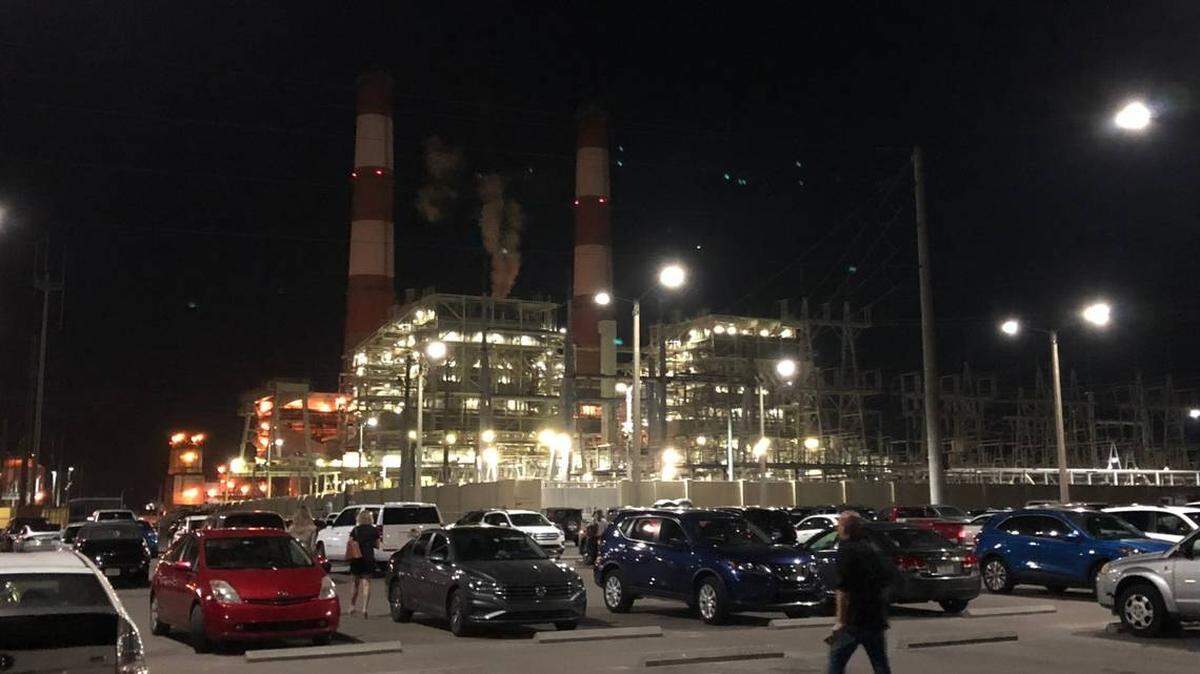
The huge battery — which can store enough solar energy to power approximately 329,000 homes for more than two hours — stands in stark contrast to the two 15-story smokestacks at FPL’s Parrish power plant on the opposite side of the street at 19052 State Road 62.
Two years ago, FPL spokespersons said the smokestacks and the plant they serve would be decommissioned and the smokestacks would be taken down in 2022.
That may still happen, although FPL is guarded about saying when.
The red-and-white smokestacks towering 500 feet above the East Manatee landscape have been a fixture at the plant since the early 1970s. They represent an older generation of fossil-fuel fired plants with their accompanying concerns about emissions.
A recent ProPublica’s analysis of five years of modeled Environmental Protection Agency data identified more than 1,000 toxic hot spots across the country and found that an estimated 250,000 people living in the United States may be exposed to levels of excess cancer risk that the EPA deems unacceptable.
The ProPublica study named Parrish as a hotspot for cancer-causing air pollutants. According to the report, people living in the immediate area around the Parrish power plant have an estimated excess lifetime cancer risk from industrial sources of about 1 in 100,000.
ProPublica says its study is not a site-specific risk assessment, and cannot be used to tie individual cancer cases to emissions from specific industrial facilities.
FPL disputes that its power plant is the source of the emissions, saying that its cleaner generating facilities have been steadily reducing emissions over the past few decades and that they are within allowable levels.
“The ProPublica study reflects a snapshot that shows an increase in emissions due to road paving that took place on property at the time. In other words, the emissions took place as part of facility maintenance, not from power generation activities,” FPL spokesman Andrew Sutton said.
Glen Compton, chairman of environmental watchdog Manasota 88, expressed frustration about emissions reporting requirements.
Information that is available on toxic emissions is often inadequate and poorly managed, he said. The Toxic Release Inventory collects data only on annual quantities of toxic releases and transfers.
Compton said such data masks the patterns of releases during the year. The information does not disclose whether emissions are continued and released in regular amounts every day or happen in a “burst” as a result of a short-term process or an accidental release.
It is difficult to accurately assess human health risks as a result of the TRI reporting requirements, Manasota 88 said recently.
Will the smokestacks come down?
FPL says the smokestacks “are required equipment for overall plant operations” but have been removed from “regular service.”
“However, FPL has chosen to keep the units on emergency winter standby — meaning we are keeping them available to run only during extreme winter weather events,” Sutton said.
On the freezing weekend of Jan. 30, FPL restarted the stacks, known as Manatee Units 1 and 2, “out of an abundance of caution.”
“Keeping the lights on for customers is always our top priority at FPL,” Sutton said. “Because it can take up to 72 hours to bring the plant back online in an emergency, FPL decided to take the precautionary measure of starting up the units in case Florida experienced extreme temperatures.”
The utility said it did not experience any issues providing power to customers that weekend.
“While actual temperatures may not be as low as forecasted, it is best to have as many resources available as possible for potential extreme winter conditions,” Sutton said.
For Compton, the smokestacks can’t come down soon enough.
“The sooner they take those smokestacks down, the better. The more they can do, the better for the residents of Parrish,” he said.
History of the plant
While no one disputes that FPL is generating power more cleanly than in the past with its new solar plants, the company received a black eye in the 1990s when it sought approval to burn Orimulsion at its Parrish power plant.
Orimulsion, a fuel from Venezuela, is a combination of bitumen and water and was widely seen as a health threat.
The controversy was finally put to rest in 1998, when Gov. Lawton Chiles and the Florida Cabinet voted 6-1 against FPL using the fuel in Manatee County, marking the end of a four-year fight against the fuel.
In 2005, FPL completed a two-year, $530 million project in Parrish to generate electricity with a natural gas-fired plant, a much more environmentally friendly operation than the old oil-fired plants.
The Manatee power plant runs almost entirely on natural gas.
“Only on rare occasions do Units 1 and 2 require a small amount of supplemental oil for power generation. That last occurred in October 2021,” an FPL sokesman said.
In 2020, an FPL spokesperson said the arrival of the Manatee Solar Energy Center in Parrish would allow a section of the older power plant to be retired years ahead of schedule and eliminate one million tons of carbon dioxide emissions.
This story was originally published February 22, 2022 at 5:00 AM.