Holding the line: Manatee leaders, residents discuss putting the brakes on development
The urbanization of Manatee County is reaching a breaking point, and residents are asking local officials to stand behind existing protections for agricultural land out east.
A booming housing market has led development right up to the edge of the Future Development Area Boundary (FDAB) line, a north-south boundary that runs roughly parallel with the western edges of Lake Manatee and Lake Parrish. That barrier is meant to protect the county’s agricultural land and other natural resources.
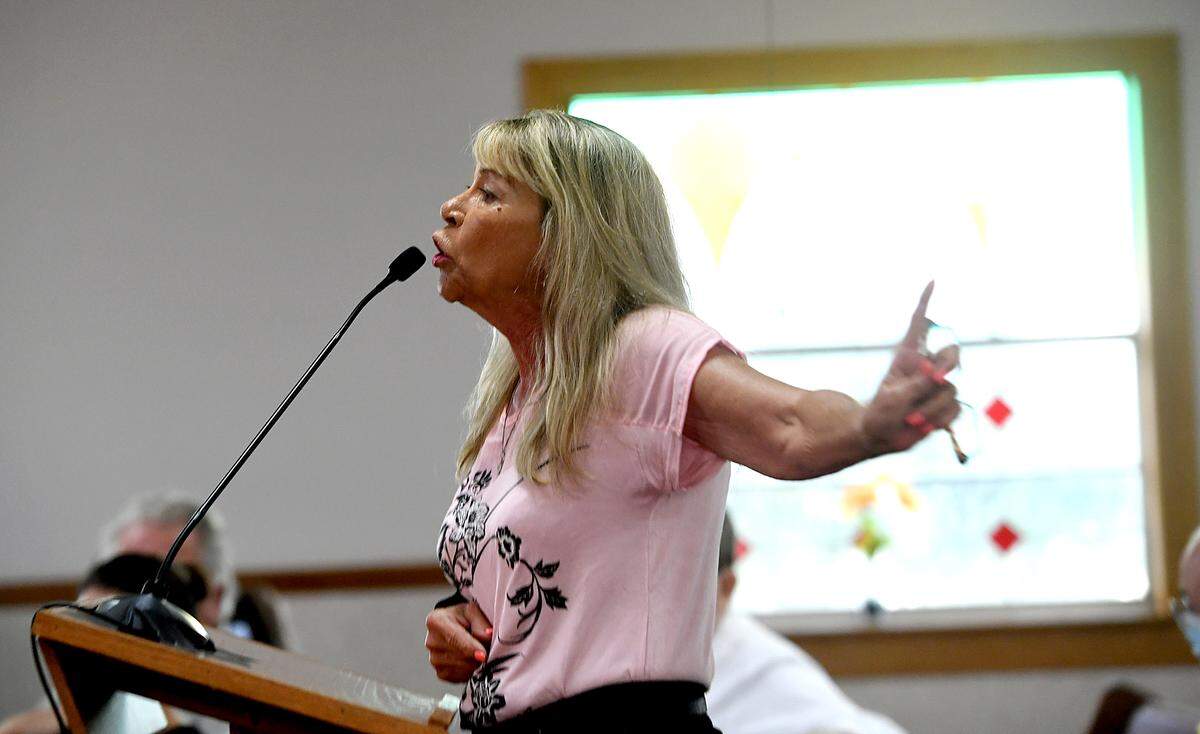
In a rare community workshop Tuesday at the Bethany Baptist Church in Myakka City, residents voiced their opposition to further development in eastern Manatee County. They pleaded with the Board of County Commissioners to hold the line, preventing the loss of any more land to housing.
On the other side of the FDAB, the county doesn’t provide urban government services, such as water, wastewater and transit. Speaking with the board, many residents said they prefer it that way.
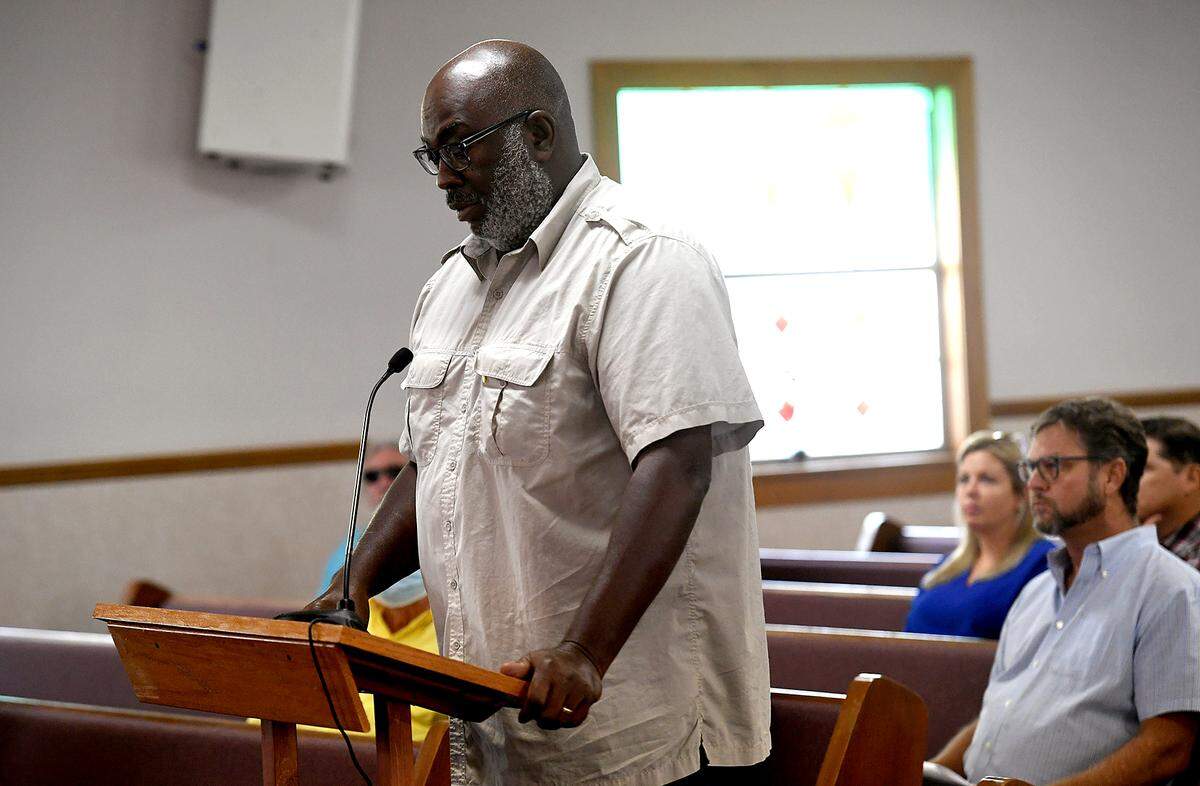
“At some point in time, the county will need to put the brakes on something, because this whole area will be nothing but concrete and houses,” said Norman Stockton. “We just want some responsible leadership going forward.”
A presentation from county staff calculated that an average of 3,000 acres of agricultural land have been lost every year since 1998, mostly due to rezoning approvals to build houses or other developments in rural parts of the county.
“Manatee County is at a major crossroads as to what it looks like for its citizens and our resources,” said Meredith Barcomb, public relations director for the P.O.W.E.R. organization, or Preserve Our Wildlife Environment and Resources, which advocates on behalf of rural residents.
County staff gave a rough estimate of much space on the west side of the county is still available for development. By the county’s count, there are around 20,000 vacant lots, which could be used to build around 100,000 apartment units or homes.
“Based on population projections, we’ve looked at the population we have today and the projections for the next few years. It would take 40 years to fill those units west of the FDAB,” said Lisa Wenzel, a comprehensive planner with the county’s Building and Development Services Department.
As a workshop meeting, board members were barred from voting on an official position, but several commissioners made their positions clear.
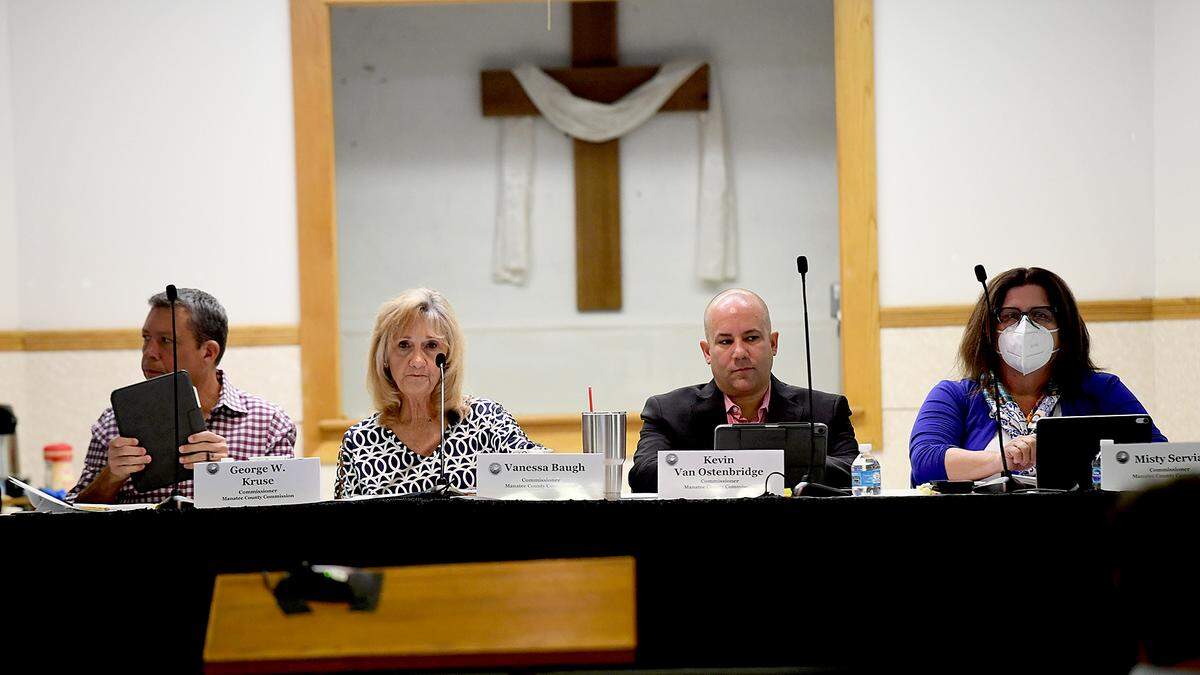
“There’s zero chance on the planet that anyone will ever convince me to move this line. That would make no sense to Manatee County. At the end of the day, the line serves two purposes: one is the urban sprawl and the second is just the economics associated with it,” said Commissioner George Kruse, who has held several town hall meetings with residents in recent weeks.
“It’s not my job — it’s no one up here’s job — to maximize profit for developers, or anybody for that matter,” he continued. “At no point in time am I moving this line and then taking the taxpayer responsibility on infrastructure and utilities further out east.”
Commissioner Vanessa Baugh, the district commissioner who represents Lakewood Ranch and Myakka City residents, also supported keeping the FDAB where it is today.
“Myakka is in my district. It pains me to even have this conversation or listen to this conversation, knowing that we’ve gotten to the point now that we have to have it,” said Baugh, who spoke in support of the diversity that eastern Manatee County provides.
“We deserve to be able to have Myakka as we know it,” she added. “You get east of I-75 and it’s a whole different ball game.”
The FDAB has been moved before. Most recently, it shifted about a mile to the east in 2006. Other commissioners said they couldn’t commit to holding the line where it’s at forever, arguing that it would contribute to a housing shortage as the population continues to rise.
“I’m not somebody who’s going to tell you we’re never going to move the line because the line will move, but does it have to move now?” Commissioner Misty Servia asked. “Or is later a better option?”
Tuesday’s workshop comes about four months after commissioners approved the first step of a proposed expansion to Lakewood Ranch that would cross the FDAB in order to build 7,000 more homes. The developer, Schroeder-Manatee Ranch, argued that it should be allowed to cross that border, especially given that the master-planned community will pay for the infrastructure required to make it work.
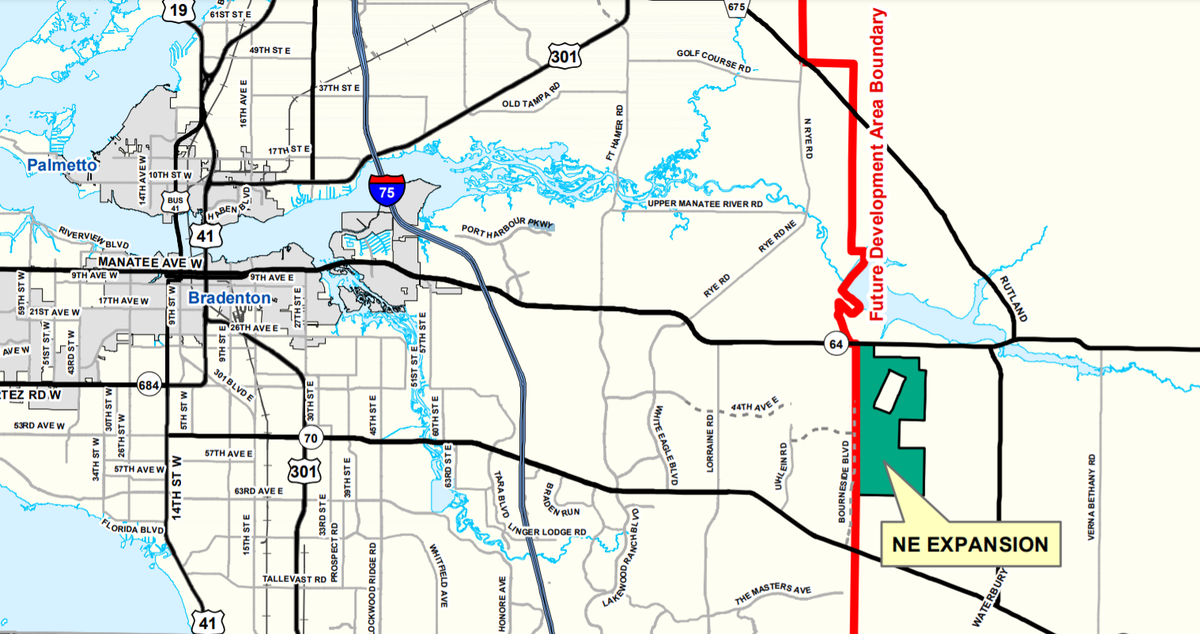
SMR’s request has not been fully approved by the county, and more meetings regarding that development will be held after reviewing comments from state officials.
Before moving the line and allowing more development out east, Servia said she would prefer to see more efforts made to redevelop older parts of town.
“I personally believe we need many more incentives for redevelopment,” she added. “There are areas we should be looking to have much higher densities so that we can accommodate the growth and not impact the eastern part of Manatee County.”
While some found comfort in the fact that there’s still so many lots to be developed in Manatee County’s urban area, Commissioner Kevin Van Ostenbridge said he didn’t think it would be fair to build out every lot before expanding development further to the east.
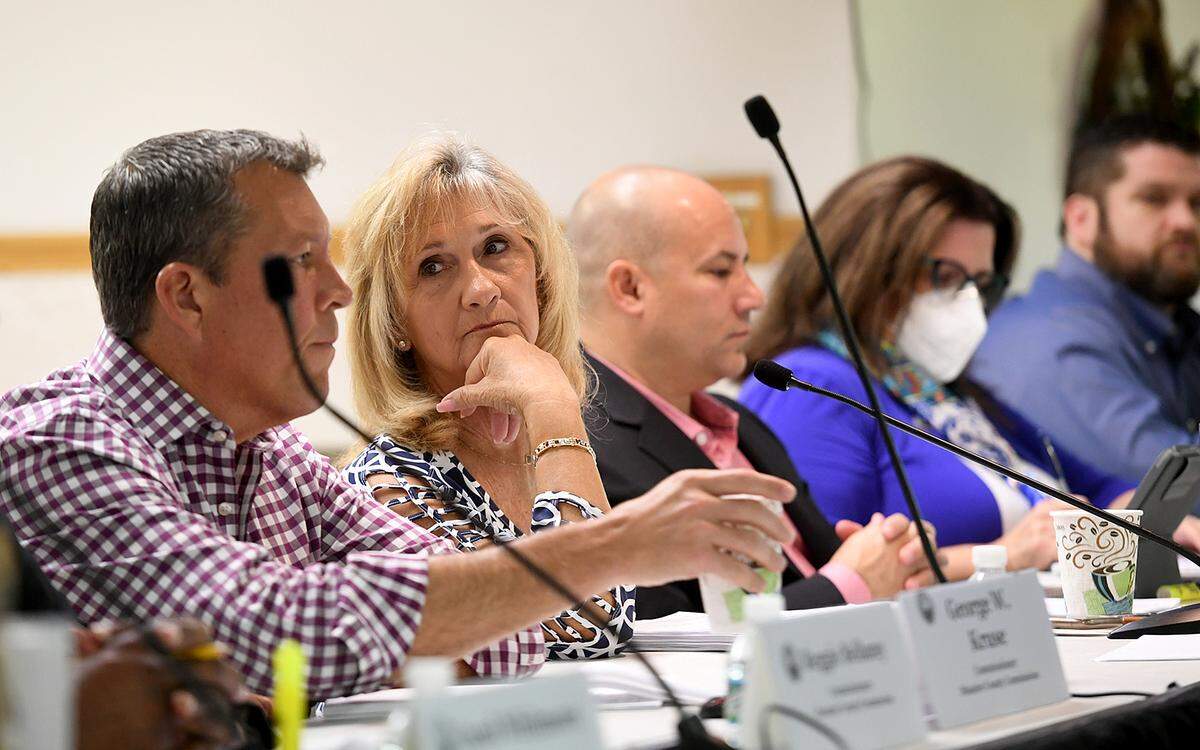
“We have a housing shortage. I’m not even taking a position on this FDAB line, I’m just telling you there’s more to it than what we heard today,” said Van Ostenbridge. “I respect Myakka and I love Myakka, but I represent the west side of town, and as much I appreciate you all wanting to build out every inch of green space in my district before you’ll allow one more house to be built out here, I’m going to say no thanks.”
Before the county proceeds with any decision, commissioners said they hoped to have more discussion and community meetings to figure out ways to manage growth while protecting the way of life in Myakka City.
“If people come together and have those tough conversations, it’ll help the county move forward,” Commissioner Reggie Bellamy said.
“We need to have much more discussion. How do we do this? How do we do it and keep everyone in the lifestyle they want?” That’s what it’s all about,” Baugh said.
This story was originally published September 1, 2021 at 1:15 PM.