Parrish rancher overcomes challenges during pandemic in brokering cattle deal with Peru
Brokering an international cattle deal is never easy.
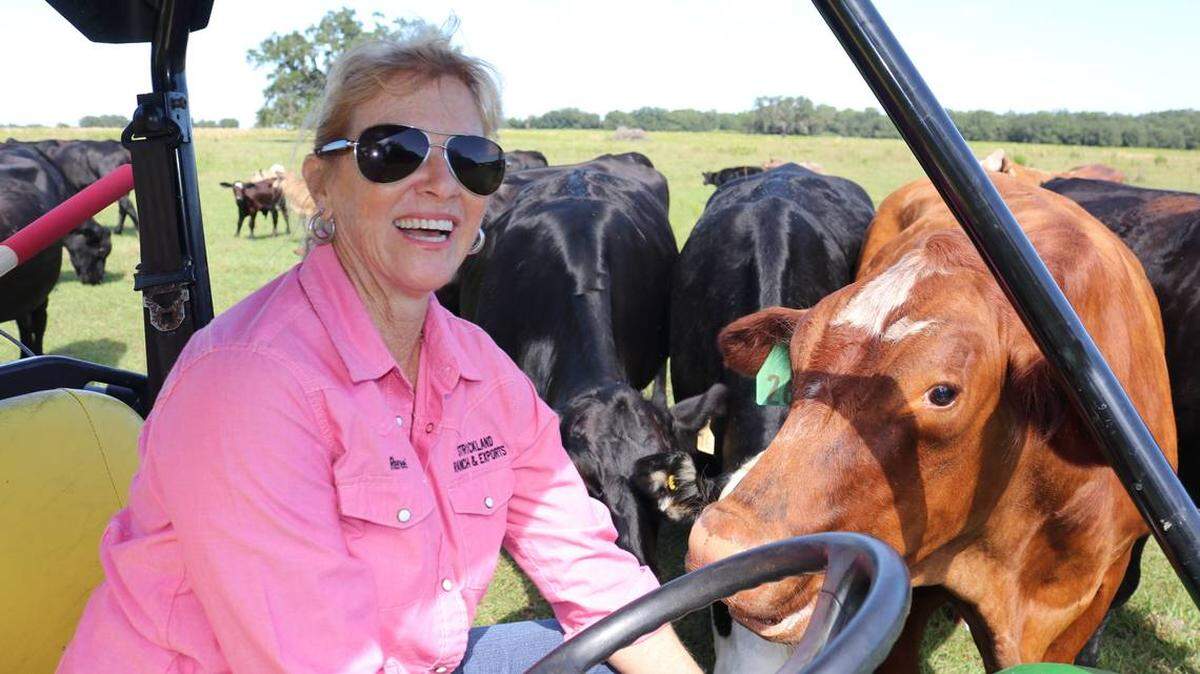
And it is even harder during a global pandemic, said Parrish rancher Renee Toussaint-Strickland, who recently completed a deal to export registered beef cattle to Peru.
Toussaint-Strickland, who has been brokering cattle deals for 13 years for Strickland Ranch & Export Inc., said the Peru deal was among the most difficult, and perhaps the most important.
“I feel good about what I am doing. The production of food products is especially important in the pandemic and will be critical in coming years. Food production in the United States will need to increase 40 percent by 2050 and globally by 70 percent,” she said.
The United Nations forecasts that the current world population of 7.6 billion will grow to 9.8 billion by 2050.
“The pandemic is a setback. What I am doing is more important now than ever,” Toussaint-Strickland said.
The 65 head of registered beef cattle will be used to diversify and improve the genetics of cattle in Peru.
The tender, or invitation, to make a deal came from the government of Peru, and the cattle came from ranches in Texas, Alabama and Georgia.
“The health testing protocol in Peru is brutal. It’s very difficult for Florida cattle to pass,” she said of the decision to look for cattle in cooler climates.
Toussaint-Strickland began working on the deal in December, at a time when the last thing on Americans’ minds was the threat of a pandemic.
By the time she had matched buyers and sellers, the pandemic was very real, and the airline industry had descended into free-fall. A final hurdle was working through two cancellations to fly the cattle from Miami to Lima.
“It felt like I was holding a house of cards, but the third time was the charm,” she said.
In the past, Toussaint-Strickland has flown with her cattle to international destinations, whether they be in Pakistan, Oman or somewhere closer to the United States. But with a worsening pandemic, she decided it would be wise to stick close to home this time.
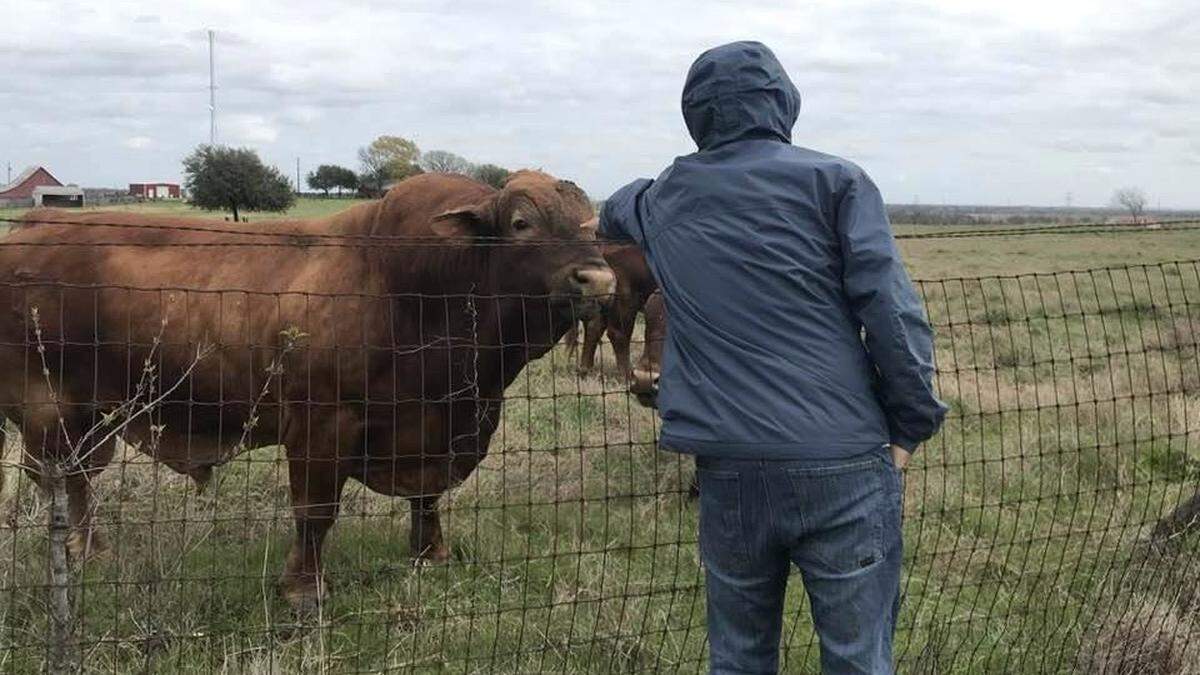
“These cattle are going to bring some great new genetics to a beautiful country for better beef production and meat quality,” she said this week.
Mike Snipes, an economics instructor at USF Sarasota-Manatee, said increasing the world supply of anything requires an improvement in technology that allows workers to become more productive.
But with a commodity like beef, there are limits, including space and reproductive rates.
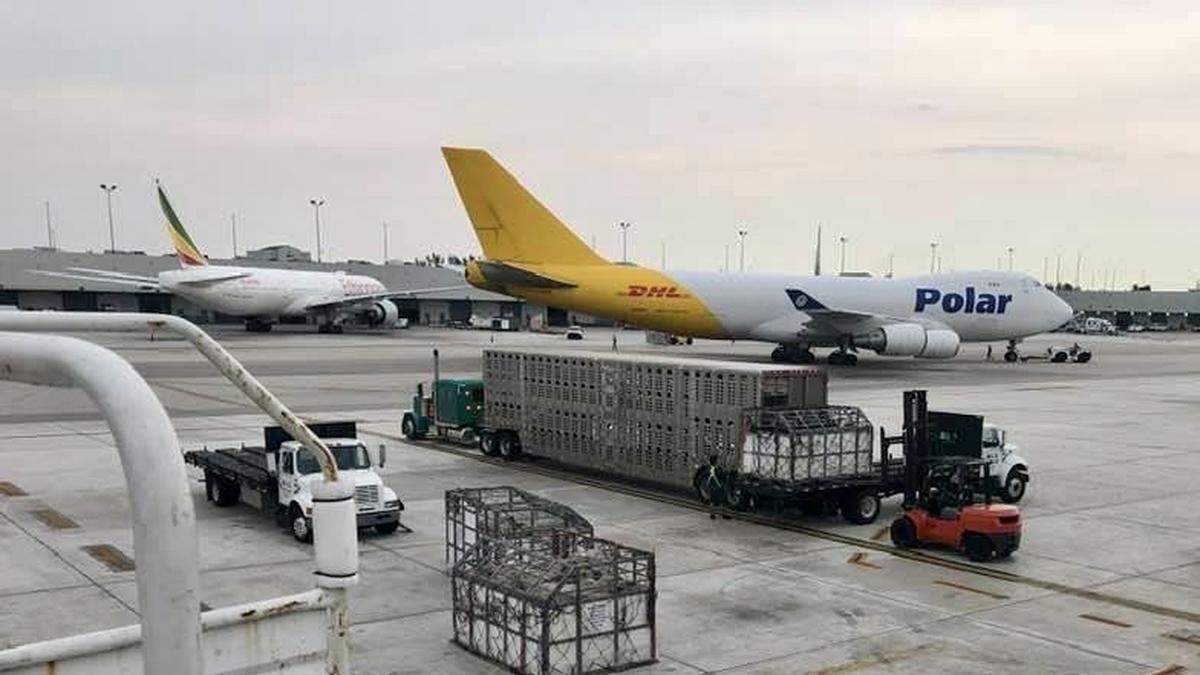
That’s one reason that consumers are beginning to see more innovation in vegetable production with things like veggie burgers as a replacement for beef or chicken products.
“If we have all these additional people and we don’t have a better production process we won’t be able to meet the demand,” Snipes said.
Toussaint-Strickland has already brokered her next deal to deliver U.S. cattle to Barbados in May.
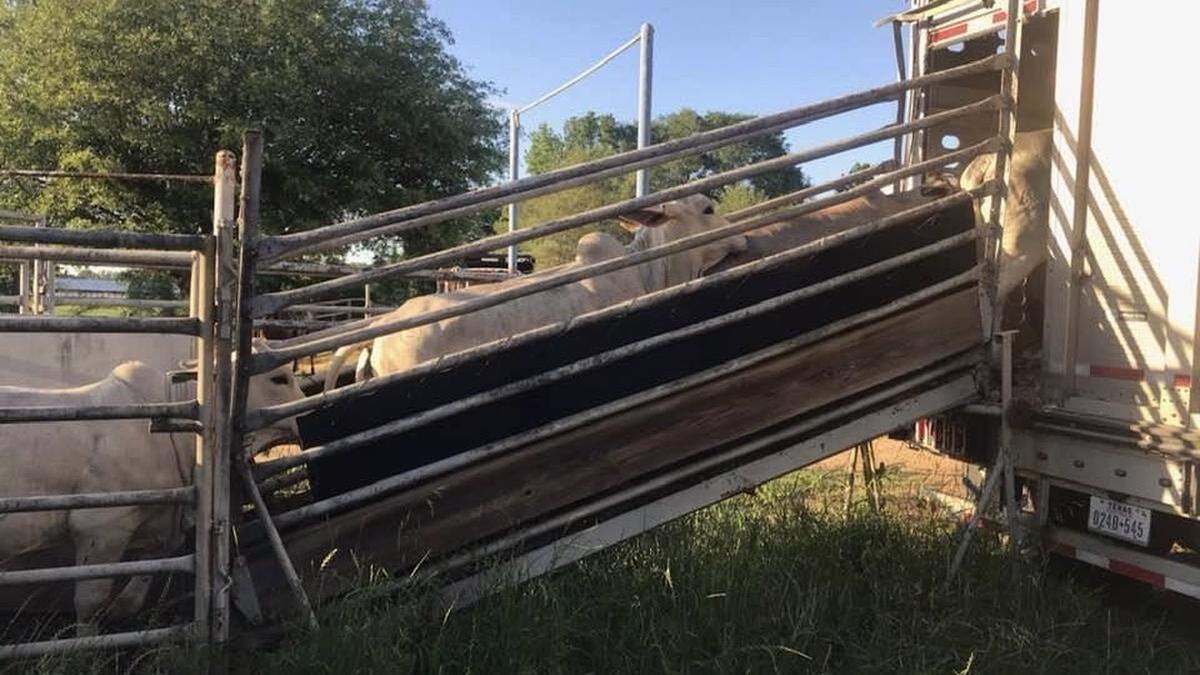
Again, she is wrestling with the problem of scheduling and rescheduling flights because of cancellations.
This time, she is planning to accompany the cattle, even if she is unable to leave the airport because of the pandemic.
“It depends on the situation because they are in lockdown, too,” she said.