COVID-19 strikes disastrous blow to Florida farmers. Extension agents have a plan
Local county extension agents are thinking outside the packing box in trying to help growers salvage some of their crops, during the midst of the coronavirus pandemic.
The pandemic robbed growers of business from food service markets across the country, as restaurants, schools and theme parks closed down.
When growers can’t find buyers, they turn the crop under, rather than hire labor to harvest, and refrigerate the commodity.
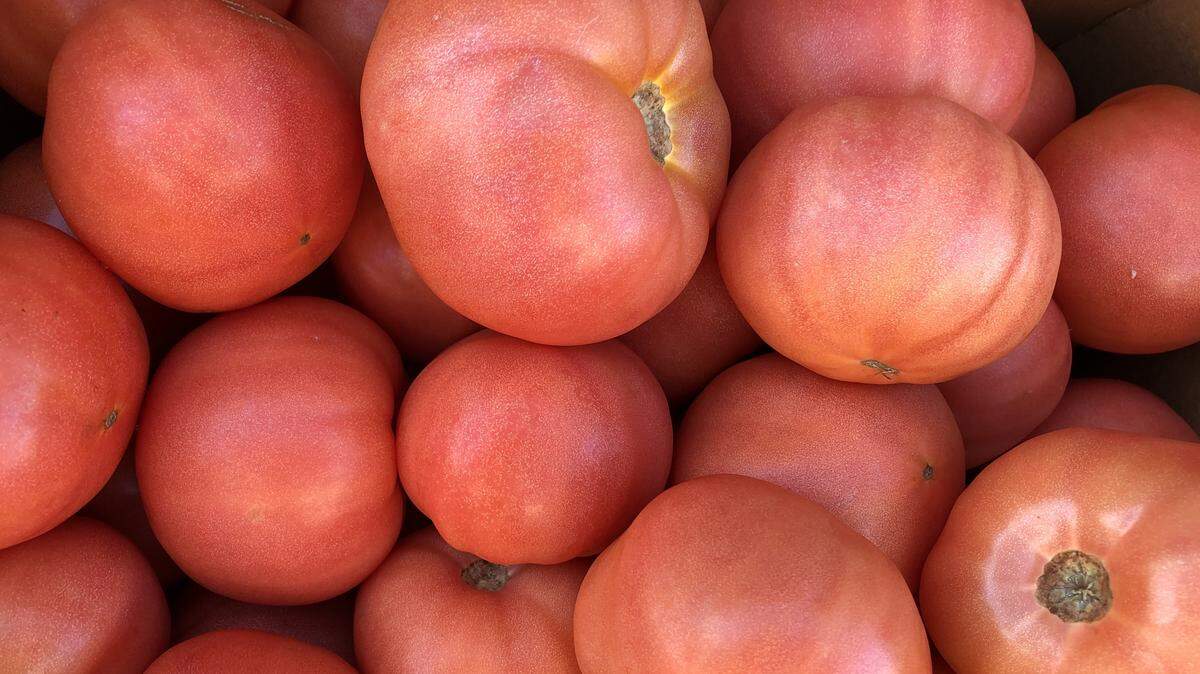
Pacific Tomato Growers has been selling 25 pounds of tomatoes for $5 a box at its packing house in Palmetto, a price which is lower than its cost of production.
An alternative that extension agents are proposing is participation in virtual farmers markets.
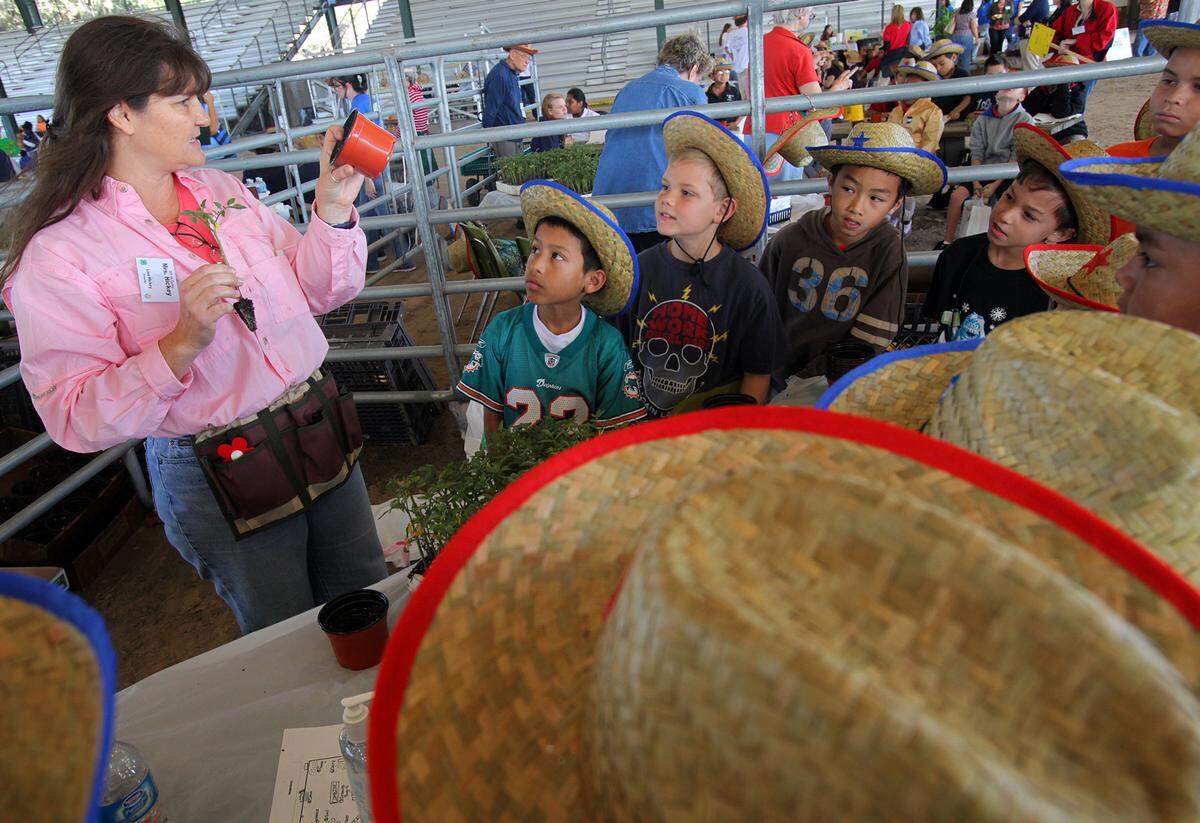
Lisa Hickey, a sustainability agent with the county extension office in Palmetto has been calling local growers, urging them to register what produce they have, and their contact information with http://www.transitionsrq.org/, the website of a local nonprofit called Transition Sarasota.
In a couple of weeks, the website will go live for consumers, who will be able to surf for listed farms, see what products they have, and when and where they can pick up their order.
“I have been calling the 753 reported farms in Manatee County. Eighty percent of them are small farm operations with annual sales under $200,000. But our big guys are really, really big,” Hickey said.
Sarah Bostick, an agriculture agent with the University of Florida/IFAS in Sarasota County, came up with the idea of how to connect growers with customers in late March.
For Bostic, who farmed for 16 years and managed a local food distribution operation, reaching out to growers in a time of great need seemed like a natural thing to do.
“They are so happy to know that folks are trying to figure out solutions,” Bostic said.
“Customers can choose online what they want and pick up their order at a drive-through location. The products will be staged about 9 a.m., and the customers can pick up their order at 10 a.m. But the system won’t be ready for another two weeks,” Hickey said.
In traditional Consumer Service Agriculture (CSA), a customer pays up front for a season’s worth of produce and, in return, receives a weekly share of the harvest over a pre-determined number of weeks.
“But these are not normal times and many farmers have created drop-off sites in centralized locations, where customers can come and pick up a pre-packed box while maintaining social distancing,” Bostic said. “Some farms that don’t normally offer CSA shares are adapting to their new circumstances by giving the CSA model a try.”
Bostic and Hickey are also working on ways to move produce from the farm to food banks, and perhaps schools.
Pacific Tomato Growers recently donated 42,000 pounds of tomatoes to Meals on Wheels PLUS of Manatee, helping supply 100 food pantries and agencies, said Amy Towery, vice president of development.
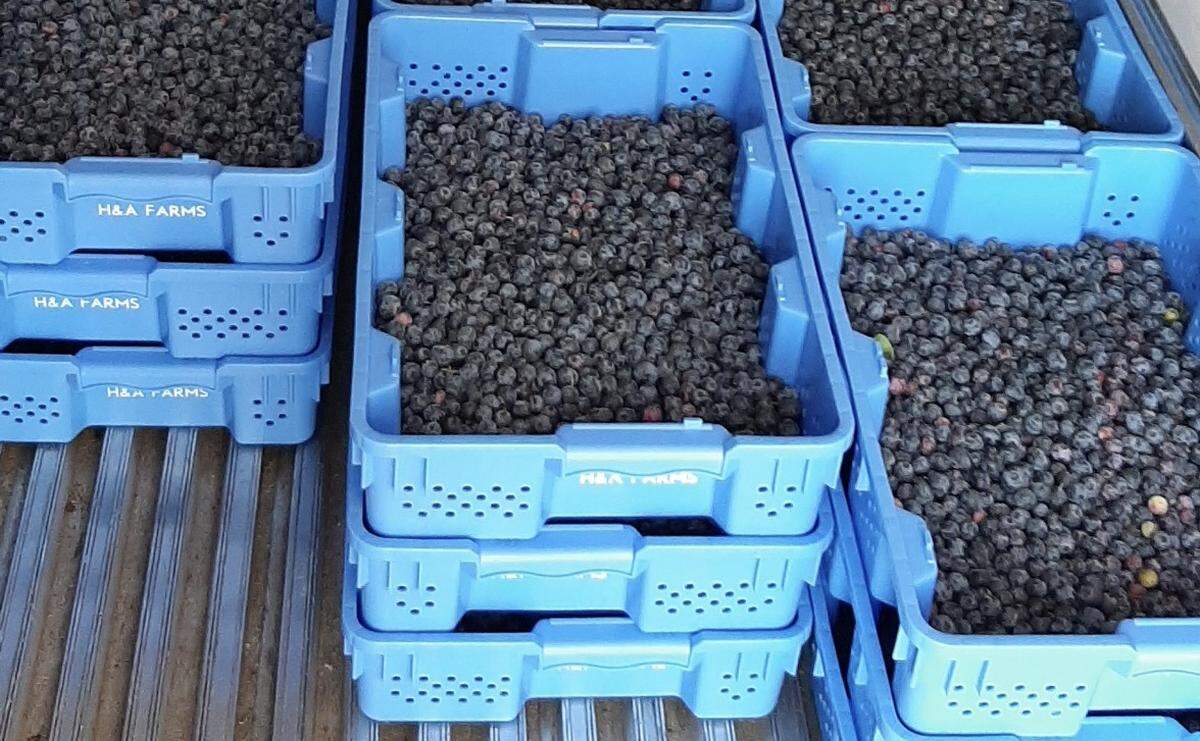
Also donating to Meals on Wheels PLUS was Homestead Hydroponics of Myakka City, which donated butterleaf lettuce. TomPak of Palmetto also offered a donation of tomatoes, which Meals on Wheels PLUS referred to other agencies as its refrigerated storage was full.
“The needs are going to grow in the next few weeks and months,” Towery said.
DiMare Farms donated 400,000 pounds of tomatoes to Florida food banks, Hickey said.

“Alan Jones has donated green beans and possibly potatoes to the local food banks and school system. One of our small growers, Greens on the Groq has been donating greens to several organizations, including fire departments, community churches, and Our Daily Bread food bank,” Hickey said.
For more information on farmers selling directly to consumers in Florida, visit the Florida Fruit and Vegetable Association website at https://www.ffva.com/consumersales or the Florida Department of Agriculture and Consumer Services website at https://www.fdacs.gov/Agriculture-Industry/Florida-Farm-To-You.