
Home prices grew in Bradenton area in September. But there was a downside to that growth
Home prices in the Bradenton-Sarasota-North Port area grew 4.56 percent in September, according to industry analyst CoreLogic.
In recent months, price growth in the Bradenton area has lagged that reported nationwide and statewide. That was true again in September, when state and national home prices grew by an identical 5.6 percent.
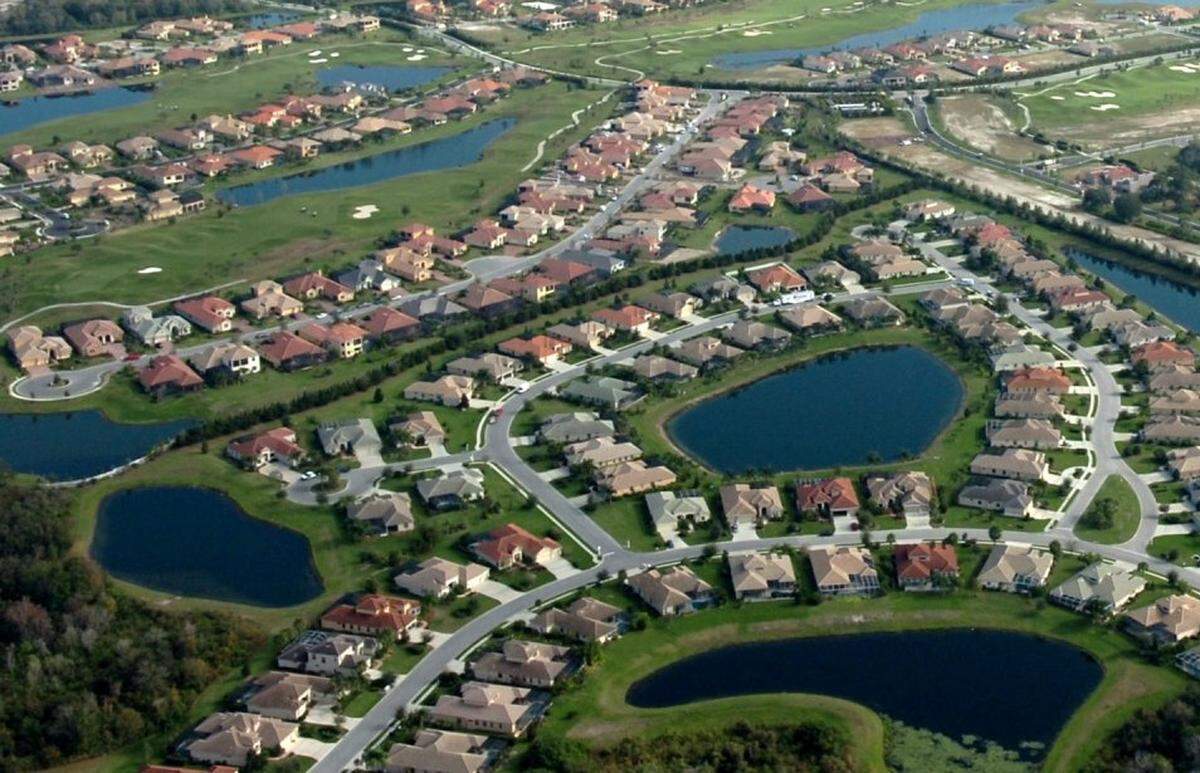
Local real estate professionals maintain that a lower rate of price escalation helps keep housing more affordable, but limited inventory has made the Bradenton area a sellers market.
“The erosion of affordability in the highest cost markets has begun to slow home price growth,” said Dr. Frank Nothaft, chief economist for CoreLogic. “Hawaii, California and Massachusetts had median sales prices above $400,000 this summer, the highest in the nation, while annual home price growth slowed steadily between June and September in these three states.”
The median sales price locally for an existing single-family home in September was $295,000, according to the Realtor Association of Sarasota and Manatee.
One component of the CoreLogic report focuses on millennials. While 80 percent of millennials say they will move in the next four to five years, and 64 percent say they regularly monitor home values in their local market, 73 percent say affordability is a barrier to home ownership — a far larger percentage than any other age group.
“Our consumer research indicates younger millennials want to purchase homes but the majority of them consider affordability a key obstacle,” said Frank Martell, president and CEO of CoreLogic. “Less than half of younger millennials who are currently renting feel confident they will qualify for a mortgage, especially in such a competitive environment.”
Among areas seeing the greatest price increases in September, compared to a year ago, were Las Vegas, up 13.4 percent, and San Francisco, up 9.9 percent.
States seeing the greatest increases in prices were all in the West: Nevada (12.8 percent), Idaho (11.9 percent) and Utah (9.4 percent).
In an analysis of housing values in the country’s 100 largest metropolitan areas based on housing stock, 38 percent of metropolitan areas have an overvalued housing market as of September 2018, according to the CoreLogic Market Condition Indicators (MCI),.
As of September 2018, 19 percent of the top 100 metropolitan areas were undervalued, and 43 percent were at value.