
The major factors left in presidential contest
While it is over six months until Election Day on Nov. 8, I will provide my current analysis and thoughts about the election. Many things can and will occur that could change the election, but here are my best thoughts.
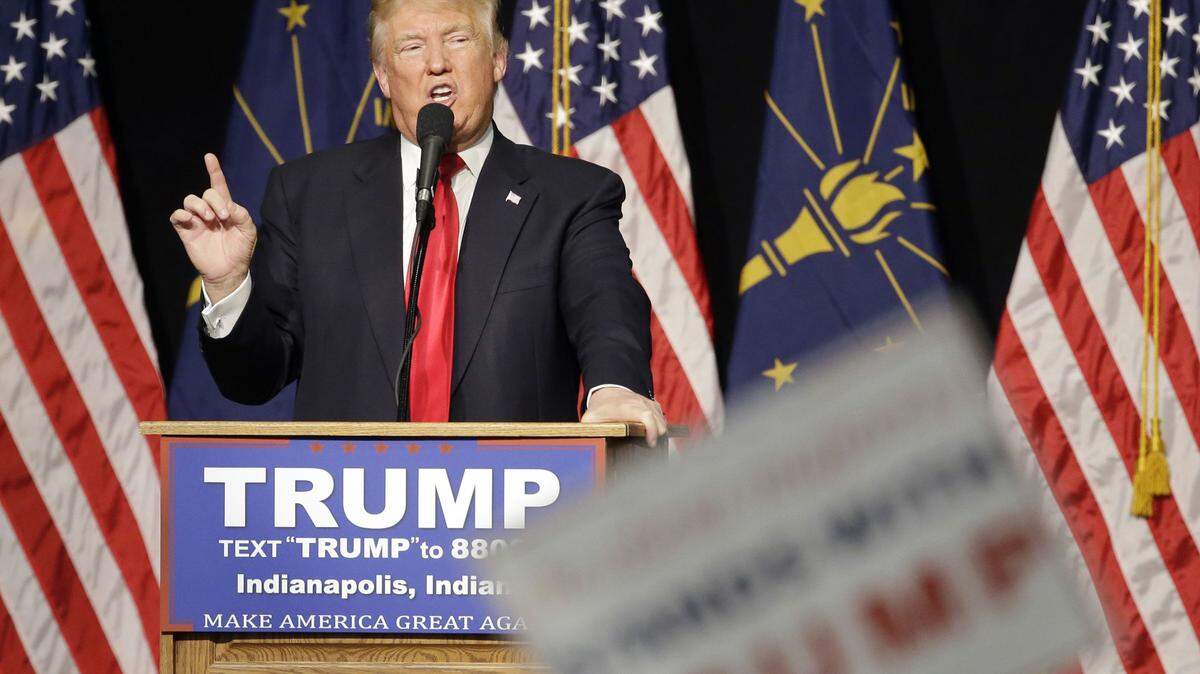
Hillary Clinton and Donald Trump had big wins in New York this past week and they are both expected to have significant wins in the five primaries this Tuesday. After Tuesday, Clinton should be assured of her nomination, but Trump will still need to wait until the Republican convention in July.
He will probably not have the needed 1,237 delegates, but I expect he will be within a hundred delegates, and it will be very difficult to deny him the nomination. He currently has 36 percent more Republican votes than Ted Cruz and over 50 percent more delegates. In addition, Trump leads Cruz by nine points in national polls of Republicans. After this Tuesday he should have an even larger lead over Cruz.
Cruz's only hope is to prevent Trump from winning the nomination on the first ballot, but denying Trump the nomination when he has such a significant lead could cause chaos in the party.
Listed below are four significant factors that will affect the November election.
1. Since 1948 voters have changed the party of the president every eight years with one exception, when George H. W. Bush succeeded Reagan. In this election only the Republican candidate can claim to represent change since Clinton is so closely tied to Obama, and her success will be affected by Obama's approval numbers this fall. Clinton has been in the public eye for a long time and Bernie Sanders's success running against Clinton indicates people are tiring of her and looking for someone new.
2. Both Trump and Clinton are flawed candidates with high disapprovals. Clinton is viewed unfavorably by 55 percent of the electorate and Trump is viewed unfavorably by 65 percent, which are historic numbers this far from the election.
Approximately 80 percent of Hispanics have a negative opinion of Trump, which is especially important in the swing states with large Hispanic populations, including Florida, Colorado and Nevada. Trump also has high negatives with all women, including married women who historically vote Republican.
Cruz is probably no more electable than Trump. He is the most conservative member of the Senate and is considered more conservative than Barry Goldwater, so it is hard to see him winning any swing states.
3. We elect our president though the Electoral College, and Clinton has a significant advantage there. It takes 270 electoral votes to win, and there are 18 states with 242 electoral votes that have voted Democrat for the past six elections.
The Republican candidate can only count on 13 states with 102 electoral votes. The election will once again be decided by about a dozen swing states and Clinton will need only 28 additional electoral votes.
4. The Republican Party will probably be divided after the Cleveland convention, which makes unifying the party behind Trump, or Cruz, very difficult. Turnout becomes problematic.
Conservatives and many of the "establishment" don't trust Trump and unless they dislike Clinton enough, they may stay home. This factor certainly hurt H.W. Bush's reelection efforts in 1992 when he raised taxes after saying "Read my lips, no new taxes" and conservatives deserted him.
Sanders is expected to support Clinton after the Democrat convention, but Clinton will have a challenge getting those young and very liberal voters to support her.
There are many unknowns. The economy is doing OK but not great, and a terrorist attack on our country could also affect the election. Another major unknown is the FBI investigation of Clinton, which should conclude in the next couple of months.
This is a lose-lose situation for Hillary Clinton. How the FBI and Justice Department explain their decision will be critical and this will dominate the news for a while. She already has a trust deficit with voters so any way this issue is resolved, it will not be helpful to Clinton.
The election in November between Clinton and Trump will boil down to a vote for change or status quo. There is great desire for change in the country, which favors Trump, but the question remains if voters will be willing to risk voting for Trump just to get change.
This campaign will be the meanest in modern times as each candidate tries drive up the negatives of their opponent. Unfortunately, many people will be voting for the lesser of the two evils.
At this time the odds favor Hillary Clinton but 6 1/2 more months is a very long time in an election year.
Dan Miller, a Republican, businessman and professor, represented Florida's 13th Congressional District from 1992-2002, which included most of Manatee County.
This story was originally published April 24, 2016 at 12:00 AM with the headline "The major factors left in presidential contest ."