
Black bear hunts will threaten species anew
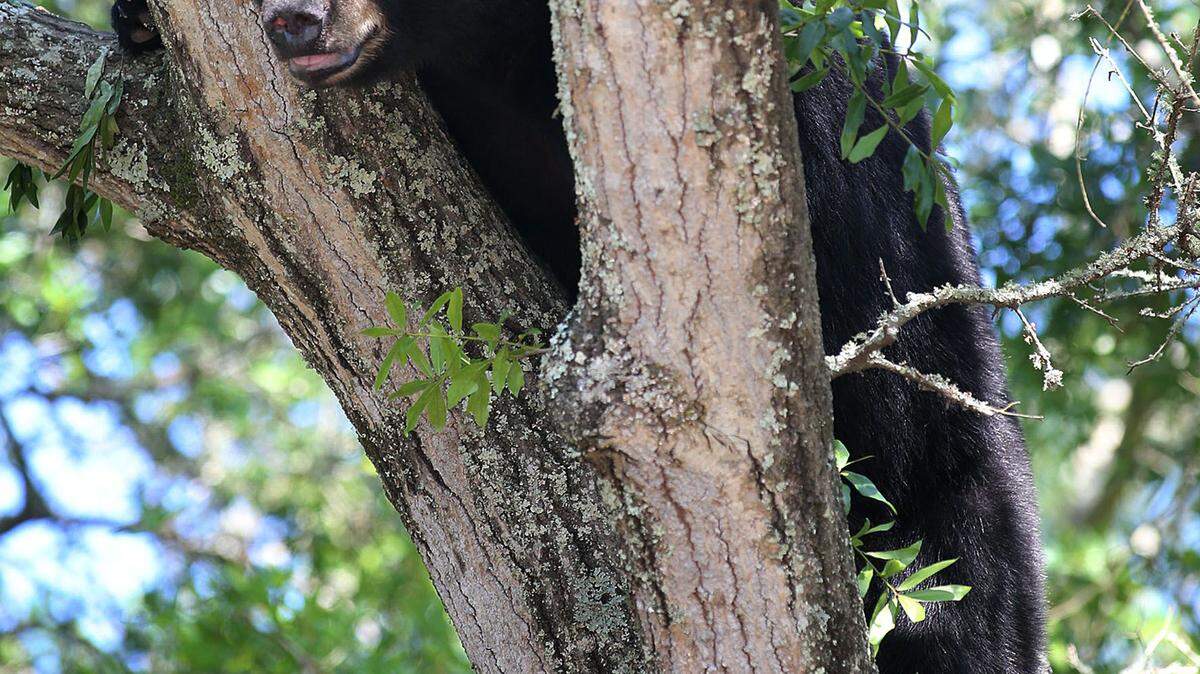
Those of us who were involved with last year's black bear hunt know that it was ill-conceived, poorly planned, and unnecessary. Florida black bears inhabit only about 18 percent of their former range, have pressures from the overcrowding of people, their primary food sources taken away, and in addition, scores are killed on roads each year.
We lost over 21 percent of the estimated population of black bears last year, a population that perhaps consisted of only 3,500 individuals. That's not counting the orphaned cubs who didn't survive, the wounded who escaped hunters, or the ones killed illegally. Many labeled "nuisance" bears are also killed each year.
There is no reason for this. Many humane, non-lethal, non-violent solutions exist to help preserve and protect wildlife and keep them in their forest homes.
The FWC calls the Florida black bear a "success story" because they were brought back from the brink of extinction. What they fail to mention is how they became nearly extinct in the first place. It was due to habitat loss and over hunting.
Allowing the hunting of a threatened species just recently removed from the threatened list three years ago is reckless and dangerous. Already, this unique subspecies has become isolated in pockets of sub-populations, which is removing the genetic variability needed for this subspecies to survive and prosper into the future. What is more, they lack a contiguous corridor which prevents the ability of the sub-populations of an already fragile subspecies to interbreed.
Wildlife belongs to everyone and to no one. Hunters should not have the power to dictate what happens to the wildlife that inhabits our Florida. Those of us who respect and appreciate wildlife should have a say in what happens to our bears, at least as much as the hunters and developers who would destroy them.
Alexis Foxx
Weeki Wachee
This story was originally published February 18, 2016 at 12:00 AM with the headline "Black bear hunts will threaten species anew ."