
Tampa Bay Times: Florida needs better ways to clean polluted water
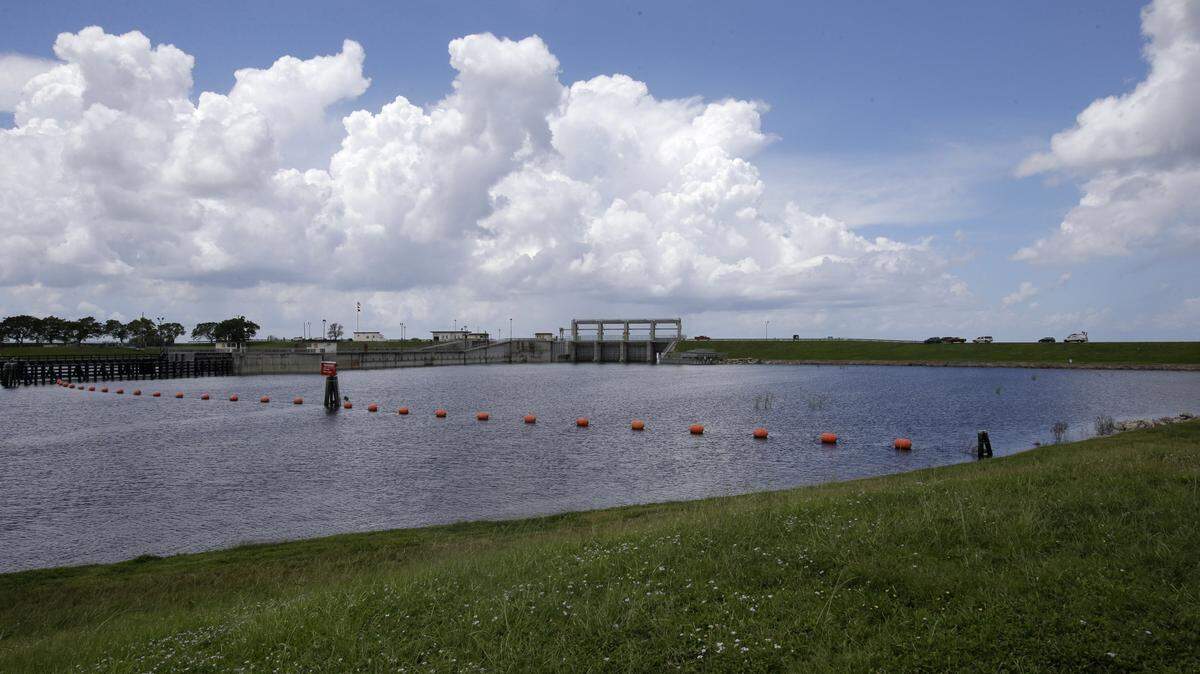
January's record rains sent the water level in Lake Okeechobee skyrocketing, forcing the Army Corps of Engineers to open the floodgates, sending billions of gallons of dirty water down the St. Lucie and Caloosahatchee rivers and wreaking environmental damage on both Florida coasts.
But as the Tampa Bay Times' Leonora LaPeter Anton and Craig Pittman explained in an exhaustive account this month, the problem is not a freak of nature but a reality decades in the making. And without an ambitious solution, there is no way to stop it from happening again.
The winter rains this year expose how history, Florida's agricultural economy and the state's rapid growth combine in an explosive environmental mix in South Florida's Everglades basin.
When rains push Lake Okeechobee toward its peak, the government sends water into the St. Lucie and Caloosahatchee. State water managers also have pumped water back into the lake during periods of heavy rain to protect farming communities south of the lake from flooding.
Earlier this year, during South Florida's wettest January since record-keeping began in 1932, water was pumped back into the lake for four days straight.
These actions by the state and corps protect millions of people south and east of the lake -- but they also send billions of gallons of tainted water to estuaries on the coasts.
As the water snakes its way past miles of farmland, businesses and residential development, it collects more pollution. Add to that the runoff from subdivisions and cattle ranches north of the lake. The end result is a tide of dirty water that kills sea life and damages tourism and property values from Fort Myers to Port St. Lucie.
Florida needs a more effective and efficient way to clean the polluted water, restore the state's natural southerly flow and make more water available for public use instead of herding it to the sea.
Gov. Rick Scott and the South Florida Water Management District rejected a solid idea -- a plan crafted by former Gov. Charlie Crist to buy nearly 47,000 acres in the Everglades from U.S. Sugar Corp. That could have helped to move the water south and put a timetable on curbing farming in the basin.
The Legacy Florida Act the Legislature passed this year will provide at least $200 million annually for Everglades cleanup. That will bring a steady revenue stream to the restoration effort, which is vital to completing major capital work. And it focuses resources on projects that curb discharges of harmful lake water into the St. Lucie and Caloosahatchee.
Environmentalists, though, say the state still needs large tracts of land to treat water in the basin and to replenish the flow in the Everglades to Florida Bay. Though the state is building or opening new reservoirs along the east coast, it needs a greater focus on water storage projects.
And it needs more cost-efficient strategies for managing water farms, whether on privately owned or public lands. The state also should also get ahead of the problem by pushing for an end to U.S. price supports for sugar.
Growth pressures in South Florida and along the coasts will only increase as the economy rebounds from the recession. And extreme weather associated with climate change will further increase the risk of flooding to millions south of the lake.
The Legacy Act should accelerate the restoration effort, but the challenge of storing water and redirecting it south remains. Florida needs more land -- and it needs to reaffirm the principle that the Everglades is first and foremost a public resource.
This story was originally published March 29, 2016 at 12:00 AM with the headline "Tampa Bay Times: Florida needs better ways to clean polluted water ."