
More scrutiny of charter school capital spending in Florida and asset retention
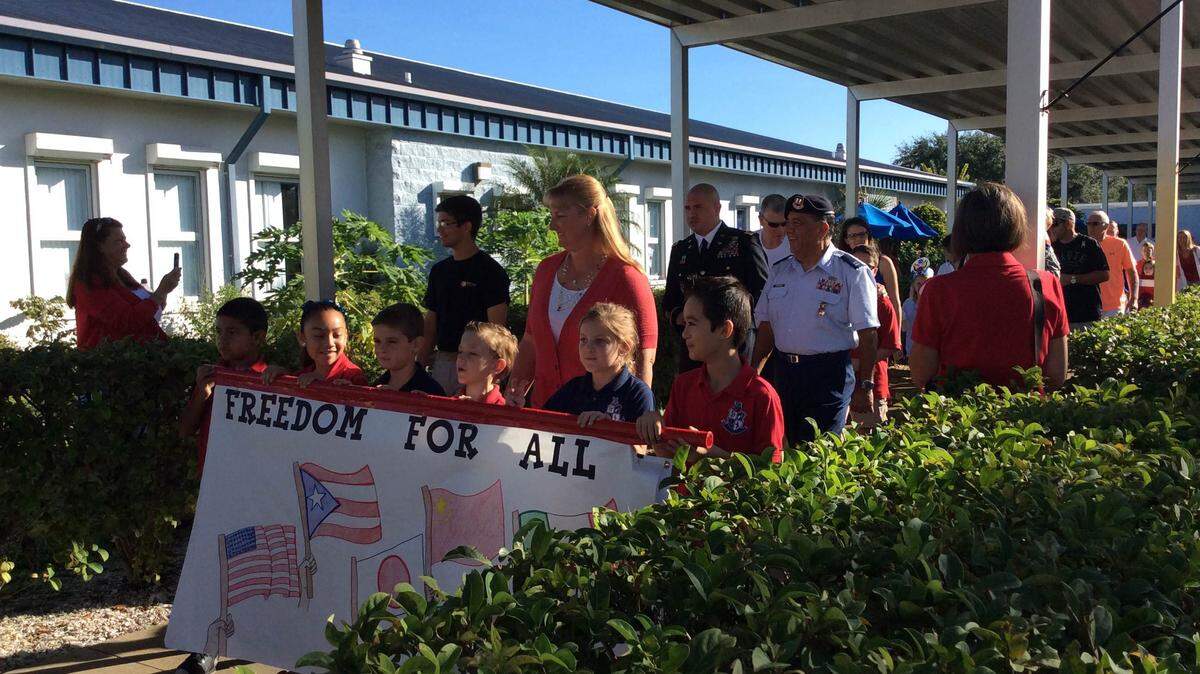
The Rowlett Academy for Arts and Communication presents a solid case study of success in the operation of a charter school. With parents deeply involved in the education of their children and in the performance of the converted district school, Rowlett stands in sharp contrast to the failures of many charters.
These tuition-free public schools, run by private organizations, receive taxpayer money through the local public school districts and operate independently of those education systems. That freedom from oversight, weak business plans and the profit motive of charter school management companies opens the door to abuses.
Florida charter schools in 30 districts around the state shuttered after receiving as much as $70 million in taxpayer money, an Associated Press analysis found and reported this past weekend. The state only recouped a paltry $133,000 in the last three years from charters that closed.
Overall since 2000, charters collected more than $760 million in tax revenue, Florida Department of Education statistics reveal. Charters spend that money on construction costs, rent payments, buses, insurance, salaries, academic programs and more. Taxpayers usually lose the capital money invested in charters as lease and rent payments cannot be recovered. Charter facilities built with taxpayer dollars are not public assets, thus closures leave the properties in private hands. Yet the Legislature allocates tens of millions for charter capital costs while starving public schools of similar funding.
That basic injustice on capital expenditures underscores Tallahassee's love affair with charters and deep disdain for public school districts.
Florida's charter school movement began in the 1990s, and today there are more than 650 such schools statewide holding classes for more than 250,000 students. But the charter track record is quite checkered. Almost 300 closed their doors because of academic, financial or management difficulties since the schools were authorized.
Charters are operated by nonprofits but some are managed by for-profit companies, paying fees for a variety of services. The state doesn't start writing checks to charters for capital costs until they've been open three years, but schools connected to established charters can receive tax money sooner. Two years ago, Tallahassee approved a record-setting $90 million for charter capital costs, though this fiscal year the total dropped to $48 million -- still big money denied school districts.
Local school boards must approve charter school applications. This month Manatee County's board denied one request after signaling four nonprofits their charters would likely be rejected and those four withdrew their applications. All contained flaws and failed to win recommendations for approval from district staff.
Unscrupulous charter operations will close down a school, then seek to open another. This summer the Florida Board of Education initiated a new policy to prevent applicants with poor performance histories from gaming the system, requiring disclosures on applications about past charter affiliations.
One Jacksonville charter abruptly closed in the middle of end-of-school testing this past academic year just as students arrived to find teachers packing up supplies. That same charter operator shuttered an Orlando-area with three weeks left in the school year. Those twin closures affected almost 450 students
Parental choice in the education of their children allows alternative academic paths not available in regular public schools. Rowlett, once a district school, is a shining example of that, with a sharp focus on the performing and visual arts as well as communications. The school is the last charter approved by the school board -- opening for the 2014-2015 school year in grades K-5. Some 900 students attend.
Rowlett's uniqueness is further illustrated by the fact the school is the only conversion charter in Manatee County out of the 12 that operate today. Parents, teachers and administrators, fearing major academic changes under new district policies, fought to become a conversion school and wrote a winning application. Now Rowlett wants to grow and open a middle school under the same operating model for the 2017-2018 academic year. There are other examples here in Manatee County of superior charter schools.
At the same time, the state cannot keep starving school districts of vital funding for new schools and facility maintenance. The AP exposure of the charter failings and tax losses should serve as the basis for new policies that demand greater scrutiny and accountability -- especially on capital spending. Plus, those taxpayer-funded assets should be public property.
This story was originally published December 15, 2015 at 12:00 AM with the headline "More scrutiny of charter school capital spending in Florida and asset retention ."