
Pill crackdown in Florida leads to legitimate patients being turned away
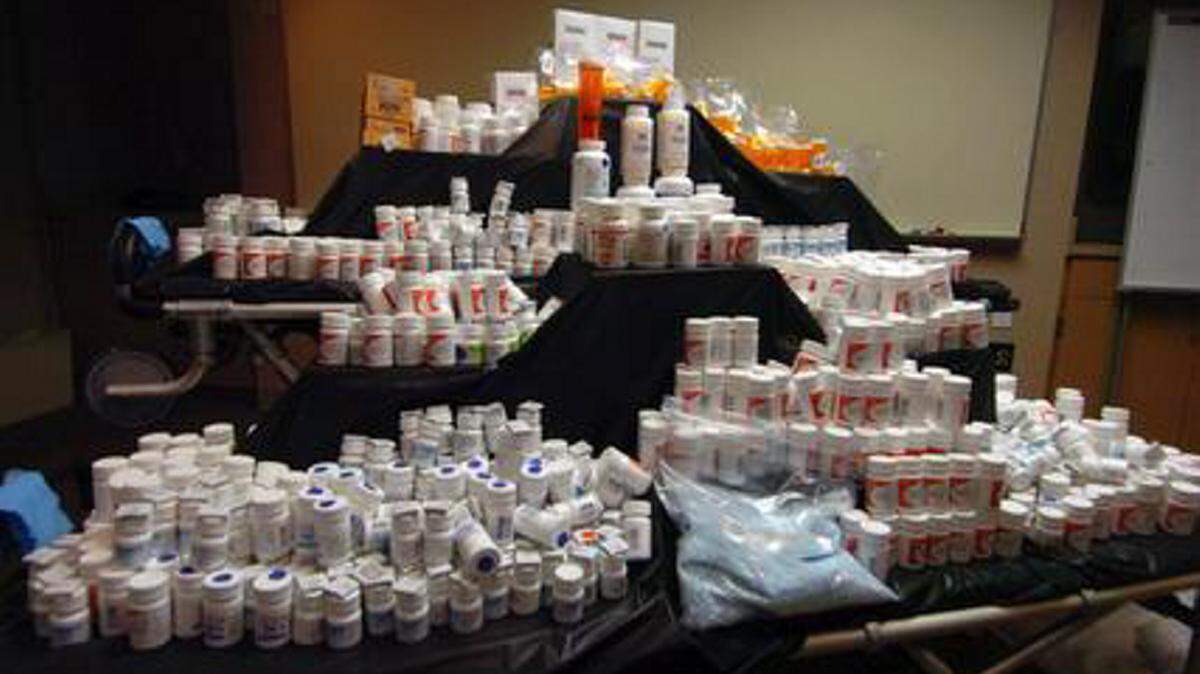
In 2010, Florida cracked down hard on so-called "pill mills" that were prescribing heavy-duty opiate painkillers, seemingly to anyone with the cash to pay for them, and pharmacies that were filling prescriptions that they should have known were bogus.
The tough new rules were necessary and timely, and they are saving lives. Last month, the U.S. Centers for Disease Control published statistics showing that deaths in Florida related to prescription medication peaked in 2010, but declined 23 percent by 2012, a trend state officials say has continued since then.
But there were unintended consequences, including a resurgence in the use of heroin, though that might have been expected.
What wasn't foreseen, however, was that some patients with chronic, legitimate pain now report being turned away by doctors afraid to treat them. More disturbing are the growing reports of patients who had valid prescriptions for opiate painkillers but couldn't find a pharmacy that would fill them. Many reported being forced into humiliating, inconvenient "pharmacy crawls" to get the pain relief they needed. In many cases, patients were told that a pharmacy had run out of pills instead of being told they'd tripped one of a number of warning signs, said Dr. Harold Dalton, president of the Florida Society of Interventional Pain Physicians, in August testimony to the Florida Board of Pharmacy.
At several hearings, doctors described the impacts on their patients. In addition to the suffering from unrelieved pain and the embarrassment of being repeatedly rejected, some patients went through dangerous withdrawal. Others committed suicide.
It's easy to see why pharmacists were spooked. Drug suppliers and pharmacies have been hit with major fines over the failure to question dubious prescriptions. In 2013, the U.S. Drug Enforcement Administration whacked the Walgreens chain with a stunning $80 million fine for failing to control opiates flowing through its pharmacies. The CVS chain, along with its supplier, also faced multimillion-dollar fines.
It's clear, however, that the pendulum has swung too far in the other direction. And the Florida Board of Pharmacy agreed, adopting new rules that would de-emphasize the role of red flags -- such as patients filling prescriptions from doctors who aren't in the area -- and provide more guidance on ways pharmacists can validate prescriptions and get patients the medicine they need.
"The rule will never be able to answer for pharmacist(s) how to ultimately independently exercise their professional judgment to ensure that they're filling the prescription," said David Flynn, general counsel for the Board of Pharmacy, at a September meeting. "What we found ... that we can work on, there needs to be education."
That will take time. The News Service of Florida reports that the board approved a new two-hour course, but the details will have to be worked out through a rule-making process, and pharmacists will have until 2017 to complete the training. But the rule adjustment should give pharmacies more comfort in filling prescriptions.
This first appeared in The News Herald (Panama City). Visit The News Herald at www.newsherald.com.
This story was originally published October 13, 2015 at 5:16 PM with the headline "Pill crackdown in Florida leads to legitimate patients being turned away ."