
Affordable housing and the tough millennial challenge in Manatee County
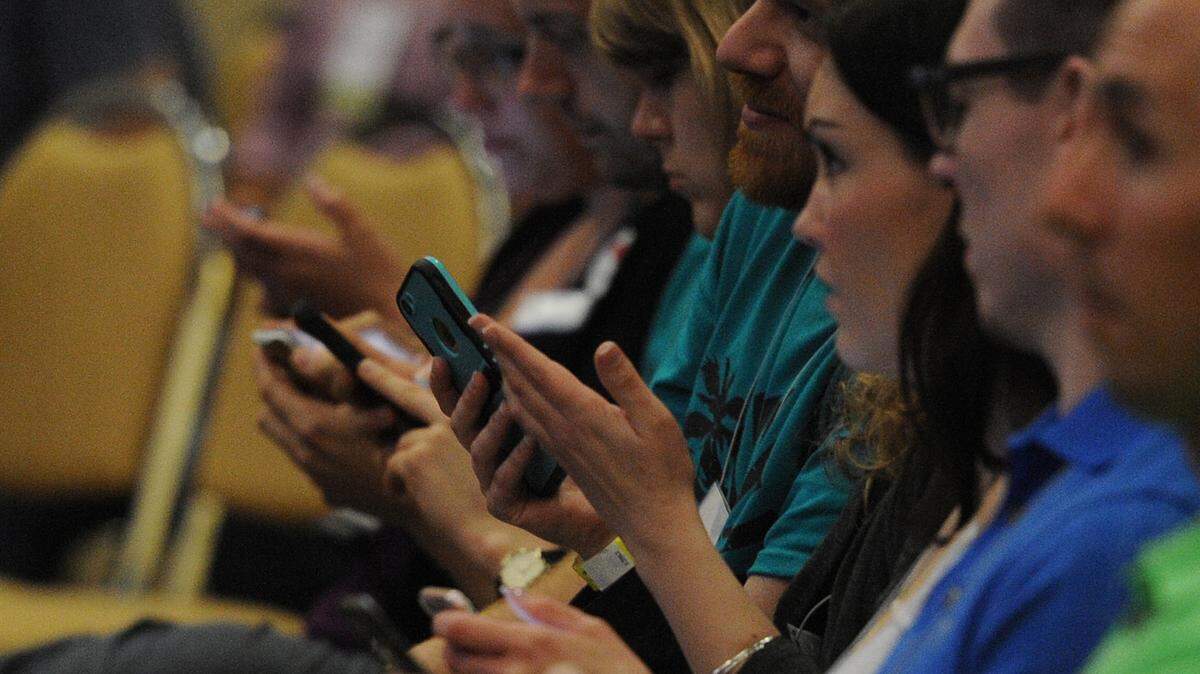
Manatee County faces a stiff headwind in its efforts to attract more members of the millennial generation to this community. Not only is the dearth of affordable and workforce housing a stumbling block, as is well known here, many millennials are saddled with crushing debt from college, earning substantially less than baby boomers did at the same age and home prices are rising. Plus, a new analysis shows that cities in Florida and California rank as the least desirable to home-buying members of that young generation.
The heartland, where homes remain relatively more affordable, held the most popular metropolitan areas with Minneapolis, Philadephia and St. Louis topping the list. Tampa-St. Petersburg tied for the third worst ranking in the Ellie Mae Millennial Tracker. Ellie Mae Inc., an online software company that processes almost a quarter of U.S. mortgage applications, tracks data on millennials — who are “increasingly representing a high percentage of homeowners in the middle of the country, where they can get more for their money,” an Ellie Mae executive notes.
While many millennials are electing to rent rather than buy housing — or live with their parents — a recent NerdWallet analysis shows the majority of millennials would prefer owning to renting, but seem to be postponing home ownership due to affordability and financial fears. NerdWallet, a personal finance website, notes that the median income for a millennial older than 25 is only $38,220. The generation includes those born from 1980 through 1997, though the end date has not been firmly established and stretches into early to mid 2000s.
Another report, “Financial Health of Young America: Measuring Generational Declines between Baby Boomers & millennials,” produced by the Young Invincibles nonprofit organization and released this month, cites the intergenerational decline in wages and entering the job market during an economic downturn. Beginning a career on a “lower rung on the economic ladder” projects into lower lifetime earnings for millennials. Furthermore, home ownership remains the primary vehicle for families to build and transfer wealth. Most troubling, then, is the 8 percent decline in home ownership by millennials from boomers.
Years ago Manatee County government and Realize Bradenton set strategies in motion to attract and keep millennials in our community. The county launched its Manatee Millennial Movement (M3) in January of 2015 to provide a forum centered around education, empowerment and county development. One goal is to develop strong leaders who can drive political and social engagement. Visioning events focusing on the future of Manatee County yield ideas on mobility, housing, health and wellness, public safety, employment and infrastructure among others.
Realize Bradenton celebrates this generation by staging special events that appeal to millennials, including PopUps for a Purpose, which is designed to create connections among young adults in innovative ways.
Millennials are forcing a societal reboot with their distinctly different cultural values, political views, technological expertise and just about everything else. The blueprint for building the millennial population is well known: They desire a community with affordable housing where they can live, work and play near an urban center that is walkable and bikeable with easy access to public transportation. They also want to reside among and connect with their peers. Plus, they want a lively social scene, a big part of Realize Bradenton’s mission.
Manatee County recently revised the County Comprehensive Plan and Land Development Code to facilitate urban infill and redevelopment along five major corridors by eliminating code roadblocks. One of the goals is to encourage affordable, workforce housing that would appeal to millennials. The county also offers a broad range of incentives for the construction of inexpensive housing, including relief of impact and review fees, fast-tracking projects through the permitting process and much more.
Credit the community for these diverse strategies aimed at millennials. But the problem is not a local one.
Florida and Manatee County face a complex challenge where national factors come into play, issues that should be addressed in Congress. The best hope for Manatee County is the creation of affordable, workforce housing — which is indeed a priority — and the marketing of that stock in millennial strongholds. The latter should be easy via a comparison between the dreadful winters in Minneapolis with a tropical paradise in Southwest Florida.
This story was originally published January 24, 2017 at 4:12 PM with the headline "Affordable housing and the tough millennial challenge in Manatee County."