Critical race theory debate distracts from racism in Florida’s schools. Maybe that’s DeSantis’ goal | Opinion
Teachers are often given mixed signals when it comes to talking about race in the classroom.
We are told to treat our students fairly, regardless of who they are or where they came from. Yet, we are given a curriculum that emphasizes white experiences over everyone else’s.
In college, my teaching program required only one course on multicultural literature. While Shakespeare courses were mandatory, courses in African-American literature were elective. But I taught in South Florida, where 86 percent of my school’s student body was non-white, three-quarters came from low-income households. Many did not speak English as their first language.
Nowhere in my training to become a high school English teacher was I given the tools needed to educate my students about the role of racism in society — certainly not in a way that empowered them to make sense of the world they live in right now.
Of course, this was around 2014. Surely Florida public schools would have advanced their views to align with the current awareness around social justice. Right?
Enter the current political debate over critical race theory, a set of ideas examining how racism is embedded in American society and institutions. Across the country, the debate has exploded into the legislative space, causing a divide among those who support teaching about racism in schools and those who believe it’s a divisive discourse likely to turn students of color against white students.
Can you guess which side of the debate Florida’s Republican lawmakers are on?
In March, Gov. Ron DeSantis proposed $116 million in federal coronavirus relief funds to reshape civics education in schools or, in his words, to “get politicization out of the curriculum.” Following in his footsteps, state Education Commissioner Richard Corcoran has proposed a rule that would place strict guidelines on teaching U.S. history in public schools, barring teachers from sharing “their personal views” or attempting to “indoctrinate students to a particular point of view.”
The State Board of Education will vote on the proposal when it meets on June 10 at the Florida State College in Jacksonville. Corcoran’s proposal doesn’t sound too outrageous on paper, but his public comments reveal a larger goal to eliminate teaching texts and ideas that allow students to think critically about America’s history of systemic marginalization from our schools.
At a recent event ironically titled “Education is Freedom,” Corcoran told a crowd at Hillsdale College in Michigan, “you have to police” teachers “on a daily basis” to make sure things like critical race theory aren’t taught to students, WJCT Public Media reported.
Policing teachers daily to ensure they don’t make white people look bad in their lessons plans? Don’t be surprised if English teachers spend a few extra weeks on Orwell and Bradbury next year.
In the past, DeSantis has said that “critical race theory” teaches “kids to hate their country and to hate each other.”
The problem is, hatred already exists in our public schools. But, it doesn’t stem from learning about existing racial divides. It can’t; many K-12 schools don’t even teach critical race theory, according to reporting from PolitiFact.
The first step in healing tensions between our students is to educate them, early and often, about racially, ethnically, culturally, and linguistically diverse perspectives — not just the ones that support a false notion of patriotism. But, don’t take it from me. Take it from someone who has experienced racial bullying throughout her school experience.
A few months into the pandemic, I woke up to an Instagram message from my former students, Shay Asad, a 12-grader at the time, whom I taught in Tallahassee during my student teaching internship.
“Other than my fourth-grade teacher, you were the only one to ever call out a student for saying racist [stuff] to me,” the message read.
With Asad’s help, the memory came rushing back. During a lesson, Asad, a Palestinian student who came to America when she was 5 years old, helped me translate a line in a text that I had overlooked the meaning of.
“Bismillah,” I said aloud. “Does anyone know what that means?” Asad raised her hand and translated the Arabic phrase for the class. Not two seconds later, a white student next to her quipped, “You would know that, because you’re a terrorist.”
My jaw dropped. Without really thinking, I lit into the kid, borderline shaming him and made him apologize on the spot.
I didn’t know it at the time, but Asad was used to hearing these kinds of comments. Every 9/11, every time the Middle East was in the news, Asad and her sisters would suffer because of what they looked like and where they came from. A parent of one of her school friends once asked her to denounce Jihadism, according to Asad. You know, just to make sure she was not aligned with militant Islamic terrorists. A totally normal experience for an elementary school child growing up in white America.
“It got to the point where I would just go home and not even tell my mom about these kinds of experiences, because she would get so fired up,” Asad said. “She would go to the principal, and demand an apology which just turned into another thing to bully me about.”
I recall this incident not to toot my own horn, but to illustrate the hate that is already embedded in our public schools.
“I felt so good that you said something,” Asad said. “I felt so good that you looked visibly shocked and disgusted because I can’t tell you how many times teachers heard those things and just completely ignored it because they probably agreed.”
Florida lawmakers are worried that teaching students about things like “white privilege” and “discrimination” might make them hate America. Sorry, DeSantis, but that ship has sailed.
“The way we’re going now, it just doesn’t seem like trust is very much in the system anymore,” Asad said. “There’s a lot of people waking up and seeing that there’s a very different version of America.”
Asad and other minority students are being shown that it’s OK for white people to dehumanize people of color. And white students are shown that there are not really any consequences for acting on their prejudices. I asked Asad if she thinks that student had learned his lesson. Her honest answer, “No.”
“You would hope that at some point, they look within themselves, and they’d become a better person,” Asad said. “But, they end up having really successful careers and getting a really great life because the system is built for them.”
Asad’s experience illustrates the need for teaching about issues from multiple viewpoints, so that students can come to accurate and inclusive conclusions about the world around us. If teachers are afraid to teach some of the more uncomfortable truths about America’s past, then how will students become well-rounded citizens of the 21st century? When we teach one perspective, lean into one experience, like many history books already do, we rob children of their ability to think beyond a single narrative.
As a former teacher, I understand how important it is to equip students with critical thinking. I understand that making certain subjects taboo to discuss in class under fear of getting fired threatens any chance of creating a truly equitable learning environment. What I do not understand is why politicians like DeSantis, and private schools like Coral Gables’ Carrollton School of the Sacred Heart, are so afraid of critical race theory.
It’s almost as if they want to maintain the power structure that benefits the people who look like them by depriving students, especially those of color, the tools they need to think for themselves.
The debate on critical race theory doesn’t have to remain abstract. Here are some concrete resources teachers can lean on to help build a culturally responsive classroom:
Learning for Justice, a project of the Southern Poverty Law Center that provides free resources to teachers to help create inclusive classrooms.
The Anti-Defamation League has a collection of free K-12 lesson plans that promote critical thinking around historical and current events.
”The 1619 Project” Curriculum, complete with reading guides, activities and other resources to guide teachers through the legacy of slavery.
Gholdy Muhammad’s “Cultivating Genius: An Equity Framework for Culturally and Historically Responsive Literacy”
Zaretta Hammond’s “Culturally Responsive Teaching and the Brain”
Anything written by Gloria Ladson-Billings, whose research laid the groundwork for culturally responsive pedagogy. Check out an extensive interview with her here.
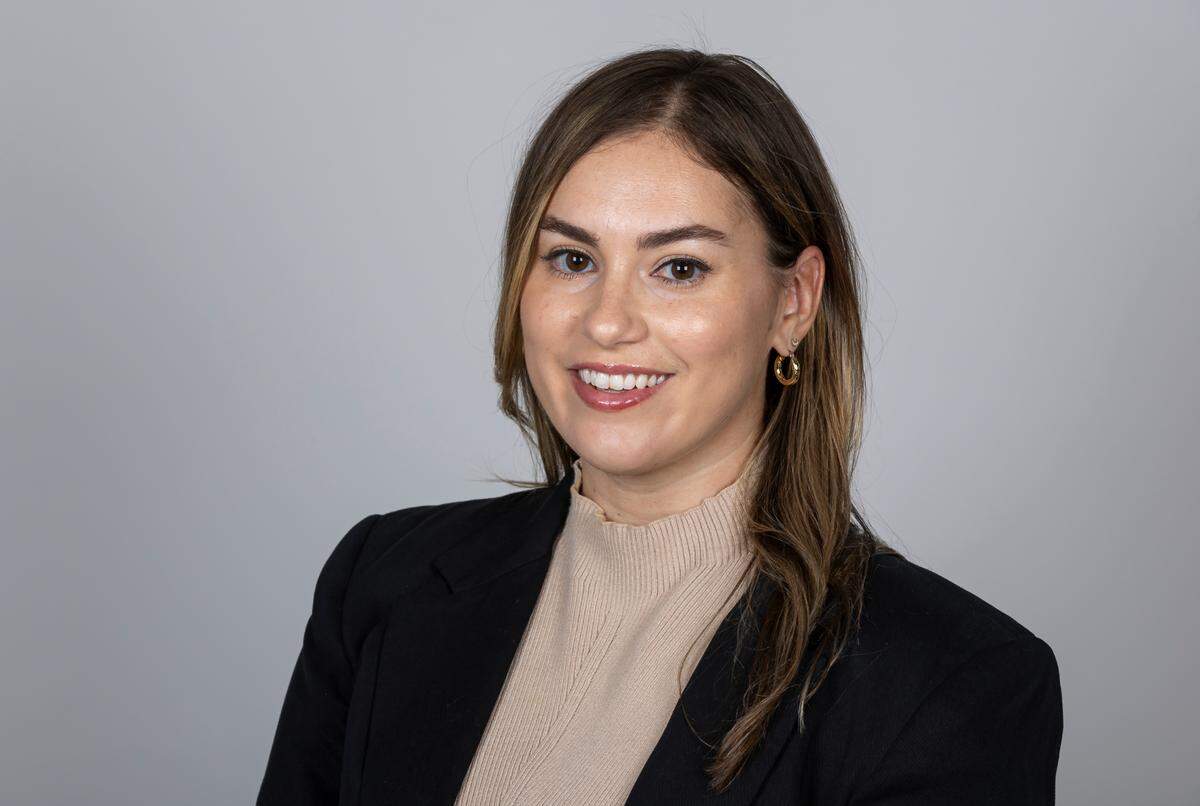
Lauren Costantino is an audience engagement producer for the Miami Herald Editorial Board. She is a former Palm Beach County teacher.
This story was originally published June 5, 2021 at 6:00 AM with the headline "Critical race theory debate distracts from racism in Florida’s schools. Maybe that’s DeSantis’ goal | Opinion."