As Eta nears, prepare to make a possible insurance claim. Here’s what you need to know
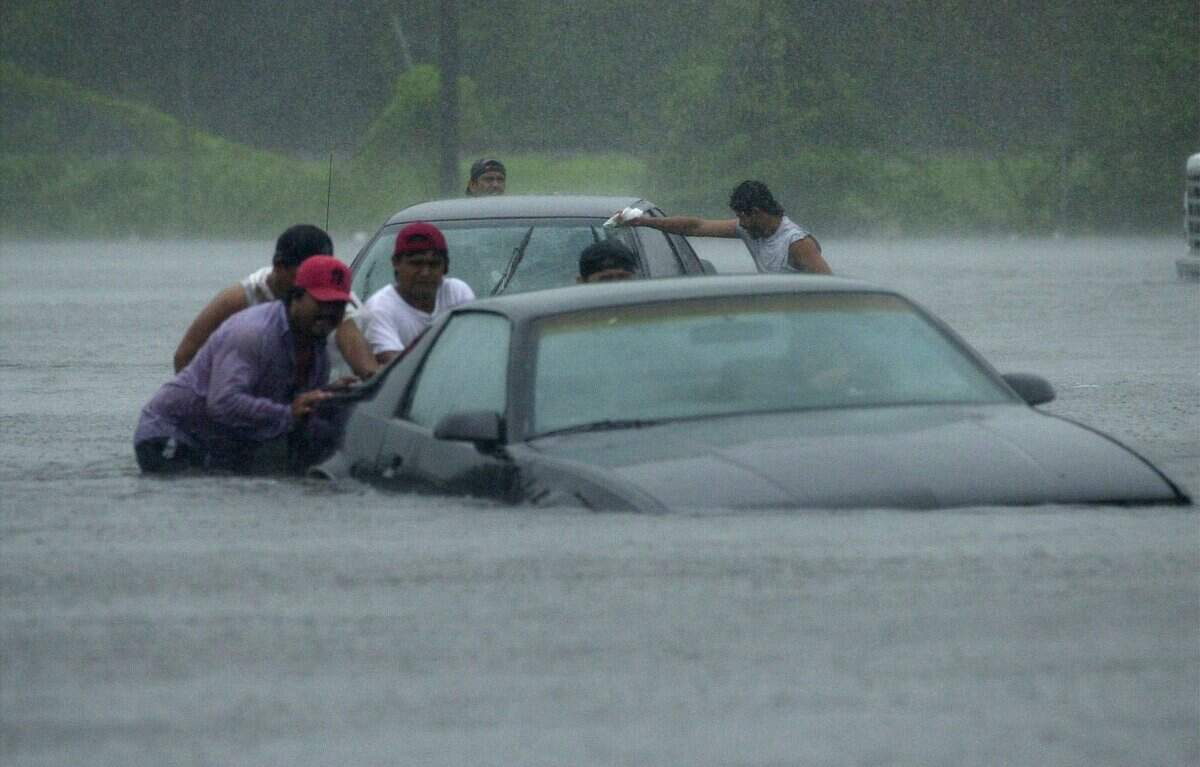
Whether Eta is a tropical storm or a Category 1 hurricane, it is capable of causing flooding, power outages, and property damage as it makes its expected turn northwest at Tampa Bay and moves across the state.
When Tropical Storm Gabrielle hit the Bradenton area in 2001, it caused damage that was still being cleaned up a year later.
For that reason, the American Property Casualty Insurance Association says residents in the projected path of the storm should gather their insurance information and prepare their property before conditions begin to deteriorate.
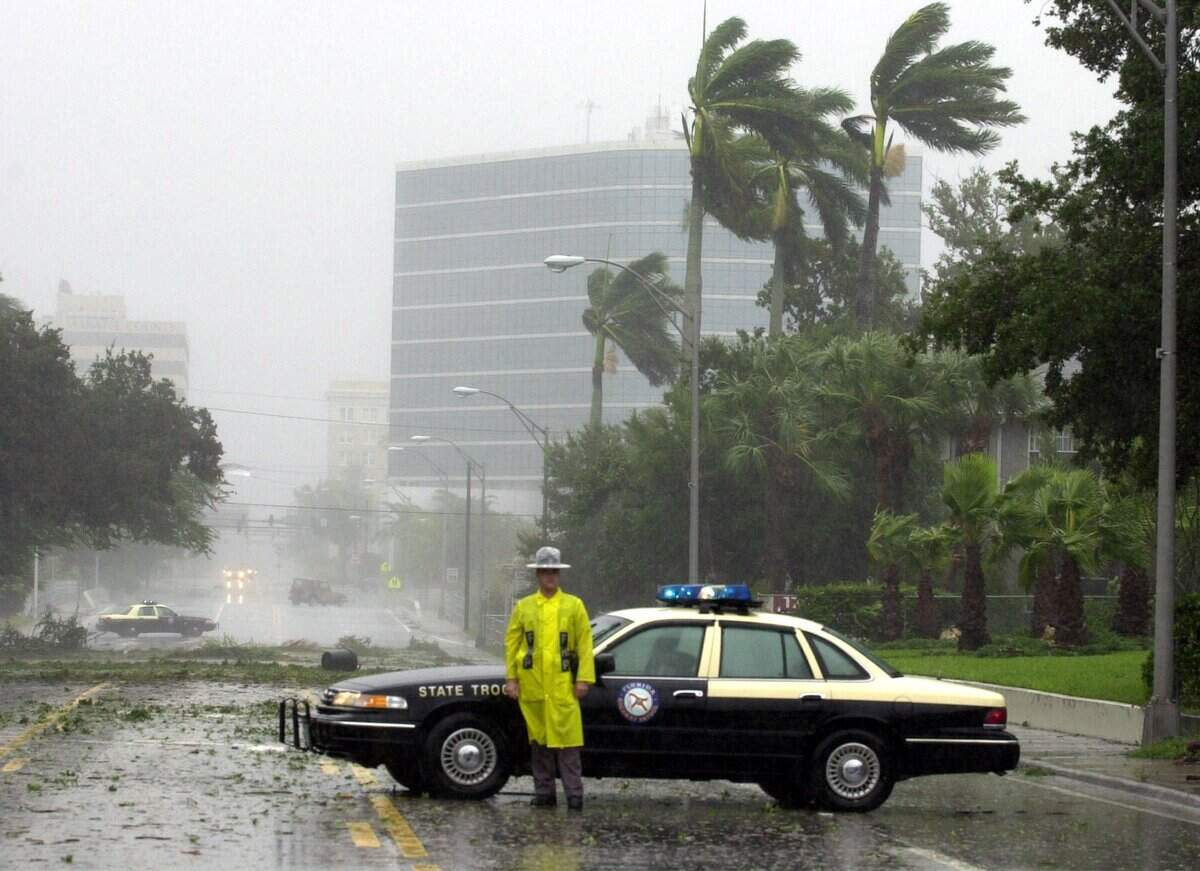
Eta is expected to approach Wednesday to Thursday with heavy rain, strong winds, and storm surge. A hurricane watch has also been issued as there is a chance Eta could maintain hurricane strength, although weakening is expected before landfall.
“Late season storms like Hurricane Eta can still pack a punch, so prepare your insurance information in case your property is damaged,” said Logan McFaddin, assistant vice president of state government relations for APCIA. “Gather copies of your policies and keep them in a safe, dry, and accessible location and save your insurer’s contact information to your phone.”
Residents should take the following steps in advance of Hurricane Eta:
▪ Gather copies of your insurance policies. Keep copies of your insurance policies (home, flood, and auto) in a safe, dry, and accessible location.
▪ Save your insurer’s contact info. Save your insurer’s toll-free claims number to your cell phone’s contacts. APCIA has a list of insurer’s toll-free numbers here.
▪ Make a home inventory. Use your cell phone to take photos or videos of your belongings, including furniture, appliances, clothes, lawn equipment, jewelry, and art. Save your inventory to a place where you can easily retrieve it, such as the cloud, or email a copy to yourself.
▪ Stock your emergency supply kit. Have enough food, water, and medication for each member of your family, including your pets, for at least seven days. Remember to include face masks, hand sanitizer, and cleaning supplies.
▪ Prepare your property. Secure or store outdoor items like grills, patio furniture, and small loose items. These types of items can become dangerous projectiles during high winds.
▪ Follow all guidelines and evacuation orders from local officials. If you are evacuating, make sure you have face masks and hand sanitizer for all members of your family, and never leave pets behind.