What to do if you’re with someone who is overdosing and you suspect drug may be fentanyl
On March 13, four men in a home just outside of Fort Lauderdale were hospitalized after drug residue found inside the rental property tested positive as fentanyl.
Just three days earlier, six students that included four West Point cadets and an Army football player were hospitalized after overdosing on fentanyl-laced cocaine at a house in Wilton Manors. NBC 6 reported that Fort Lauderdale Fire Department Battalion Chief Steve Gollan said two of the people were exposed to the fentanyl when they tried to give their friends CPR.
Often, people who use already potentially fatal cocaine or methamphetamine don’t know these recreational drugs are laced with fentanyl, which is a highly addictive synthetic opioid.
According to the Centers for Disease Control and Prevention, overdose deaths involving synthetic opioids were nearly 12 times higher in 2019 than in 2013. More than 36,000 people died from overdoses involving synthetic opioids in 2019. In Florida in 2020, opioids caused 6,089 deaths across Florida, a 43% increase from 2019.
This week, as Spring Break in South Florida hits its bustling midway point, the opportunity for more mishaps amid the partying is ever ripe.
READ MORE: SPRING BREAKERS TAKE OVER OCEAN DRIVE
The Miami Herald reached out to the medical community to ask what the average person can, and should, do when confronted with someone who is overdosing in their presence and the suspected drug may be fentanyl.
Of course, the simplest strategy is don’t do recreational drugs. But since not everyone’s going to heed that timeworn advice ...
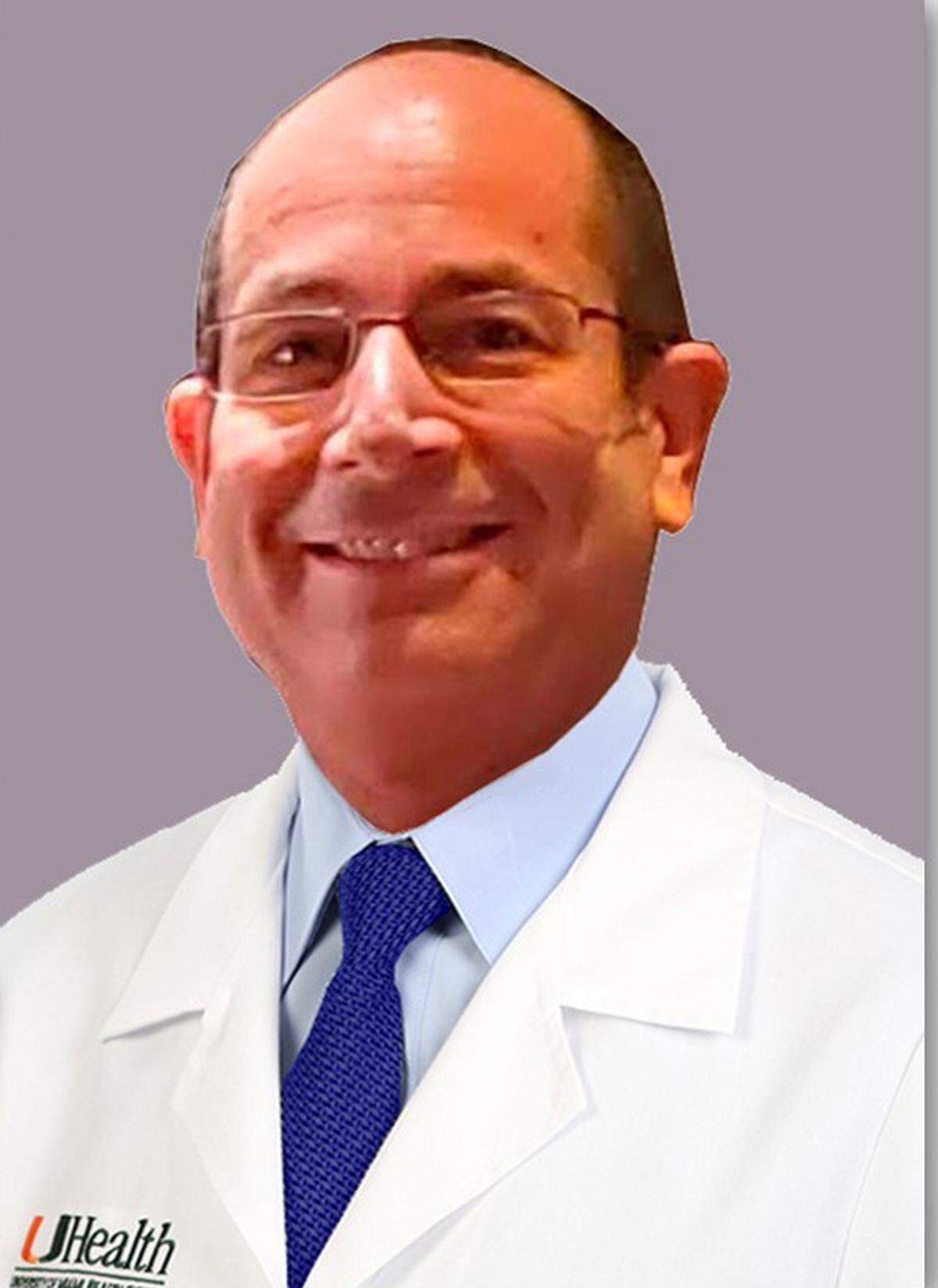
Dr. David M. Lang, clinical chief and medical director of emergency medicine for the University of Miami Hospital and Clinics, answered the following questions:

What should you do if you suspect someone is overdosing?
▪ Call 911.
“South Florida has world class Emergency Medical Services (EMS) units, well trained to manage pre-hospital and transport patients to local hospitals,” Lang said.
▪ Find out what drug or drugs are involved, if possible.
▪ Stay with the person.
▪ Ask if the person has other medical issues. You may want to know this about those you’re closest to, especially if you’re messing around with recreational drugs. But even if you are not.
“For example, diabetics with low blood sugars can have an altered mental status mimicking an overdose,” Lang said. “Drugs can be mixed with other drugs — fentanyl mixed into cocaine — making exposures to unintended drugs possible.”
What about Narcan?
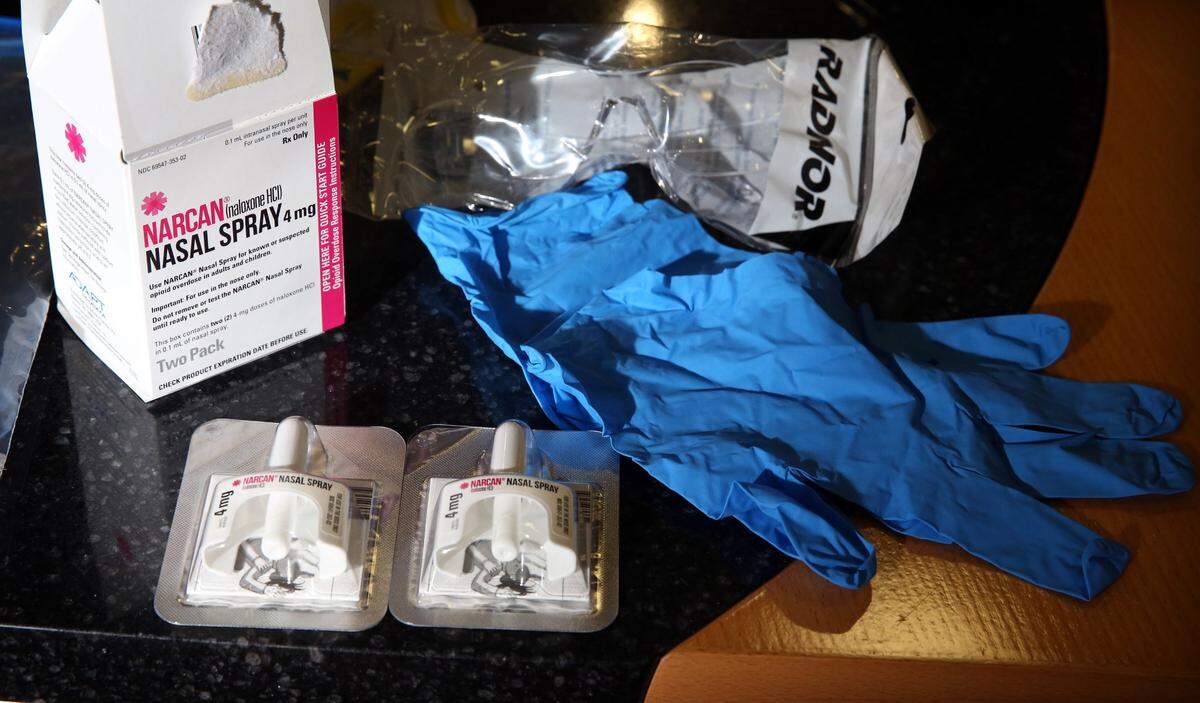
Let’s use fentanyl as the example. What do you do if that’s the suspected overdose? And if the response is “administer Narcan,” who has Narcan? Is it legal to buy it or is it only administered by the medical community?
First: Narcan, the brand name for Naloxone, “is a life-saving medication that can reverse an overdose from opioids, including heroin, fentanyl and prescription opioid medications,” according to the CDC. Naloxone can be given as a nasal spray.
▪ Restore breathing.
“The first priority of any emergency case is maintaining a patient’s airway and breathing,” Lang said.
▪ Administer Narcan.
“For known, or suspected opiate/opioid overdose, Narcan is given by EMS [crews] or a hospital’s emergency department. It can be given by injection IV or in a muscle. There is also a nasal spray available in Florida without a prescription for the public. I suggest people who use opiates — whether for therapeutic or recreational purposes — have Naloxone available,” Lang said.
Where can I buy Narcan?
▪ Narcan is available over the counter without a prescription at many pharmacies, including at Walgreens and CVS. The cost of a two-bottle set of Narcan runs about $120 and is often covered by insurance and may include a co-pay.
▪ Narcan is also carried by rescue units.
“A single dose of Naloxone may not be sufficient to stabilize an overdose,” Lang said. “The effects of Naloxone are also dose dependent. Small doses may keep a patient breathing. A larger dose may fully awaken a patient. Depending on the drug and dose, the effects of Naloxone may not last as long as the drug effects — meaning, the patient can revert back to symptoms of an overdose without continued treatment.”
Can you OD if you perform CPR?
“The likelihood of passive overdose from contact with a fentanyl overdose patient is very low,” Lang believes. “Opiate overdose patients stop breathing before their heart stops. Mouth-to-mouth ventilation, when the patient has a pulse, may be necessary until EMS arrives. For a patient without a pulse, chest compressions to circulate blood is more important than mouth to mouth resuscitation.”
Dr. Lang reiterates: “As mentioned earlier, call 911 as soon as possible.”
This story was originally published March 19, 2022 at 7:00 AM with the headline "What to do if you’re with someone who is overdosing and you suspect drug may be fentanyl."