The crocodile made himself at home in someone’s yard. Wildlife officers help it move
Florida wildlife officers and a reptile trapper caught and relocated a crocodile that made itself home in a Florida Keys yard this week.
American saltwater crocs are increasingly common in the Keys and South Florida now that their populations have rebounded after almost going extinct in the 1970s. But the state wildlife police initiated a policy a few years ago to relocate ones that show they’re not nervous about hanging around people.
That’s exactly what this 12-foot croc did on Tuesday, said Officer Bobby Dube, the Florida Fish and Wildlife Conservation Commission spokesman in the Keys.
“There are four or five of them that like to hang out in that area, but this one lost his fear of humans,” Dube said.
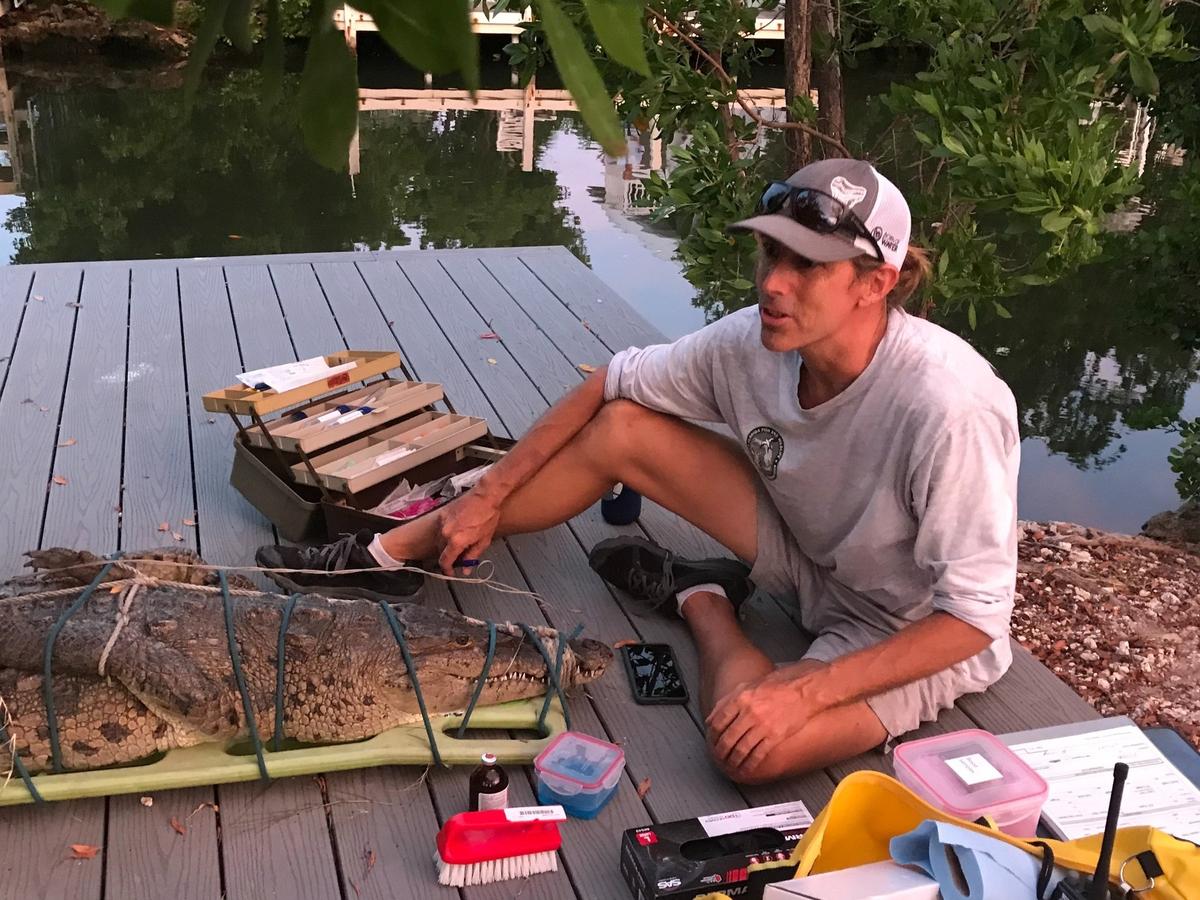
FWC officers and FWC Alligator/Crocodile Response Agent Christ Guinto trapped the croc at the house on Cortez Drive in Islamorada and took him to another location, Dube said.
The croc was given a health checkup and then fitted with a global positioning device so wildlife officials can track its movements.
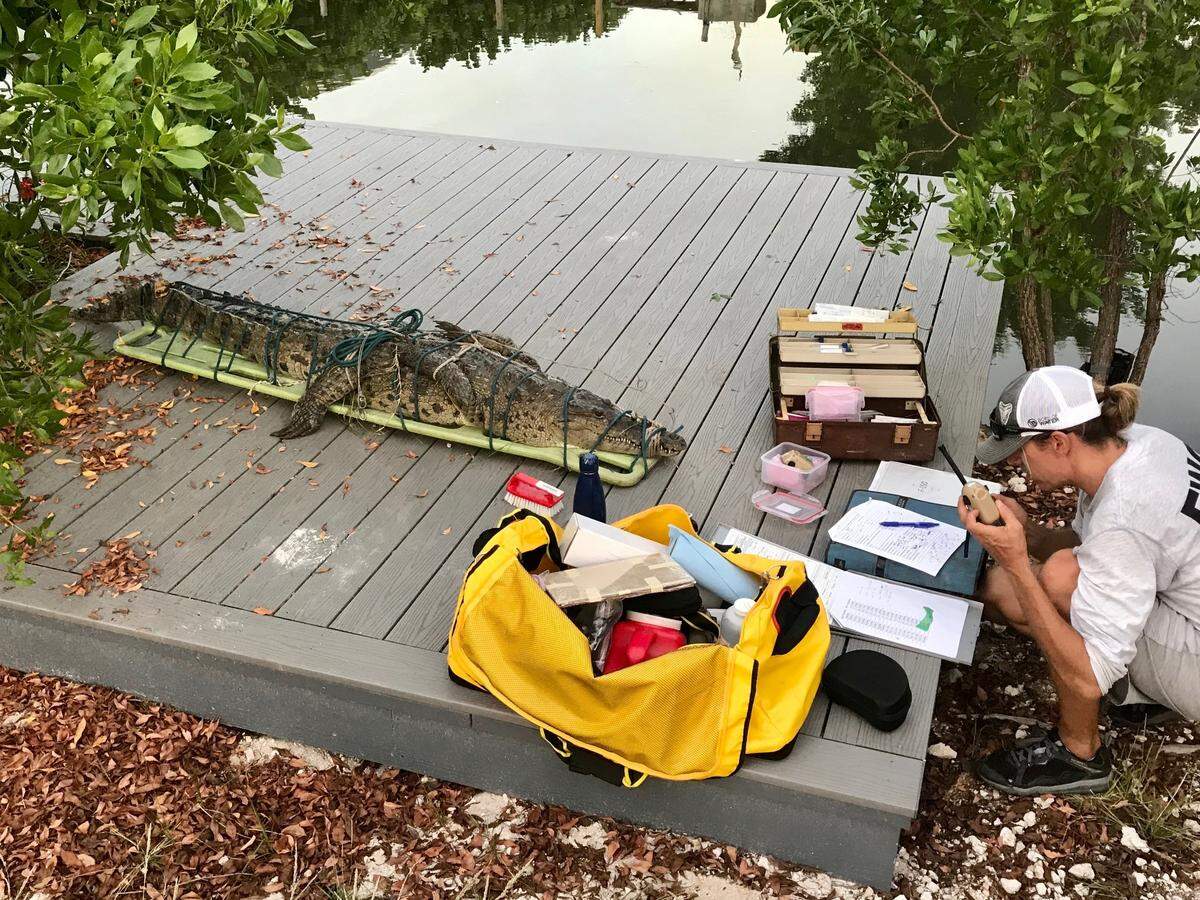
American crocodiles are primarily found in South Florida and can be seen often swimming in Keys canals. They are federally protected after their numbers dwindled in the 1970s. Scientists estimate there are now about 2,000 of them living in South Miami-Dade and the Keys, and they are happy about that.
Some local residents weren’t, however, after one snatched a large dog off a Key Largo dock and killed it in March 2012. Fearing for pets and children who swim in canals, many residents wanted them removed.
But the FWC and federal government at the time refused, saying that the reptiles were reclaiming their natural habitat.
That changed in 2018 after the crocs killed several other pets in the area.
“The FWC has taken a bit of a different stance on the crocodiles, especially in light of the public’s reaction to a couple of recent tragedies,” Fish and Wildlife Capt. David Dipre said at a Sept. 6, 2018, meeting of the Islamorada Village Council.
Crocs deemed nuisances will not be killed or harmed, but officers and trappers will either relocate them, or make them uncomfortable by subjecting them to loud noises and other methods, hoping they will find other areas with fewer people around in which to live.
Unlike their cousins in places like Australia and Africa, American crocodiles are typically docile and afraid of people. There have been no reported cases of an attack on people by an American croc.
However, with all the fish scraps thrown into canals by anglers cleaning their catches, a lot of crocs see humans as providers of free meals and are losing their natural fear of people.
“They’re usually shy and elusive,” Dube said.” This one did not display those attributes, so he was removed.”
This story was originally published June 17, 2020 at 5:32 PM with the headline "The crocodile made himself at home in someone’s yard. Wildlife officers help it move."