DeSantis signs tax, budget bills for ‘greater accountability’ in Bradenton
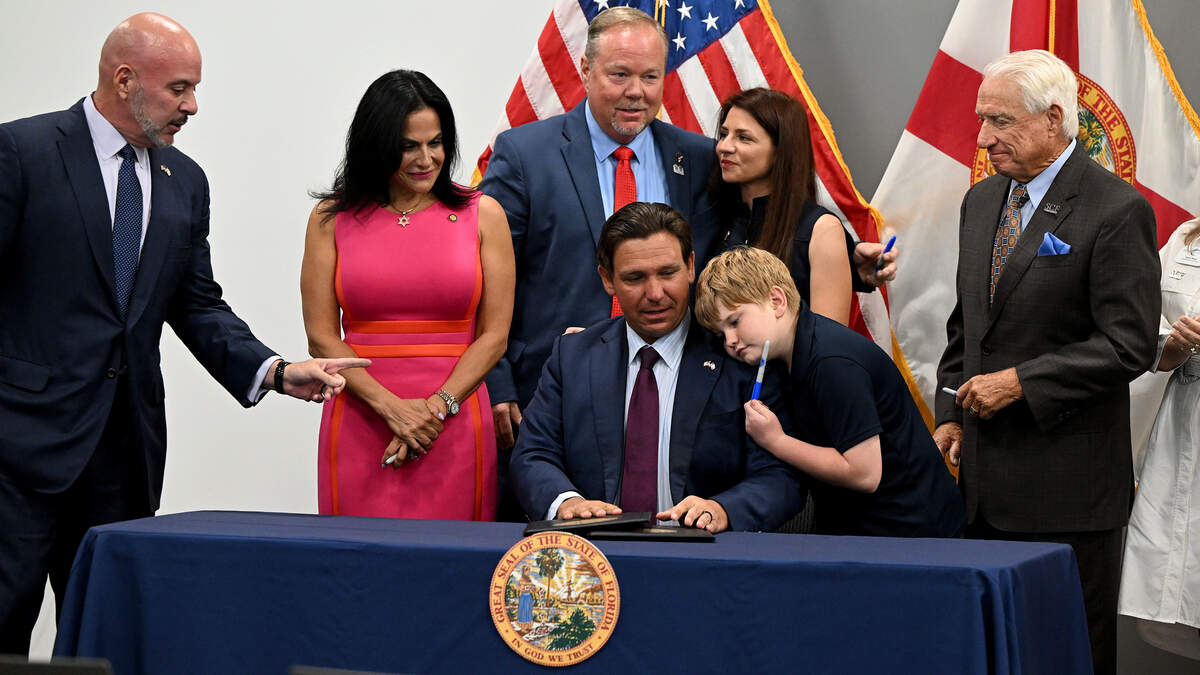
During a visit to Bradenton on Wednesday, Gov. Ron DeSantis signed two bills aimed at limiting local property tax increases and improving fiscal transparency.
One of the bills places more restrictions on how local governments can raise taxes. The other requires local governments to display more budget information online for taxpayers, like expenses and employee salaries.
“We’re going to sign two pieces of legislation, which involve protecting taxpayers — particularly against local government taxes, property taxes and others — and also ensuring transparency in the spending process,” DeSantis said.
The bill signing comes as DeSantis continues to tour Florida to speak about the upcoming property tax referendum, which would significantly change how much property tax revenue local governments receive. In Manatee County, the proposal would slash $81 million in property tax revenue from the county government’s budget in 2027.
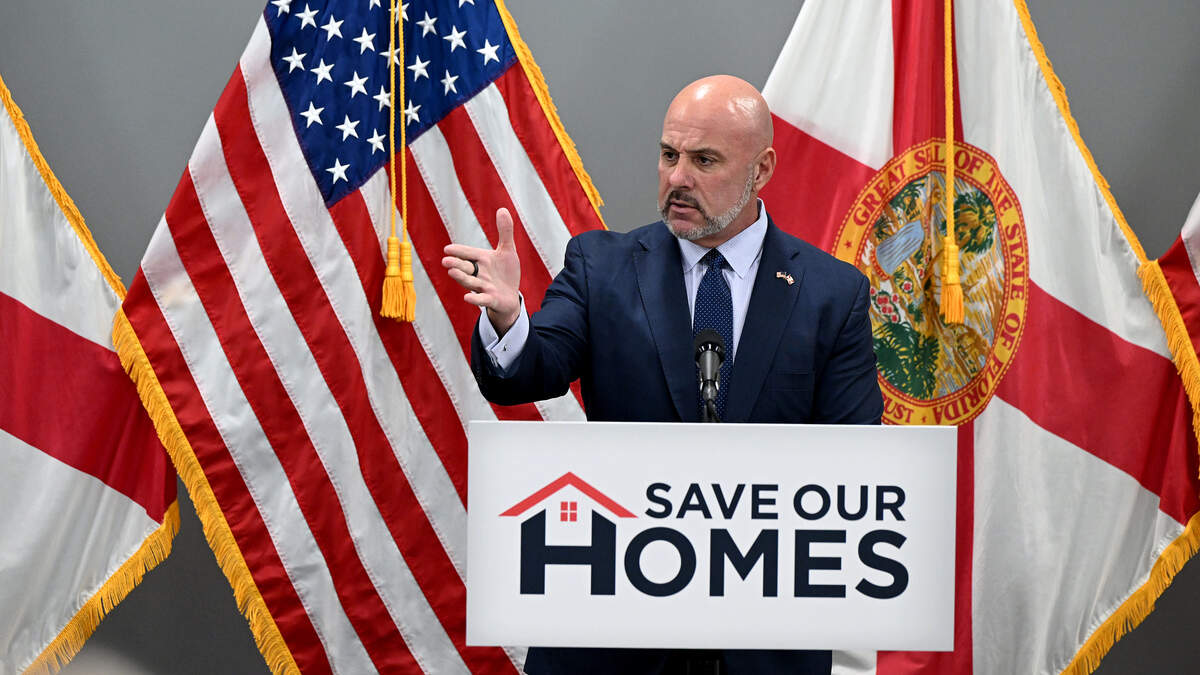
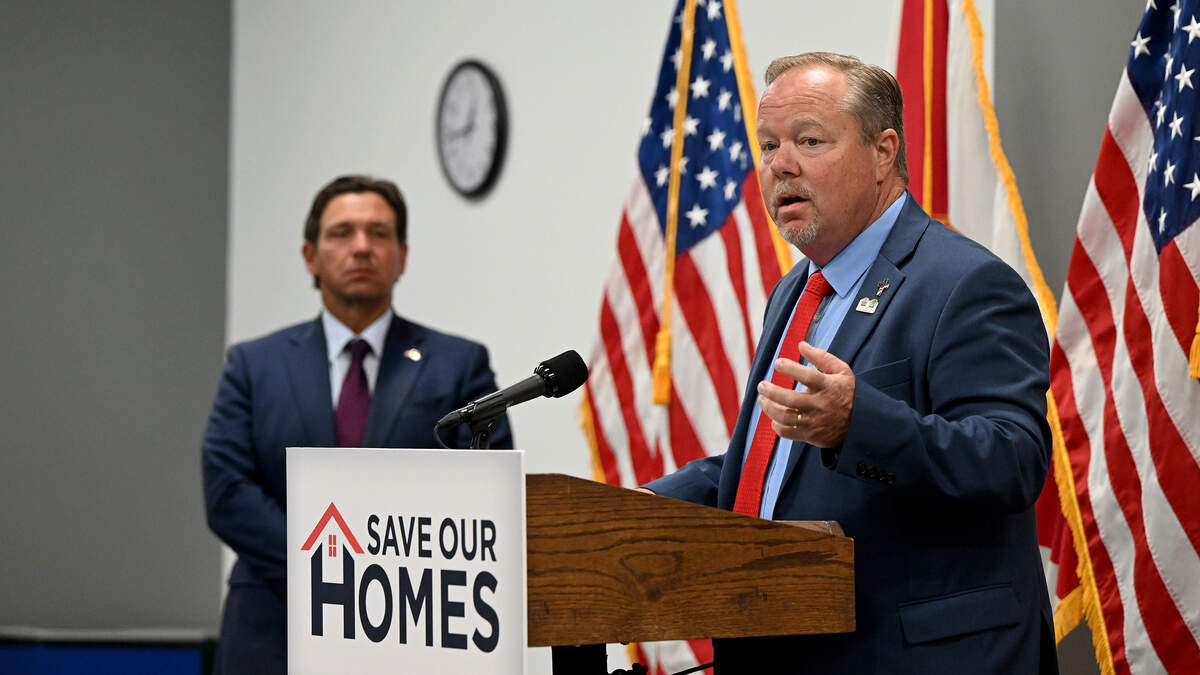
Chief Financial Officer Blaise Ingoglia joined DeSantis at the press conference at State College of Florida to talk about the state’s push for fiscal responsibility at the local level. He applauded DeSantis for signing the two bills on Wednesday.
“A lot of these local governments are growing faster than the ability of the taxpayers to pay for it,” Ingoglia said. “Now, unfortunately, those numbers are just going to continue to grow if there is not an intervention.”
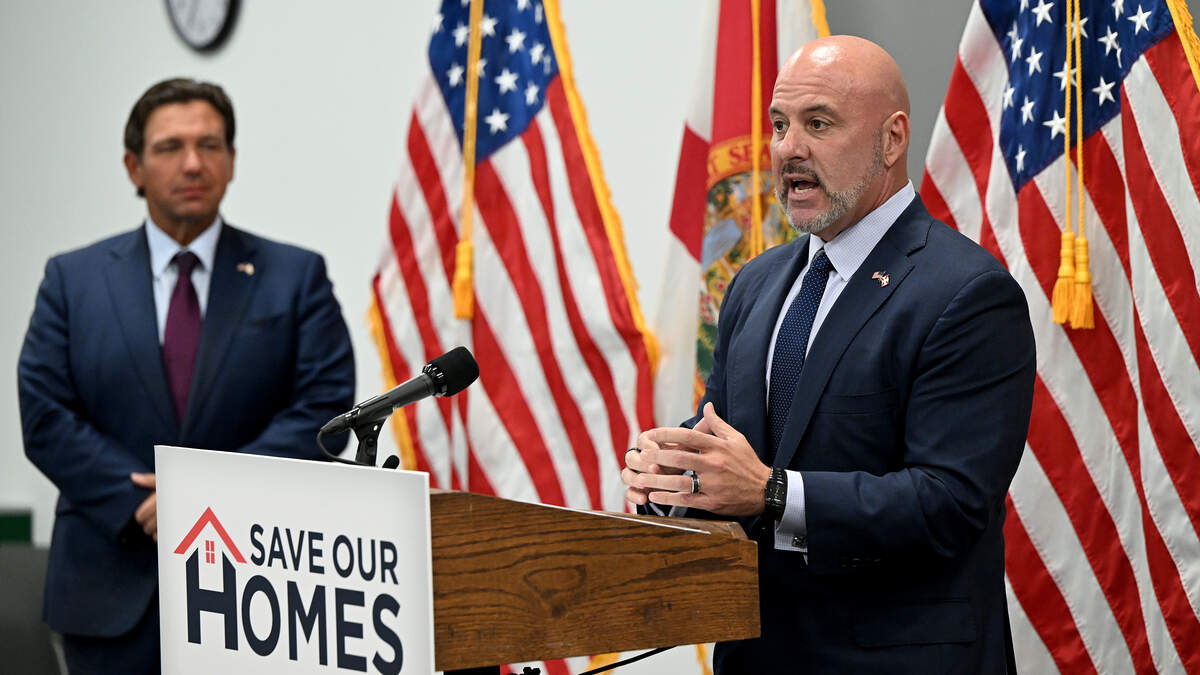
DeSantis signs bills to limit local taxes, improve transparency
The first bill DeSantis signed was Senate Bill 4-F, which limits the maximum millage local governments can set. It is a compliment to the state’s proposed property tax amendment dubbed the “Save Our Homes from Excessive Property Taxes.”
“With the current system, local governments can increase rates based on growth in Florida’s per capita personal income,” DeSantis said. “This bill removes that adjustment and generally limits the maximum possible millage rate increase year over year to the standard rollback rate.”
If local governments want to raise it slightly above that threshold, a supermajority vote would be required. For larger rate increases, a unanimous vote would be required.
“It makes it harder for local governments to raise property tax burdens without greater accountability,” DeSantis said.
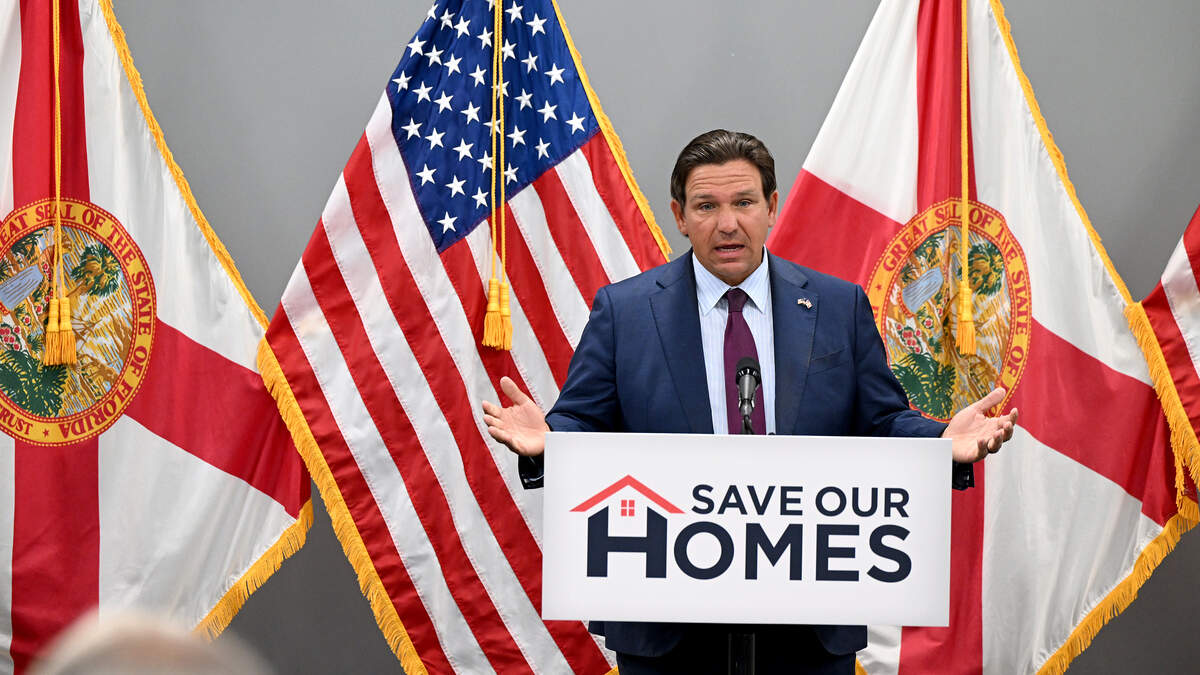
The other bill, House Bill 1329, will require local governments to put more financial information online so it’s easily accessible for the public. This includes things like budget summaries, revenues, spending by department, fund balances and employee salaries.
“With the legislation today, Floridians will have more transparency into how their local governments are spending their money, and in a more accessible format,” Ingoglia said. “It is long overdue that we’ve had more transparency and accountability for these.”
Property tax referendum coming in November
DeSantis presented these bills with the backdrop of a referendum coming in November.
The proposed amendment would raise the homestead property tax exemption from $50,000 to $250,000. That could mean municipalities could lose out on millions of dollars in annual revenue.
For example, if the homestead exemption was raised to $150,000, Manatee County is estimated to lose $81 million in revenue. That loss would rise to $149 million if the exemption is raised to $250,000.
When talking about the impacts of the amendment, DeSantis said it would not significantly burden local governments that can operate efficiently. He said local governments will be able to operate if they can make do by using “2019-levels of spending,” adjusted for population and inflation.
“You’re going to be able to function if this passes going forward. There’s no question about it,” DeSantis said.
Ingoglia added that the referendum will give voters the power to decide whether they want to change local government spending.
“The taxpayers are the ultimate intervention, and that’s why a constitutional amendment on the ballot is so very important, because government is never going to right-size itself, it’s going to have to come from the taxpayer,” Ingoglia said.