Top Manatee lawmakers graded on dedication to public transparency. One of them failed
Florida’s Sunshine Law is among the strongest in the nation when it comes to preserving access to public records and meetings among elected officials, but Manatee County’s state representatives fared poorly in one organization’s view on how they are upholding that kind of government transparency.
Every year the Florida Society of News Editors ranks state lawmakers based on how they voted on new legislation that might affect public access to records and information. They earned points for supporting transparency measures and lost points for voting against them. None of the lawmakers who represent Manatee scored any higher than a C.
Senate President Bill Galvano, R-Bradenton, earned the worst grade among his local peers — an F. Based on the scoring methodology, however, Galvano’s score comes from just three bills that he voted on.
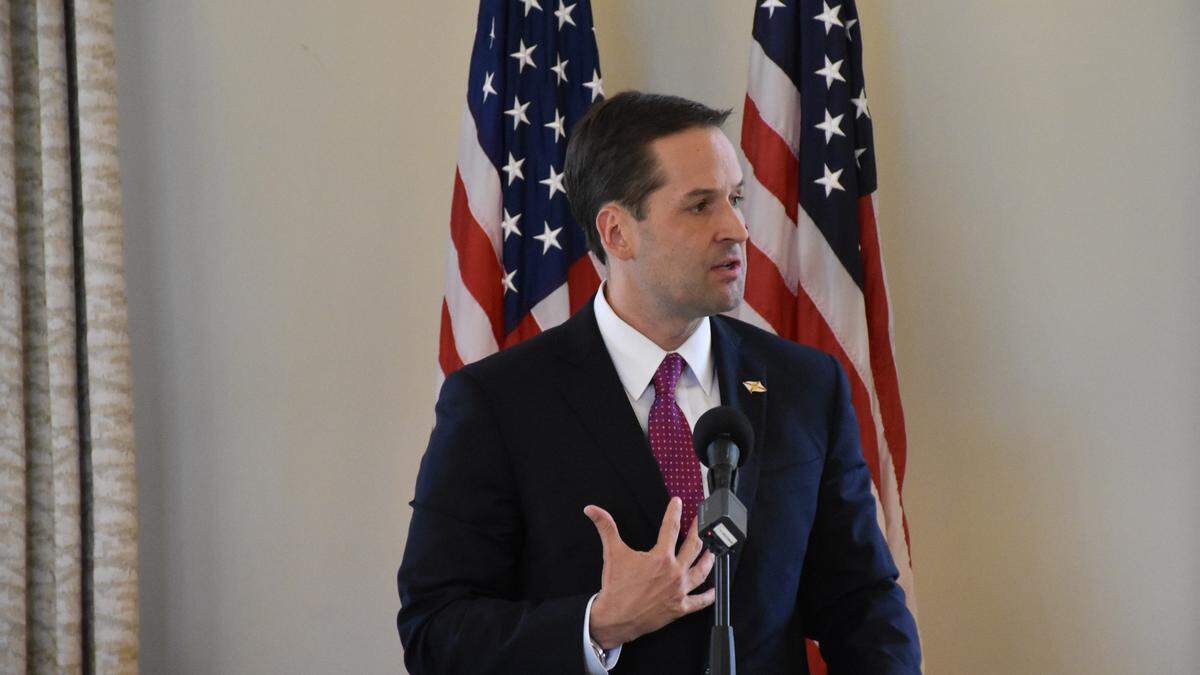
The organization gave a C- to freshman lawmakers Tommy Gregory, R-Sarasota, and Will Robinson, R-Bradenton. Both legislators voted on at least eight bills.
In an interview with the Bradenton Herald, Robinson spoke to the importance of the state’ss Sunshine Laws and access to public records.
“Full transparency and openness leads to a better understanding,” he said.
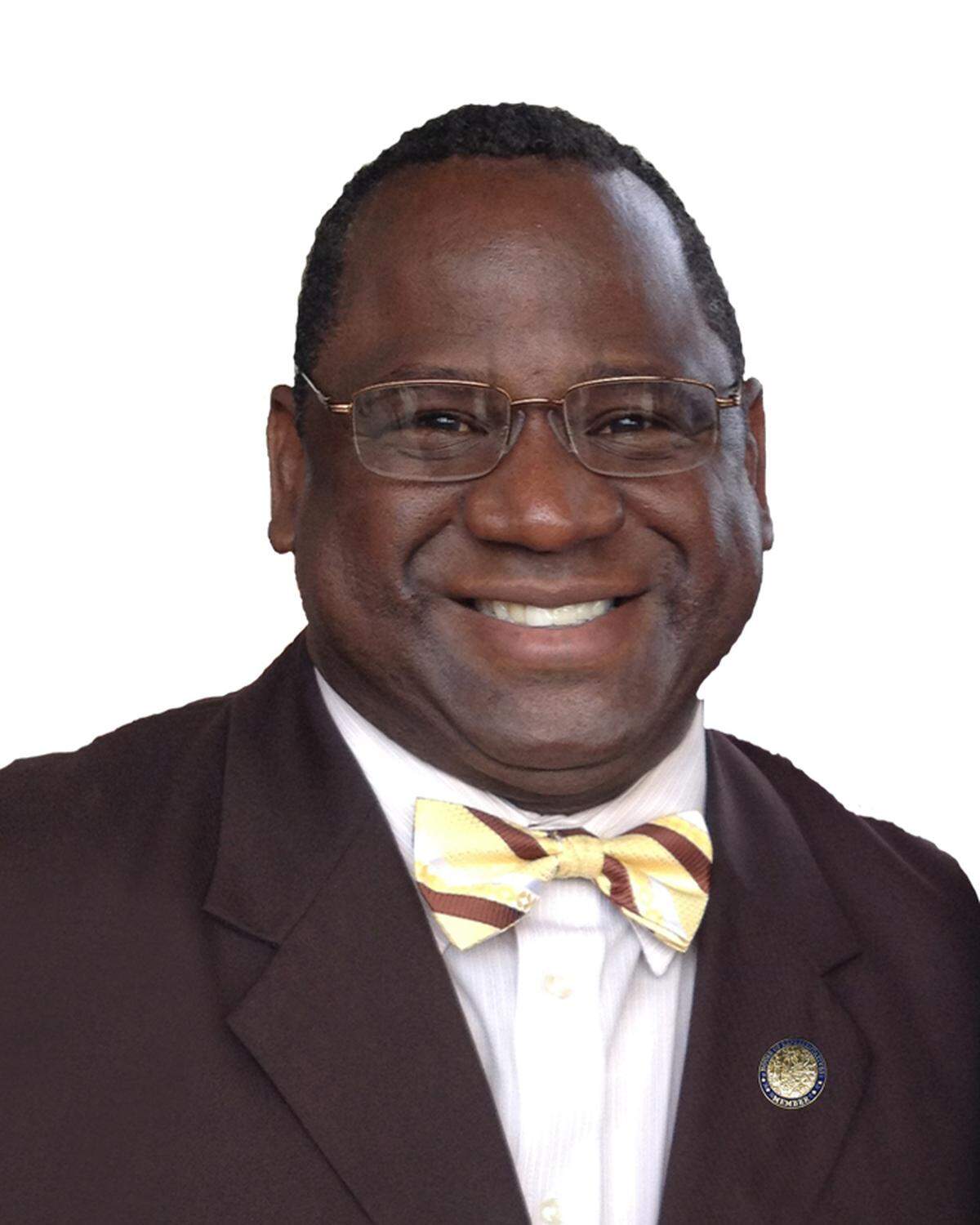
Rep. Wengay “Newt” Newton, D-St. Petersburg, earned points for pushing a House bill that would have improved the public’s opportunities to speak at meetings and extended the amount of time required to provide public notice of the meeting, but the bill did not pass. Despite his efforts in that regard, Newton lost points for supporting other anti-transparency bills and earned a C grade.
Each of Manatee’s representatives voted for the main three bills that the FSNE and the Florida First Amendment Foundation took issue with. Newton co-sponsored one of them.
“At one point, Florida’s was known as one of the most open governments in the country. Bill after bill, exemption after exemption, that status has been eroded,” said Cindy McCurry-Ross, former president of the FSNE.
Public records advocates argue that several new laws adopted this year limit their oversight capabilities. One measure allows criminal justice workers to use GPS coordinates or parcel numbers to describe their “home address,” which could obscure property descriptions used by investigative journalists to identify public officials who used their homes for illegal activity.
Another requires the Florida Department of Law Enforcement to automatically seal the criminal history record of someone who has their charges dropped, dismissed or is found not guilty.
The FSNE argues that it results in “less public accountability for both the accused and law enforcement.” For example, a children’s hospital wouldn’t be allowed to see past charges of child neglect, abuse or medical malpractice against an applicant for a pediatric doctor position.
The last new law allows exemptions within family trust company records that are maintained by the Office of Financial Regulation.
Each bill was signed into law by Gov. Ron DeSantis. Galvano, Gregory and Newton did not immediately respond to the Bradenton Herald’s request for comment.
Going forward, public records supporters are calling on lawmakers to improve the records request process and include protections for the public. Some ideas include providing a reasonable time estimate for when a records request might be fulfilled, protection against lawsuits from agencies unwilling to release records and lower fees for completing requests.
Robinson said there are certain measures he would support in an effort to bolster Florida’s dedication to transparency.
“I represent local government, too, and they get a lot of records requests. It takes time to pull these requests together,” he explained. “That said, the requests should be timely and efficiently. Those are the people’s records.”
Methodology
Votes against openness lose points; votes for openness gain points. The list of bills is determined by the Florida First Amendment Foundation in cooperation with the Florida Society of News Editors.
Some committees voted repeatedly on multiple versions of the bills, resulting in multiple votes in our tally. Some legislators considered a single bill in several committees, resulting in more recorded votes. Each time a legislator voted, that vote – against or for government openness – is counted.
To see the full scorecard and methodology, visit http://bit.ly/SunshineScorecard2019.
This story was originally published October 2, 2019 at 6:00 AM.