
These statewide leaders will explore the crucial issues facing Florida in 2020
Now in its third year, the Miami Herald, el Nuevo Herald and the Bradenton Herald are launching the 2020 Florida Influencers series, a discussion about the biggest issues facing the state.
We’ve assembled a panel of influential Floridians from a variety of perspectives and industries who will offer their views on state policies through the end of the year.
Meet the Influencers and see how they responded to our initial question:
"As the Florida Legislature meets for its annual session, please share what you think is the biggest challenge facing our state."


Christine Barney
Florida has several inter-related issues:
Mobility: The daily influx of new residents increases the challenges of moving people and goods. Increasing commute times have a direct effect on the economy through decreased worker productivity, delays in shipping and dissuading relocating companies. Workforce/affordable housing: The lack of workforce/affordable housing affects quality of life and puts more commuters on the road. We must protect program funds such as the Sadowski Trust Funds, State Housing Initiative Partnership (SHIP) and State Apartment Incentive Loan (SAIL) and encourage developers to build workforce housing and transit-oriented development to allow people to live closer to the places they work. Water management: Sea level rise, flooding, water management, beach health — the list of issues surrounding this critical resource is long and varied.
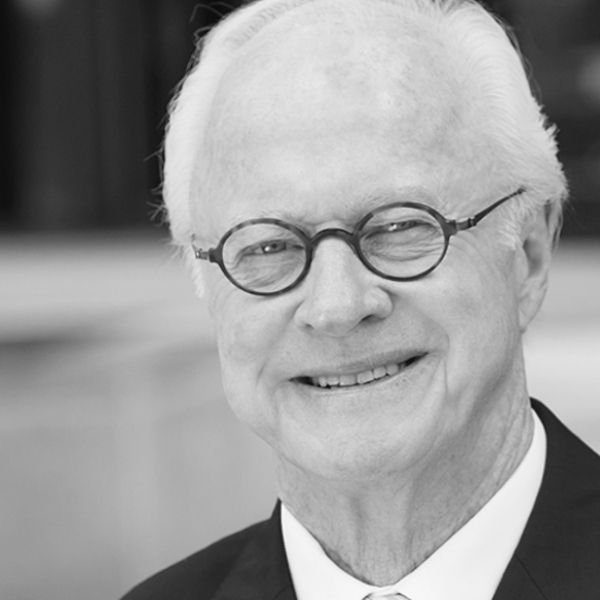
Dick Batchelor
To fully fund the woefully unmet needs of our children.
With suicide being the third-leading cause of young people’s deaths, the Legislature can no longer be proud to be ranked 50th among the states in mental health funding. Regarding to children with disabilities, the state should no longer tolerate a waiting list of 21,000 for services from the Agency for People with Disabilities. Early childhood education: Not only additional funding for children ages 0-5 but the credentials for employees in the programs of universal pre-kindergarten need to be strengthened, so the children can graduate prepared to enter elementary school. Also, the rate of child abuse continues to be at epidemic proportions in the state, and we need to provide refuge and safe counseling for these children.

Elaine Black
Housing that cost less than 50% of a person take home income. Livable wage jobs that require less than one hour travel time to get to work using public transportation and/or a vehicle. Opportunities for jobs for persons with limited skills that do not speak Spanish and/or English. Programs that provide Youth Hope for an enjoyable and productive life.
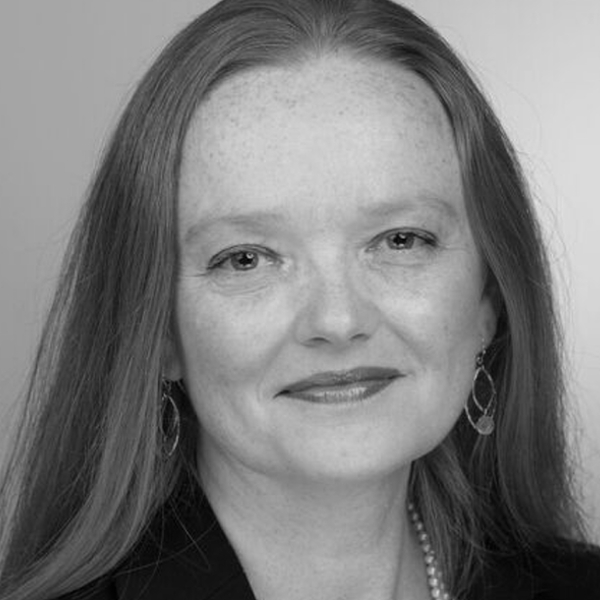
Susie Bowie
The biggest challenge and opportunity our state faces is making use of all of our assets — the time, talent and treasure each resident and visitor brings to the table. If we do it successfully, we can work together to protect our environment, tackle our workforce needs, nurture our children’s health and education, and ensure that we are a state that honors diversity and inclusion.

Noah Breakstone
We need to develop a forward-thinking, comprehensive plan to significantly improve Florida’s infrastructure, and affordable housing and education should be top priorities.
It is always easier to address our short-term, immediate needs. However, we should be working on a 30-year plan and budget that enables Florida to be an innovative, competitive, and sustainable economy . We are in need of a long-term vision to secure a stronger and healthier state for our children and grandchildren in terms of infrastructure, education, social services and land planning. Today, the public and private sectors together need to envision the plan for Florida 2050 and strive each year to make our state more competitive, not just for ourselves, but for the generations to come.
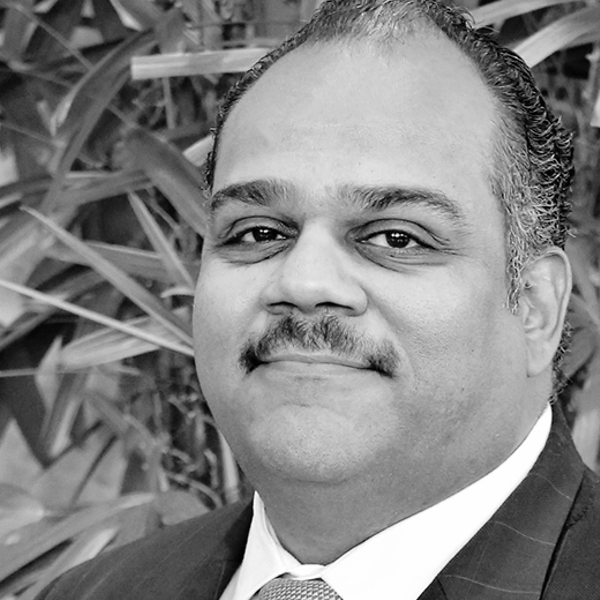
Michael Brown
While Florida continues to attract more residents and visitors that contribute to the state’s economic growth, it also heightens the demand for hospitals, schools, airports and roads. This steady population growth – considered one of the fastest growing states in the nation – is driving the need for more investment to expand and renovate public infrastructure. In fact, Skanska today is leading major construction projects for several universities and hospital systems across the state.
Kathleen Cannon
Housing has become unaffordable for many. More than 912,000 households in Florida – including hardworking families who are one emergency away from crisis, very low-income seniors and people with disabilities – spend over 50% of their incomes on housing. The shortage of available affordable housing units is the result of Florida’s growing population (especially in the urban core), the increasing cost of living and the stagnation of wages. We must work together to find solutions so residents of all income levels can have an affordable place to call home.
Additionally, the rates of death by suicide have been steadily increasing since 2016. It is important for Florida to invest in holistic approaches to suicide prevention, and do a deep dive on the data. Why are deaths by suicide increasing? What is the root of the problem? How do we support our communities to stop this devastating trend?
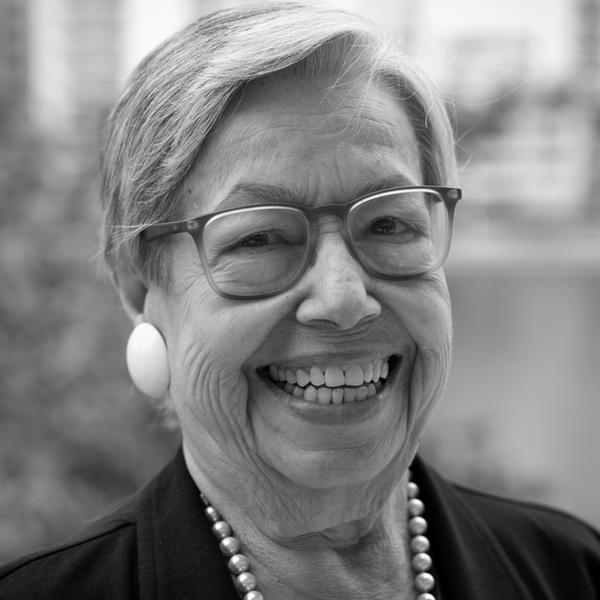
Rosa Castro Feinberg
Protecting people, property, and the economy from the effects of climate change is the biggest issue facing our state. It takes both political will and resources to bring about an effective response.
To expand participation in civic engagement and citizen advocacy we must also attend to issues of economic inequality and social isolation. Florida does not tax personal income and there are many loopholes in the administration of the corporate income tax. Joseph Stiglitz, Columbia University professor of economics, asserts that addressing the climate emergency will generate benefits to the economy through development of alternative energy sources. Those newer industries will yield additional tax revenues sufficient not only for environmental interventions but also for repairing the safety net and providing expanded opportunities for education that in turn will further expand the economy.

Luz Corcuera
Transportation, healthcare access, affordable housing, and decent paying jobs.
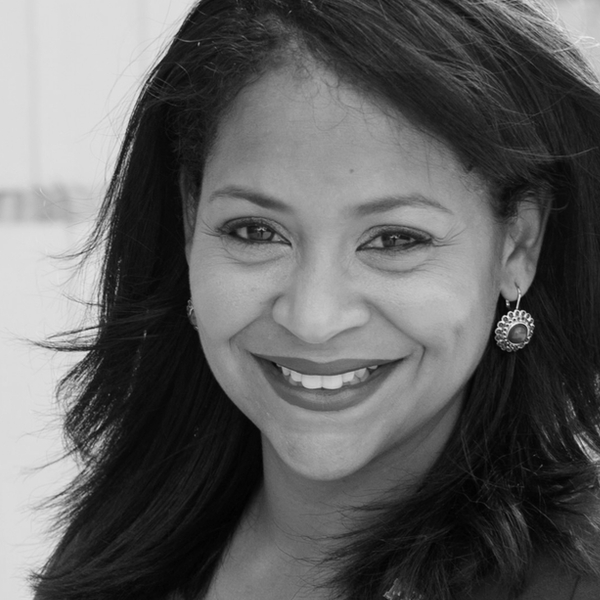
Lori-Ann Cox
We must address the deep opportunity gap which disproportionately affects low-income and minority students in successfully accessing and completing post-secondary education. Students from under-resourced communities are receiving up to 6k hours less in out of school learning than their more affluent peers, by virtue of extracurricular activities, cultural experiences, summer camp, travel & other programs not available to families without resources.
The opportunity gap is a powerful yet hidden scaffolding of inequalities and systematized obstacles for students to reach their potential. Beyond the chasm in learning opportunities, low-income students and families are facing a host of other challenges that compound with socio-economics including climate change and climate gentrification, housing affordability, health care access (including mental), gun violence, transportation and income inequality to name a few.

Rudy Fernandez
I believe that the most pressing issue facing Florida is environmental sustainability. We must continue to invest in infrastructure to create a more resilient Florida. Our waterways are one of our most precious resources—a feature that sets us apart and helps drive our economy. To ensure our long-term viability, the public and private sector must work collaboratively to find innovative solutions that protect our ecosystem. Protecting the natural resources that contribute to our quality of life must be top-of-mind as we plan for roadway expansions, construction, water management systems, beach restoration, and conservation. Researchers and business leaders must break down silos and together bring the best ideas to bear on what are often complex issues. The environment is something we inherit, steward, and leave to future generations. As a father and a Floridian, this must be a priority.

Jorge Gonzalez
As Florida welcomes a growing population and our economy enjoys prolonged stability, communities across the state are grappling with affordability challenges – particularly in major metropolitan areas. Public and private sector entities must get creative in addressing our affordability challenges.
For example, at City National Bank, we’ve created a nonprofit foundation that purchases homes from sellers, holds the properties temporarily, and sells them to low to medium-income home buyers, allowing them the time and necessary flexibility to secure financing and work through the processes to obtain subsidies or other issues.
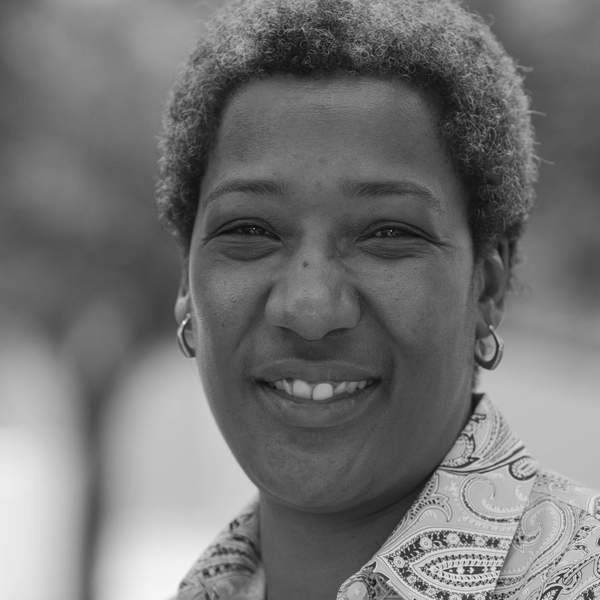
Charisse Grant
Sustainable economic growth and development that generates greater, equitable opportunity.
Underpinning the challenge are three elements I believe need vital attention and new-era innovation: 1) Supports for small businesses and self-employment from which residents can earn a quality living themselves – and generate opportunities for others. 2) Modernizing K-12 and post-secondary education to formally require real-world experiential skills and talent development, and entrepreneurship — preparing students to generate their own income in a new economy that needs fewer traditional “workers.” 3) Higher-level skills and creative talents. Finding courage for bold decisions on equitable urban development that promote housing and commercial opportunities for people of varying incomes to live/work in the vibrant cities being built vs. being priced out or displaced because they are too expensive for too many.
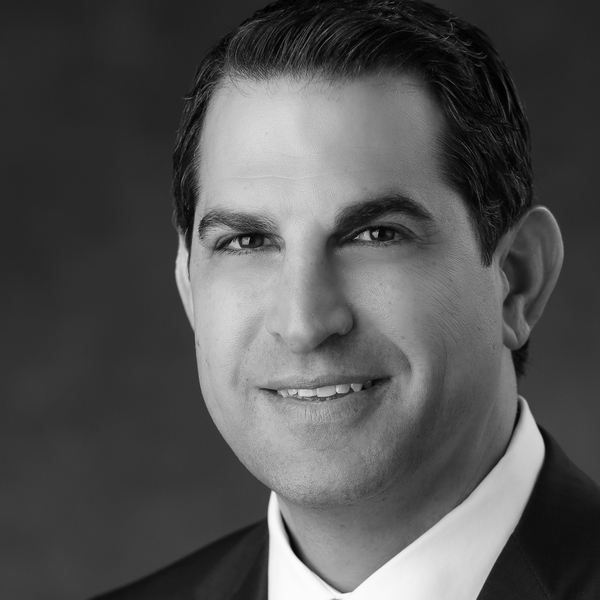
James Haj
The biggest challenge facing our state is access to high-quality early learning opportunities.
With research and science continuing to shed light on the importance of early education and kindergarten readiness, and because 90% of brain development occurs by age 5, we now know more than ever the importance of reaching children just after birth to impact later life success. That’s why Florida needs to invest heavily in early education initiatives in 2020 and beyond, to include an array of strategies to support young children’s physical, cognitive, and social and emotional readiness for starting school. The state currently funds a 3-year-old preschool slot at approximately $22 per day/$8,100 per year and approximately $325 per day/$118,000 per year to incarcerate a juvenile.
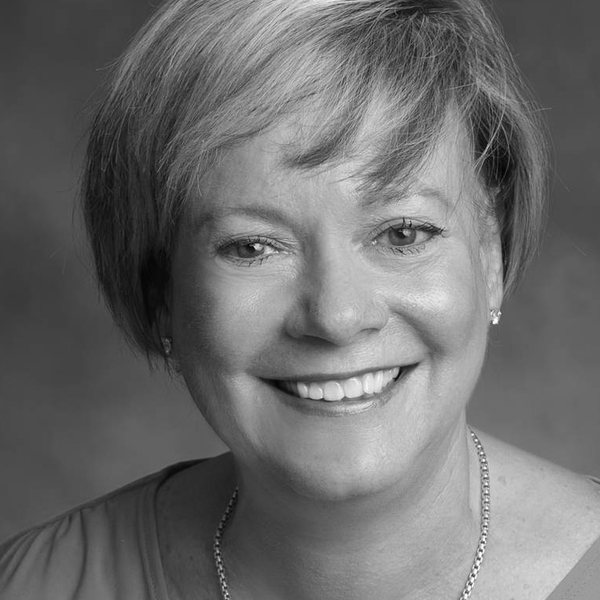
Debbie Harvey
Florida has and continues to have population growth. We are now the third largest state. In addition we welcome over 115 million visitors to our state annually, and this number continues to grow.
While both of factors have helped keep our economy strong and our industries booming, we need to address the myriad of issues these numbers create. We can’t continue to have the quality of life if we don’t have a long-term plan to deal with the stress this creates on roads, water, pollution, healthcare and other infrastructure issues. Not to mention affordable housing for the workers that staff many of our businesses. Our leaders and Legislature must look past the next election and make decisions based on what is good for the long term for our state. We cannot simply put short-term fixes on the problems. We need a solid vision for the future.
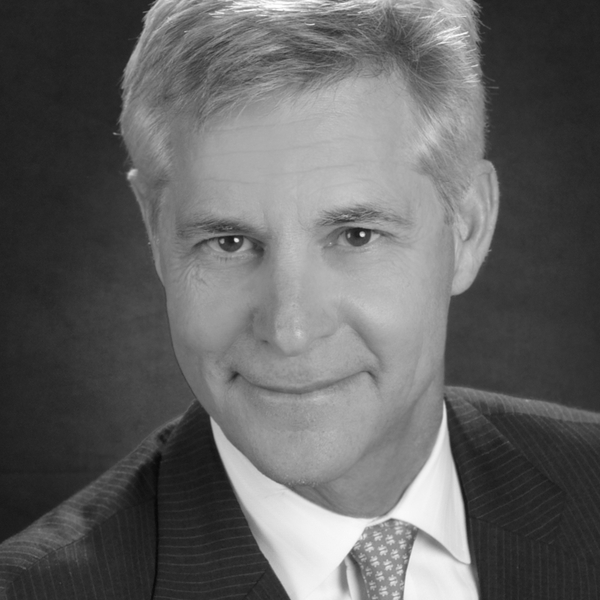
Blain Heckaman
As an avid boater in South Florida, I have experienced the degradation of the quality of water in our rivers, lakes, bays and the ocean. Without proactive measures to change our current water management policies, Florida risks adversely impacting two key industries, tourism and real estate.
It starts with polluted water in Lake Okeechobee from agricultural runoff, flowing into our rivers, the Everglades, Florida Bay and the ocean. This pollution results in algae blooms, resulting in the loss of sea grass and fish kills. It’s not pretty! In addition, legacy water management of diverting fresh water that previously flowed from Lake Okeechobee to the Everglades has also impacted plants and fish in Florida Bay. The quality of our natural water impacts the experiences for boaters and beach goers and ultimately tourists and those that buy real estate in Florida. Let’s fix it!
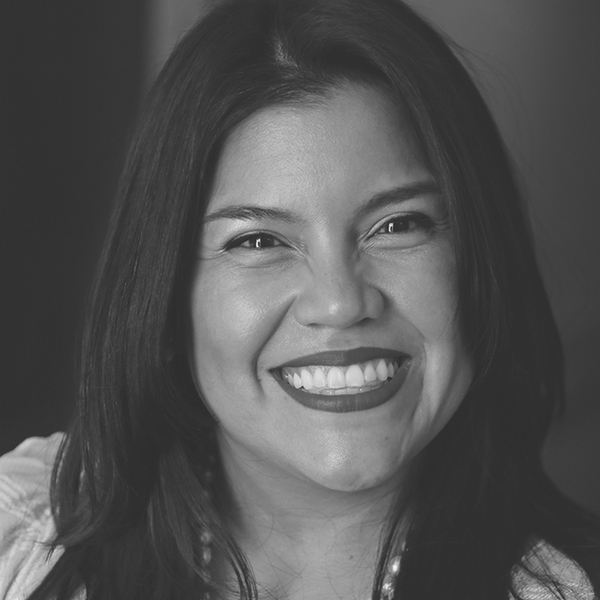
Karla Hernández-Mats
The biggest challenge facing Florida in 2020 is the disinvestment in our children’s future.
For the past two decades, our state legislature has industrialized education on the backs of our teachers, students and communities through the absurd growth of privately managed charter schools and voucher programs, taking our public tax dollars and placing them in the hands of unaccountable private industries. The problem is further compounded by an obsessive focus on testing, oppressed teacher salaries, and the lack of proper resources and programs needed to sustain healthy and productive educational institutions in our communities. Despite being the third most populous state and the fourth largest economy in the U.S., Florida ranks 46th in public education funding. If we want to continue prospering, it is imperative that we invest in our future workforce and their education.
Alex Jimenez-Ness
Education ... if we, as leaders, want Florida to become to grow we must do anything within our power to support public schooling.
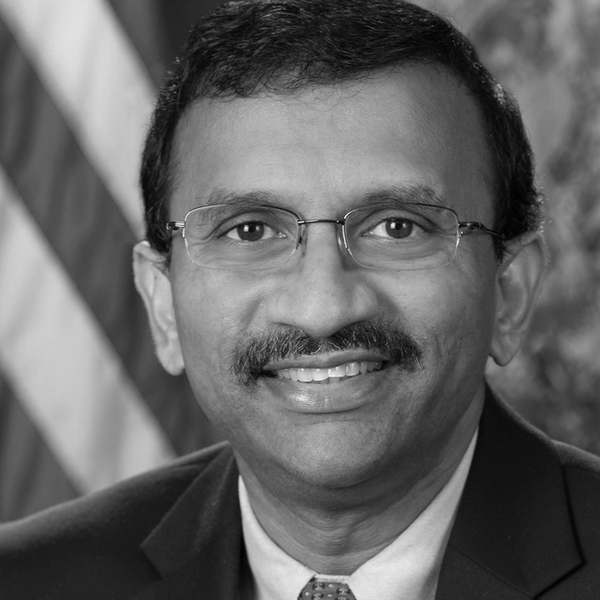
Ram Kancharla
We live in a state that will either be marred by rapid growth, or revived and enriched. The difference will be in how Florida prepares for millions of new Floridians arriving in the next decade.
Will we respond with incremental improvements that address challenges in transportation, public infrastructure, education and affordable housing? As our work force ages and evolves, our sea level rises, and potable water becomes more scarce, will we choose to tweak current governmental systems here and there, investing billions of dollars to help maintain and enhance our quality of life? Or will we look for better, smarter solutions, applying technological innovation (such as AI) in more aspects of our work and government programs to create sustainable systems, reduce infrastructure costs, and serve more people in the same footprint with less investment?
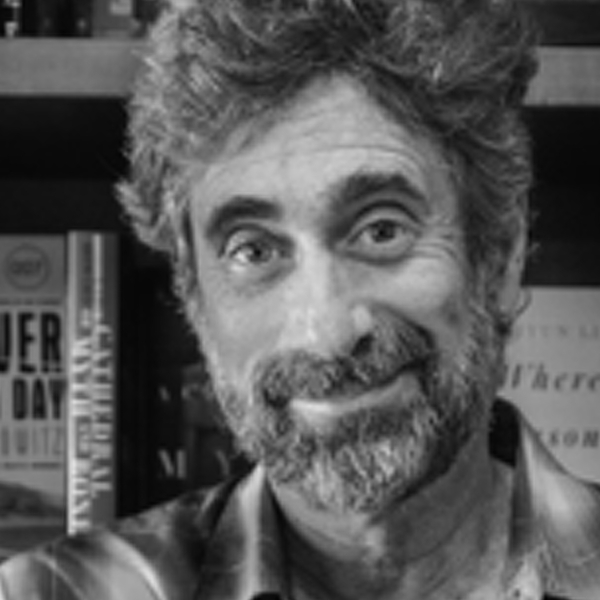
Mitchell Kaplan
We are only as strong as the weakest among us.
Income disparity is, at root, the foundation of what are the biggest challenges we face. Because there are so many in need, issues of healthcare, public education, affordable housing, minimum wage, equitable taxation, climate change, and prison and election reform must be addressed.
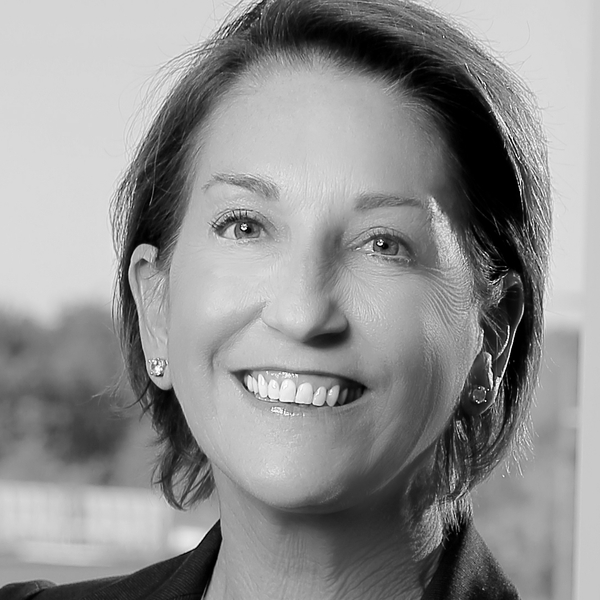
Laura Kelley
Florida’s biggest challenge is responsibly responding to the rapid growth of our state.
By 2045, approximately 4.4 million more people will call Florida home. By the time my grandchildren are adults, it is estimated that up to 7 million acres will be developed to provide for our growing population. Since over half of Florida’s land is privately owned, growth does not have to come at the expense of our natural resources. We have an incredible opportunity to work with landowners and other stakeholders to expand our conservation land and connect communities through sustainable infrastructure projects. The Wekiva Parkway is a perfect example — a toll road project that put thousands of acres into conservation. Expanding and protecting Florida’s natural resources while providing modern, affordable and convenient choices for transportation are critical to our state’s future.
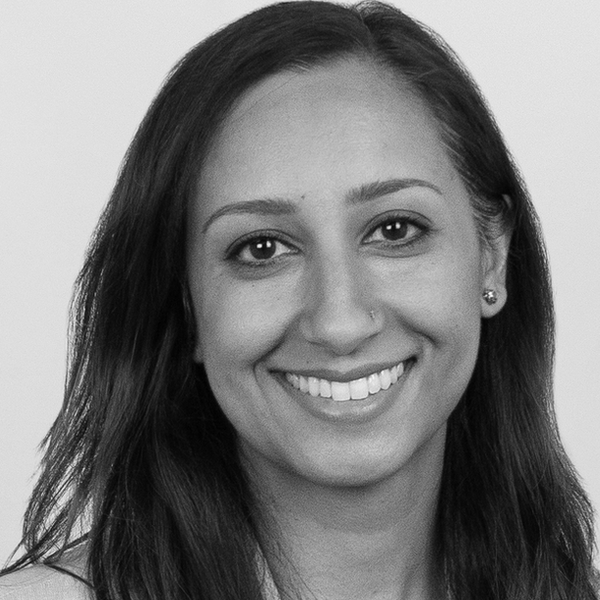
Sadaf Knight
Rising inequality is the biggest challenge facing Florida today and, if left unchecked, for generations to come.
One significant cause is our upside-down tax structure: The wealthiest people are contributing the least to state and local taxes as a share of household income. The system is fueled by Florida’s heavy reliance on sales and use taxes as a source of revenue and loopholes that enable corporations to avoid paying their share. Florida’s regressive tax system, coupled with lawmakers’ failure to make up for deep cuts to public services following the Great Recession, will exacerbate inequality. However, we can take steps to remove barriers to economic mobility. By fixing the tax code and making meaningful investments in things like affordable healthcare, K-12 education and the environment, Florida lawmakers can help families thrive and nurture equitable economic growth in our state.
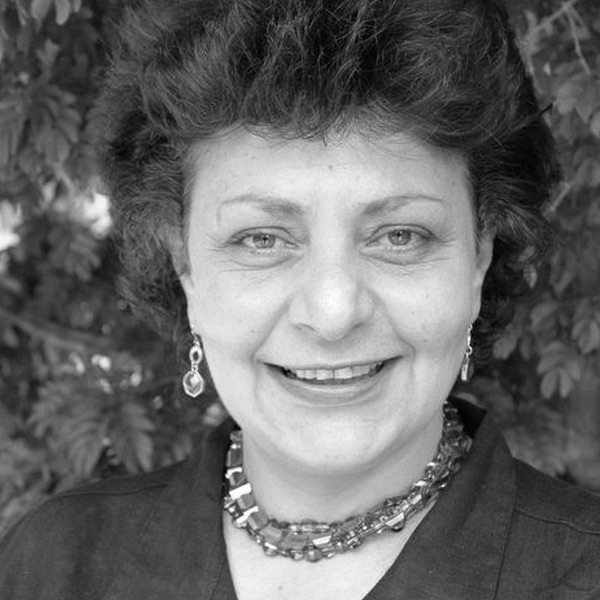
Caroline Lewis
A. Climate change, climate disruptions, and climate justice
B. Affordability, quality of life, and the growing percentage of poor and working poor/ALICE ( asset limited, income constrained, employed)

Joanne Li
One of the biggest challenges facing our state is understanding how to continue to support public universities such as FIU in urban cities so that the state can continue to strategically develop and retain talent, responding to the demand of the workforce and the community.
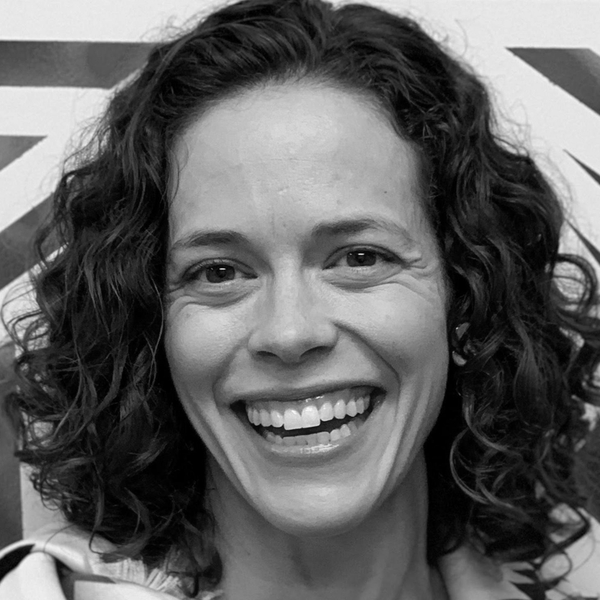
Annie Lord
Florida needs to address housing affordability now, not only because we are in a housing crisis, but also because we have a lot of what we need in place. According to UF’s Shimberg Center for Housing Studies, between 2000 and 2019, half a million more households paid more than they could afford for their rent.
Meanwhile, over 1 million homeowners who earn less than $95,000 per year pay over 30% of their income on their mortgage, which means they are "housing cost-burdened." In Miami-Dade alone, 48% of all households are cost-burdened. The unexaggerated meaning of this is that a huge number of our families are choosing between food and a roof over their heads. Florida already has a dedicated funding source that raises about $300 million for affordable housing every year. The legislature needs to commit all of those funds to their intended purpose and tackle this enormous problem.

David Martin
The state needs a comprehensive plan for meeting the infrastructure and resiliency needs of one of the country’s fastest growing populations.
The state needs to look for creative ways to finance the adaptation and mitigation design solutions necessary that can make Florida a leader and example on how to combat climate change. Look for decentralized energy and water resiliency measures that will require changes in current regulations.
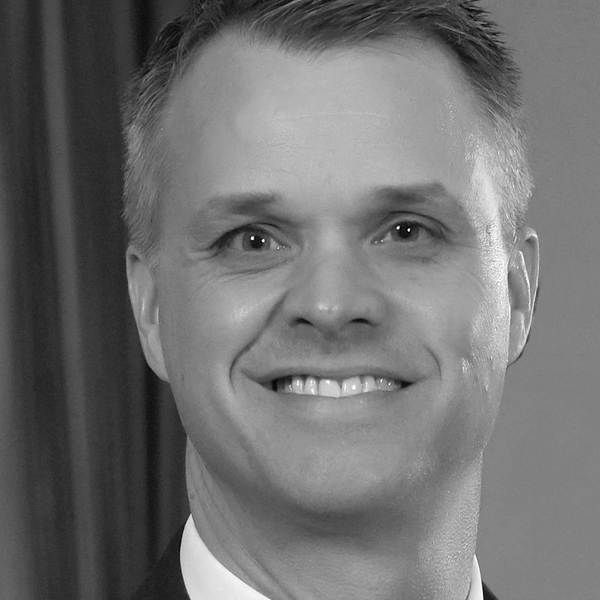
Bob McClure
Managing growth will be the most important issue facing Florida.
Education, transportation, water use, the environment, job creation, healthcare, the regulatory environment, the minimum wage debate — name the issues, and the decisions we make as a state about growth will affect them. Add to this the fact that Florida, because of its growth and dynamism, is the nexus for public policy in other states, even Washington, D.C. Therefore, we have the added responsibility of getting things right here. The rest of the country is watching and will follow our lead. The answers, however, to these great questions do not necessarily reside in Tallahassee or Washington, but rather in our communities, standing shoulder to shoulder working together for solutions.
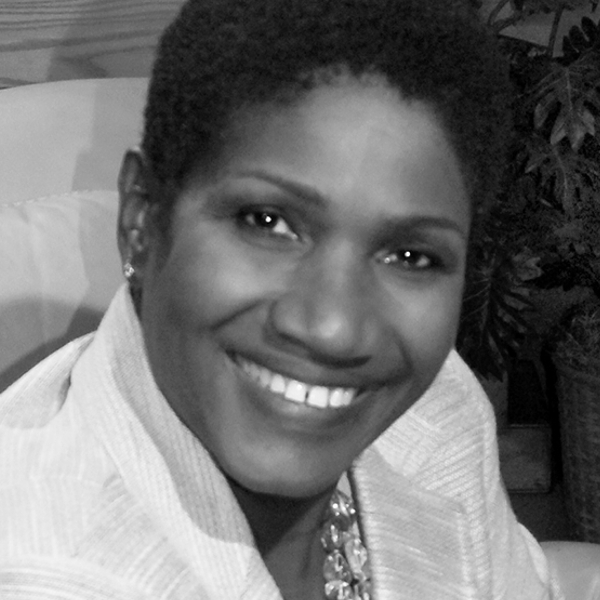
Gepsie Metellus
The absence of leadership on key issues such as: public education funding and investments in early learning; measures to mitigate the impacts of our changing climate/rising seas; smart growth policies consistent with our topography; investing in a multi-modal transportation system; prioritizing affordable housing; helping vulnerable residents; caring for seniors; increasing the minimum wage; preparing our workforce for state/national/global disruptions; identifying/dismantling the structural/systemic barriers to equity, opportunity and prosperity for women/residents of color; designing/financing a health care model that works for our state; integration of our state's growing immigrant populations; and the silence on the decennial census. Addressing these issues requires that our leaders make unpopular decisions and think more about the future of our state rather than the next election.

Raul Moas
Economic diversification and workforce development.
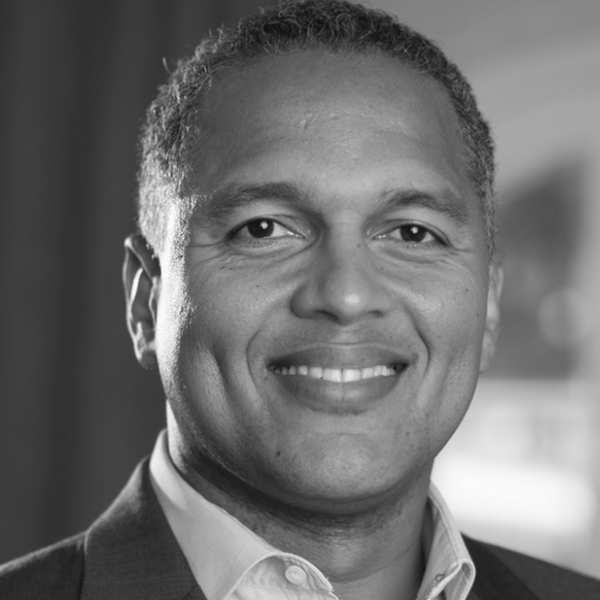
Eddy Moratin
The great challenge to our state is the lack of a proper strategy for driving healthy and inclusive growth across the state’s many diverse communities, regardless of income levels.
The ideas of broad-based prosperity and upward mobility are entirely possible. Our government and economic systems are fully capable of delivering such a promise for our citizens. Florida is a state of quintessential connection to the American Dream in the imagination of most people. And though many are experiencing some version of this promise it is also true that the American Dream is broken for so many more. Our inability to provide more of the kinds of jobs that create upward financial mobility for families across income levels, our lack of affordable housing built with high standards of quality and integration to healthy community institutions are undermining our potential as a great state.

Joe Natoli
There are many challenges: healthcare, transportation, child readiness and education, affordability, housing, environment and, given our location, rising sea level, specifically.
It’s hard to pick just one. Florida’s long coastline makes rising sea level a particularly expensive challenge. We all deserve access to affordable, quality healthcare. Hospital emergency rooms as care sites of last resort are not the answer. Technology can be part of the answer.
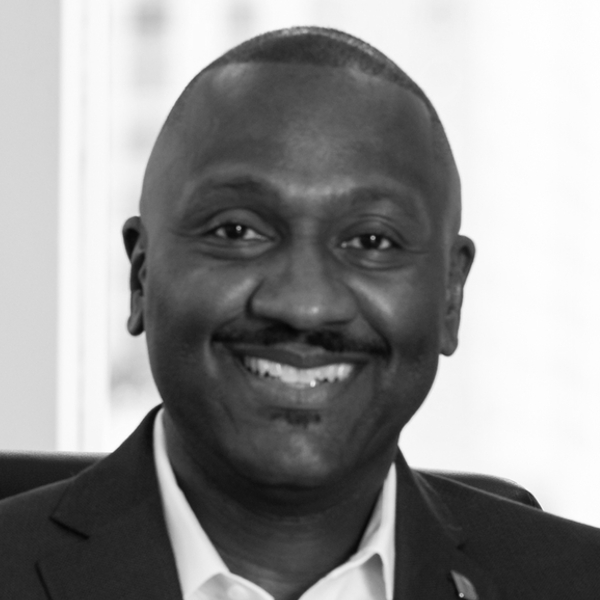
Gale Nelson
Blacks are overrepresented in Florida's prisons and jails. While comprising only 16% of the State population, but 46% of the prison/jail population. This overrepresentation harms families and the next generation.
Florida ranks 14th in the United States in terms of incarceration rate (0.833% compared to a national incarceration rate of 0.698%). We have an incredible opportunity to break the cycle of delinquency and poverty by engaging in more effective prevention practices such as mentoring and second chance employment. Investment in workplace mentoring for our youth, and engaging Law Enforcement personnel as mentors, can prevent future delinquency. Second Chance employment allows companies to tap into a pool of dedicated and eager candidates who have paid their debt to society and want a future of employment not an ongoing indictment of the past.
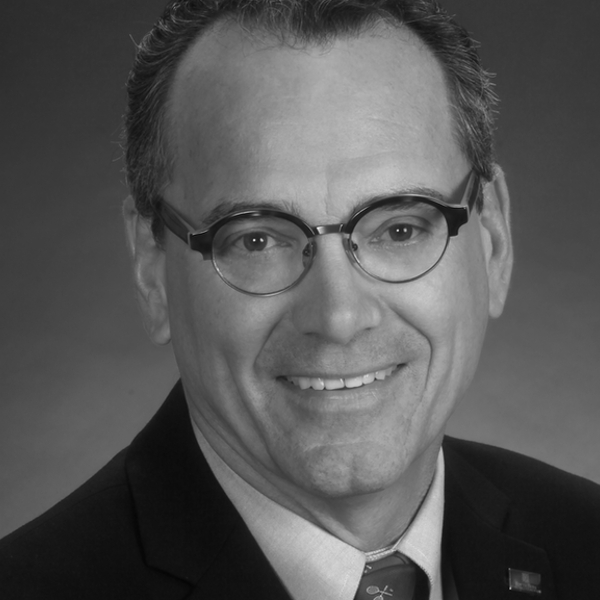
David Odahowski
"Good fortune is what happens when opportunity meets with planning,” said Thomas Edison, the 20th century inventor and Florida snowbird.
Florida’s biggest challenge is heeding Edison’s advice to continue the good fortune of the Sunshine State into the 21st century. Led by the Florida Chamber Foundation, conducting 83 town hall meetings, engaging over 10,000 Floridians, from all 67 counties, the blueprint for Florida’s future, called Florida 2030, is ready. The real challenge is to make the plan actionable. We need our residents to open every business meeting, every government proceeding and every nonprofit conference with the Florida 2030 Plan and its measurement tool call The Florida Scorecard. Blueprints are just dreaming without action.
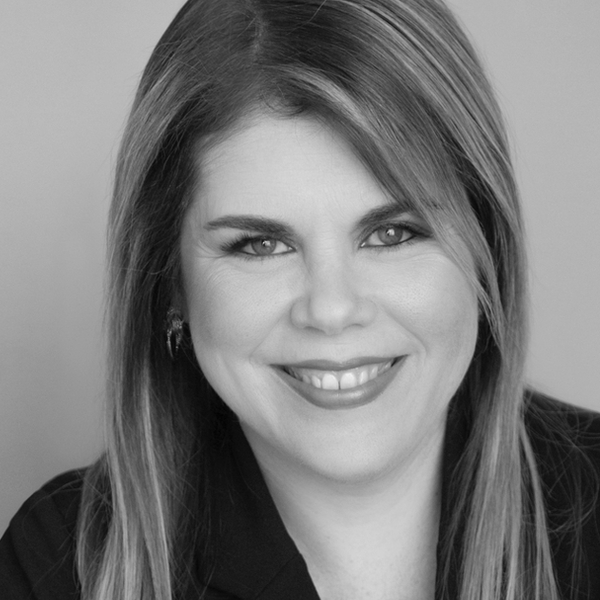
Irene Oria
Our most immediate challenge is preparing Florida for secure elections in 2020.
Florida will be a critical state in the 2020 elections. Florida election officials and election security experts should already be assessing potential problem areas and preparing to address them to ensure the integrity and security of the upcoming elections.
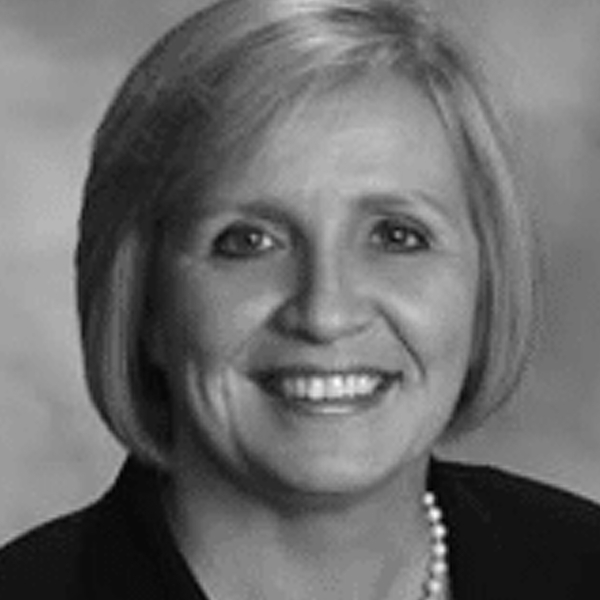
Kamela Patton
We are fortunate in Florida to have a diverse student population with a rich fabric woven of different languages, ethnicities, and economic backgrounds.
A challenge facing our state is ensuring we have equity in our schools by increasing opportunities and decreasing barriers to address our unique landscape. Florida must work to increase funding per student to be competitive with other states, as we are consistently among the lowest in the nation. We must prioritize teacher recruitment, compensation, and professional learning to ensure we have the best professionals in every classroom. Providing children with equitable opportunities from early learning to college, career, and life readiness is our moral imperative. We will only solve other important challenges in our state by prioritizing education funding to ensure that our children can compete nationally and internationally.
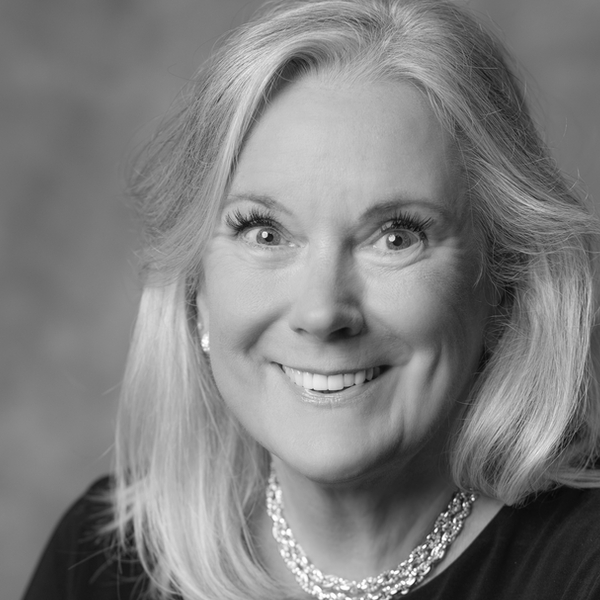
Martha Saunders
The biggest problem facing Florida today appears to be our inability to plan for the long haul.
We already know our major problems: the environment, education, healthcare, housing, transportation, and the economy. These issues didn’t arise overnight and the solutions are not the work of a day. It is time to look beyond the next election cycle, make some plans, and stick to them. That requires patience and persistence, but it doesn’t have to take forever. It does, however, require staying with a plan long enough for it to work and setting measurable goals. It requires leadership in Tallahassee and collaboration with the federal government. It requires relationship building around the Common Good. It requires effective communication up, down, and sideways. We have a new governor with the potential to keep us focused for eight years. Hold the vision. Press on!

Leah Shepherd
Florida ranks last among states in per-person spending for mental health services, and has no single agency tasked with the responsibility of ensuring accessible and comprehensive mental health services to 21 million + residents. Yet Florida spends nearly $1 billion annually to fund prisons for housing mentally ill inmates.
Neither hospitals nor the state prison system have the training and resources needed to manage psychiatric emergencies or treatment of those in need of mental health services. There are 125,000 people with mental illness incarcerated in Florida jails and prisons annually, and 44% of mentally ill inmates are back behind bars within three months. Reactionary costs are not sustainable — from emergency rooms, to homeless shelters, to law enforcement response efforts. Reform is no longer a choice. An ounce of prevention is worth a pound of cure.

Judith Siegal
I believe that the threats to our environment including climate change/sea level rise/hurricanes/pollution are our state’s biggest challenges.
Because we are surrounded by water, the toxic algae blooms, polluted water and threats to our ecosystem are serious issues that we must address proactively. These are issues that affect our economy, our health and ultimately the lifestyle of South Floridians. My Jewish faith teaches that human beings are stewards of the earth and must take that role very seriously. We must be the ancestors to future generations that will look back and ask what we did to help save our precious planet and more locally, our wonderful and beautiful state of Florida, with its glorious beaches, the Keys and the Everglades. We can and must face these challenges with ingenuity, resolve and strength.

Steven Sonenreich
Infrastructure to support enormous population growth and resiliency.

David Swanson
The biggest challenge facing our state continues to be affordable housing compounded by a low-wage economy largely focused on tourism.
When the bulk of your economy is driven by getting people to come visit your warm weather, beaches and theme parks, you wind up with an infrastructure full of low-paying jobs. Someone has to clean all those hotel rooms and cook all those meals. In addition, we continue to give huge tax breaks to entertainment-driven companies so that they can then create more low-wage jobs. It’s madness! If we are not also forcing those companies to consider where their low-wage employees are going to live, then we are simply feeding a monster of our own creation and the problem never abates. It’s time to diversify the economy, force companies that have low-wage work forces to build employee housing, and stop giving them tax breaks which perpetuate the problem.

Hansel Tookes
Our failure to control the HIV epidemic in Miami in particular and Florida in general is due to systemic inefficiencies and entrenched stigma and remains one of our biggest challenges.
We are so far away from achieving our 90-90-90 goals because HIV has not been prioritized by our leaders due to the socio-demographics of affected communities and a reluctance or unwillingness to help them. We need to acknowledge decades of social injustice and wrongdoing to affected communities, and finally invest in an end to the epidemic.

Steve Weinstein
I believe climate change and resulting sea level rise is without a doubt the biggest challenge facing the state of Florida. Environmental issues affect our economy, including tourism and the real estate market, and of course our physical well-being. As a father of twin boys, I believe it is our duty to make positive environmental change not just for us, but for future Floridians. The state needs to take strategic measures to identify innovative technological improvements to help implement systematic and positive change. Sea level rise is real - we cannot ignore it. While I don’t have all the answers, what I do know is that each of us is part of the solution. Every effort, no matter how small, is meaningful. As managing partner of a Miami law firm, I have taken steps to help our office become more green, implementing simple but effective changes (such as eliminating plastic water bottles and using recycled and biodegradable products whenever possible). We are all part of the solution, but we cannot do it alone.
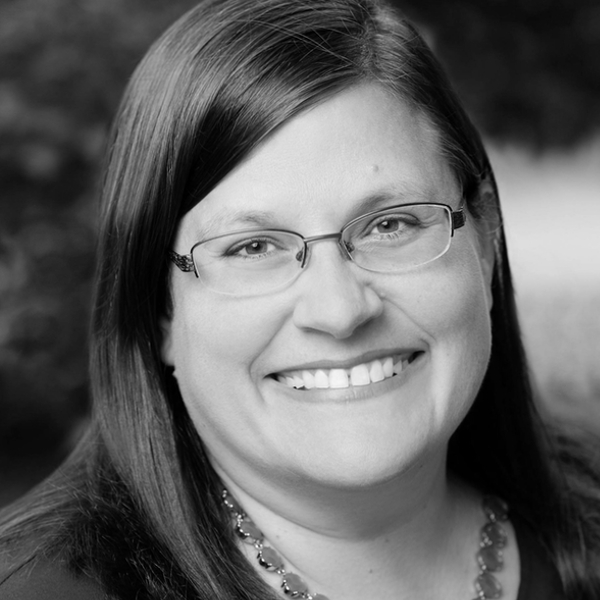
Julie Wraithmell
The biggest challenges facing our state are those related to our environment.
Our economy, tax base, quality of life, and human health depend upon clean water and air, green space and wildlife, and moderating the worst effects of climate change. Since 1980, our population has more than doubled, and our tourist visitation has grown five-fold. The choices we make as individuals are affecting the public trust resources upon which we all depend. We need leadership that will acknowledge our environment is the foundation of our economy, and government has a critical role in environmental protection, land use regulation, and climate resilience and mitigation.
This story was originally published January 17, 2020 at 3:05 PM with the headline "These statewide leaders will explore the crucial issues facing Florida in 2020."