Florida House District 73 candidates Rep. Tommy Gregory and David Fairey clash in debate
Local Florida House candidates clashed over the state’s COVID-19 response, voting rights, systemic racism and other issues in a debate hosted by the Manatee Tiger Bay Club.
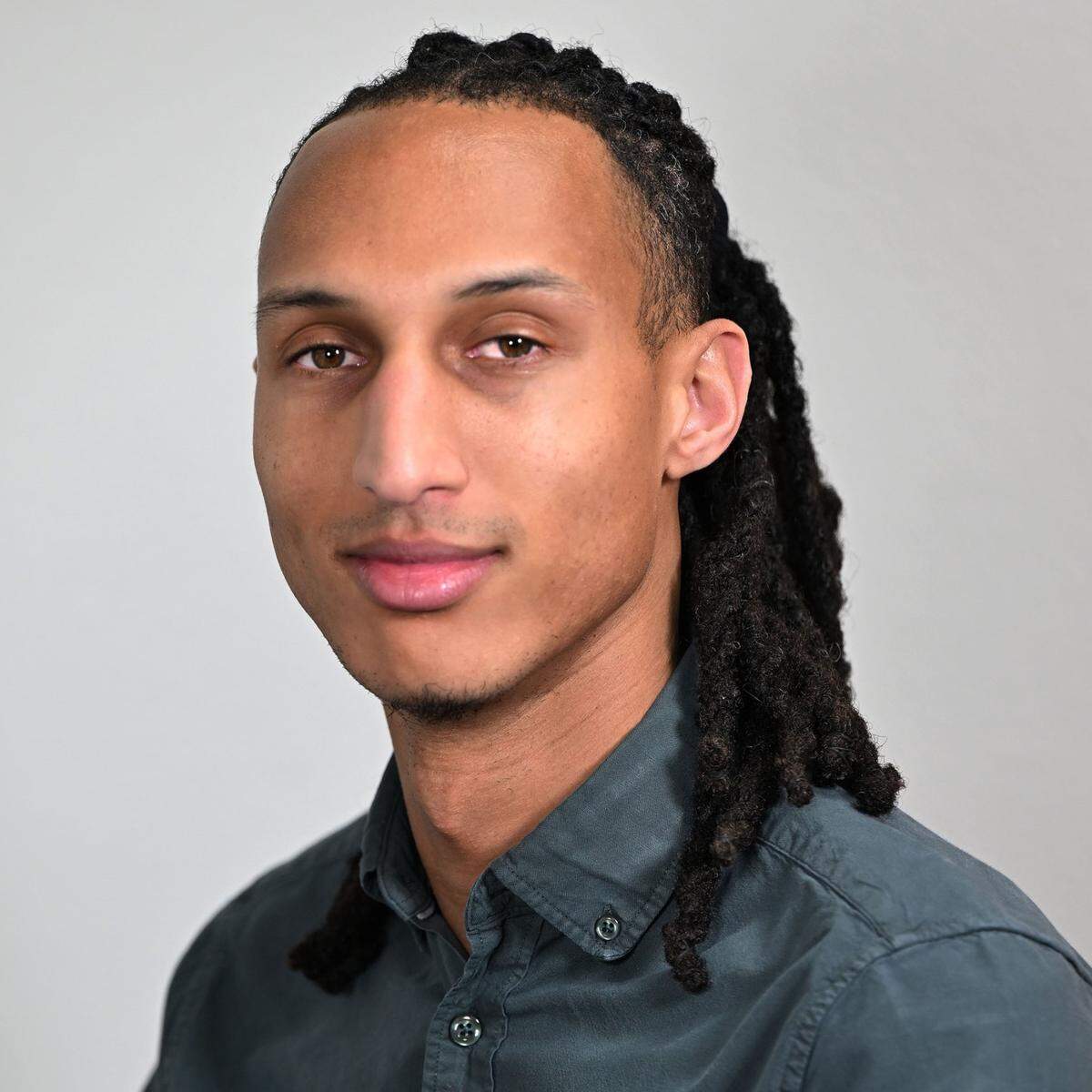
State Rep. Tommy Gregory, R-Sarasota, is challenged by David Fairey, a Democrat from Lakewood Ranch. Both are running for the District 73 seat that represents parts of East Manatee, Lakewood Ranch and Sarasota in the Florida House of Representatives.
In a Friday morning debate moderated by Tiger Bay President Xtavia Bailey, both candidates highlighted several ideological differences in an attempt to win voters. Fairey kicked off the debate stating that Florida’s system is “broken,” prompting Gregory to respond, calling the criticism as “dangerous and irresponsible.”
“We always need lawmakers with financial expertise but given the challenges we’re facing right now, it’s imperative to elect people like me who are prudential, financial and economic experts,” said Fairey, who works as CFO at a tech company in Sarasota. “I’m running to save lives and fix what’s broken so that all people can truly be free.”
“It’s not an easy job in good times, and these certainly aren’t good times — we can agree on that. Florida is a great place to live and work precisely because we have had strong, principled Republican leadership in the House, the Senate and the Governor’s Mansion,” Gregory responded, touting Florida’s balanced budget, funding for affordable housing and improvements to public education
But as thousands in Manatee struggle with unemployment, Fairey said he believes former Gov. Rick Scott, who now serves in the U.S. Senate, designed the state’s current unemployment system at the Department of Economic Opportunity to fail.
“It’s a broken, chaotic system that was not designed to work well,” Fairey argued.
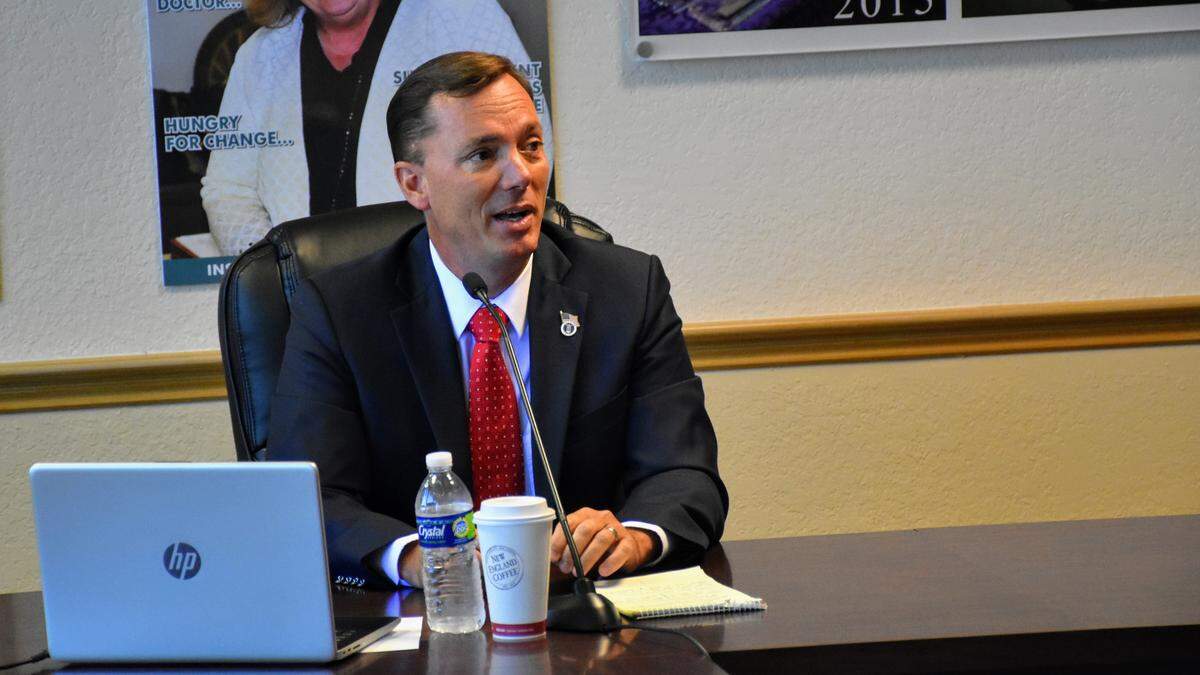
“I think my opponent’s comments are dangerous and irresponsible,” Gregory said. “To say that a sitting senator, a former governor —the allegation that he would knowingly or unintentionally design a system to frustrate claims or the unemployed in a vulnerable position are dangerous, irresponsible and false.”
Bailey also pressed candidates for their thoughts on criminal justice reform, citing the death of Trayvon Martin, who was shot and killed by George Zimmerman in 2012. The question came after days of protest in Minneapolis in response to the death of George Floyd, another unarmed black man who died after a white police officer knelt on his neck.
Gregory, a 20-year Air Force veteran, acknowledged that there will always be “a certain number of people who are going to do horrendous things.” When that happens, he says he has faith in the country’s justice system, which is meant to hold everyone accountable. A system that would let a guilty man walk free is better than one that sends an innocent man to prison, Gregory said.
“It’s the fairest system in the world. It’s designed that way. It works very well. I certainly agree that training for law enforcement is a great idea,” Gregory said. “We also have to train ourselves as citizens to remind ourselves of the importance of rule of law and to maintain those relationships between all communities, regardless of their color, their race, their national origin — anything.”
“All people need to maintain peaceful, cooperative, friendly relationships with law enforcement if we’re to maintain a civil society,” he added.
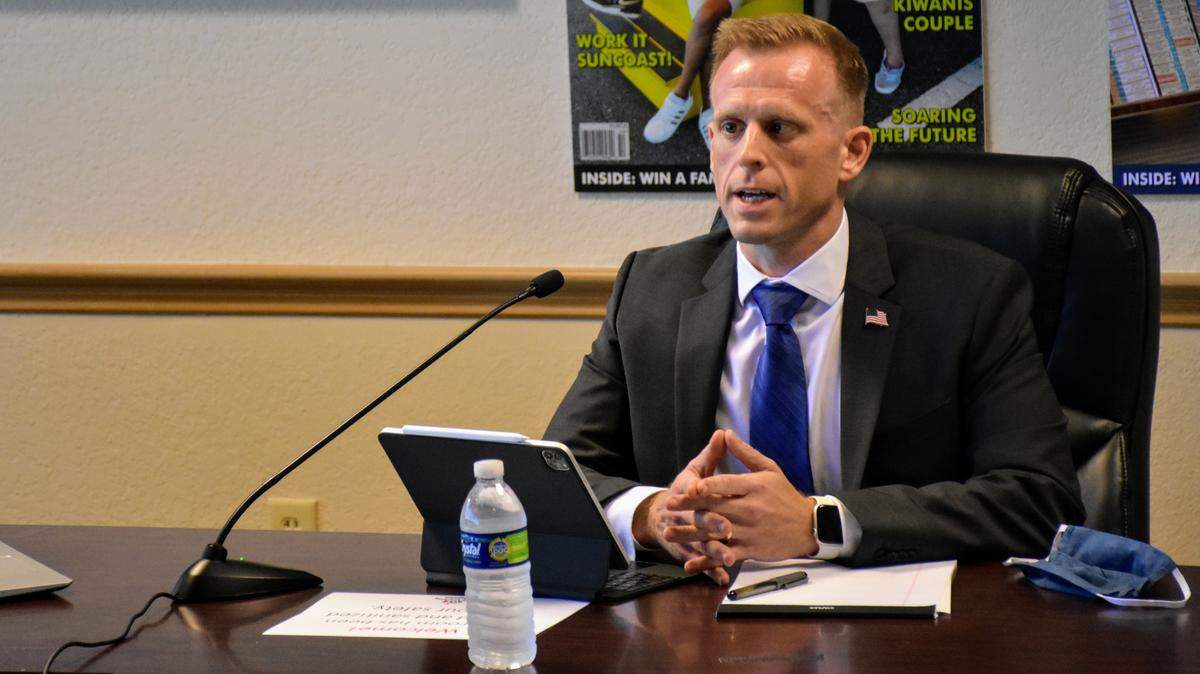
Fairey disagreed. If elected, he said, he would fight to acknowledge institutional racism.
“When I say racism exists, I think there are two responses to that. On one side, white individuals I talk to think that racism is an intentional act that you direct at someone,” said Fairey, who is also white. “There’s a failure to recognize what most African-Americans and people of color recognize, is that it is a systemic issue. It isn’t necessarily individual directed acts, but it is the implied bias of a system that was set up long and has had improvements but is still far, far from perfect.”
“Recognizing that and admitting we have a problem and training law enforcement with bias sensitivity to that is a place to start,” he continued.
Gregory and Fairey also clashed over the Florida Legislature’s approach to the Amendment 4 law, which would allow ex-felons to vote. By requiring those voters to pay back restitution, court fees and other fines first, Fairey argued that implementation was unconstitutional.
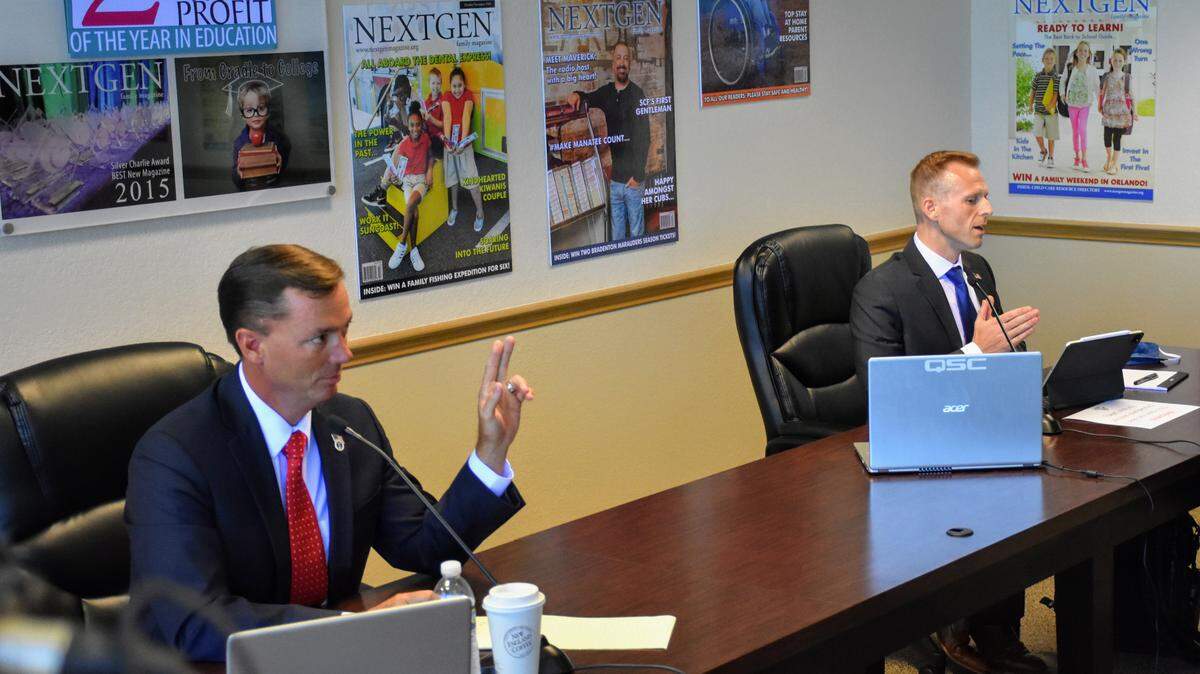
“The law simply implemented the constitutional amendment as passed. If it’s unconstitutional, then the entire amendment is unconstitutional,” Gregory said.
Candidates agreed that the COVID-19 pandemic has shown that Manatee’s workforce should be diversified to prevent major losses in the event of an emergency.
“Absolutely we have to make sure our economy stays diversified,” Gregory noted. “The area to focus on, besides maintaining what we already have — agriculture, tourism, visitors — besides maintaining those, we need to build manufacturing. The reason we need to create an environment for manufacturers is because they far and away provide higher incomes and opportunities for advancement in the workplace.”
“We should be incentivizing our technology sector, especially those that serve our state overall and can solve the climate crisis we’re facing. these are the highest paying jobs and they should be incentivized,” said Fairey.
Gregory, who was first elected in 2018, will face Fairey in the General Election on Nov. 3.
This story was originally published May 29, 2020 at 3:41 PM.