Rubio seeks answers from SBA on PPP forgiveness after Herald series on unforgiven loans
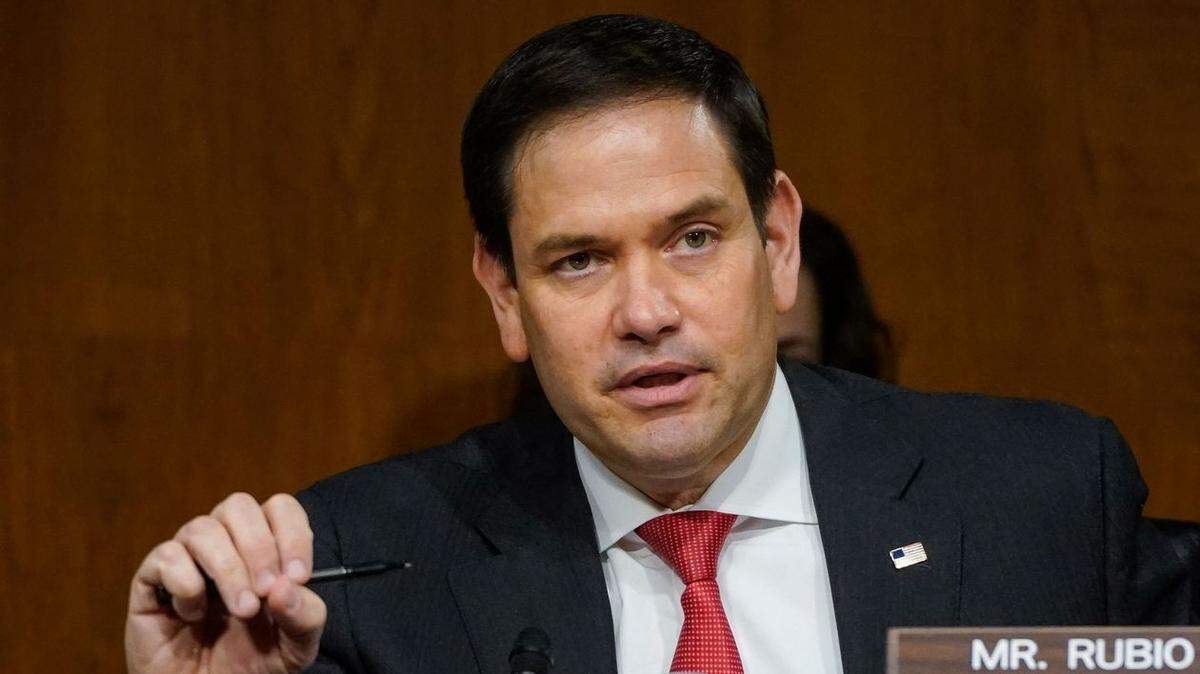
Following a series of stories by the Miami Herald addressing the backlog of unforgiven Paycheck Protection Program loans and the disproportionate impact of this backlog on minority communities, Florida Sen. Marco Rubio has called on the director of the U.S. Small Business Administration to speed up the forgiveness process and disclose how the agency is working with minority and low-income communities to ensure eligible PPP loans are forgiven.
“These delays have left deserving small business owners under a cloud of ambiguity or saddled with looming debt payments that they simply cannot afford,” Rubio, a Republican and one of the architects of the PPP program, wrote in the letter to Isabella Guzman, the administrator of the SBA. “This is unacceptable. I call on your agency to do its job and ensure that every PPP loan recipient that is eligible and wishes to apply for loan forgiveness receives it without delay.”
The program, created as part of the 2020 COVID-19 relief CARES ACT, provided loans for small businesses. The loans didn’t need to be paid back if used for approved purposes, such as payroll. The program was administered by the SBA, which tasked individual lenders with vetting prospective borrowers, disbursing the cash and approving applications for loan forgiveness.
The Herald’s analysis of the most recently available data from the SBA found that majority Black ZIP codes had three times higher percentages of not-yet-forgiven loans than majority white ZIP codes. Majority Hispanic ZIP codes had more than double the percentage of unforgiven loans compared to majority white ZIP codes.
The Herald analyzed the forgiveness rate for ZIP codes, rather than by individual business, because roughly 70% of loans in the SBA data did not include information about the race or ethnicity of the business owner. The Herald analyzed loans issued in 2020, which are all past the grace period during which the loan was not required to be repaid. Loans do not need to be repaid while a forgiveness application is under review.
In South Florida, Miami-Dade, Broward and Palm Beach counties all had forgiveness rates below the national forgiveness rate of 93%.
The Herald found that that most unforgiven loans in majority Black and majority Hispanic ZIP codes had been approved by online lenders, with some minority-owned businesses saying they were turned away from traditional banks when seeking PPP loans. The Herald previously found that online lender Kabbage, one of the biggest lenders in the program, had the lowest forgiveness rate of any major lender in the program, with only 54% of its 2020 loans forgiven as of early January.
Rubio asked Guzman to outline by next week how the SBA plans to eliminate the backlog of unforgiven loans, when it expects to finish working through the backlog and what steps the SBA is taking to help borrowers in minority and low-income areas, who have loans below $50,000 or who got loans through lenders, such as Kabbage, which are under investigation because of their PPP lending practices.
The SBA did not immediately respond to a request for comment. It previously said that it could not comment on the Herald’s findings.
This story was originally published March 24, 2022 at 2:11 PM with the headline "Rubio seeks answers from SBA on PPP forgiveness after Herald series on unforgiven loans."