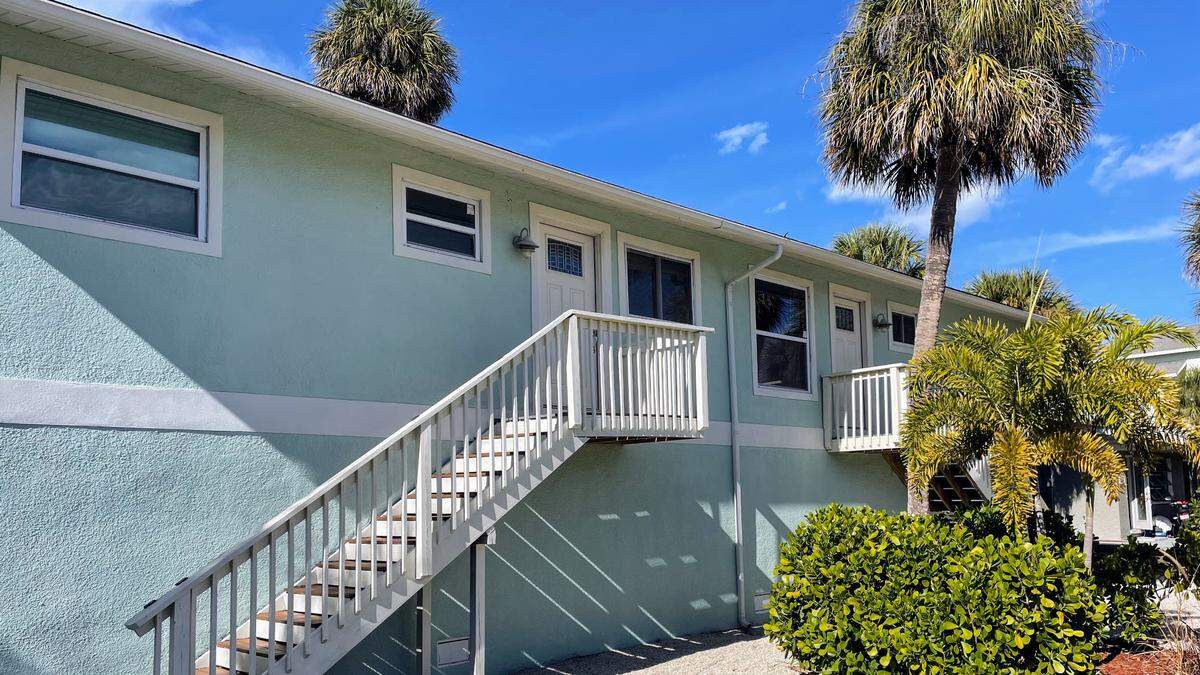
How does Anna Maria Island regulate vacation rentals like Airbnb? Here’s a look.
The city of Bradenton may become the latest Manatee County government to regulate short-term rental properties, following an example set by Anna Maria Island leaders several years ago.
Pointing to the increasing popularity of vacation rentals and the complaints they elicit from neighbors, Bradenton officials have come up with a program to regulate rentals in city limits. If approved, it would allow the city to keep track of where rentals exist and contact the owner if any issues arise.
The city of Anna Maria became the first to implement regulations in 2015, with the city of Holmes Beach following suit in 2016. Similar to Bradenton’s proposal, both programs include inspections, occupancy limits and requirements to share certain useful information for renters.
“What we saw were a lot of places overbooking. For example, we had had two units on the same property with eight bedrooms each,” said Holmes Beach Police Chief William Tokajer. “That’s not a duplex. That’s a mini-hotel with tremendous noise.”
State law prevents local municipalities from banning short-term rentals entirely or controlling the duration of a stay, but local leaders are allowed to provide certain oversight.
Holmes Beach’s vacation rental regulations cap occupancy at two guests per bedroom, with a maximum of six overnight guests per unit. That policy alone has greatly reduced noise complaints, according to the police department.
“It gives our citizens relief,” said Tokajer said.
Bradenton seeks neighborhood balance
Relief for residents is what Bradenton is aiming to accomplish as well, according to a public discussion city leaders held last week. Over the past year, city officials say they’ve heard from neighbors who want restrictions on nearby rentals that are used for large gatherings or parties.
“I think it’s important that we find a good balance, because I think it’s important that we protect neighborhoods, and I think it’s important that we make sure we’re not being too onerous on the Airbnb hosts,” Councilwoman Marianne Barnebey said. “That being said, you are operating a business in a residential neighborhood. Sometimes when you operate a business, you have to go a step further than a regular house or a rental.”
Bradenton’s proposal pulls some requirements used by Anna Maria Island. Rental operators would be required to register with the city, have their property inspected every year, and provide contact information for a property manager that will respond to the house to handle complaints.
“People are moving business into residential neighborhoods. We have the right to inspect that. We have the right to look at that,” said Councilman Patrick Roff, who suggested that the lack of regulation would invite short-term rentals to dominate the community.
“I think there’s a bigger picture here of what’s good for our city,” he added. “I want a family-friendly community where you know who your neighbor is.”
City leaders are still working to refine the program before they vote on it. After reviewing the ordinance, the board agreed to remove “onerous” suggestions, such as the requirement that each rental property provides a landline telephone, detailed sketches as part of the application process and a ledger that includes contact information for every guest over the past two years.
“Initially, I felt like we were overreaching and we needed to tweak this,” said Councilwoman Pamela Coachman. “I think we’re on the right track.”
Even with the tweaks, not everyone is a fan of Bradenton’s proposal. Short-term rental hosts argue that the program is too broad and predict that it will only end up hampering the operators who already incorporate best practices.
“Do these rules apply to ever regular households in Bradenton? This seems kind of discriminatory to me,” said Anthony Gallo, who has used Airbnb to rent out his property for three years.
“What’s the real data? As a voter, as a property owner, as a business owner, it’s infuriating that we have an ordinance with zero facts behind and zero idea how it will solve these issues,” added Cornelia Winn, another short-term rental owner, who criticized the board for moving forward with the plan without a detailed analysis.
What makes a short-term rental program successful?
On Anna Maria Island, regulating short-term rental offerings has been a massive success, program supervisors say. That’s thanks in part to a collaboration between code supervisors and rental operators.
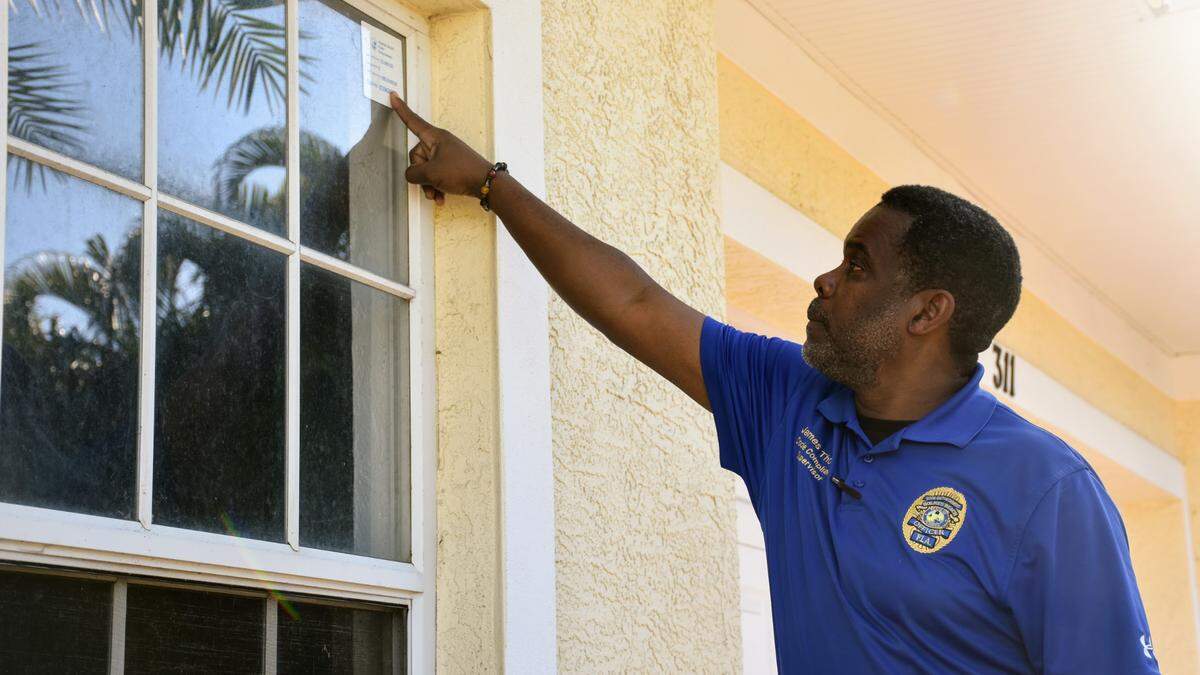
“We had an open forum to help guide the program. That’s what made this work. We actually went to some of our (rental) companies and asked them to help us figure out what we should be looking for,” said James Thomas, Holmes Beach’s Code Compliance supervisor.
A series of workshop meetings at City Hall and out in the community gave Holmes Beach’s code compliance staff an opportunity to build rapport with the hosts and companies that would be affected by the program.
“We weren’t worried. We knew our properties would be in compliance with these rules,” said Jomarie Alicea, the rental manager at A Paradise Vacation Rentals, when asked about her initial reaction to the program in 2016.
In practice, the regulations have been beneficial for rental operators, too. Full inspections every two years give the city and the hosts a chance to review certain aspects of the rental property that might not be inspected on a regular basis, such as smoke detectors and water heaters.
“It’s a reminder to make sure everything is in place,” Alicea explained.
In Holmes Beach, the short-term rental regulations are paired with education and outreach. Code compliance staff provide brochures, fliers and decals highlighting key city rules that visitors might not be aware of, such as the law regarding operating golf carts in the roadway, neighborhood quiet hours and sea turtle season.
“We do everything we can to make sure the hosts and the visitors know what rules they need to follow. We don’t want them to say that I wasn’t told,” Tokajer said.
When will Bradenton decide on regulations?
Bradenton leaders plan to vote on the proposed short-term rental regulations at their next public meeting on Wednesday, Feb. 9. Certain aspects of the proposal could also be modified before the board votes.
Public comment will be accepted during the 8:30 a.m. meeting, which will be held at City Hall, 101 12th St. W.