
Total power grid failure leaves Cuba in darkness amid growing crisis and protests
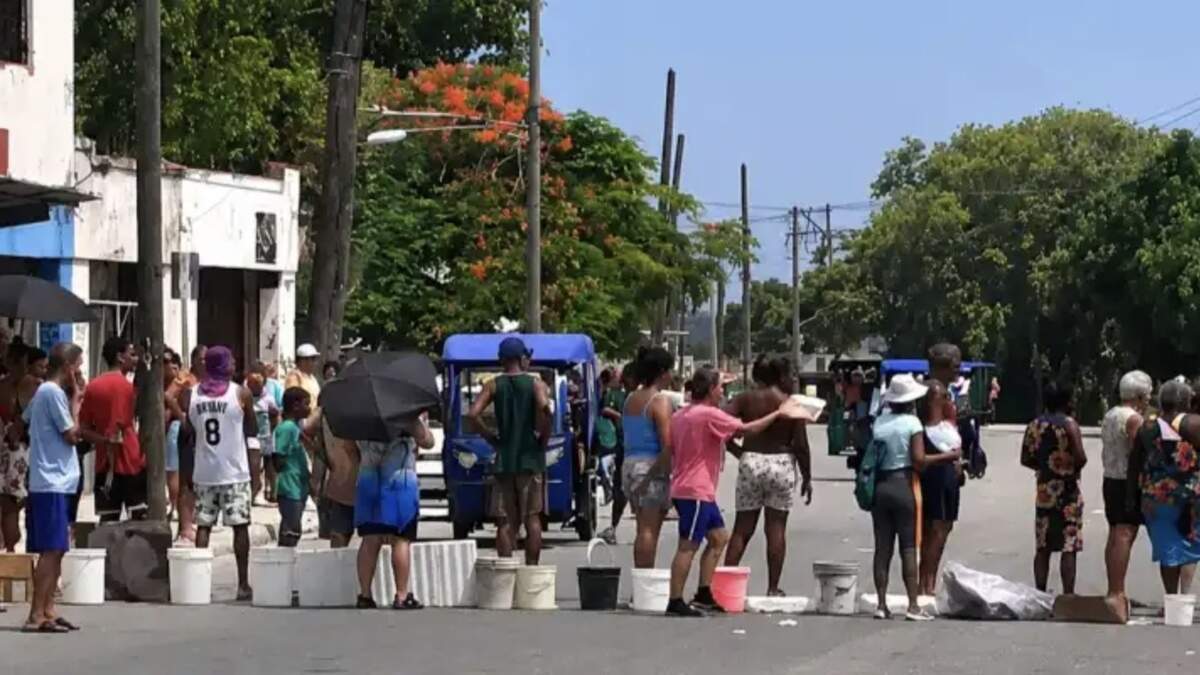
Cuba’s power grid failed again on Monday afternoon, leaving the entire island without electricity, following days of protests over the long blackouts amid the island’s hot summer.
Shortly after noon, the state utilities company Electric Union of Cuba announced a “total disconnection of the national electric power system” and said it was investigating the cause.
About two hours later, the company said one generating unit at a gas plant in Jaruco, east of Havana, was already working,
Cuba’s power grid has collapsed multiple times since 2024, after decades of failure to maintain and modernize the Soviet-era power stations. The old power plants lack the reserve capacity to absorb glitches and breakdowns, which regularly cascade into the collapse of the entire grid or significant portions of it.
As recently as March the whole island went dark twice.
A de facto oil blockade imposed by the Trump administration to push the communist government to negotiate and make reforms has aggravated the situation. Cuba’s leader, Miguel Díaz-Canel, has said the government has not been able to import fuel since January, except for one shipment from Russia. He said the government was speeding up the installation of solar panels, but that’s unlikely to yield immediate relief for a population enduring a severe humanitarian crisis.
The Trump administration has authorized some fuel sales to the private sector, and the Cuban government has begun leasing gas stations to private business owners. But U.S. regulations limit the sales to private enterprises, humanitarian organizations, and other authorized users only. Hospitals, for example, which are all state-run, cannot buy fuel to power their backup generators. Citing Cuban government figures, the United Nations reported that around 100,000 patients are waiting for surgeries on the island due to the electricity cuts and shortages of medical supplies and drugs.
In recent days, the generation deficit has exceeded 2,000 megawatts during peak hours, usually at night, leaving two-thirds of the country without electricity at the same time. Residents in several parts of the island, including the capital, have reported electricity cuts lasting up to 70 hours at a time.
The energy crisis affects all aspects of daily life, because the lack of electricity and fuel affects water distribution, transportation, garbage collection and communications, including cell phone and internet service. Cubans have described on social media how the situation has changed their routine, with some waking up past midnight to cook to take advantage of the few hours of electricity, or at times sleeping on the floor because of the unbearable heat.
“Thirty-four hours straight without electricity or water. My little girls are sleeping on the floor yet again, eaten alive by mosquitoes and biting midges, and without any cold water to drink,” Cuban prominent actor Luis Alberto García said in a Facebook post Sunday. “A piece of advice: Don’t make it so easy not to be a revolutionary.”
Daily protests, a rarity for decades, are now common on the island. During evening blackouts, residents bang pots and pans, take to the streets to protest, or set the trash piling on the streets on fire.
But protests are happening in daylight hours too.
On Sunday, some residents in Mantilla, a neighborhood on the outskirts of Havana, blocked a street with buckets to protest that they had gone several days without running water. Last week, some residents of Regla, another suburb near the capital, took to the streets banging pots, singing the national anthem and yelling, “Enough.” Most of those protesting were women, according to videos published by Cubanet, a Cuban news outlet based in Miami.
This story was originally published July 6, 2026 at 2:58 PM with the headline "Total power grid failure leaves Cuba in darkness amid growing crisis and protests."