‘Robust’ creature — found ‘guarding’ eggs under moss on ‘sky island’ — is new species
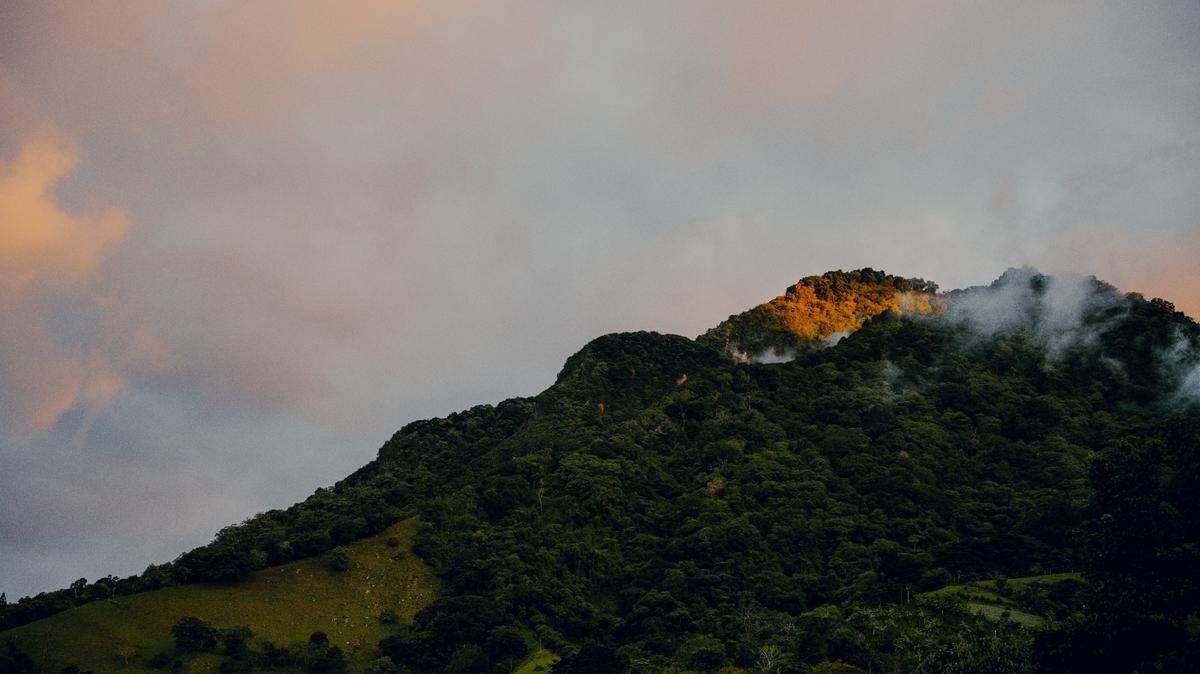
Beneath a layer of moss, a “robust” creature sat atop the summit of a mountain in Costa Rica. That’s when researchers found her guarding a clutch of eggs — and determined she was a new species.
Scientists were exploring the Talamanca Mountain Range in search of salamanders, according to a study published Dec. 24 in the journal Amphibian & Reptile Conservation. Between 2013 and 2016, they collected dozens of specimens, including 19 that could not be identified as an existing species.
Those 19 specimens turned out to be a new species: Bolitoglossa bolanosi, or the Bolaños’ web-footed salamander, researchers said. The species marks the fourth type of salamander known exclusively from the Isthmian Central America’s subalpine rain páramo — a “vulnerable” ecosystem that is especially “isolated” to highlands in the Talamanca mountains.
Experts examined eight males, eight females and three juveniles of the new species.
The salamanders have “larger and robust” bodies measuring between about 1.6 inches and 2 inches in length, according to scientists. They have “broad” hands and feet, and their tails are “long.”
.png "Screenshot (652).png")
Researchers said the creatures have “relatively long and slender” arms and “moderately long and slender” legs.
Specimens are “highly variable in color,” the study said. Their “smooth” skin is usually “brownish black” to “brownish violet” and is covered with blotchy lighter patches that are “especially concentrated” on their heads.
The mottled creatures typically have yellow spots, and they often have a red coloring on their tails, researchers said. Some specimens, especially juveniles, were all black.
Bolitoglossa bolanosi have “dark bronze” eyes, experts said. Their upper arms vary in color, too, typically appearing “pinkish brown” with “orange blotches.”
Researchers said the salamanders are only known to live in the subalpine rain páramo region where they were discovered, which is covered with “deep moss mats, spongy soil, ferns and small isolated trees.” The salamander specimens were found in moss and on trees.
The páramo is considered a “sky island” — an isolated mountain range — experts said. Specimens were collected at elevations between about 8,370 feet and 10,630 feet within La Amistad International Park, which is in southern Costa Rica.
Little is known about the species’ behavior, but scientists said some females were found protecting eggs beneath moss on the ground.
The new species was named in honor of Federico Bolaños, a Costa Rican herpetologist, according to researchers.
This story was originally published January 4, 2024 at 1:39 PM with the headline "‘Robust’ creature — found ‘guarding’ eggs under moss on ‘sky island’ — is new species."